
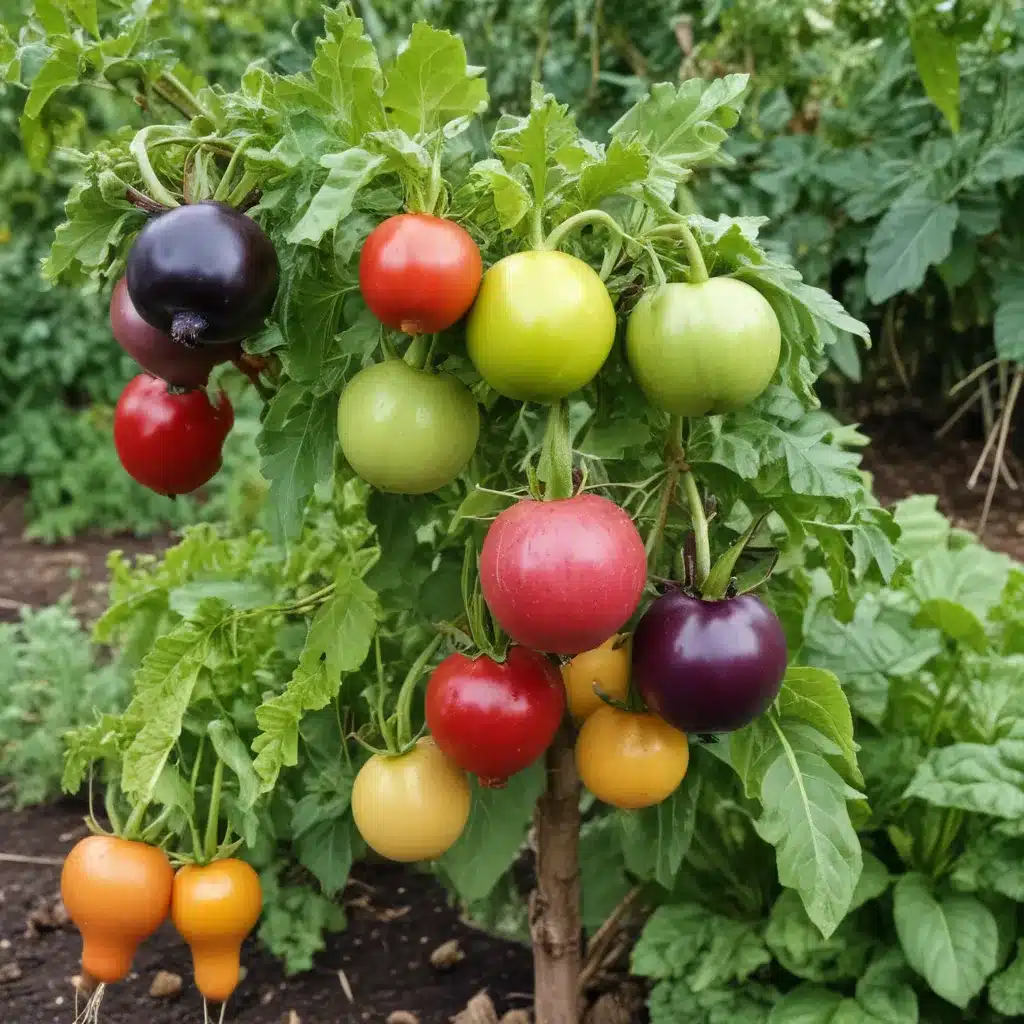
Discovering Delightful Delicacies
Ah, the joys of gardening! As a self-proclaimed green thumb, I’ve always found immense satisfaction in nurturing my little plot of land and coaxing the most delectable fruits and vegetables from the soil. But you know, there’s a whole world of unusual and downright fascinating edibles out there just waiting to be explored. And trust me, my fellow foodies, once you dive into the realm of the unconventional, your taste buds are in for a real treat.
Let me regale you with a tale of my latest gardening adventure. Just the other day, I was perusing the shelves of my local nursery, searching for something new and exciting to add to my ever-growing collection of plants, when a peculiar-looking specimen caught my eye. It was a peculiar-looking fruit, something I had never seen before, with a bumpy, almost alien-like exterior and vibrant, almost neon-like hues. Intrigued, I simply had to know more.
Turns out, this mysterious fruit was none other than the dragonfruit, a tropical delight that hails from the cactus family. I mean, who would have thought, right? Well, I certainly couldn’t resist the opportunity to add this unique little guy to my garden, and let me tell you, the results have been nothing short of spectacular. Not only is the dragonfruit a true visual feast, but its sweet, subtly tart flesh is an absolute delight to the palate. It’s the perfect addition to smoothies, salads, and even desserts. And the best part? It’s incredibly easy to grow, even in our relatively temperate climate here in Aberdeen.
Embracing the Unconventional
But the dragonfruit is just the tip of the iceberg when it comes to the world of unusual edibles. Did you know that there’s a whole host of fascinating fruits and vegetables out there that you might not have even heard of, let alone tried? From the vibrant and flavorful purple potatoes to the delightfully crunchy and refreshing chayote squash, the possibilities are truly endless.
Take, for instance, the humble yet oh-so-intriguing Romanesco broccoli. Seriously, have you ever seen anything quite like it? With its mesmerizing, fractal-like patterns, it’s almost too beautiful to eat. And yet, when you take a bite, you’re rewarded with a delicate, nutty flavor that’s reminiscent of both cauliflower and broccoli. It’s a true delight for the senses, both visually and gustatorily.
Or how about the mysterious and alluring rambutan? This spiky, alien-looking fruit may seem a bit intimidating at first, but trust me, once you crack open that hard exterior, you’ll be rewarded with a sweet, juicy, and deliciously refreshing treat. It’s like a cross between a lychee and a grape, and it’s an absolute must-try for any adventurous foodie.
And let’s not forget about the ever-versatile and surprisingly flavorful Jerusalem artichoke. Despite its name, this tuber has absolutely nothing to do with Jerusalem or artichokes. In fact, it’s a member of the sunflower family and boasts a unique, earthy flavor that’s simply divine when roasted or sautéed. It’s the perfect addition to soups, stews, and even as a standalone side dish.
Embracing the Unconventional: A Culinary Adventure
The truth is, the world of unusual fruits and vegetables is a veritable wonderland of flavors, textures, and visual delights just waiting to be explored. And as a passionate gardener and foodie, I can’t help but be utterly captivated by the sheer diversity and potential of these unconventional edibles.
Take, for instance, the incredible and often misunderstood jackfruit. This massive tropical fruit is often mistaken for a vegetable, but it’s actually a member of the fig family. And let me tell you, it’s a true culinary chameleon. When young and unripe, the jackfruit can be used as a meat substitute, boasting a texture and flavor that’s remarkably similar to pulled pork. But when fully ripe, it transforms into a sweet, juicy, and incredibly fragrant delight that’s perfect for everything from smoothies to ice cream.
Or how about the fascinating and often overlooked kohlrabi? This peculiar-looking member of the cabbage family may not be the most visually appealing vegetable out there, but don’t let its appearance fool you. Peel back its tough exterior, and you’ll be rewarded with a crisp, refreshing, and subtly sweet flesh that’s simply divine when roasted, sautéed, or even eaten raw in salads.
And let’s not forget about the incredible and often underappreciated tomatillo. While it may resemble a small, green tomato, the tomatillo is actually a member of the nightshade family and boasts a unique, tart flavor that’s perfect for salsa, guacamole, and even as a stewing ingredient. Plus, it’s incredibly easy to grow, making it a fantastic addition to any backyard garden.
Embracing the Unconventional: A Gardening Delight
As a passionate gardener, I can’t help but be utterly enamored with the world of unusual fruits and vegetables. There’s just something so captivating about coaxing these unconventional edibles from the soil and watching them transform into something truly remarkable.
Take, for instance, the incredible and often overlooked chayote squash. This unique member of the gourd family may not be the most visually appealing vegetable out there, but don’t let its appearance fool you. Beneath that tough, wrinkly exterior lies a crisp, refreshing, and subtly sweet flesh that’s simply divine when roasted, sautéed, or even eaten raw in salads.
And then there’s the fascinating and often misunderstood jicama. This tuberous root vegetable may not be the most glamorous-looking thing in the garden, but once you peel back its tough, brown skin, you’re rewarded with a crunchy, juicy, and subtly sweet treat that’s perfect for everything from slaws to stir-fries.
But perhaps one of my all-time favorite unconventional edibles to grow is the incredible and often overlooked Chinese bitter melon. Now, I know what you’re thinking – bitter melon? Seriously? But trust me, once you get past the initial shock of its intensely bitter flavor, you’ll be rewarded with a truly unique and incredibly versatile vegetable that can be used in everything from curries to stir-fries.
And let’s not forget about the incredible and often underappreciated luffa gourd. Yes, you read that right – luffa gourd. This unique member of the cucumber family starts off as a soft, green vegetable, but as it matures, it transforms into a tough, fibrous sponge that’s perfect for everything from exfoliating your skin to adding a unique texture to your stir-fries.
Embracing the Unconventional: A Culinary Delight
As a self-proclaimed foodie, I can’t help but be utterly captivated by the incredible world of unusual fruits and vegetables. There’s just something so thrilling about discovering new and unconventional edibles and then experimenting with them in the kitchen.
Take, for instance, the incredible and often overlooked Chinese long bean. At first glance, these long, slender pods may not look like much, but when you take a bite, you’re rewarded with a crisp, refreshing, and subtly sweet flavor that’s simply divine. They’re the perfect addition to stir-fries, curries, and even as a standalone side dish.
And then there’s the fascinating and often misunderstood blue java banana. Now, I know what you’re thinking – blue banana? How on earth is that possible? Well, let me tell you, these unique tropical treats are not only visually stunning, but they also boast a delicate, creamy, and almost ice cream-like flavor that’s simply out of this world. They’re the perfect addition to smoothies, parfaits, and even as a standalone dessert.
But perhaps one of my all-time favorite unconventional edibles to work with in the kitchen is the incredible and often overlooked ube. This vibrant purple yam may not look like much, but when you start incorporating it into your recipes, the results are truly astounding. From rich and creamy ube halaya (a Filipino dessert) to delicate and delicious ube-flavored macarons, the possibilities are truly endless.
And let’s not forget about the incredible and often underappreciated jackfruit. As I mentioned earlier, this massive tropical fruit is a true culinary chameleon, with the ability to transform from a meat-like substitute to a sweet, juicy, and fragrant delight. Whether you’re using it in savory dishes or sweet treats, the jackfruit is a true force to be reckoned with.
Embracing the Unconventional: A Sustainable Endeavor
As a passionate gardener and someone who is deeply committed to sustainability, I can’t help but be drawn to the incredible world of unusual fruits and vegetables. Not only do these unconventional edibles offer a wealth of unique flavors and textures, but they also have the potential to be incredibly eco-friendly and sustainable.
Take, for instance, the fascinating and often overlooked moringa tree. This remarkable plant, which is native to parts of Africa and Asia, is not only a powerhouse of nutrients, but it’s also incredibly easy to grow and incredibly drought-resistant. In fact, moringa has been hailed as a potential solution to food insecurity in many parts of the world, as it can thrive in even the most challenging environments.
And then there’s the incredible and often misunderstood oca. This unique, tuberous plant is native to the Andes region of South America, and it’s not only incredibly easy to grow, but it’s also incredibly versatile in the kitchen. From roasted oca wedges to delicious oca salads, this underappreciated edible is a true testament to the wonders of sustainable agriculture.
But perhaps one of the most fascinating and eco-friendly unconventional edibles out there is the incredible and often overlooked prickly pear cactus. Not only is this unique plant incredibly drought-resistant and easy to grow, but it’s also a true powerhouse of nutrients, with a wide range of health benefits. And the best part? You can eat just about every part of the prickly pear, from the juicy, refreshing pads to the sweet, tangy fruit.
And let’s not forget about the incredible and often underappreciated baobab tree. This massive, iconic tree is native to parts of Africa, and it’s not only a true marvel of nature, but it’s also a treasure trove of edible delights. From the tangy, vitamin-rich fruit to the nutritious and versatile leaves, the baobab is a true testament to the wonders of sustainable, plant-based living.
Embracing the Unconventional: A Rewarding Journey
As I reflect on my journey of exploring the world of unusual fruits and vegetables, I can’t help but feel a deep sense of gratitude and excitement. Not only have these unconventional edibles opened up a whole new world of culinary possibilities, but they’ve also provided me with a profound sense of connection to the natural world.
You see, when you start to delve into the realm of the unconventional, you quickly realize that these plants are so much more than just sources of sustenance. They’re living, breathing expressions of the incredible diversity and resilience of our planet. And by embracing these unusual edibles, we’re not only nourishing our bodies, but we’re also honoring the incredible complexity and interconnectedness of the natural world.
Take, for instance, the incredible and often overlooked baobab tree. This massive, iconic tree is native to parts of Africa, and it’s not only a true marvel of nature, but it’s also a treasure trove of edible delights. From the tangy, vitamin-rich fruit to the nutritious and versatile leaves, the baobab is a true testament to the wonders of sustainable, plant-based living.
And then there’s the fascinating and often misunderstood moringa tree. This remarkable plant, which is native to parts of Africa and Asia, is not only a powerhouse of nutrients, but it’s also incredibly easy to grow and incredibly drought-resistant. In fact, moringa has been hailed as a potential solution to food insecurity in many parts of the world, as it can thrive in even the most challenging environments.
But perhaps the most rewarding aspect of my journey into the world of unusual fruits and vegetables has been the sense of community and connection that it has fostered. By sharing my passion for these unconventional edibles with others, I’ve been able to build a network of like-minded individuals who are just as captivated by the incredible diversity and potential of the natural world.
Whether it’s swapping gardening tips, trading recipes, or simply marveling at the sheer beauty and uniqueness of these plants, the sense of camaraderie and shared wonder has been truly profound. And it’s this sense of connection that has ultimately made my journey into the realm of the unconventional so incredibly rewarding.
So, if you’re feeling inspired to embrace the world of unusual fruits and vegetables, I encourage you to dive in headfirst. Whether you’re a seasoned gardener or a curious foodie, there’s something truly magical waiting for you in this incredible and ever-expanding world of culinary delights. So, what are you waiting for? Let’s get growing!


