
Unlocking the Secrets of Extended Cultivation
As the days grow shorter and the chill of autumn sets in, many gardeners and homeowners in Aberdeen, UK find themselves longing for the vibrant greenery and bountiful harvests of the summer months. But what if I told you that with a simple, cost-effective solution, you could extend your growing season and enjoy fresh produce well into the winter? Enter the humble cold frame – a gardener’s best friend and the key to unlocking the secrets of extended cultivation.
In this comprehensive guide, I’ll take you on a journey through the world of cold frames, exploring their benefits, construction, and how to utilize them to their full potential. Whether you’re a seasoned green thumb or a budding gardener, this article will provide you with the knowledge and inspiration to transform your outdoor space into a year-round oasis of productivity and delight.
Understanding the Power of Cold Frames
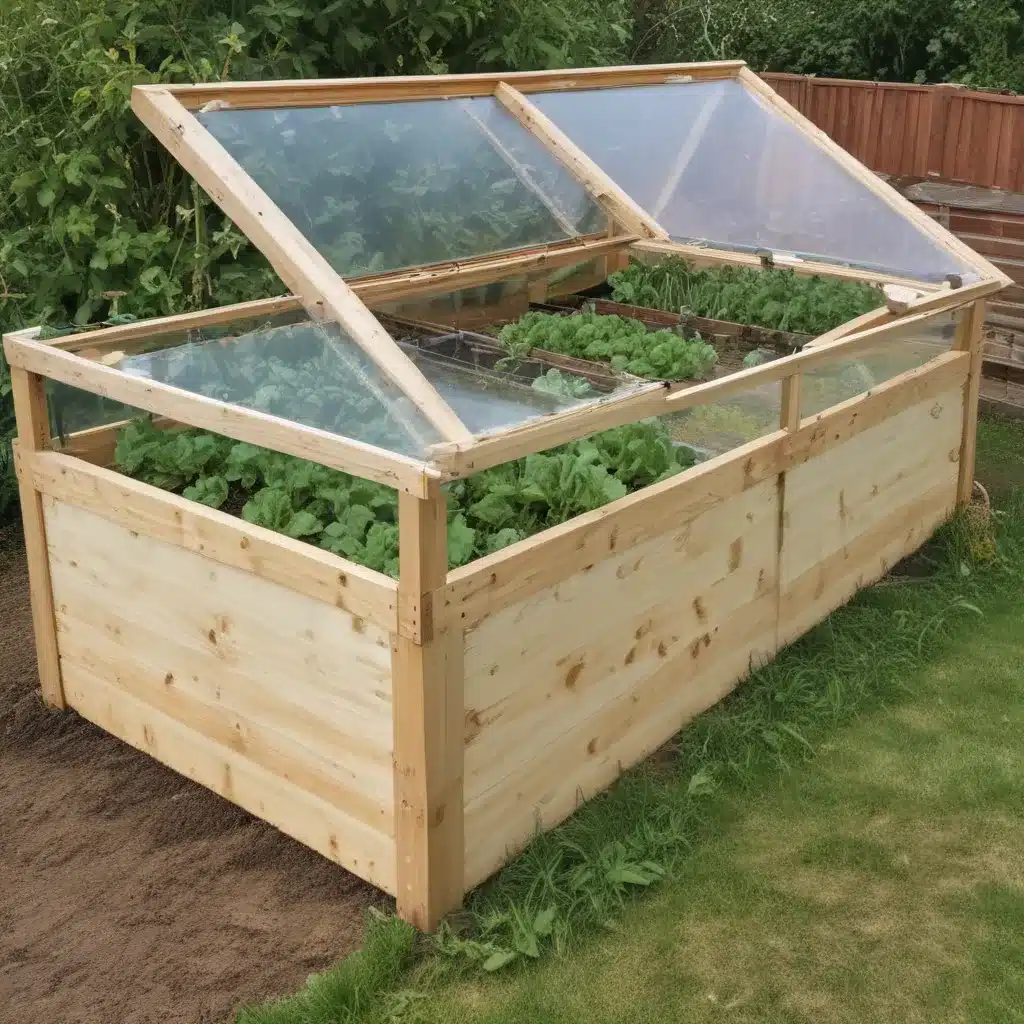
To begin, let’s dive into the basics of cold frames and understand why they are such a game-changer for gardeners in Aberdeen and beyond. A cold frame is essentially a small, enclosed structure placed over plants, typically made of wood or metal and covered with a transparent material like glass or plastic. This simple yet ingenious design serves a dual purpose: it protects plants from the harsh elements of winter while also trapping the sun’s warmth, creating a microclimate that allows for extended growing seasons.
The advantages of using a cold frame are numerous. First and foremost, they provide crucial protection for delicate plants. During the colder months, the cold frame acts as a shield, shielding your plants from frost, snow, and biting winds. This means you can continue to grow a wider variety of vegetables, herbs, and even some flowers well into the autumn and winter, rather than being limited to hardy, cold-tolerant crops.
Secondly, cold frames harness the power of the sun to create a warm, sheltered environment. The transparent cover allows sunlight to penetrate, while the enclosed space traps heat, creating a mini greenhouse effect. This warmth helps to extend the growing season, allowing you to start seeds earlier in the spring and keep plants thriving later into the fall.
But the benefits don’t stop there. Cold frames also offer a degree of water management and pest control. The enclosed structure helps to regulate soil moisture, preventing waterlogging during heavy rains while also deterring unwanted visitors like birds, rabbits, and insects. This level of control can dramatically improve the health and productivity of your plants.
Constructing Your Cold Frame
Now that you understand the power of cold frames, let’s dive into the nitty-gritty of how to build your own. The great news is that constructing a cold frame is a relatively simple and affordable project, making it accessible to gardeners of all skill levels.
The first step is to choose the right location for your cold frame. Ideally, you’ll want to position it in a spot that receives ample sunlight throughout the day, as this will maximize the heat-trapping capabilities of the structure. A south-facing orientation is often the best choice, as it allows your plants to soak up the sun’s warmth from morning until evening.
Next, you’ll need to decide on the size and materials. Cold frames can be built in a variety of shapes and sizes, depending on your available space and the needs of your garden. A common size is approximately 3 feet by 6 feet, but you can easily scale this up or down to suit your preferences. As for materials, wood is a popular choice, as it is easy to work with and relatively inexpensive. However, you can also opt for more durable options like metal or even repurposed materials like old windows or doors.
Once you’ve determined the dimensions and materials, it’s time to start building. This process typically involves constructing a simple box-like structure, with the front side being slightly lower than the back to allow for proper drainage and airflow. The transparent cover, which can be made from glass, plastic sheeting, or even old shower doors, is then hinged or removable to allow for easy access and ventilation.
Don’t forget the finishing touches! Consider adding features like vents or hinged lids to help regulate the temperature and airflow within the cold frame. You might also want to incorporate a thermometer or hygrometer to monitor the conditions and ensure your plants are thriving.
Mastering the Art of Cold Frame Gardening
Now that you have your cold frame built and ready to go, it’s time to put it to use and unlock the full potential of extended cultivation. The key to successful cold frame gardening lies in understanding the unique microclimate you’ve created and tailoring your growing practices accordingly.
One of the most important considerations is temperature management. Cold frames are designed to trap heat, but they can also become too warm, especially on sunny days. To maintain the ideal temperature range, you’ll need to be vigilant about opening and closing the lid or vents to regulate airflow. This delicate balance will ensure your plants don’t become stressed or overheat.
Equally crucial is moisture control. The enclosed environment of a cold frame can lead to excess moisture buildup, which can lead to problems like fungal diseases or rot. To prevent this, you’ll need to monitor the soil moisture levels and adjust your watering practices accordingly. Providing adequate ventilation and ensuring the frame is positioned on well-draining soil can also help mitigate moisture-related issues.
But it’s not just about temperature and moisture – the types of plants you choose are also crucial. While cold frames can extend the growing season for a wide variety of crops, some are better suited to this environment than others. Leafy greens, root vegetables, and cool-weather crops like kale, carrots, and radishes tend to thrive in the protected microclimate of a cold frame. On the other hand, heat-loving plants like tomatoes or peppers may struggle unless you provide additional heating or insulation.
To get the most out of your cold frame, it’s also important to consider the timing of your planting. By starting seeds earlier in the spring and transitioning them to the cold frame as the weather warms, you can get a head start on the growing season. Conversely, you can use the cold frame to keep your crops alive and productive well into the fall and even the winter, depending on your local climate.
Unlocking the Full Potential of Cold Frames
As you can see, cold frames are a versatile and powerful tool for gardeners and homeowners in Aberdeen and beyond. By harnessing the power of the sun and providing crucial protection for your plants, you can extend your growing season, diversify your crop selection, and enjoy the bounty of fresh, homegrown produce for a much longer period.
But the benefits of cold frames don’t stop there. These compact structures can also be used for a variety of other purposes, such as hardening off seedlings, overwintering tender plants, and even starting early spring crops. The possibilities are endless, limited only by your creativity and the needs of your garden.
So, what are you waiting for? Embrace the power of cold frames and unlock a new world of extended cultivation and year-round gardening success. Whether you’re a seasoned green thumb or a budding gardener, I encourage you to give this simple yet transformative solution a try. Who knows, you might just discover a new-found passion for the art of cold frame gardening!
If you’re ready to take the next step and incorporate cold frames into your gardening repertoire, I’d encourage you to visit ABC Home & Garden – a leading provider of high-quality building and renovation services in the Aberdeen area. Their team of experts can help you design, construct, and integrate custom cold frames into your outdoor space, ensuring you get the most out of your extended growing season. So, what are you waiting for? Start planning your cold frame project today and get ready to enjoy the bounty of your garden, no matter the season!


