
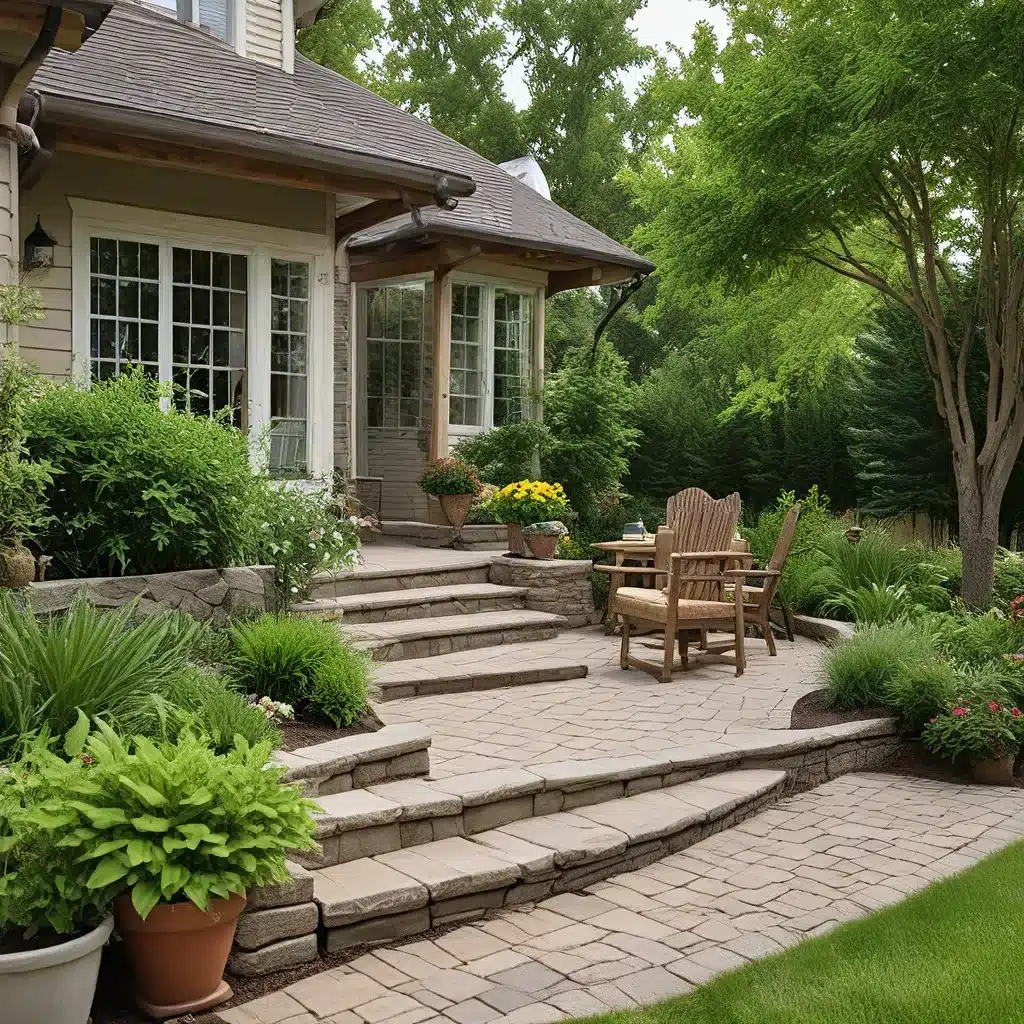
Discovering the Magic of Raised Garden Beds
When my husband and I stumbled upon our 900-square-foot fixer-upper, we quickly learned that small spaces require some clever maneuvering to make them functional. One of the first areas we tackled was the kitchen – a space that felt like a shoebox due to its lack of counter and storage space. Through some strategic renovations, we were able to maximize every inch and create a truly efficient cooking hub.
The key to our kitchen transformation? Raised garden beds. By incorporating these raised structures, we were able to free up valuable floor space while still enjoying the benefits of a thriving kitchen garden. And let me tell you, the difference it made was nothing short of magical.
The Power of Vertical Gardening
Before we even set foot in our new home, I had a hunch that raised beds would be the way to go. I’ve consulted with countless clients over the years, and time and time again, I’ve seen the incredible impact these elevated gardening platforms can have, especially in small spaces.
The beauty of raised beds lies in their ability to maximize vertical growing space. By elevating your plants, you can fit far more into a compact footprint than you could with traditional in-ground gardening. It’s all about that intensive planting – cramming a diverse array of herbs, veggies, and flowers into a single bed to create a lush, productive oasis.
And the benefits don’t stop there. Raised beds also provide superior drainage and soil quality, ensuring your plants have the perfect environment to thrive. No more battling with heavy, clay-filled soil or constantly battling weeds. With a raised bed, you’re starting fresh with nutrient-rich, well-draining soil that’s tailored to your plants’ needs.
Designing for Function and Form
When it came to our kitchen garden, we knew we wanted to strike the perfect balance between form and function. After all, this wasn’t just about growing a few herbs – it was about creating a seamless extension of our living space, a place where we could entertain, cook, and connect with nature.
That’s where the size and placement of our raised beds came into play. We opted for beds that were 2 feet deep and 7 feet long, providing ample root space for a diverse array of plants while still being manageable for us to maintain. And by strategically positioning them along the edges of our yard, we were able to maximize our usable outdoor area without sacrificing precious green space.
But the real magic happened when we incorporated trellises into the design. These vertical structures not only added visual interest but also gave us the opportunity to grow climbing crops like peas, beans, and even small-scale tomatoes. It was like having the best of both worlds – a compact footprint with the potential for bountiful harvests.
The Joy of Homegrown Harvests
As I step out into our kitchen garden each morning, coffee in hand, I can’t help but feel a sense of pure joy and accomplishment. Seeing those vibrant greens, fragrant herbs, and plump veggies thriving in their raised beds never fails to put a smile on my face.
And the best part? We’re eating better than ever. With a constant supply of fresh, nutrient-dense produce at our fingertips, we’ve been able to incorporate more plant-based meals into our diet, exploring new recipes and flavor combinations that have truly transformed the way we approach cooking.
But it’s not just about the food – it’s about the connection we’ve built with our garden, and the way it’s enriched our daily lives. Whether it’s snipping a few leaves of basil for a quick bruschetta or wandering out to pick the perfect tomato for our evening salad, this little oasis has become an integral part of our routine, a sanctuary where we can unwind, reconnect, and nourish our bodies and souls.
Overcoming Obstacles with Creativity
Of course, our journey to creating this urban oasis wasn’t without its challenges. When we first started, we were faced with a narrow, dimly lit space that felt more like a cave than a thriving garden. But with a little creativity and a lot of elbow grease, we were able to transform it into a bright, airy haven.
One of the keys to our success was widening the doorways and replacing solid doors with pocket doors. This simple change allowed for better flow of natural light, making the entire space feel more open and inviting. And by painting the walls a crisp white, we were able to create an illusion of larger, airier rooms, further enhancing the sense of spaciousness.
But perhaps the most satisfying part of our renovation was restoring the original hardwood floors. I know, it sounds like a daunting task, but by carefully removing and replacing damaged sections, we were able to breathe new life into this historic feature. And let me tell you, the end result was nothing short of stunning – a seamless blend of old and new that added so much character to our home.
Embracing the Journey
As I reflect on our kitchen garden journey, I can’t help but feel grateful for the lessons we’ve learned along the way. It’s been a rollercoaster of highs and lows, triumphs and setbacks, but through it all, we’ve discovered the true power of perseverance, creativity, and a little bit of elbow grease.
And let’s not forget the invaluable support we’ve received from our friends and family, who have cheered us on every step of the way. From my father-in-law’s ingenious suggestion to borrow wood from under our bed to fill in the kitchen floors to the countless hours our friends have spent helping us haul soil and construct our raised beds, we wouldn’t be where we are today without their unwavering love and encouragement.
So, if you’re considering taking the plunge and transforming your outdoor space, I say go for it! It might not be easy, but the rewards are truly beyond measure. Who knows, you might even discover a newfound passion for gardening, just like we did. And who knows where that might lead – maybe a thriving home extension business or a backyard oasis that becomes the talk of the town. The possibilities are endless, my friends, so what are you waiting for? Let’s get started!
The Art of Raised Bed Gardening
As I mentioned, raised beds have been a game-changer for us, and I truly believe they can be for you too. But before you jump in, there are a few key factors to consider:
Location, Location, Location: When it comes to your kitchen garden, the spot you choose is crucial. Aim for an area that gets 6 or more hours of direct sunlight per day, preferably on the south side of your home to maximize exposure, especially during the winter months. And don’t forget about proximity to water – positioning your beds near a spigot or rain barrel can make a world of difference in keeping your plants hydrated.
Sizing it Up: The height, width, and length of your raised beds will depend on your available space and personal preferences, but here are some general guidelines:
– Height: Aim for a minimum of 6 inches, but 24 inches is ideal for easy access and optimal root growth.
– Width: 18 inches is the bare minimum, but 24 to 48 inches is preferable, especially if you plan to access your beds from all sides.
– Length: 8 to 12 feet is the sweet spot, but you can go up to 25 feet if you have the space.
Material Matters: When it comes to the construction of your raised beds, durability and sustainability are key. Cedar is a fantastic choice, as it’s naturally resistant to rot and pests. Corten steel and stone are also excellent options, but come with a higher price tag. Whichever material you choose, make sure it’s food-safe and won’t leach any harmful chemicals into your soil.
Filling it Up: Once your beds are built, it’s time to fill them with the best soil possible. This means mixing in a blend of nutrient-rich compost, peat moss, and other organic amendments to create the perfect growing medium for your plants. And don’t forget to install a drip irrigation system to keep your garden hydrated without wasting precious water.
Cultivating a Thriving Kitchen Garden
With your raised beds in place, the real fun begins – planning and planting your kitchen garden! This is where you can let your creativity shine, mixing and matching a variety of herbs, veggies, and even edible flowers to create a truly bountiful and beautiful oasis.
One of my favorite things about raised bed gardening is the intensive planting approach. By carefully spacing and layering your plants, you can maximize the productivity of every square foot. Think leafy greens, root crops, climbing vines, and fragrant herbs – the possibilities are endless!
And let’s not forget about those trellises I mentioned earlier. These vertical structures are an absolute must-have, allowing you to grow tall, rambling crops like tomatoes, cucumbers, and pole beans without taking up valuable ground space. Plus, they add such a lovely architectural element to your garden design.
As you plan your layout, consider the sun exposure and water needs of each plant. Group together those with similar requirements to ensure they all thrive. And don’t be afraid to experiment – that’s half the fun of kitchen gardening! Who knows, you might just discover your new favorite crop or stumble upon a delicious flavor combination you never would have thought to try.
The Joy of Homegrown Harvests
Finally, let’s talk about the ultimate reward of raised bed gardening: the joy of homegrown harvests. There’s nothing quite like stepping outside, scissors in hand, and snipping a few sprigs of fragrant basil or plucking the perfect tomato for your evening meal. It’s a connection to the land, a sense of accomplishment, and a healthier, more sustainable way of living, all rolled into one.
And the benefits don’t stop there. Eating fresh, nutrient-dense produce from your own backyard can have a profound impact on your overall health and well-being. Studies have shown that homegrown fruits and veggies are often richer in vital vitamins, minerals, and antioxidants than their store-bought counterparts, which have often traveled long distances and lost some of their nutritional value.
So, as you plan your kitchen garden transformation, keep this in mind: it’s not just about the beautiful space you’ll create, but the nourishment, fulfillment, and sense of wonder that will come with each and every harvest. And who knows, you might even discover a new passion for gardening that you never knew you had. The journey is half the fun, my friends, so let’s get started!


