
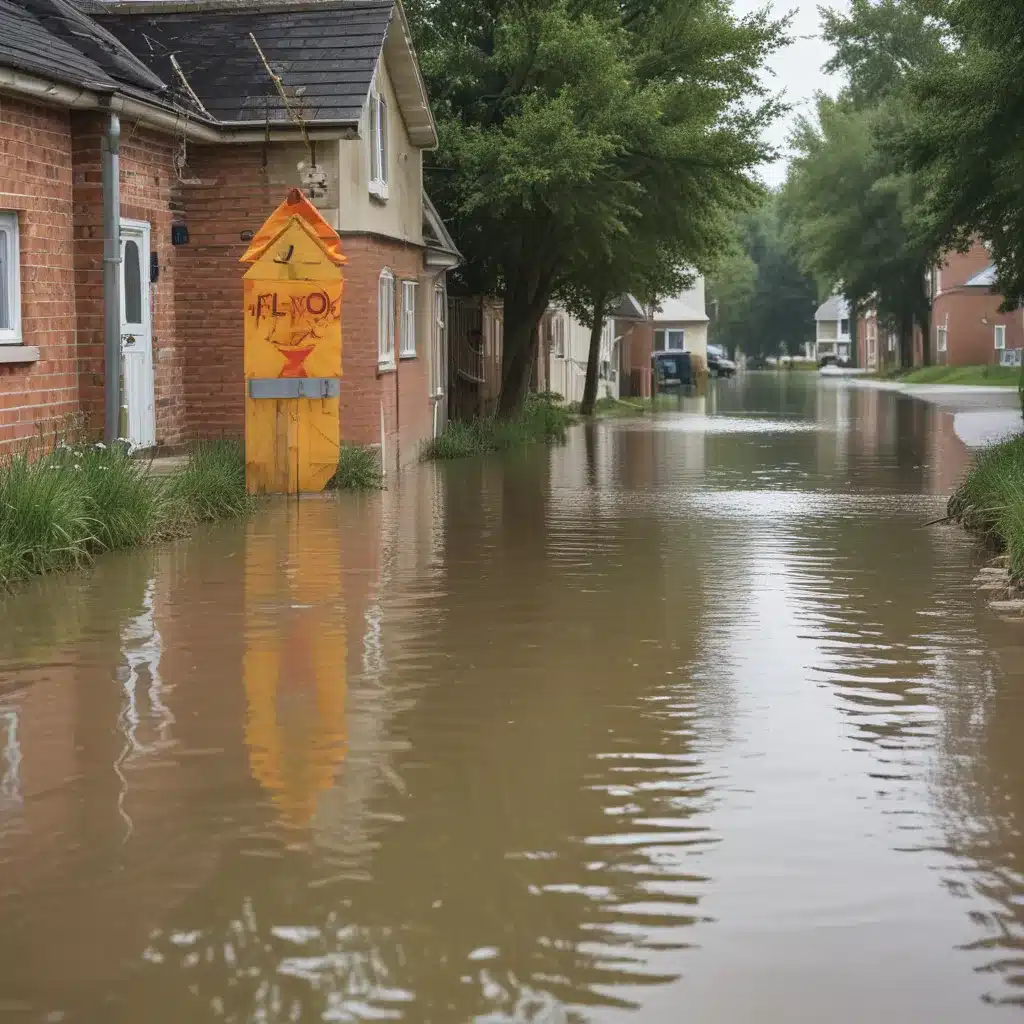
As someone who has lived in Aberdeen, UK for the better part of my life, I’ve witnessed firsthand the devastation that flooding can bring to our community. From the catastrophic floods of 2016 that left homes and businesses underwater, to the more frequent (but no less disruptive) heavy rainfalls that seem to plague our region, it’s a reality we must be prepared to face.
That’s why I’m here today to share with you some practical flood prevention tips that can help safeguard your property and your peace of mind. Whether you’re a homeowner, a business owner, or simply someone concerned about the well-being of our city, these strategies can make a world of difference when the waters start to rise.
Understanding the Flood Threat
Before we dive into the nitty-gritty of flood prevention, it’s crucial to understand the nature of the threat we’re up against. Flooding can occur for a variety of reasons, from rapid snowmelt and heavy rain to burst water mains and poor drainage systems. And as the effects of climate change continue to be felt, the risk of flooding is only expected to increase in the years to come.
According to the National Weather Service, flooding is a coast-to-coast threat that can happen almost anywhere, at any time. And the consequences can be severe, from property damage and power outages to the potential for loss of life.
Preparing Your Home or Business
One of the most critical steps in flood prevention is taking proactive measures to protect your property. This can involve a range of strategies, from the simple to the more complex.
Elevate Critical Systems
Start by identifying the critical systems in your home or business – things like electrical panels, HVAC equipment, and water heaters. FEMA recommends elevating these components to at least the base flood elevation (BFE) for your area, which can help keep them out of harm’s way in the event of a flood.
Waterproof Your Basement
If your property has a basement, it’s crucial to take steps to waterproof it. This can involve applying sealants to walls and floors, installing backflow valves on sewer lines, and ensuring that your sump pump is in good working order. According to Lawley Insurance, these measures can significantly reduce the risk of water infiltration and costly basement flooding.
Fortify Entrances
Another important consideration is the protection of your home or business’s entrances. Install flood shields or barriers at all doors and windows, and make sure your roof and gutters are in good condition to prevent water from seeping in. The City of East Chicago recommends using sandbags or other temporary barriers to create a barrier around your property’s perimeter.
Create a Drainage Plan
Effective drainage is key to flood prevention, so take a close look at the grading and landscaping around your property. Ensure that water flows away from your building’s foundation, and consider installing additional drainage systems like French drains or dry wells to help divert excess water.
Invest in Flood Insurance
Even with all these preventative measures in place, it’s still a good idea to have a backup plan. The Wisconsin Department of Natural Resources recommends that homeowners and business owners in flood-prone areas consider purchasing flood insurance, as it can provide critical financial protection in the event of a disaster.
Preparing for the Worst
Of course, no matter how well-prepared we are, there’s always the chance that a flood event could overwhelm our defenses. That’s why it’s crucial to have a plan in place for what to do in the event of a flood.
Assemble an Emergency Kit
Start by putting together an emergency kit that includes essential supplies like non-perishable food, water, flashlights, batteries, and a first-aid kit. The Wisconsin DNR recommends having enough supplies to last at least 72 hours, in case you’re cut off from essential services.
Know Your Evacuation Route
It’s also important to familiarize yourself with your local evacuation routes and have a plan for where you’ll go in the event of a mandatory evacuation. The National Weather Service advises that you never attempt to drive through a flooded road, as it’s impossible to know the depth of the water or the condition of the road beneath.
Protect Your Property
If you have time before a flood event, take steps to protect your property by securing loose outdoor items, moving valuables to higher floors, and unplugging electrical appliances. And if you’re a business owner, make sure to back up critical data and documents in a secure off-site location.
The Importance of Community Involvement
While individual preparedness is crucial, flood prevention is also a community-wide effort. That’s why it’s important to stay engaged with local authorities and participate in the development of flood mitigation plans.
At ABC Home & Renovation, we’re committed to working closely with the city of Aberdeen to identify and address flood-related risks in our community. This might involve advocating for infrastructure improvements, supporting the installation of early warning systems, or simply encouraging our neighbors to take proactive steps to protect their properties.
After all, when it comes to the threat of flooding, we’re all in this together. By working as a community, we can build a more resilient and flood-resistant Aberdeen that stands strong in the face of nature’s fury.
So, whether you’re a homeowner, a business owner, or just a concerned citizen, I hope these flood prevention tips have given you the tools and the inspiration to take action. Because when the waters start to rise, the only thing we can’t afford is to be caught off guard.


