
The Beauty in Repurposing
Fences are useful for many reasons, first, they keep the neighbor’s dog from leaving surprises on your patio, they also keep their unkempt backyard from being your primary view. While it’s generally a cheap, somewhat ugly row of dogeared wood, it doesn’t have to be. Here’s a simple way to upgrade that fence without breaking the bank.
It’s an inevitable cycle when you own a home that the fence is going to need some TLC every few years. There’s also a pretty good chance you’ve put it off for a few years now. When a section of our fence blew down in a wind storm last month, we actually ignored it for a good three weeks before finally gearing up and replacing it.
The problem with replacing a portion of a fence, is that it looks way too new and polished compared to the older section. This means either springing for an entire new fence which takes plenty of time and money most of us don’t have lying around, or being content with a brand new section next to that weathered grey stuff. I didn’t like either of those options, so I sprung for something a bit more creative.
Mixing the Old and the New
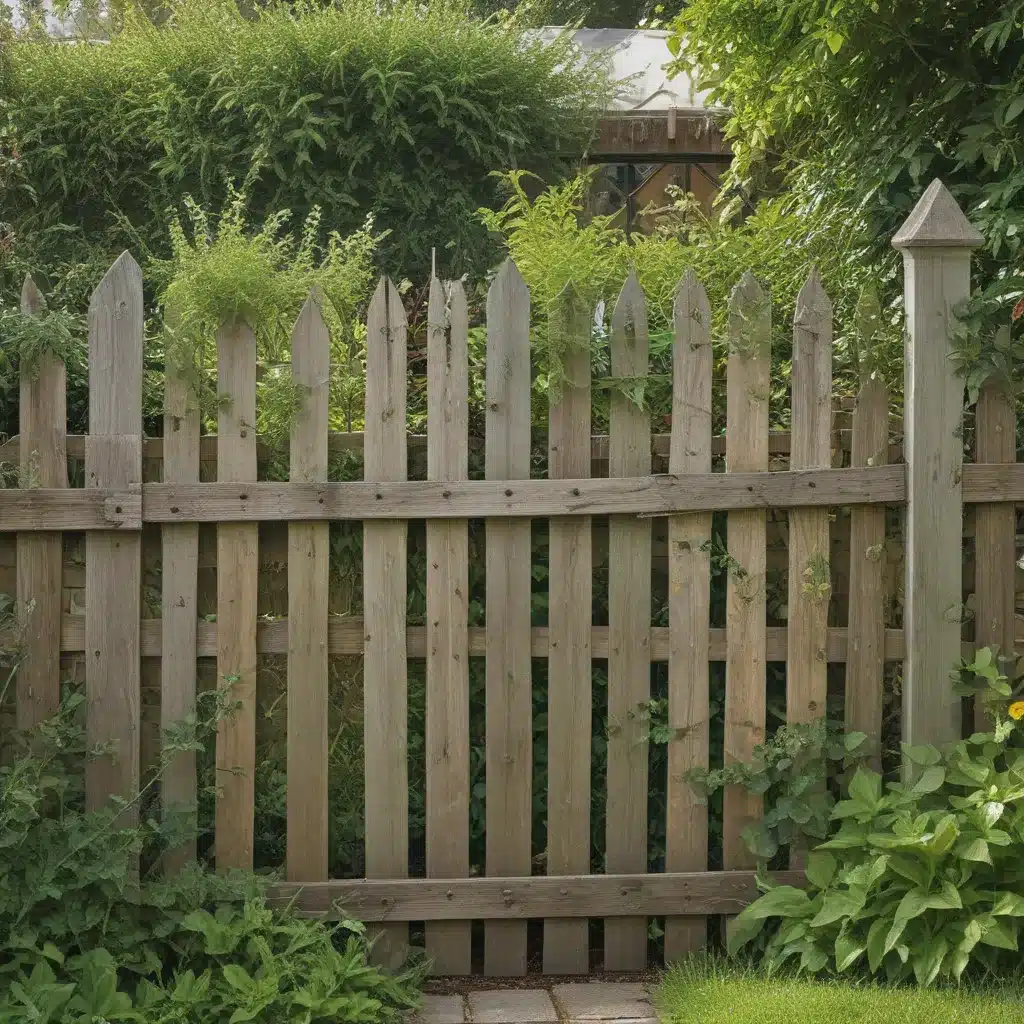
Fashioning a new frame with treated posts and crossbeams, but using the original fence boards kept the overall look but polished it up well. And the total cost? About £25 per 2.4m section. Now that’s what I call a budget-friendly upgrade!
I started by carefully removing the old boards and stacking them up to reuse later. This gave me a chance to get rid of any damaged or rotting pieces. With the old posts cut down to ground level, I laid out a straight line using a string as a guide for the new post placement. After digging the post holes, I added a layer of gravel in the bottom for drainage and set the posts in concrete, making sure each one was level and plumb.
Next, I cut the horizontal 2×4 support boards to span the gaps between posts. Using my trusty pocket hole jig, I quickly attached them in place, stepping each section up about 15cm to account for the slight slope in my yard. Now it was time to add a final touch of weathered character.
Blending the Old and New
I installed all the original fence boards with the “dog-ear” ends facing down, trimming off any that were too damaged. The key was to keep the color and weathering variations consistent, mixing the old boards together for a cohesive, vintage look. A quick coat of a red-tinted wood finish pulled the whole thing together beautifully.
While the fence blends in seamlessly with the rest of the original sections, it still looks fresh and polished – a major upgrade to the yard. I didn’t have to break the bank or replace the entire run to get that effect. A little creativity and elbow grease went a long way.
Now, whenever I’m out working in the garden or just relaxing on the patio, I can’t help but smile at my handiwork. It’s the perfect example of how a little repurposing can breathe new life into an aging fence. And at the end of the day, that’s what the team at ABC Home & Garden is all about – helping homeowners like myself discover the beauty in transforming the old into something new.
Defining Spaces with Style
Fences don’t have to be just utilitarian barriers – they can be design elements that add personality and character to your outdoor living spaces. In my neighborhood, I’ve noticed a shift in how fences are being used, moving away from the traditional enclosure mentality towards a more modern, aesthetic approach.
According to Life of an Architect, the role of fences is changing, with designers striving to use them to define edges and planes rather than simply enclose spaces. One clever trick is to orient the fence boards horizontally instead of vertically. This creates the illusion of a continuous wall-like surface, helping the fence blend seamlessly into the overall landscape design.
Of course, there are a few tricks to pulling off the horizontal board look successfully. Staggering the board ends is key to avoiding that unsightly “panel” effect. It’s also important to use a pressure-treated base board that can be sunk into the ground, preventing gaps at the bottom that would ruin the sleek, modern aesthetic.
Personalizing Your Outdoor Oasis
But fences aren’t just about functionality or style – they can also be a canvas for self-expression. As Fine Gardening points out, the little personal touches we add to our gardens are what truly give them soul.
Whether it’s repurposed antique garden tools, driftwood from a memorable beach trip, or even stepping stones made by your kids, infusing your outdoor space with meaningful mementos makes it uniquely yours. It’s those thoughtful details that transform a generic yard into a cherished, one-of-a-kind oasis.
Now, I’ll admit, I may have gone a bit overboard in my own garden, packing it to the brim with plants and eclectic decor. But as one visiting gardener from England remarked, I’ve certainly “out-cottaged any cottage garden” they’d ever seen. And you know what? I wear that badge with pride.
A Distinctly Regional Flair
The beauty of the modern cottage garden – whether in Aberdeen or across the pond – is that it allows for so much personal expression. As Fine Gardening points out, these gardens are embracing regional differences, drawing inspiration from the local flora, materials, and architectural styles.
In my Colorado garden, for example, I’ve incorporated native plants that thrive in our semi-arid climate, like yucca, agave, and drought-tolerant grasses. The arbor my husband and I built has a distinctly southwestern flair, using rough-hewn cedar and redwood. And our flagstone walkway nods to the regional design aesthetic of the Rocky Mountain foothills.
These little regional touches not only make the garden more visually cohesive, but they also help it feel grounded in the surrounding landscape. It’s a delicate balance – honoring tradition while putting your own unique stamp on things.
The Joy of DIY
One of the things I love most about tackling projects like my fence renovation is the sense of accomplishment it brings. Sure, I could have hired a contractor to do the job, but where’s the fun in that? Rolling up my sleeves and figuring it out myself is infinitely more rewarding.
And the best part? It didn’t actually cost an arm and a leg. With just a few basic tools – a miter saw, drill, and pocket hole jig – I was able to transform that drab, weather-beaten fence into something truly special. The total material cost for the 2.4m section? Around £25. Not bad at all, especially considering the finished product looks like a million bucks.
So if you’re feeling uninspired by your current fence situation, I encourage you to get creative. Scour your own backyard or neighborhood for unique materials and found objects. Experiment with different layouts and finishes. Who knows, you might just end up with a one-of-a-kind garden feature that’s the envy of all your neighbors.
At the end of the day, that’s what it’s all about – putting your personal stamp on your outdoor living spaces and creating a sanctuary that truly reflects your individual style. And with a little elbow grease and a healthy dose of imagination, the team at ABC Home & Garden is here to help you do just that.


