
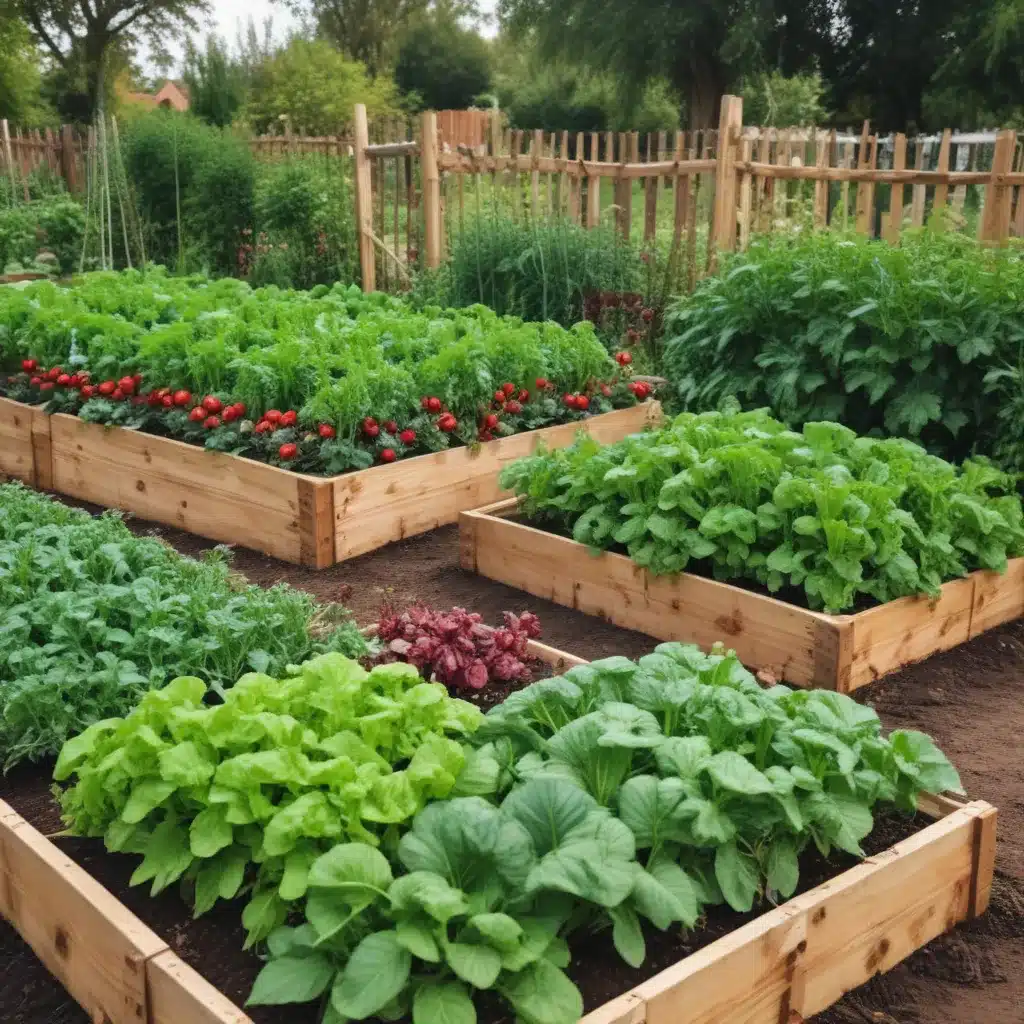
The Call of the Dirt: Why Grow Your Own?
Ah, the humble vegetable garden – a quiet oasis amidst the hustle and bustle of modern life. As I gaze out my window at the gray streets of Aberdeen, I can’t help but dream of the day when I’ll be elbow-deep in rich, earthy soil, coaxing tender seedlings into vibrant, life-giving plants. There’s just something about getting your hands dirty and watching your own little patch of green thrive that really speaks to the soul, isn’t there?
But why, you might ask, would anyone want to take on the seemingly daunting task of growing their own veggies when the supermarket is just a short drive away? Well, my friends, let me tell you – the benefits of organic vegetable gardening are boundless. For one, there’s the unparalleled satisfaction of reaping the rewards of your own hard work. Imagine the pride you’ll feel when you slice into a juicy tomato or pluck a crisp carrot, knowing that you nurtured it from seed to harvest. It’s an experience that simply can’t be replicated by grabbing a plastic-wrapped bundle off the grocery store shelf.
And then there’s the matter of taste. Homegrown produce is quite simply in a class of its own when it comes to flavor. Those bland, watery supermarket tomatoes have nothing on the rich, bursting-with-sweetness varieties you can grow yourself. Plus, you’ll have the added peace of mind of knowing exactly what went into your food – no mysterious chemicals or additives, just pure, unadulterated goodness.
But perhaps the most compelling reason of all is the sense of connection to the natural world that organic gardening can foster. In this fast-paced, technology-driven era, it’s easy to feel disconnected from the rhythms and cycles of the earth. Tending to your own little plot of land, however, can be a profoundly grounding and rejuvenating experience. You’ll find yourself in tune with the seasons, the weather, and the myriad of creatures – from buzzing bees to curious birds – that call your garden home.
So if you’re feeling the urge to get your hands dirty and reconnect with the land, I say heed the call! Trust me, the rewards of organic vegetable gardening will far outweigh any initial challenges you may face. And who knows – you might just discover a newfound passion that will nourish both your body and your soul.
Getting Started: Laying the Groundwork for Success
Now that I’ve (hopefully) convinced you of the many virtues of organic vegetable gardening, it’s time to dive into the nitty-gritty of actually getting started. The first and most crucial step, in my opinion, is to carefully consider the layout and design of your garden. After all, the foundation you build will determine the health and productivity of your plants for seasons to come.
One of the most important factors to consider is the location of your garden. Ideally, you’ll want to choose a spot that receives at least 6 to 8 hours of direct sunlight per day – most vegetables thrive in full sun. Additionally, you’ll want to make sure the area is relatively level and well-draining, as waterlogged soil can quickly spell disaster for your precious plants.
Another key element to contemplate is the size and shape of your garden. Now, I know the temptation to go big and create an expansive, Edenic oasis can be strong, but I’d caution against biting off more than you can chew, especially as a beginner. Start small, perhaps with a 4×8 or 6×8 raised bed, and gradually expand as your confidence and skills grow. Trust me, it’s far better to have a thriving, manageable plot than an unruly jungle of neglected plants.
And speaking of raised beds, I highly recommend this approach, as it offers a number of benefits over traditional in-ground gardening. For one, the elevated structure allows for better drainage and soil quality control. It also makes planting, weeding, and harvesting a breeze on your back. Plus, the defined edges help to clearly delineate your garden space and keep pesky weeds at bay.
Once you’ve selected the perfect spot and determined the scale of your endeavor, it’s time to get your hands dirty (pun intended) and start amending that soil. Healthy, nutrient-rich soil is the foundation for a thriving vegetable garden, so don’t skimp on this crucial step. Incorporate generous amounts of compost, aged manure, or other organic matter to boost the fertility and tilth of your garden beds. And don’t forget to test the pH level – most veggies prefer a slightly acidic soil with a pH between 6.0 and 6.8.
With the groundwork laid, you’re almost ready to start planting. But before we get to that, let’s talk about one more important consideration: crop rotation. Changing up the placement of your plants from year to year is key to maintaining soil health and preventing the buildup of pests and diseases. It may take a bit of extra planning, but trust me, your plants (and your sanity) will thank you in the long run.
So there you have it – the essential first steps to setting up your organic vegetable garden for success. It may seem like a lot to wrap your head around, but take it one task at a time, and you’ll be well on your way to cultivating a bountiful, beautiful plot in no time. And remember, the journey is just as rewarding as the destination, so enjoy every moment of getting your hands dirty!
Planting for Abundance: Choosing the Right Crops and Varieties
Alright, now that we’ve tackled the foundational elements of setting up your organic vegetable garden, it’s time to get down to the really fun part: choosing what to grow! This, my friends, is where the true excitement and creativity of gardening really come into play.
As you peruse the seemingly endless array of seed catalogs and nursery offerings, it can be tempting to want to try your hand at growing everything. But trust me, that’s a surefire recipe for feeling overwhelmed and exhausted come harvest time. Instead, I recommend taking a more strategic and intentional approach.
First, consider your family’s tastes and preferences. What are the veggies you and your loved ones enjoy eating the most? Those are the obvious choices to start with. Maybe it’s juicy tomatoes for homemade sauces, crisp cucumbers for refreshing salads, or hearty root crops like carrots and beets. Hone in on the staples that will get the most use in your kitchen.
Next, think about what grows well in your particular climate and microclimate. Aberdeen may not be quite as mild as southern England, so you’ll want to select varieties that can thrive in our sometimes fickle weather. Do some research on the best-suited cool-season and warm-season crops for our region, and plan your garden accordingly.
And don’t forget to mix in a few wild cards! Trying new-to-you veggies or heirloom varieties can be a delightful way to expand your culinary horizons and add some pizzazz to your plate. Maybe you’ve always wanted to grow those adorable, multicolored baby eggplants, or perhaps you’re intrigued by the idea of harvesting your own fresh ginger. The possibilities are endless, so let your curiosity be your guide.
One final tip when it comes to selecting crops: pay attention to the mature size and growth habits of the plants. Tall, sprawling varieties like indeterminate tomatoes or pole beans will need more vertical space, while compact, bush-type plants can be tucked into tighter quarters. Arranging your garden with an eye towards these factors will ensure you maximize your limited real estate.
Of course, no discussion of organic vegetable gardening would be complete without a nod to the importance of companion planting. By strategically intermingling different crops, you can create a dynamic, self-sustaining ecosystem that deters pests, enriches the soil, and boosts overall yields. Herbs and flowers, for example, can attract beneficial insects, while nitrogen-fixers like legumes can replenish nutrients for heavy-feeding plants.
As you can see, there’s a lot to consider when it comes to choosing the right crops and varieties for your organic garden. But don’t let that daunt you – with a little research and a whole lot of excitement, you’ll be well on your way to cultivating a bountiful oasis of edible delights. So start dreaming up that dream garden, my friends, and get ready to reap the delicious rewards!
Caring for Your Crops: Mastering the Art of Organic Maintenance
Ah, the joys of organic gardening – the feel of the soil between your fingers, the soothing rhythm of weeding, the thrill of watching your carefully tended plants burst forth with vibrant life. But make no mistake, my friends, keeping an organic vegetable garden healthy and productive is no simple feat. It requires a delicate balance of nurturing care and strategic, eco-friendly interventions.
Let’s start with the basics: watering. Consistency is key when it comes to keeping your plants hydrated, but you’ll also want to be mindful of not over-watering. The general rule of thumb is to provide about 1 inch of water per week, either from rainfall or supplemental irrigation. And be sure to water in the early morning or evening hours to minimize evaporation.
Speaking of irrigation, I highly recommend investing in a quality drip system or soaker hose. Not only do these methods conserve precious water resources, but they also deliver moisture directly to the root zone where it’s needed most. No more wasted H2O trickling away down the garden paths!
Of course, watering is just one piece of the organic maintenance puzzle. Weeding is another essential task that should be tackled regularly to prevent unwanted competition for nutrients and sunlight. But don’t reach for that chemical weedkiller! Instead, make it a meditative practice, using your hands or a sturdy hoe to methodically remove offending plants. And don’t forget to replenish your mulch layer – a 2-3 inch depth of organic material like wood chips or straw will help suppress weed growth and retain soil moisture.
Fertilization is another critical component of organic gardening. Unlike their synthetic counterparts, natural, slow-release amendments like compost, aged manure, and kelp extract nourish your plants gradually and holistically. They not only provide essential macro- and micronutrients, but they also help to build soil structure and fertility for long-term health. Be sure to follow package instructions and avoid over-fertilizing, which can actually do more harm than good.
And let’s not forget about disease and pest management. In the world of organic horticulture, a little proactive prevention goes a long way. Stay vigilant for any signs of trouble – yellowing leaves, strange growths, or munched-on foliage – and address issues swiftly with eco-friendly solutions like insecticidal soap, neem oil, or beneficial predator insects. Companion planting can also work wonders in creating a balanced, self-regulating ecosystem.
Finally, don’t forget the importance of regular maintenance tasks like pruning, staking, and succession planting. Keeping your plants tidy, supported, and continuously producing will maximize your yields and ensure a bountiful harvest from spring through fall.
Whew, that’s a lot to keep track of, I know. But fear not, my green-thumbed friends – with a bit of practice and patience, these organic gardening techniques will soon become second nature. And the payoff is oh-so-sweet when you get to enjoy the fruits (and veggies) of your labor. So roll up those sleeves, get digging, and embrace the peaceful rhythm of tending to your little oasis of edible delights.
Reaping the Rewards: Harvesting, Preserving, and Savoring the Bounty
Ah, the moment we’ve all been waiting for – the grand crescendo of the organic gardening journey: the harvest! As I stroll through my vegetable patch, taking in the riot of colors, textures, and aromas, my heart swells with a profound sense of pride and accomplishment. After all those hours of careful tending, to see the literal fruits of my labor come to fruition is a feeling that never gets old.
But the work isn’t quite done yet, my friends. Once you’ve carefully plucked, snipped, and gathered your fresh-from-the-earth bounty, the next step is to ensure it’s properly preserved and prepared for maximum enjoyment. This, to me, is where the true magic of organic gardening really shines.
Let’s start with the harvesting process itself. When it comes to most veggies, timing is everything. You’ll want to pluck them at the peak of ripeness, when the flavors and nutrients are at their zenith. For leafy greens, that might mean cutting them young and tender before they bolt. For tomatoes, it’s a matter of watching for that telltale blush and giving them a gentle tug. And for root crops, you’ll need to carefully dig around the base to avoid damaging the precious produce.
Once you’ve gathered your haul, it’s time to get creative with storage and preservation. Depending on the crop, you might opt to simply pop them in the fridge for short-term use, or you could explore more long-term methods like canning, pickling, or freezing. Personally, I love the ritual of stocking my pantry shelves with gleaming jars of homemade tomato sauce, dill pickles, and roasted red peppers. Not only is it an incredibly satisfying feeling, but it also means I can enjoy the flavors of my garden all year round.
And let’s not forget about all the myriad ways you can incorporate your organic bounty into delectable dishes. Whether you’re whipping up a simple salad, layering veggies onto a homemade pizza, or simmering up a hearty soup, the possibilities are truly endless. I find that the freshness and vibrant flavors of homegrown produce really allow the true essence of each ingredient to shine.
Of course, no discussion of savoring the harvest would be complete without a nod to the joys of sharing. There’s nothing quite like gifting a friend or neighbor with a basket overflowing with the fruits of your labor. The look of delight on their faces as they take in the beauty and aroma of your homegrown goodies is a reward in and of itself. And let’s not forget about the camaraderie and community that can blossom when you join forces with fellow gardeners to swap seeds, recipes, and surplus crops.
So as you stand amidst the lush, verdant splendor of your own organic vegetable garden, I hope you’ll take a moment to revel in the sheer abundance and satisfaction that this endeavor can bring. From the meditative act of tending the soil to the celebratory ritual of harvesting and preserving, every step of the journey is infused with a profound sense of connection, accomplishment, and culinary delight. Savor it all, my friends, and enjoy the bountiful rewards of your green-thumbed labors!
Cultivating Community: Sharing the Joys of Organic Gardening
As I reflect on my own organic gardening journey, I’m struck by the profound sense of community and connection that has blossomed alongside my thriving vegetable patch. You see, there’s something about getting your hands dirty and watching nature’s magic unfold that seems to bring people together in the most wonderful ways.
Take, for instance, the monthly potluck gatherings our local gardening club hosts. What started as a small group of likeminded green thumbs has now grown into a vibrant, supportive community of neighbors, all eager to share tips, swap seeds, and indulge in the literal fruits of each other’s labor. There’s nothing quite like swapping stories over a spread of homemade pickles, herbal teas, and freshly baked breads – all made with ingredients from our collective gardens.
And the camaraderie doesn’t stop there. Whenever I have a bumper crop of zucchini or a surplus of cherry tomatoes, I’m always eager to spread the wealth. A quick knock on the door of an elderly neighbor or a new family who just moved in, and suddenly those veggies have found a loving home. The joy on their faces as they receive this unexpected bounty is truly heartwarming, and it’s a feeling that never gets old.
But the benefits of this communal gardening spirit go far beyond just the produce itself. You see, by coming together to share knowledge, resources, and support, we’re also cultivating a deeper sense of neighborhood pride and resilience. In a world that can sometimes feel increasingly isolating, having a network of like-minded green thumbs to lean on is an invaluable gift.
We look out for each other, whether it’s helping to water someone’s plot while they’re on holiday or offering a sympathetic ear when a crop fails. And when times get tough – whether it’s a sudden economic downturn or an environmental crisis – the food security and self-sufficiency that our collective gardens provide can be a genuine lifeline.
So if you’re feeling the urge to start your own organic vegetable garden, I’d encourage you to also consider how you might become more involved in your local gardening community. Attend a meeting of the Aberdeen Allotment Society, volunteer at a community garden, or simply introduce yourself to the folks next door who are also growing their own. You never know what kind of wonderful connections and collaborations might blossom.
After all, at the heart of organic gardening is a deep reverence for the natural world and a desire to live in greater harmony with the land. And what better way to cultivate that ethos than by joining forces with your neighbors, sharing knowledge, and creating a thriving, resilient oasis of edible abundance? So roll up those sleeves, get digging, and get ready to sow the seeds of community along with your vegg


