
Introduction: Unlocking the Joy of Homegrown Goodness
Ah, the allure of a lush, thriving vegetable garden – the vibrant colors, the fresh scents, the satisfaction of plucking your own produce straight from the soil. If you’re anything like me, the idea of stepping out your back door and harvesting your own fresh, flavorful veggies is enough to make your mouth water. But for many of us, the thought of starting a garden can be, well, a bit intimidating.
Fear not, my fellow aspiring green thumbs! In this comprehensive guide, I’m going to walk you through the ins and outs of raised bed vegetable gardening – a wonderfully approachable and rewarding way to dip your toes into the world of homegrown goodness. Whether you’re a total novice or just looking to up your gardening game, I’ve got you covered with all the tips, tricks, and tried-and-true techniques you need to get growing.
Understanding Raised Bed Gardening
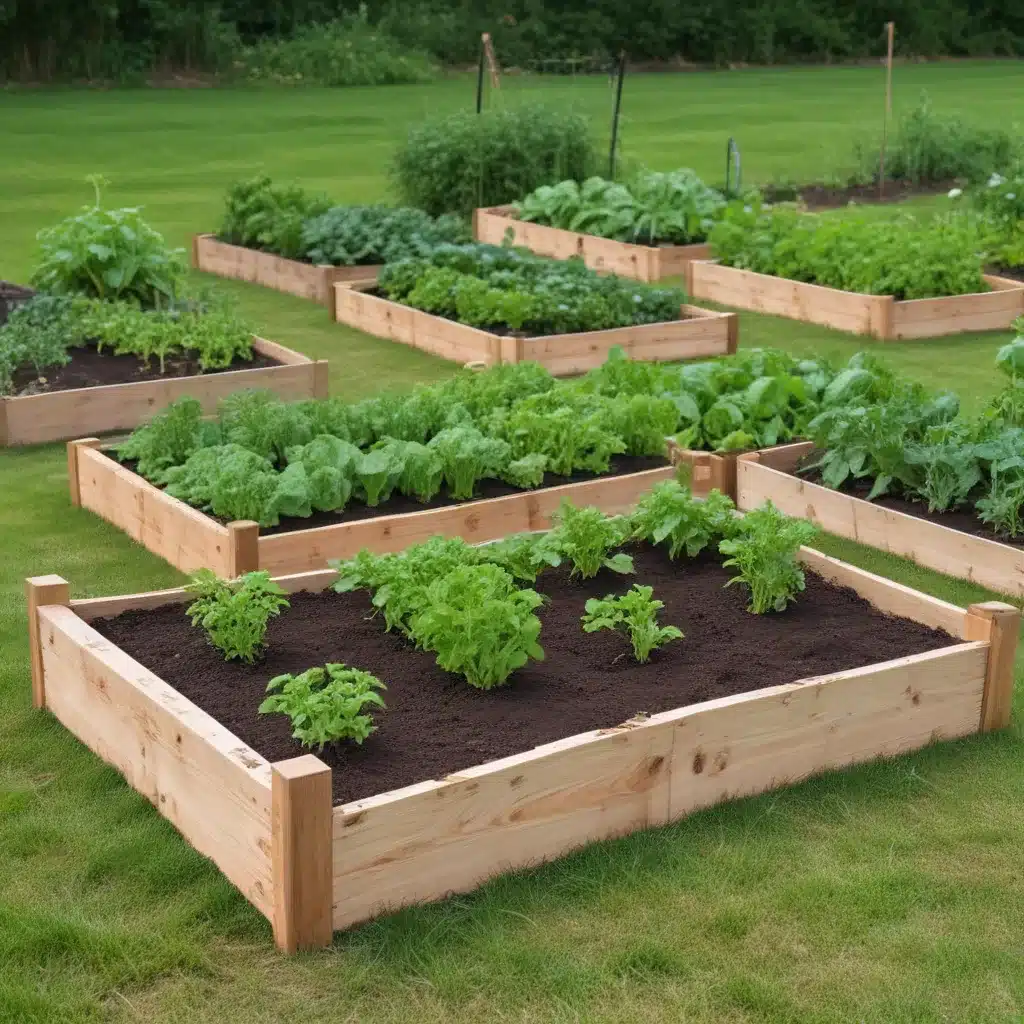
So, what exactly is a raised bed garden, you ask? Well, it’s essentially a contained, elevated planting area – typically made of wood, stone, or other durable materials – that sits above the surrounding ground.
The beauty of raised beds is that they allow you to have complete control over the quality of your soil, which is key for growing healthy, robust veggies. By filling your beds with a nutrient-rich, well-draining soil mixture, you can create the perfect environment for your plants to thrive, even if your existing soil is less than ideal.
But that’s not all! Raised beds also offer a number of other benefits that make them a popular choice for both beginner and experienced gardeners alike. For starters, they’re much easier on your back, as you don’t have to bend down as far to tend to your plants.
They also provide better drainage, which can be a game-changer if you’re dealing with heavy clay soil or areas that tend to get waterlogged. And let’s not forget the aesthetic appeal – a well-designed raised bed can truly elevate (pun intended) the look of your outdoor space, turning your garden into a true showstopper.
Choosing the Right Location
Now that you’ve got a solid understanding of what raised bed gardening entails, it’s time to start planning your perfect plot. The first step? Selecting the right location.
When it comes to finding the perfect spot for your raised beds, there are a few key factors to consider. First and foremost, you’ll want to choose an area that gets plenty of sunlight – most vegetables thrive best with at least 6 hours of direct sun per day. Avoid areas that are heavily shaded by trees or buildings, as this can severely impact the growth and productivity of your plants.
Drainage is another crucial element to keep in mind. You’ll want to steer clear of low-lying areas that tend to collect water, as this can lead to issues like root rot and fungal diseases. Instead, opt for a spot that has good natural drainage or is slightly sloped to allow excess moisture to run off.
And don’t forget to consider accessibility! Placing your raised beds in a convenient, easy-to-reach location will make it much easier to tend to your garden on a regular basis. Somewhere close to your backdoor or a well-traveled path is ideal.
Designing Your Raised Beds
Alright, now that you’ve got the perfect spot picked out, it’s time to start designing your raised bed oasis. The great thing about this gardening method is that you have a ton of flexibility when it comes to the size, shape, and configuration of your beds.
One popular option is to go with a classic rectangular design – this allows you to maximize the growing space and makes it easy to reach all parts of the bed from the sides. But if you’re feeling a bit more adventurous, you could also try something a little more unique, like an L-shaped or circular layout.
Another key decision you’ll need to make is the height of your raised beds. Most experts recommend building them between 8 to 12 inches tall, as this provides enough depth for healthy root growth without being too high to comfortably access.
And speaking of access, it’s important to leave enough space between your beds to be able to easily move around and tend to your plants. Aim for at least 18 to 24 inches of walkway width – this will give you plenty of room to work without feeling cramped.
Once you’ve settled on the overall design, it’s time to start thinking about the materials. Cedars and redwoods are popular choices for their natural resistance to rot and insects, but you can also get creative with things like stone, brick, or even recycled materials like old pallets. Just be sure to use sturdy, weather-resistant components that will hold up over time.
Building Your Raised Beds
Alright, now that you’ve got the planning phase under your belt, it’s time to roll up your sleeves and get to work on actually building your raised beds. Don’t worry, it’s not as daunting as it might seem – with a little elbow grease and the right tools, you can have your dream garden setup in no time.
First things first, you’ll need to clear the area where your beds will be placed. Remove any grass, weeds, or debris, and make sure the ground is level. This will provide a solid foundation for your raised beds and ensure they don’t end up lopsided or uneven.
Next, it’s time to start assembling the frame. If you’re using wooden planks or boards, simply secure them together at the corners using exterior-grade screws or nails. For a more polished look, you can even pre-drill the holes to prevent the wood from splitting.
Once your frame is in place, it’s time to fill ‘er up! Depending on the depth of your beds, you may need a sizeable amount of soil, so be prepared to do some heavy lifting. A good rule of thumb is to use a high-quality potting mix or a blend of compost, peat moss, and vermiculite. This will provide the perfect nutrient-rich, well-draining foundation for your veggies to thrive.
And don’t forget the finishing touches! Things like adding a layer of landscape fabric to the bottom of your beds to suppress weeds, or topping everything off with a fresh layer of mulch can really take your raised garden to the next level.
Choosing Your Veggies
Alright, now that your raised beds are all set up and ready to go, it’s time for the fun part – picking out what you’re going to grow! With so many delicious and versatile options to choose from, the possibilities are truly endless.
One of the great things about raised bed gardening is that it allows you to pack a lot of variety into a relatively small space. From leafy greens and crisp cucumbers to juicy tomatoes and colorful bell peppers, you can cultivate a veritable cornucopia of fresh produce right in your own backyard.
When it comes to selecting your veggie lineup, I always recommend starting with a few of your personal favorites – after all, there’s nothing quite like being able to pluck your signature salad ingredients or go-to stir-fry veggies straight from your own garden. But don’t be afraid to branch out and try something new, too! Experimenting with different crops is all part of the joy of gardening.
And let’s not forget the importance of considering the growing requirements and spacing needs of each plant. Some, like tomatoes and pole beans, benefit from vertical support structures, while others, like carrots and radishes, thrive in tighter, more compact arrangements. Doing a little research ahead of time will help ensure your garden is a harmonious, high-yielding masterpiece.
Preparing and Planting Your Beds
Alright, you’ve got your beds built, your soil prepped, and your veggies picked out – now it’s time to get planting! This is where the real magic starts to happen, as you watch your garden transformation from a bare plot of soil into a lush, vibrant oasis.
Before you start digging in, it’s important to make sure your beds are properly prepared. This means taking the time to loosen and aerate the soil, removing any remaining weeds or debris, and incorporating any necessary amendments or fertilizers.
One technique I’ve found particularly helpful is the use of the “square foot gardening” method. This involves dividing your raised beds into a grid of 1-foot squares, then planting a specific number of plants (depending on their size) in each square. Not only does this help maximize your growing space, but it also makes it easier to keep track of your plantings and rotate your crops from season to season.
When it comes to actually putting your veggies in the ground, there are a few key things to keep in mind. Be sure to carefully read the instructions on your seed packets or plant tags, as they’ll provide valuable guidance on things like spacing, depth, and ideal growing conditions. And don’t be afraid to get a little creative – you can experiment with companion planting, vertical structures, and other techniques to really optimize your garden’s productivity.
Finally, don’t forget to label your plantings! This will not only help you keep track of what’s what, but it’ll also make it easier to rotate your crops and plan for future seasons. A few sturdy plant markers or a simple chalkboard can go a long way.
Maintaining Your Raised Beds
Alright, you’ve done the hard work of building your raised beds and getting your veggies in the ground – now it’s time to keep the magic alive through proper maintenance and care. Trust me, a little TLC goes a long way in ensuring a bountiful, healthy harvest.
One of the most critical elements of raised bed gardening is keeping on top of watering. Since the soil in your beds is contained and elevated, it can dry out more quickly than traditional in-ground gardens. Make a habit of checking the moisture levels regularly and providing a deep, thorough watering whenever the top inch or two of soil starts to feel dry.
Weeding is another non-negotiable task that requires your diligent attention. Pesky intruders can quickly take over your precious growing space, so be sure to pull them out by the roots as soon as you spot them. Mulching around your plants can also help suppress weed growth and retain soil moisture.
Fertilizing is also crucial for maintaining the health and productivity of your raised beds. Look for a balanced, slow-release organic fertilizer and apply it according to the manufacturer’s instructions, usually a few times throughout the growing season. This will help replenish the nutrients in your soil and keep your veggies thriving.
And let’s not forget about pests and diseases! Be on the lookout for any signs of trouble, like chewed leaves, wilting stems, or suspicious spots, and take swift action to address any issues. Practicing good garden hygiene, using organic pest control methods, and encouraging beneficial insects can all go a long way in keeping your plants happy and healthy.
Extending Your Growing Season
As any seasoned gardener will tell you, the real magic of raised beds goes beyond just the spring and summer months. With a few strategic moves, you can actually extend your growing season and enjoy a bountiful harvest well into the fall and even winter!
One of the most effective ways to prolong your gardening fun is by using cold frames or mini greenhouses. These nifty little structures sit right on top of your raised beds, trapping in warmth and creating a protected microclimate for your plants. This allows you to get a jumpstart on spring planting, as well as keep your cool-weather crops going strong long after the first frost.
Another clever trick is to use row covers or low tunnels. These lightweight, breathable fabrics can be draped directly over your beds, providing an extra layer of insulation and shielding your plants from harsh winds, heavy rainfall, and sudden temperature drops. They’re perfect for growing things like leafy greens, root veggies, and brassicas well into the colder months.
And let’s not forget about the power of succession planting! By strategically timing your vegetable rotations and staggering your sowing dates, you can enjoy a continuous harvest throughout the entire growing season. Plant quick-maturing crops like radishes, lettuce, and spinach in the gaps between your longer-season plants for a truly bountiful bounty.
Enjoying Your Harvest
Ah, the moment we’ve all been waiting for – the sweet, sweet fruits (and veggies) of your labor! After all the planning, preparation, and TLC you’ve poured into your raised bed garden, it’s time to reap the delicious rewards.
I don’t know about you, but there’s truly nothing quite like the taste of a tomato or cucumber that you’ve grown and harvested yourself. The vibrant colors, the bursting flavors, the sense of accomplishment – it’s all enough to make your taste buds do a happy dance.
And the best part? You can enjoy your homegrown goodies in so many delicious ways. From fresh salads and crunchy snacks to hearty stir-fries and simmering stews, the possibilities are truly endless. I love the challenge of dreaming up new recipes and flavor combinations that showcase the unique characteristics of my garden’s bounty.
Of course, it’s important to remember that not every harvest will be picture-perfect. Occasionally, you might encounter a few blemished or misshapen veggies, and that’s perfectly okay! These “ugly ducklings” are just as tasty and nutritious as their flawless counterparts, and can be perfect for things like roasting, pickling, or blending into sauces and soups.
And let’s not forget about preserving your harvest for the off-season. Canning, freezing, and dehydrating are all fantastic ways to extend the life of your fresh-picked produce and enjoy a taste of summer all year round. Plus, there’s something so satisfying about stocking your pantry with your own homemade goodies.
Troubleshooting and Problem-Solving
Alright, let’s be real – as much as we’d all love for our raised bed gardens to be perfect, lush, and problem-free, the reality is that there will inevitably be a few hiccups along the way. But fear not, my friends! With a little troubleshooting know-how, you can nip those issues in the bud and keep your veggie oasis thriving.
One of the most common challenges in raised bed gardening is dealing with pests. Whether it’s aphids, cucumber beetles, or those pesky rabbits, these critters can quickly wreak havoc on your precious plants. The key is to stay vigilant, identify the problem early, and employ a combination of organic pest control methods, like companion planting, manual removal, or targeted application of natural insecticides.
Another potential pitfall is disease – things like powdery mildew, blight, and root rot can all put a serious damper on your gardening game. The best defense is a good offense, so make sure you’re providing your plants with the right growing conditions, practicing good garden hygiene, and using disease-resistant varieties when possible.
And let’s not forget about abiotic stressors, like extreme temperatures, drought, or nutrient deficiencies. These environmental factors can also take a toll on your veggies, leading to stunted growth, discoloration, or poor yields. Paying close attention to your plants’ needs and making timely adjustments to things like watering, mulching, and fertilizing can go a long way in keeping them happy and healthy.
The bottom line is that raised bed gardening, like any worthwhile endeavor, comes with its fair share of challenges. But with a little persistence, a willingness to learn, and a healthy dose of problem-solving skills, you can overcome even the toughest obstacles and cultivate a thriving, bountiful garden oasis.
Conclusion: Embrace the Joys of Raised Bed Gardening
Well, there you have it, folks – your comprehensive guide to the wonderful world of raised bed vegetable gardening. From planning and building your dream beds to selecting the perfect crops and mastering the art of maintenance, we’ve covered all the key ingredients you need to embark on your homegrown adventure.
But you know what they say – the journey is just as important as the destination. And trust me, the joys and rewards of raised bed gardening are truly plentiful. Not only will you get to enjoy a bountiful harvest of fresh, flavorful produce, but you’ll also experience the immense satisfaction of watching your garden grow and thrive.
And let’s not forget about the mental and physical benefits, too. Spending time in the garden has been shown to reduce stress, improve mood, and even provide a gentle workout for your body. It’s the perfect antidote to the hustle and bustle of everyday life.
So, what are you waiting for? Grab your gardening gloves, round up a few friends or family members, and let’s get growing! With a little bit of planning, a healthy dose of patience, and a whole lot of passion, you can transform even the smallest outdoor space into a vibrant, productive, and truly awe-inspiring raised bed vegetable garden. The possibilities are endless, and the rewards are truly priceless.
Happy gardening, my fellow green thumbs! I can’t wait to see what you’ll grow.


