
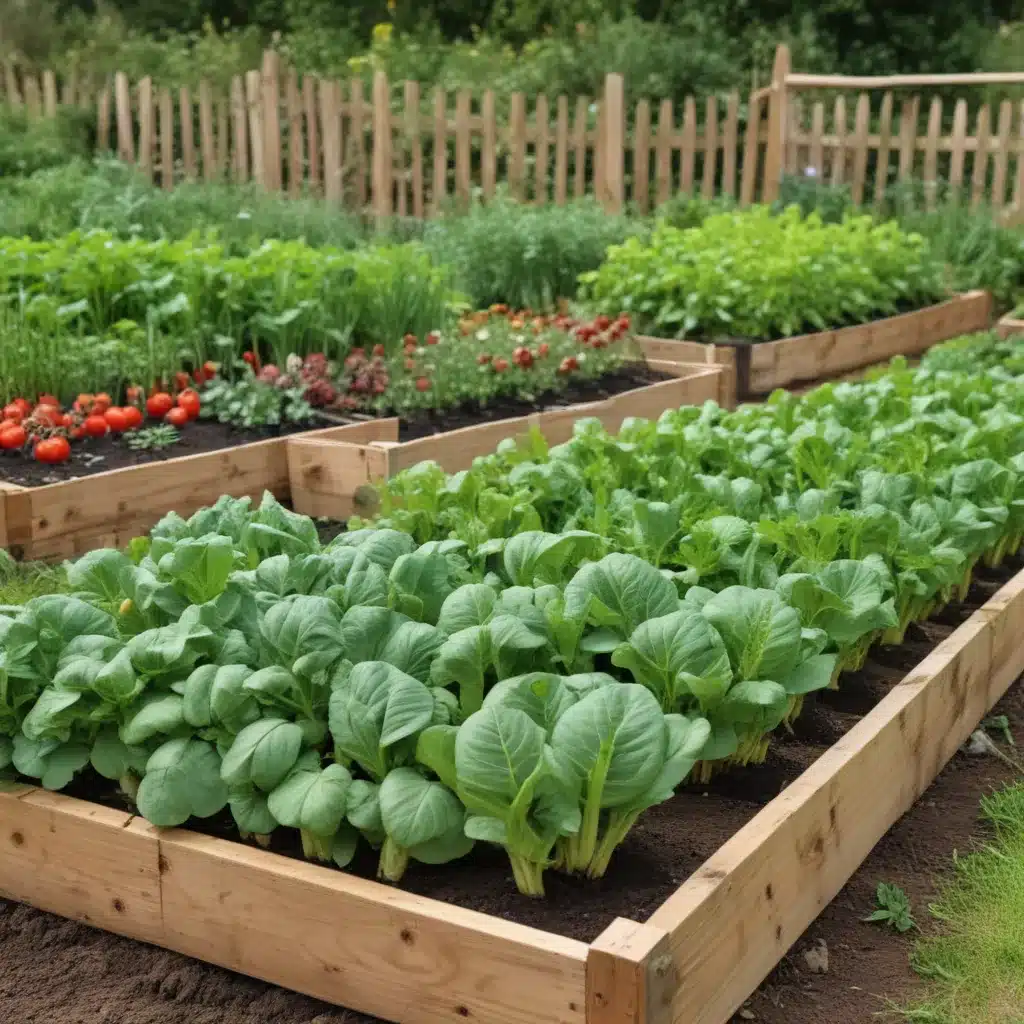
Embracing the Dirt: My Surprising Journey into Vegetable Gardening
I’ll admit it – when I first moved into my new home in Aberdeen, the idea of starting a vegetable garden seemed about as appealing as… well, picking weeds in the rain. As a self-proclaimed “indoor” person, the thought of getting my hands dirty and caring for a bunch of needy plants just didn’t excite me. But then something unexpected happened – I discovered the joys of growing my own food, and let me tell you, it’s been a total game-changer.
You see, it all started when my neighbor, Mrs. Wilkins, came over with a big basket of homegrown tomatoes and peppers. “Try these!” she insisted, her eyes twinkling. “They’re the best you’ll ever taste.” Hesitantly, I popped one of the cherry tomatoes in my mouth, and… wow. It was like an explosion of flavor, far superior to anything I’d ever bought from the supermarket.
That’s when the wheels started turning. If Mrs. Wilkins could grow such delicious produce right in her own backyard, why couldn’t I? And so, with a mix of excitement and trepidation, I decided to take the plunge and start my own vegetable garden. Little did I know, this decision would lead me down a path of discovery, connection, and some seriously tasty rewards.
In the pages that follow, I’ll share my beginner’s journey into the world of vegetable gardening – the challenges, the triumphs, and the unexpected joys that come with growing your own food. Whether you’re a seasoned green thumb or someone who’s never so much as watered a houseplant, my hope is that this guide will inspire you to get your hands dirty and reap the incredible benefits of homegrown produce.
Laying the Groundwork: Choosing the Right Spot and Preparing the Soil
As any good gardener will tell you, the foundation of a thriving vegetable garden begins with the soil. And let me tell you, when I first started digging around in my backyard, I had no idea what I was getting myself into. The soil was compacted, full of rocks, and seemed more suitable for growing weeds than the lush, productive garden of my dreams.
But I was determined, so I rolled up my sleeves and got to work. I started by assessing the site, looking for an area that received at least 6 hours of direct sunlight per day – a non-negotiable for most veggies. Once I’d settled on the perfect spot, I began the arduous task of amending the soil.
Now, I know what you’re thinking – “Amending the soil? That sounds like a lot of work!” And you’re absolutely right. But trust me, it’s a crucial step that will pay off in spades down the line. I spent weeks mixing in organic matter like compost, peat moss, and well-rotted manure, working the soil to a beautiful, crumbly texture.
The results were nothing short of amazing. As I started planting my seedlings and seeds, I could already see the difference in the way the plants were thriving. The leaves were a deep, vibrant green, and the roots seemed to be drinking up the nutrient-rich soil. It was like I’d unlocked the secret to vegetable gardening success!
Of course, preparing the soil is an ongoing process, and I’m still learning new techniques to keep it healthy and vibrant. But let me tell you, taking the time to get that foundation right has been a game-changer. And the best part? I get to enjoy the fruits (or should I say, veggies?) of my labor in the form of the most delicious, nutritious produce imaginable.
Picking Your Plants: Choosing the Right Varieties for Your Climate and Goals
Now that you’ve got your soil prepped and ready to go, it’s time for the fun part – deciding what to grow! This, my friends, is where the real adventure begins. You see, when it comes to vegetable gardening, the options are endless. From juicy tomatoes to crisp carrots, leafy greens to nutrient-packed root veggies, the world of homegrown produce is your oyster.
But here’s the thing – not all plants are created equal, and what thrives in one climate might struggle in another. That’s why it’s so important to do your research and choose varieties that are well-suited to your local growing conditions. Lucky for you, I’ve done the legwork and can share some of my top picks for the Aberdeen area.
For starters, let’s talk about those juicy tomatoes. Now, I know what you’re thinking – “Tomatoes? In Aberdeen? Surely that’s not possible!” But let me tell you, with the right variety and a little extra care, you can absolutely grow delicious, homegrown tomatoes, even in our sometimes-fickle Scottish climate. My personal favorites are the “Sungold” cherry tomatoes and the “Gardener’s Delight” variety – they’re early-ripening, disease-resistant, and absolutely bursting with flavor.
Another crowd-pleaser in my garden has been the humble zucchini. These prolific plants thrive in our cool, damp summers and provide a steady supply of crisp, versatile veggies. I like to grow a mix of green and yellow varieties, and I’ve even experimented with some of the smaller, bush-type zucchinis that are perfect for container gardening.
And let’s not forget about those nutrient-packed leafy greens! Kale, spinach, and Swiss chard are all wonderfully cold-hardy and do exceptionally well in our neck of the woods. I like to sow these crops successively throughout the season to ensure a constant supply of fresh, homegrown goodness.
Of course, these are just a few of my favorite picks – the possibilities are truly endless when it comes to vegetable gardening. The key is to experiment, try new things, and have fun with it. After all, the best part of growing your own food is discovering what works best for you and your unique growing conditions.
Sowing the Seeds: Tips and Tricks for Successful Planting
Alright, now that you’ve got your soil prepped and you’ve chosen the perfect plants for your garden, it’s time to get those seeds in the ground (or those seedlings in the dirt, as the case may be). And let me tell you, this is where the real magic happens.
There’s something incredibly satisfying about watching those tiny seeds sprout and transform into lush, productive plants. It’s like witnessing a tiny miracle unfold right before your eyes. But don’t let the simplicity of it all fool you – there’s a bit of an art to successful seed sowing and transplanting.
First and foremost, pay close attention to the planting instructions on your seed packets or seedling tags. Different vegetables have different depth and spacing requirements, and ignoring these guidelines can lead to all sorts of problems down the line. For example, planting your seeds too deep can prevent them from germinating, while spacing them too closely can result in overcrowding and stunted growth.
Another crucial factor to consider is timing. Some veggies, like peas and radishes, thrive in the cool, early spring, while others, like tomatoes and peppers, need the warm summer temperatures to really shine. Doing a bit of research on the preferred growing seasons for your chosen crops will help you time your plantings just right.
And let’s not forget about the all-important hardening off process for seedlings. Before transplanting those tender young plants into your garden, you’ll want to gradually expose them to the outdoor elements over the course of a week or two. This helps them acclimate to the harsher conditions and reduces the risk of transplant shock.
Of course, even with all the planning and preparation in the world, sometimes things don’t go quite as expected. That’s why it’s important to be adaptable and willing to experiment. Don’t be afraid to try new techniques, or to tweak your approach based on the unique conditions in your garden.
And let me tell you, the payoff is so worth it. Seeing those first juicy tomatoes or crisp carrots come to fruition is a feeling that simply can’t be replicated. It’s a tangible reminder of the incredible power of nature and the joy that can come from getting your hands a little bit dirty.
Caring for Your Crops: Watering, Weeding, and Pest Management
Alright, so you’ve got your vegetable garden all planted and raring to go. Now comes the real work – keeping those precious plants healthy and happy throughout the growing season. And let me tell you, it’s a bit like raising a bunch of needy toddlers.
First and foremost, let’s talk about watering. Now, I know what you’re thinking – “How hard can it be to water a garden?” But trust me, there’s a bit more to it than just spraying everything with a hose. You see, different plants have different water needs, and over- or under-watering can lead to all sorts of problems.
As a general rule, aim to give your veggies about 1-2 inches of water per week, either through natural rainfall or supplemental irrigation. But pay close attention to the soil – if it’s starting to look dry and crumbly, it’s time to break out the watering can. And be sure to water in the morning or evening, when the sun’s rays aren’t quite as intense and the water has a chance to soak in before evaporating.
Speaking of the sun, let’s talk about another garden nemesis – weeds. These pesky little interlopers are always trying to muscle in on your vegetable garden’s territory, and if you let them, they can quickly overtake your precious crops. That’s why it’s so important to stay on top of weeding, either by hand or with the help of a trusty hoe.
Now, I know what you’re thinking – “Weeding? Really?” Yep, really. But trust me, it’s a necessary evil if you want to keep your garden thriving. And the good news is, the more consistently you weed, the easier it becomes. Plus, you get to enjoy the satisfying feeling of pulling those unwanted plants out by the roots.
And let’s not forget about those pesky pests! From aphids to cabbage worms, there’s no shortage of critters that would love to munch on your hard-earned veggies. But fear not, there are plenty of natural, eco-friendly ways to keep them at bay.
One of my favorites is to encourage beneficial insects like ladybugs and lacewings, which prey on many common garden pests. You can do this by planting flowers and herbs that attract these helpful bugs, or by introducing them directly into your garden. And if you do spot any unwanted visitors, a quick blast of insecticidal soap or a sprinkle of diatomaceous earth can often do the trick.
Of course, the key to successful pest management is staying vigilant and addressing issues as they arise. But trust me, it’s all worth it when you get to enjoy the fruits (or veggies) of your labor – crisp, juicy, and free from any unwanted guests.
Reaping the Rewards: Harvesting, Preserving, and Savoring Your Homegrown Bounty
Alright, folks, we’ve made it to the best part – the harvest! After all those months of planning, planting, and tending to your vegetable garden, the time has finally come to reap the delicious rewards.
And let me tell you, there’s nothing quite like the feeling of plucking a ripe tomato or a crisp, juicy cucumber straight from the vine. It’s a sensory experience that simply can’t be replicated by anything you’ll find in the supermarket. The vibrant colors, the fresh aromas, and the satisfying crunch – it’s enough to make your mouth water just thinking about it.
But the fun doesn’t stop there. Once you’ve gathered your homegrown bounty, the real adventure begins. Will you whip up a simple salad, savor the veggies as a side dish, or perhaps try your hand at some creative new recipes? The possibilities are endless!
And let’s not forget about preserving your harvest for the off-season. After all, you’ve put in all this hard work, so you’ll want to make sure you can enjoy the fruits (or veggies) of your labor long after the growing season has come to an end.
Canning, freezing, and drying are all fantastic ways to extend the life of your homegrown produce. And the best part? You get to enjoy that fresh-from-the-garden flavor all year round. Just imagine the look on your friends’ and family’s faces when you serve them a hearty winter stew made with your own homegrown carrots and potatoes, or a vibrant summer salsa featuring your very own tomatoes and peppers.
Of course, the true joy of vegetable gardening isn’t just in the end result – it’s in the process itself. The satisfaction of watching those tiny seeds sprout and transform into lush, productive plants, the meditative calm that comes with weeding and watering, the excitement of discovering a new ripe crop each day – it’s all part of the magic.
And let’s not forget the incredible health benefits of eating fresh, homegrown produce. When you grow your own veggies, you know exactly what’s gone into them, and you can rest assured that they’re packed with all the vitamins, minerals, and nutrients your body craves.
So, my friends, if you’re on the fence about starting your own vegetable garden, I urge you to take the plunge. Trust me, the rewards far outweigh the initial effort. And who knows – you might just discover a newfound passion for getting your hands a little bit dirty.
The Joys of Community Gardening: Connecting with Others and Sharing the Harvest
As I’ve delved deeper into the world of vegetable gardening, I’ve come to realize that it’s not just about the plants and the produce – it’s about the community that grows up around it. And let me tell you, some of my most cherished memories have come from connecting with fellow gardeners, swapping tips and stories, and sharing the bounty of our collective harvests.
You see, there’s something truly special about the camaraderie that develops when a group of people come together to nurture the land and grow their own food. It’s a shared experience that transcends age, background, and even language barriers. We’re all united by a common purpose – to coax the most delicious and nutritious vegetables from the soil, and to savor the fruits (or veggies) of our labor.
One of my favorite ways to engage with this community is through our local community garden. It’s a vibrant, lush oasis in the heart of Aberdeen, where gardeners of all skill levels come together to cultivate their own plots and share their knowledge. It’s here that I’ve made some of my closest friends, and where I’ve learned more about the art of vegetable gardening than I ever could have on my own.
Whether it’s swapping heirloom tomato seedlings, comparing notes on the best ways to combat aphids, or simply enjoying a communal harvest celebration, the community garden has become a hub of activity, connection, and learning. And the best part? The benefits extend far beyond just the garden itself.
You see, when we work together to grow our own food, we’re not just nourishing our bodies – we’re nourishing our souls, our communities, and our planet. By reducing our reliance on industrial agriculture and embracing the joy of homegrown produce, we’re contributing to a more sustainable, more equitable, and more connected world.
And let’s not forget about the mental and emotional benefits, either. There’s something deeply calming and restorative about getting your hands in the soil, about watching those tiny seeds sprout and transform. It’s a form of meditation, a way to disconnect from the stresses of daily life and reconnect with the natural rhythms of the earth.
So, if you’re feeling inspired to start your own vegetable garden, I’d encourage you to explore the possibility of joining a community gardening initiative. Not only will you learn a ton and grow some delicious food, but you’ll also have the opportunity to forge meaningful connections with like-minded individuals who share your passion for homegrown goodness.
And who knows – you might just discover a whole new world of joy, fulfillment, and community that you never even knew existed. It’s a journey that’s changed my life in ways I never could have imagined, and I can’t wait to see where it takes you.
Conclusion: Embracing the Joys of Homegrown Produce
As I reflect on my journey into the world of vegetable gardening, I can’t help but marvel at how much it’s transformed my life. What started as a tentative foray into the unknown has blossomed into a true passion, one that has enriched my life in countless ways.
From the simple pleasure of plucking a ripe tomato straight from the vine, to the sense of accomplishment that comes with harvesting a bountiful crop, to the joy of connecting with fellow gardeners and sharing the fruits of our labor – it’s all been an incredible, life-affirming experience.
And the best part? The benefits extend far beyond just the garden itself. By embracing the joys of homegrown produce, I’ve not only nourished my body with fresh, nutrient-rich foods, but I’ve also nourished my mind, my soul, and my sense of community. It’s a holistic approach to wellness that has truly changed the way I view the world.
So, if you’re on the fence about starting your own vegetable garden, I urge you to take the plunge. Trust me, the rewards far outweigh the initial effort. Whether you have a sprawling backyard or a tiny patio, there are endless possibilities for growing your own food and reaping the incredible benefits.
And who knows – you might just discover a newfound passion, a deeper connection to the natural world, and a community of like-minded individuals who


