
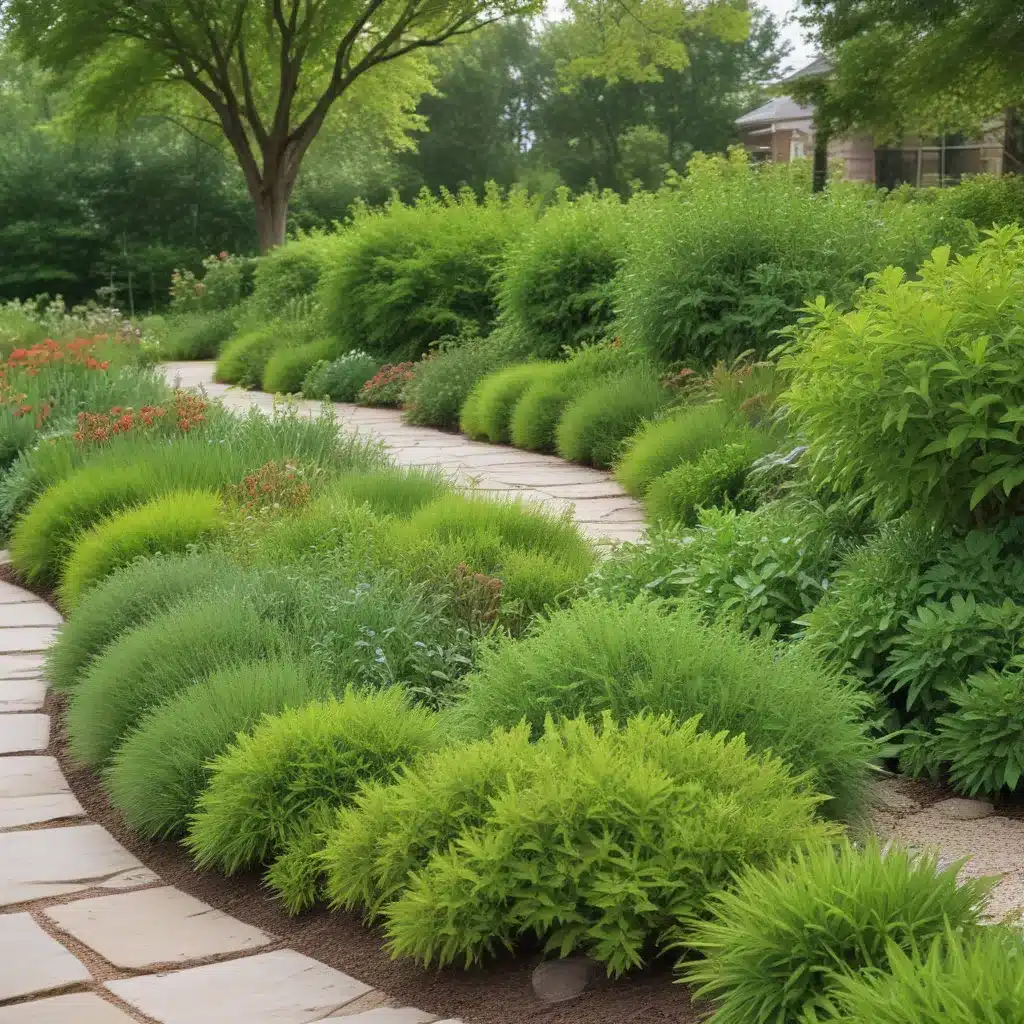
Unlocking the Beauty of Sustainable Landscaping
As the founder of ABC Home, a leading building and renovation company in Aberdeen, UK, I’ve had the privilege of helping countless clients transform their outdoor spaces into true sanctuaries. But in recent years, I’ve noticed a growing desire among our clients to not just beautify their landscapes, but to do so in a way that’s gentle on the environment. And that’s where the concept of “eco-friendly landscapes” comes into play.
You see, I believe that our homes and gardens should be a reflection of our values – and for many of us, those values increasingly include a deep respect for the natural world. We want our outdoor spaces to not only look stunning, but to also contribute to the health of our planet. And that’s where sustainable landscaping comes in.
So, what exactly is sustainable landscaping, and how can you incorporate it into your own outdoor oasis? Let me take you on a journey of discovery, where we’ll explore the fascinating world of eco-friendly landscapes and uncover some truly inspiring ideas that you can bring to life in your own backyard.
Embracing Nature’s Palette: The Beauty of Native Plants
One of the cornerstones of sustainable landscaping is the use of native plants. These are the species that have naturally evolved to thrive in your local climate and soil conditions, and they offer a range of benefits that go far beyond their visual appeal.
For starters, native plants require far less water and maintenance than their exotic counterparts. They’re perfectly adapted to the local environment, which means they can survive and even flourish with minimal human intervention. This not only saves you time and money, but it also reduces your carbon footprint by eliminating the need for energy-intensive irrigation and frequent mowing.
But the benefits of native plants go even deeper. These species are the foundation of local ecosystems, providing crucial food and shelter for native wildlife – from pollinating insects to migrating birds. By incorporating native plants into your landscape, you’re not just creating a beautiful oasis, but you’re also supporting the delicate balance of nature that’s so essential to the health of our planet.
Just imagine the joy of watching a vibrant butterfly garden come to life, or the thrill of spotting a hummingbird hovering among the fragrant blooms of your native perennials. These are the kinds of experiences that make sustainable landscaping so truly rewarding.
Of course, choosing the right native plants for your specific climate and design goals can be a bit of a challenge. That’s where working with a experienced landscaper can be so valuable. They can help you navigate the vast array of options, ensuring that you end up with a stunning, eco-friendly outdoor space that’s tailored to your unique needs and preferences.
Embracing the Power of Permaculture
As I’ve been exploring the world of sustainable landscaping, I’ve become increasingly fascinated by the principles of permaculture. At its core, permaculture is a holistic design philosophy that aims to create self-sustaining, regenerative systems that mimic the patterns and relationships found in natural ecosystems.
Now, I know what you might be thinking: “Permaculture? Isn’t that just for hardcore eco-warriors and off-the-grid hippies?” But the truth is, the principles of permaculture can be applied to any outdoor space, no matter its size or location. And the results can be truly remarkable.
One of the key tenets of permaculture is the concept of “stacking functions” – that is, creating elements in your landscape that serve multiple purposes. For example, you might plant a fruit tree that not only provides delicious produce, but also offers shade, creates a habitat for beneficial insects, and helps to prevent soil erosion.
Another important principle of permaculture is the idea of “closing the loop” – minimizing waste and maximizing the efficient use of resources. This could involve things like setting up a composting system to nourish your soil, or installing a rainwater harvesting system to reduce your reliance on municipal water supplies.
But perhaps the most compelling aspect of permaculture is the way it encourages us to work in harmony with nature, rather than against it. By observing the natural patterns and cycles of the local ecosystem, we can design landscapes that are not only beautiful, but also highly resilient and self-sustaining.
I’ve seen this firsthand in the work we’ve done with some of our clients at ABC Home. One particular project that stands out in my mind is the transformation of a once-neglected urban lot into a thriving permaculture oasis. The homeowners worked closely with our team to incorporate a diverse array of plants, create dynamic guilds (clusters of complementary species), and implement a comprehensive water management system.
The result? A lush, vibrant landscape that not only provides the family with a bounty of fresh produce, but also serves as a haven for a wide variety of local wildlife. And the best part? This garden essentially takes care of itself, requiring minimal ongoing maintenance from the homeowners.
Needless to say, I’m a big believer in the power of permaculture. And I’m always excited to share this approach with our clients, knowing that it can help them create outdoor spaces that are not only stunning, but also truly sustainable.
Harnessing the Sun: The Beauty of Solar-Powered Landscapes
As we continue our exploration of eco-friendly landscaping, it’s impossible to overlook the incredible potential of solar power. After all, the sun is the ultimate renewable resource, and we’d be remiss not to harness its energy to enhance the sustainability of our outdoor spaces.
One of the most obvious ways to incorporate solar power into your landscape design is through the use of solar-powered lighting. Gone are the days of energy-guzzling outdoor lamps that require an extensive wiring system and constant access to the grid. Today, there are a wide range of sleek, modern solar-powered lights that can illuminate your pathways, highlight your favorite features, and even power small water features – all without leaving a significant carbon footprint.
But the application of solar power in sustainable landscaping goes far beyond just lighting. Imagine a backyard oasis where a solar-powered pump circulates water through a serene koi pond, or a vegetable garden that’s powered by a compact solar array, allowing you to grow your own food with minimal reliance on the grid.
And let’s not forget the versatility of solar-powered gardening tools and equipment. From robotic lawnmowers to solar-powered water pumps, there’s a wide array of eco-friendly tools that can help you maintain your landscape with ease, all while reducing your environmental impact.
Of course, integrating solar power into your outdoor space requires a bit of planning and consideration. Factors like the orientation of your property, the availability of sunlight, and the specific energy needs of your landscape features all need to be taken into account. But with the right guidance and expertise, the possibilities are truly endless.
I’ve had the privilege of working with countless clients who have embraced the power of solar in their landscape designs, and the results have been nothing short of inspiring. Imagine the pride and satisfaction of knowing that your beautiful backyard oasis is not only a feast for the senses, but also a shining example of sustainable living.
Cultivating Biodiversity: The Joy of Pollinator-Friendly Gardens
As we delve deeper into the world of eco-friendly landscaping, it’s impossible to overlook the vital role that pollinators play in the health of our planet. These unsung heroes – from bees and butterflies to hummingbirds and moths – are responsible for the pollination of countless plant species, and their decline has far-reaching consequences for the entire ecosystem.
That’s why creating pollinator-friendly gardens has become such an important aspect of sustainable landscaping. By incorporating plants that are rich in nectar and pollen, we can provide vital resources for these crucial creatures, helping to support their populations and ensure the continued health of our local ecosystems.
But the benefits of a pollinator-friendly garden go far beyond just supporting the local wildlife. These vibrant, diverse landscapes can also bring a sense of joy and wonder to our own lives, as we delight in the lively dance of butterflies, the soothing hum of bees, and the mesmerizing aerial displays of hummingbirds.
Imagine the joy of stepping outside and being surrounded by a kaleidoscope of color and movement, as your garden comes alive with the activity of thriving pollinators. It’s a sight that never fails to fill me with a sense of awe and gratitude for the incredible balance of nature.
Of course, creating a pollinator-friendly garden isn’t as simple as just planting a few flowers. It requires a deep understanding of the specific needs and preferences of the local pollinator species, as well as a commitment to maintaining a diverse and dynamic landscape.
That’s where the expertise of a skilled landscaper can be invaluable. They can help you select the right mix of native plants, incorporate strategic design elements like water sources and sheltered habitats, and even integrate pollinator-friendly features like bee hotels and butterfly houses.
And the results can be truly transformative. I’ve seen gardens that were once barren and lifeless transformed into vibrant, thriving oases that hum with the activity of countless pollinators. It’s a testament to the power of sustainable landscaping, and a reminder of the profound impact that each of us can have on the health of our local ecosystems.
Embracing the Water Cycle: The Beauty of Rainwater Harvesting
As we continue our exploration of eco-friendly landscaping, it’s impossible to overlook the critical role that water plays in the health and vitality of our outdoor spaces. After all, water is the lifeblood of any living landscape, nourishing the plants, supporting the wildlife, and ensuring the overall balance of the ecosystem.
But in an era of increasing water scarcity and climate change, it’s more important than ever to find ways to use this precious resource as efficiently and responsibly as possible. And that’s where the concept of rainwater harvesting comes into play.
Rainwater harvesting is the process of capturing and storing rainwater for later use, whether it’s for irrigation, landscape features, or even household purposes. By diverting this natural resource away from the storm drains and into your own storage system, you can reduce your reliance on municipal water supplies and minimize your environmental impact.
But the benefits of rainwater harvesting go far beyond just conservation. By incorporating these systems into your landscape design, you can also create stunning visual elements that enhance the overall aesthetic of your outdoor space. Imagine a serene reflecting pool fed by a cascading waterfall, or a lush, thriving vegetable garden that’s nourished by the gentle rhythm of the rain.
Of course, implementing a rainwater harvesting system requires a bit of planning and expertise. Factors like the size and slope of your property, the local climate, and the specific needs of your landscape all need to be carefully considered. But with the right guidance, the possibilities are truly endless.
I’ve had the privilege of working with countless clients who have embraced the power of rainwater harvesting, and the results have been nothing short of remarkable. From the creation of vibrant, self-sustaining gardens to the installation of stunning water features that captivate the senses, the integration of these systems has transformed the way we think about the role of water in our outdoor spaces.
And the best part? By harnessing the natural cycle of the rain, we’re not just creating beautiful landscapes – we’re also playing a vital role in the health of our local ecosystems, and contributing to the overall sustainability of our communities.
So, if you’re ready to take your outdoor space to the next level of eco-friendliness, I encourage you to explore the world of rainwater harvesting. It’s a powerful tool in the sustainable landscaper’s toolkit, and one that can truly transform the way you experience the great outdoors.
Conclusion: Embracing the Future of Sustainable Landscaping
As we reach the end of our journey through the world of eco-friendly landscaping, I hope that you’ve been inspired by the countless possibilities that lie before us. From the vibrant beauty of native plant gardens to the restorative power of pollinator-friendly oases, there are so many ways to create outdoor spaces that not only delight the senses, but also make a meaningful contribution to the health of our planet.
And as we look to the future, I believe that sustainable landscaping will only become more and more important. With the ever-increasing threats of climate change, habitat loss, and environmental degradation, the need for us to find creative, nature-based solutions has never been more urgent.
But the good news is that we’re not alone in this journey. All around the world, there’s a growing movement of homeowners, landscapers, and community leaders who are embracing the principles of sustainable design and finding innovative ways to bring them to life.
At ABC Home, we’re proud to be a part of this movement, working hand-in-hand with our clients to create outdoor spaces that are not only beautiful, but also truly sustainable. Whether it’s through the use of native plants, the integration of solar power, or the implementation of rainwater harvesting systems, we’re constantly pushing the boundaries of what’s possible when it comes to eco-friendly landscaping.
And the results? They speak for themselves. Lush, vibrant gardens that are alive with the activity of thriving pollinators. Serene water features that recycle precious rainfall. Vegetable patches that provide a bounty of fresh, nutrient-rich produce. These are the kinds of landscapes that not only delight the senses, but also nourish the soul.
So, if you’re ready to embark on your own sustainable landscaping journey, I encourage you to reach out to us at ABC Home. Our team of experts is standing by, ready to help you unlock the full potential of your outdoor space and create a true oasis of beauty and environmental harmony.
After all, our homes and gardens are not just physical spaces – they’re also reflections of our values and our commitment to the world around us. And by embracing the principles of sustainable landscaping, we can create outdoor environments that not only enrich our own lives, but also make a lasting positive impact on our local ecosystems and the planet as a whole.
Are you ready to go green and transform your landscape into a true eco-friendly haven? Visit our website to learn more about our services and how we can help you bring your sustainable dreams to life.


