
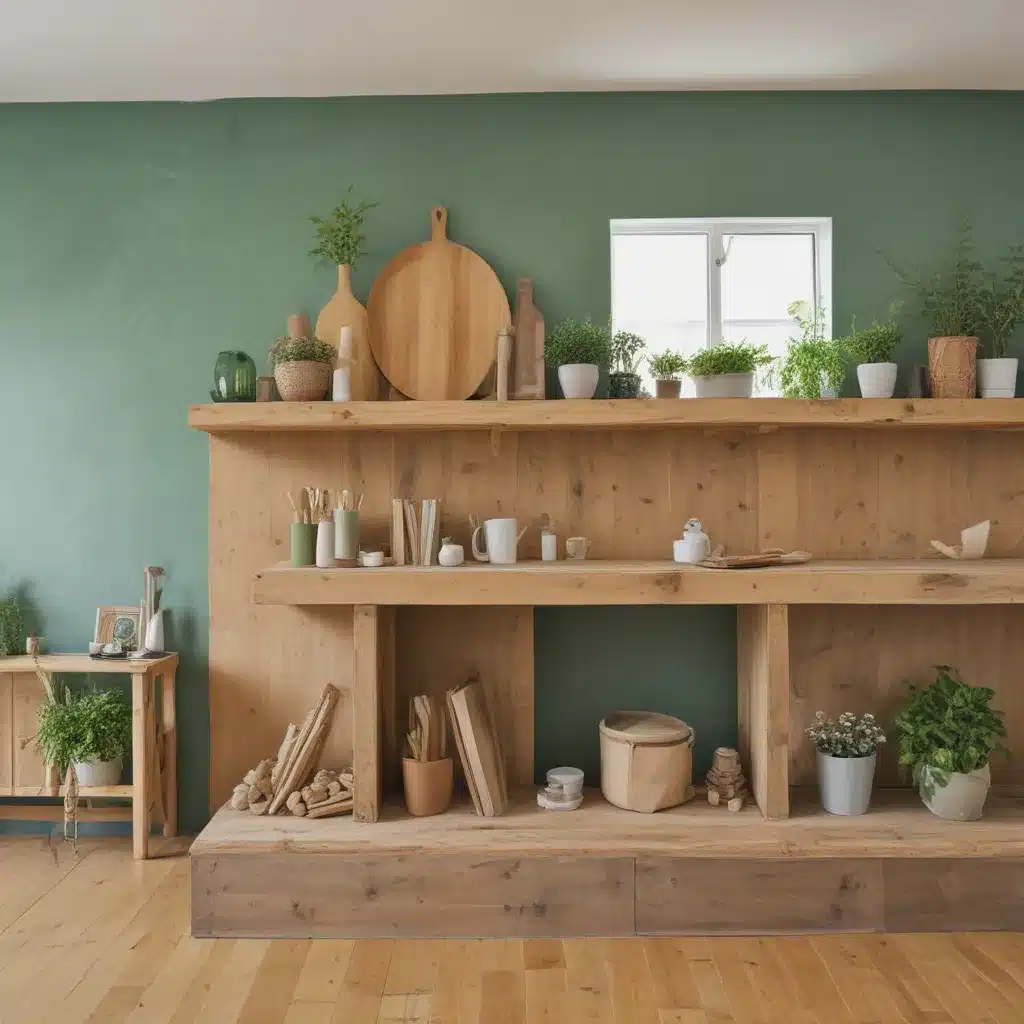
When it comes to home improvement, I’m a sucker for all things eco-friendly. Call me a tree-hugging, sustainability-obsessed, green machine – I wear those labels with pride! After all, who wouldn’t want to transform their living space into an oasis of environmental consciousness?
As a passionate advocate for sustainable living, I’ve made it my mission to infuse my home with the most innovative and earth-friendly materials on the market. And let me tell you, the options are endless! From cob to cork, bamboo to hempcrete, the world of green building is a veritable treasure trove just waiting to be explored.
Cob: The Ancient Marvel
Have you ever laid eyes on those whimsical, organic-looking homes and wondered, “What in the world are those made of?” Well, my friends, the answer is cob – a centuries-old building material that’s making a remarkable comeback. Cob is a mix of subsoil, water, and fibrous organic matter, typically straw, that creates a unique, sculptural aesthetic.
Did you know that the oldest known cob structure is over 10,000 years old? Talk about standing the test of time! Not only is cob a natural, renewable resource, but it’s also incredibly energy-efficient, requiring little to no heating. Talk about a win-win for the planet and your utility bills.
Recycled Steel: Strength and Sustainability
While cob may capture the imagination, let’s not forget about the workhorse of the construction world – steel. But wait, this isn’t your average steel; this is recycled steel, the ultimate in eco-friendly fortitude. Did you know that steel is the most recycled material in the world, surpassing plastic, paper, aluminum, and glass combined?
By incorporating recycled steel into our home-building endeavors, we’re not only tapping into a durable and long-lasting material but also significantly reducing our environmental impact. Think of it as the Superman of sustainable construction – strong, resilient, and a true champion for the planet.
Wool Insulation: Cozy and Conscious
As if cob and recycled steel weren’t impressive enough, let’s turn our attention to another eco-friendly powerhouse: sheep’s wool. That’s right, the same material that keeps us toasty in our winter sweaters can also work wonders in insulating our homes.
Wool’s incredible insulating properties come from the millions of tiny air pockets formed by its fibers, trapping heat and keeping our homes cozy. And the best part? Wool is a renewable, biodegradable resource that can be easily sourced. Talk about a sustainable solution that’s as comfortable as it is conscious.
Reclaimed Wood: The Natural Touch
Now, let’s move on to a material that’s near and dear to my heart – reclaimed or recycled wood. There’s just something so captivating about the warm, organic feel of natural wood that instantly breathes life into any space. And when we opt for reclaimed or recycled options, we’re not only adding character to our homes but also reducing our environmental footprint.
Reclaimed wood has a much lower impact than harvesting new timber, and it’s incredibly versatile, lending itself beautifully to everything from floors and beams to furniture and accents. Plus, let’s not forget the incredible sense of well-being that comes from surrounding ourselves with the natural beauty of wood. It’s a win-win for both our homes and our souls.
Cork: The Multitalented Marvel
As if cob, recycled steel, wool, and reclaimed wood weren’t impressive enough, let’s introduce another eco-friendly superstar to the mix: cork. This remarkably resilient and renewable material has been making waves in the world of sustainable construction and design, and for good reason.
Cork is not only a fantastic insulator, resistant to moisture and liquids, but it also has the unique ability to absorb vibrations, making it a prime choice for acoustic applications. And let’s not forget its environmental benefits – cork harvesting can even help in the fight against global warming. It’s the triple-threat of sustainable building materials, and I’m absolutely smitten.
Straw Bales: The Unexpected Hero
As we continue our journey through the vibrant world of eco-friendly building materials, let’s not overlook the humble yet powerful straw bale. That’s right, the same straw that farmers typically burn off after harvesting can be repurposed into a highly insulating and sustainable construction material.
Straw-bale construction is a testament to the ingenuity of the human spirit, transforming agricultural waste into a cost-effective and energy-efficient building solution. And the best part? Once these straw panels have reached the end of their long life cycle, they can be easily recycled or even composted, closing the loop on sustainability.
Bamboo: The Rapid Riser
As we delve deeper into the world of green building materials, it’s impossible to overlook the incredible versatility of bamboo. This fast-growing, renewable plant has been making waves in the construction industry, and for good reason.
Bamboo is not only 100% biodegradable and antibacterial, but it also boasts impressive strength-to-weight ratios, making it an ideal choice for a wide range of applications, from flooring to furnishings. And the best part? It can be harvested in as little as 3-5 years, making it one of the most sustainable building materials on the market.
Recycled Plastic: The Unexpected Savior
In our quest for a greener future, it’s time to tackle a material that has long been the bane of environmentalists everywhere – plastic. But wait, before you start cringing, let me introduce you to the eco-friendly wonder that is recycled plastic.
Companies are now using innovative techniques to create construction materials out of recycled plastic, resulting in a durable and robust option that’s a far cry from the wasteful plastic products of the past. And the best part? The manufacturing process for these recycled plastic materials is carbon-neutral and non-toxic, making them a true game-changer in the world of sustainable building.
The Future is Green
As I reflect on the incredible array of eco-friendly building materials at our fingertips, I can’t help but feel a sense of excitement and hope for the future. From the ancient marvels of cob and straw bales to the cutting-edge innovations of recycled steel and plastic, the possibilities for creating sustainable, low-impact homes are endless.
And let’s not forget the impact that these green building choices can have on our everyday lives. By surrounding ourselves with materials that are kind to the planet, we’re not only reducing our environmental footprint but also nurturing our own physical and mental well-being. After all, what could be more soothing than the warm embrace of natural wood or the cozy insulation of sheep’s wool?
So, my fellow eco-enthusiasts, let’s embrace the green revolution and transform our homes into havens of sustainability. Whether you’re embarking on a full-scale renovation or simply looking to make a few sustainable swaps, the ABC Home team is here to guide you every step of the way. After all, when it comes to creating a greener, more conscious living space, the only limit is your imagination.


