
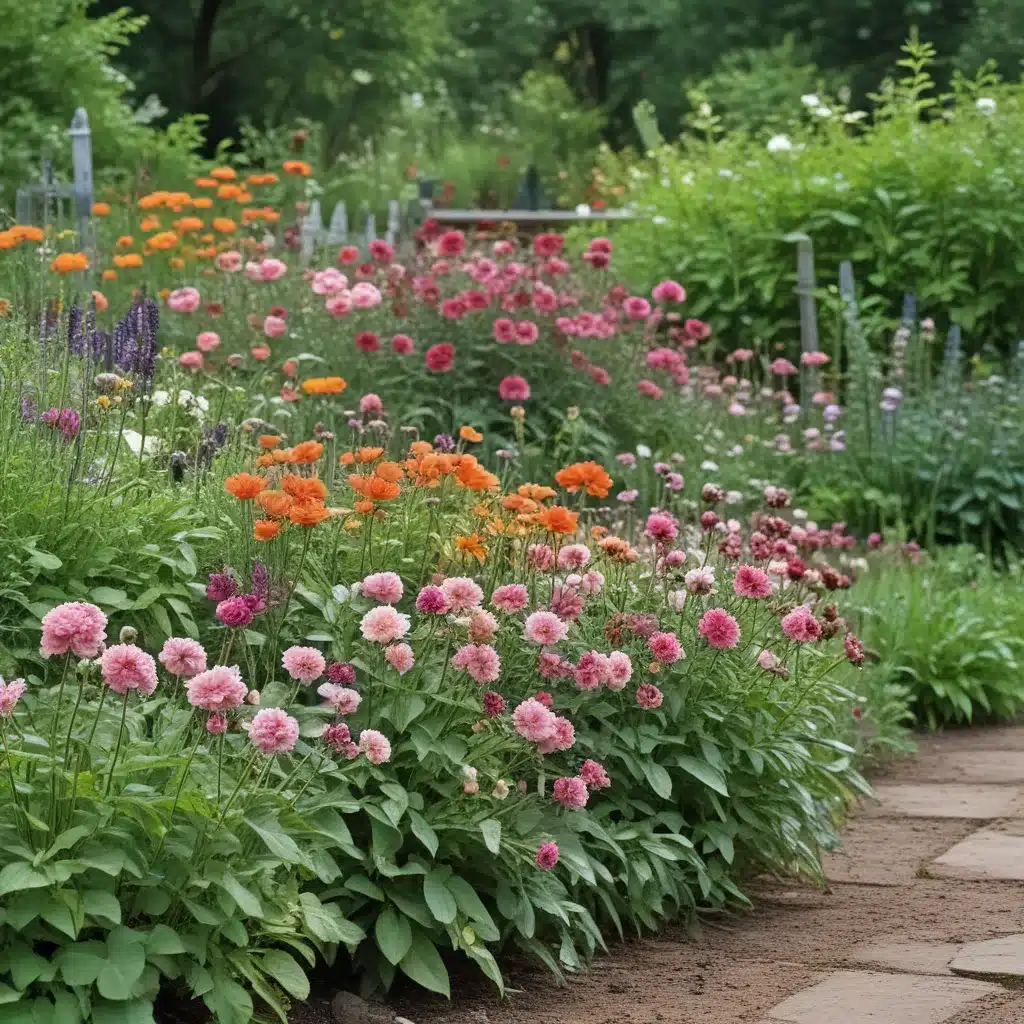
The Beauty of a Cutting Garden
Ah, the joy of a cutting garden! Imagine stepping outside your door and being greeted by a vibrant array of flowers, just waiting to be snipped and arranged into stunning bouquets. That’s the beauty of a cutting garden – it’s a personal oasis of loveliness that you can harvest and enjoy, right in your own backyard.
As the owner of ABC Home, a trusted building and renovation company in Aberdeen, UK, I’ve had the pleasure of helping many clients transform their outdoor spaces into verdant havens. And one of my favorite projects is always the cutting garden. There’s just something so satisfying about nurturing a plot of land and watching it bloom into a riot of color and fragrance.
But where do you begin? What flowers should you grow? How do you design and maintain a cutting garden that will keep you in fresh blooms all season long? In this in-depth article, I’ll share my top tips and insights to help you create your very own cutting garden oasis. Get ready to unleash your inner floral designer and bring the beauty of the garden indoors!
Choosing the Right Flowers for Your Cutting Garden
The first step in creating a cutting garden is selecting the right flowers. Now, I know what you’re thinking – how hard can it be? Just plant a few of your favorite blooms and call it a day, right? Well, not quite. To get the most out of your cutting garden, you’ll want to choose a diverse array of flowers that bloom at different times throughout the growing season.
Think about it this way – if you only planted tulips, you’d have a glorious show in the spring, but then what? Your garden would be bare for the rest of the year. By mixing in a variety of annuals, perennials, and bulbs, you can ensure a steady supply of fresh-cut flowers from early spring all the way through the fall.
So, what kinds of flowers should you consider? Well, let’s start with some classic cutting garden favorites:
- Roses: These timeless beauties come in an endless array of colors and varieties, from delicate hybrid teas to robust, old-fashioned garden roses.
- Peonies: With their lush, fluffy blooms and intoxicating fragrance, peonies are a must-have for any cutting garden.
- Dahlias: These bold, vibrant flowers come in a rainbow of hues and shapes, from dinner plate-sized blooms to dainty pompoms.
- Zinnias: Bright, cheerful, and easy to grow, zinnias are a cutting garden staple that will keep you in flowers all summer long.
- Sunflowers: What could be more joyful than a bouquet of sunny sunflowers? They’re a fantastic filler and add a touch of whimsy to any arrangement.
But don’t stop there! Consider adding in some less common cutting garden gems, like:
- Ranunculus: These delicate, ruffled flowers come in a stunning array of pastel hues.
- Anemones: With their bold centers and delicate, papery petals, anemones add a touch of drama to any bouquet.
- Sweetpeas: The sweet fragrance and delicate, butterfly-like blooms of sweetpeas are hard to resist.
- Snapdragons: These whimsical flowers come in a rainbow of colors and add height and interest to arrangements.
The key is to choose a mix of early, mid, and late-season bloomers, so you always have something fresh to cut. And don’t be afraid to experiment – the more diverse your cutting garden, the more options you’ll have to play with when it comes to arranging.
Designing Your Cutting Garden Layout
Now that you’ve got your flower selection sorted, it’s time to think about the layout of your cutting garden. This is where the fun really begins! After all, the way you arrange your flowers can have a big impact on the overall look and feel of your garden.
One of the first decisions you’ll need to make is whether to dedicate a specific plot of land to your cutting garden, or to integrate the flowers into your existing landscape. Both approaches have their merits. A dedicated cutting garden allows you to maximize your growing space and create a cohesive, intentional design. But weaving the flowers throughout your borders and beds can also be stunning, creating a more natural, meandering feel.
No matter which route you choose, there are a few key principles to keep in mind:
-
Accessibility: Make sure your cutting garden is easy to access, with clear pathways that allow you to move around freely and snip your blooms without trampling the rest of the plants.
-
Repetition: Planting the same varieties in clusters or rows can create a sense of rhythm and unity in your garden. This is especially important if you’re incorporating your cutting flowers into an existing landscape.
-
Height Variation: Mix in taller flowers like dahlias and sunflowers with shorter, mounding plants to add depth and visual interest to your design.
-
Bloom Timing: Group plants that flower at the same time together, so you can maximize your harvest during each bloom period.
-
Companion Planting: Consider incorporating herbs, vegetables, or other companion plants that can add texture, fragrance, or beneficial insect-attracting properties to your cutting garden.
And don’t forget to leave plenty of room to maneuver! You’ll want to be able to easily access your flowers without trampling the plants. A good rule of thumb is to allow for at least 18 inches between rows or clusters.
Ready to start sketching out your dream cutting garden? Grab a pencil and paper, and let your creativity shine! And remember, you can always tweak and refine your design as you go. The beauty of a cutting garden is that it’s a living, evolving canvas that you can play with and adapt over time.
Planting and Maintaining Your Cutting Garden
Alright, you’ve got your flower selection and layout all figured out – now it’s time to put those plans into action! Planting and maintaining a cutting garden may seem like a lot of work, but I promise it’s worth it. With a little bit of TLC, your garden will reward you with an endless supply of beautiful blooms.
Let’s start with the planting process. When it comes to timing, the best time to plant your cutting garden will depend on your climate and the specific flowers you’ve chosen. In general, though, you’ll want to get your annuals and tender perennials in the ground after the last frost, and start your bulbs and hardy perennials in the fall.
Once your plants are in the ground, the key to keeping them healthy and productive is consistent care. This means:
- Watering: Make sure your plants get about 1-2 inches of water per week, either from rainfall or supplemental irrigation. Aim to water in the morning or evening to minimize evaporation.
- Fertilizing: Feed your plants with a balanced, slow-release fertilizer a few times throughout the growing season to keep them nourished and flowering.
- Deadheading: Regularly removing spent blooms will encourage your plants to produce more flowers, extending your cutting garden’s productivity.
- Staking: Taller, top-heavy flowers like dahlias and peonies may need support to prevent them from flopping over.
- Weeding: Stay on top of weeding to prevent your cutting garden beauties from getting choked out.
And don’t forget about pests and diseases! Keep an eye out for common cutting garden culprits like aphids, powdery mildew, and botrytis, and address any issues promptly.
But the real key to a successful cutting garden? Patience and a willingness to experiment. Every garden is different, and it may take a season or two to figure out what works best for your particular space and climate. The important thing is to have fun with the process and enjoy the journey!
Harvesting and Arranging Your Cutting Garden Bounty
Ahh, the moment you’ve been waiting for – it’s time to start cutting those gorgeous blooms and bringing them inside to enjoy! Harvest time is truly the payoff for all your hard work, and it’s a chance to flex your creative muscles as a floral designer.
So, how do you know when to start snipping? The best time to harvest your cutting garden flowers is in the morning, when the plants are hydrated and the blooms are fresh. Aim to cut your flowers just as the petals are starting to fully open, but before they become too mature.
When it comes to the actual cutting, be sure to use clean, sharp pruners and make clean, angled cuts just above a set of healthy leaves or side shoots. This will encourage your plants to keep producing more flowers. And don’t forget to bring a bucket of water with you to the garden – you’ll want to place the stems in water as soon as possible to prevent wilting.
Now for the fun part – arranging your bounty! There are no hard and fast rules here, but a few tips to keep in mind:
- Mix and Match: Don’t be afraid to combine different flower varieties and colors. Unexpected pairings can create truly stunning arrangements.
- Play with Texture: Incorporate a variety of bloom shapes, sizes, and textures to add depth and visual interest.
- Consider the Vase: Choose a vessel that complements the style and mood of your arrangement, whether it’s a rustic mason jar or a sleek, modern vase.
- Embrace Imperfections: The beauty of cutting garden flowers is that they’re not perfectly uniform. Celebrate their unique, organic qualities.
And of course, don’t be afraid to experiment and have fun with it! Floral arranging is all about expressing your personal style and creative flair. Whether you prefer lush, romantic bouquets or more minimalist, modern designs, your cutting garden flowers are the perfect medium to let your inner artist shine.
So, go forth and snip to your heart’s content! With a little practice, you’ll be creating stunning arrangements that showcase the natural beauty of your cutting garden blooms.
Extending the Life of Your Cutting Garden Flowers
Now that you’ve admired your handiwork and placed your freshly-cut flowers in pride of place, it’s time to think about how to make them last as long as possible. After all, what’s the point of all that hard work in the garden if your bouquets only last a day or two?
Fortunately, there are a few simple tricks to help your cutting garden flowers stay vibrant and fresh for longer. First and foremost, make sure you’re properly conditioning your blooms before arranging them. This means:
-
Cutting the Stems: Use sharp, clean pruners to make a fresh, angled cut on the stems. This helps the flowers better absorb water.
-
Removing Foliage: Strip away any leaves or foliage that will fall below the water line in your vase. Decaying plant matter can quickly foul the water.
-
Soaking the Stems: Place the freshly-cut stems in a deep container of water and let them soak for at least 30 minutes. This will help rehydrate the flowers.
-
Changing the Water: Be diligent about changing the water in your vase every 2-3 days. This helps prevent bacterial growth that can shorten the flowers’ lifespan.
-
Misting the Blooms: Use a light hand mister to lightly spritz your flowers, especially delicate varieties like ranunculus and sweetpeas. This helps keep them from drying out.
Another key factor in extending the life of your cutting garden blooms? Temperature control. Ideally, you’ll want to keep your flower arrangements out of direct sunlight and away from heat sources, which can cause them to wilt and fade more quickly. A cool, shady spot in your home is best.
And if you really want to get serious about flower preservation, you can even try your hand at floral refrigeration. Yes, that’s a thing! By storing your cut flowers in a mini fridge or cooler, you can significantly extend their vase life – sometimes up to two weeks or more.
Of course, the precise techniques and tips will vary depending on the specific flowers you’re working with. But with a little experimentation and practice, you’ll be a cutting garden flower-preserving pro in no time. Your friends and family will be amazed at how long your stunning bouquets last!
Bringing the Beauty Indoors: Decorating with Cutting Garden Flowers
Now that you’ve mastered the art of growing, harvesting, and preserving your cutting garden flowers, it’s time to put them to good use! After all, what’s the point of all that hard work if you can’t enjoy the blooms inside your home?
One of the best things about cutting garden flowers is their incredible versatility. Whether you prefer modern, minimalist arrangements or lush, romantic bouquets, these beauties can be used to elevate any space. Let’s explore some of the ways you can bring the beauty of your cutting garden indoors:
Tabletop Centerpieces: A simple arrangement of flowers in a low, wide vase can make a stunning centerpiece for your dining table or coffee table. Mix and match blooms for a visually interesting display.
Mantel or Entryway Décor: Flank your fireplace mantel or entryway table with bud vases or small bouquets for a welcoming, nature-inspired touch.
Bedside Bouquets: Place a small, delicate arrangement on your nightstand for a touch of serenity and beauty as you drift off to sleep.
Hanging Flower Installations: Get creative by suspending flowers from the ceiling or arranging them in a vertical installation on the wall. This is a great way to showcase your cutting garden’s bounty.
Utilitarian Displays: Don’t be afraid to get practical! Cut flowers can be beautifully incorporated into kitchen displays, like a vase of herbs on the windowsill or a bouquet next to your utensil crock.
And the best part? You can change up your displays with the seasons, using the latest blooms from your cutting garden. Imagine the joy of stepping outside and hand-picking the perfect flowers to complement your home’s décor!
Of course, the options are truly endless when it comes to decorating with your cutting garden flowers. The key is to have fun and let your personal style shine through. After all, these blooms are a reflection of your hard work and creativity. Embrace them, enjoy them, and let them bring beauty and joy to every corner of your home.
Closing Thoughts: The Rewards of a Cutting Garden
As I reflect on the joys of having a cutting garden, I’m struck by just how rewarding the experience can be. It’s so much more than just a plot of land filled with flowers – it’s a living, breathing oasis that nourishes the senses and the soul.
The process of planning, planting, and tending to a cutting garden is truly a labor of love. But the payoff is immense. Imagine the thrill of stepping outside and hand-picking the perfect blooms to create a stunning floral arrangement. Or the sense of pride you’ll feel when friends and family oooh and ahh over the beauty of your homegrown bouquets.
And let’s not forget the therapeutic benefits of working in the garden. There’s something deeply soothing about getting your hands dirty, communing with nature, and watching your vision come to life. It’s a wonderful way to unwind, reconnect with the earth, and tap into your creative side.
Of course, as the owner of a building and renovation company in Aberdeen, UK, I know that not everyone has the space or resources to dedicate to a full-fledged cutting garden. But don’t let that discourage you! Even a small patch of land or a few containers on your patio can yield a bounty of cutting flowers. The key is to start small, experiment, and have fun with it.
So, what are you waiting for? It’s time to grab your gardening gloves and get to work on your very own cutting garden oasis. Trust me, the rewards will be well worth the effort. Before you know it, you’ll be snipping and arranging your way to floral bliss, bringing the beauty of the garden into your home all season long.
And if you need any help tackling a backyard renovation or landscaping project to make room for your cutting garden dreams, don’t hesitate to reach out to our team at ABC Home. We’d be more than happy to lend a hand and help turn your vision into reality. Happy gardening!


