
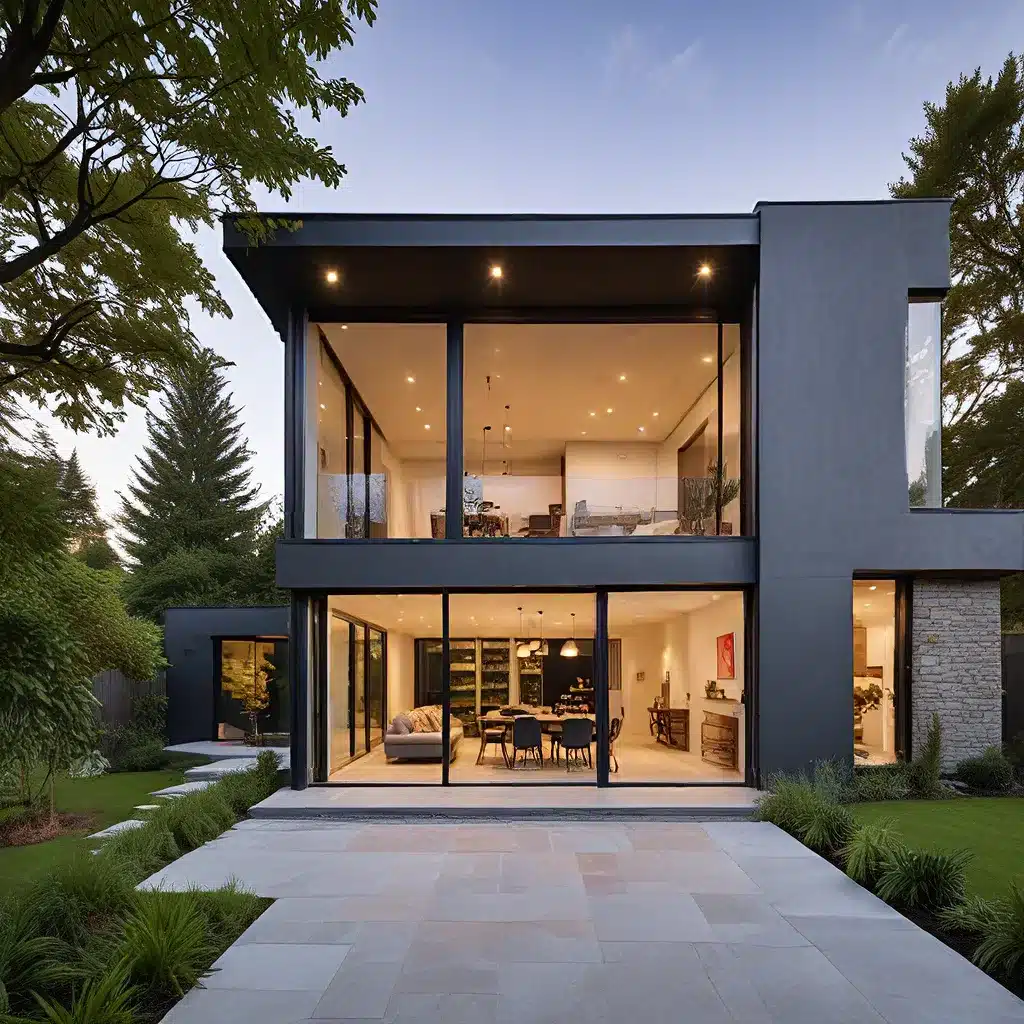
As a homeowner, the thought of expanding your living space can be both exciting and daunting. After all, how do you ensure your new addition seamlessly integrates with the existing architecture, creating a cohesive and visually appealing aesthetic? This is the challenge I faced when considering a home extension for my own abode in Aberdeen, UK.
The Partnership Principle
One key lesson I’ve learned from my research is the importance of partnership between homeowners, architects, and contractors. A recent school expansion project in Montreal serves as a prime example. The architects worked closely with the school administration and construction team to ensure the new addition seamlessly blended with the existing building. By aligning on the design principles and functional requirements, they were able to create a harmonious composition that respected the original architecture while meeting the expanded needs of the school.
Applying this partnership approach to a home extension project is crucial. It’s not just about creating a functional additional space; it’s about preserving the character and charm of your home. That’s why I decided to work closely with the team at ABC Home in Aberdeen. Their extensive experience in home extensions and renovations assured me that they understood the importance of maintaining a harmonious aesthetic.
Volumetric Considerations
When it comes to home extensions, one of the key design elements is the volumetric composition. As I learned from the Montreal school project, the architects carefully sculpted the new addition to complement the existing building. By incorporating similar proportions, materials, and architectural features, they were able to create a cohesive visual harmony.
For my own home, I wanted to ensure that the extension didn’t overwhelm the original structure. The team at ABC Home worked with me to design a volume that respected the scale and massing of the existing house. We carefully considered factors like roof lines, window placement, and façade treatments to ensure a seamless integration.
Functional Connections
But a successful home extension is not just about the aesthetics; it’s also about functional connectivity. The Montreal school project demonstrated how the new addition created a central hub that linked the old and new parts of the building. This “connective tissue” is crucial in a home extension, ensuring the new space feels like a natural extension of the existing living areas.
For my home, the team at ABC Home focused on creating smooth transitions between the original structure and the new addition. This involved thoughtful placement of doorways, hallways, and circulation paths to facilitate easy movement throughout the entire home. The result is a space that feels cohesive and intuitive, rather than disjointed or disconnected.
Material Harmony
Another important consideration in blending home extensions with existing architecture is the choice of materials. As seen in the Montreal school project, the architects opted for a similar brick façade to maintain a consistent aesthetic. This approach can be equally effective for a residential extension.
For my home, the team at ABC Home recommended using materials that complemented the existing brick and stucco finishes. We explored options like stone, wood, and metal accents to create a harmonious visual language. The goal was to avoid a stark contrast that would make the addition feel like a separate entity, and instead achieve a seamless integration.
Embracing Transparency and Color
While maintaining material harmony is crucial, the Montreal school project also highlighted the value of strategic use of transparency and color. On the courtyard side of the addition, the architects incorporated more glass and vibrant hues to offer a personalized character that respected the initial pavilion-style architecture.
For my home, the team at ABC Home suggested similar design choices. By incorporating larger windows and pops of color, we were able to create a sense of openness and visual interest that enhanced the existing structure. The result is a home extension that feels like a natural extension of the original building, rather than a distinct add-on.
Lessons Learned
Throughout this process, I’ve learned several valuable lessons that I believe can benefit other homeowners considering an extension project:
- Prioritize Partnership: Work closely with your architect, builder, and other stakeholders to ensure a collaborative, aligned approach.
- Balance Volumes: Design the extension to respect the scale and massing of the existing home, avoiding an overpowering or disruptive addition.
- Facilitate Connectivity: Create smooth transitions and intuitive flow between the original structure and the new addition.
- Harmonize Materials: Choose materials that complement the existing architecture, creating a cohesive visual language.
- Embrace Transparency and Color: Strategically incorporate glass and vibrant hues to add personality and visual interest.
By following these principles, I’ve been able to transform my home with a seamless, harmonious extension that feels like a natural evolution of the original design. And I’m thrilled to say that the team at ABC Home has played a pivotal role in making this dream a reality.
So, if you’re considering a home extension project, I encourage you to approach it with the same dedication to partnership, design, and functional integration. With the right team and a commitment to harmonious expansions, you can unlock the full potential of your living space while preserving the charm and character of your beloved home.


