
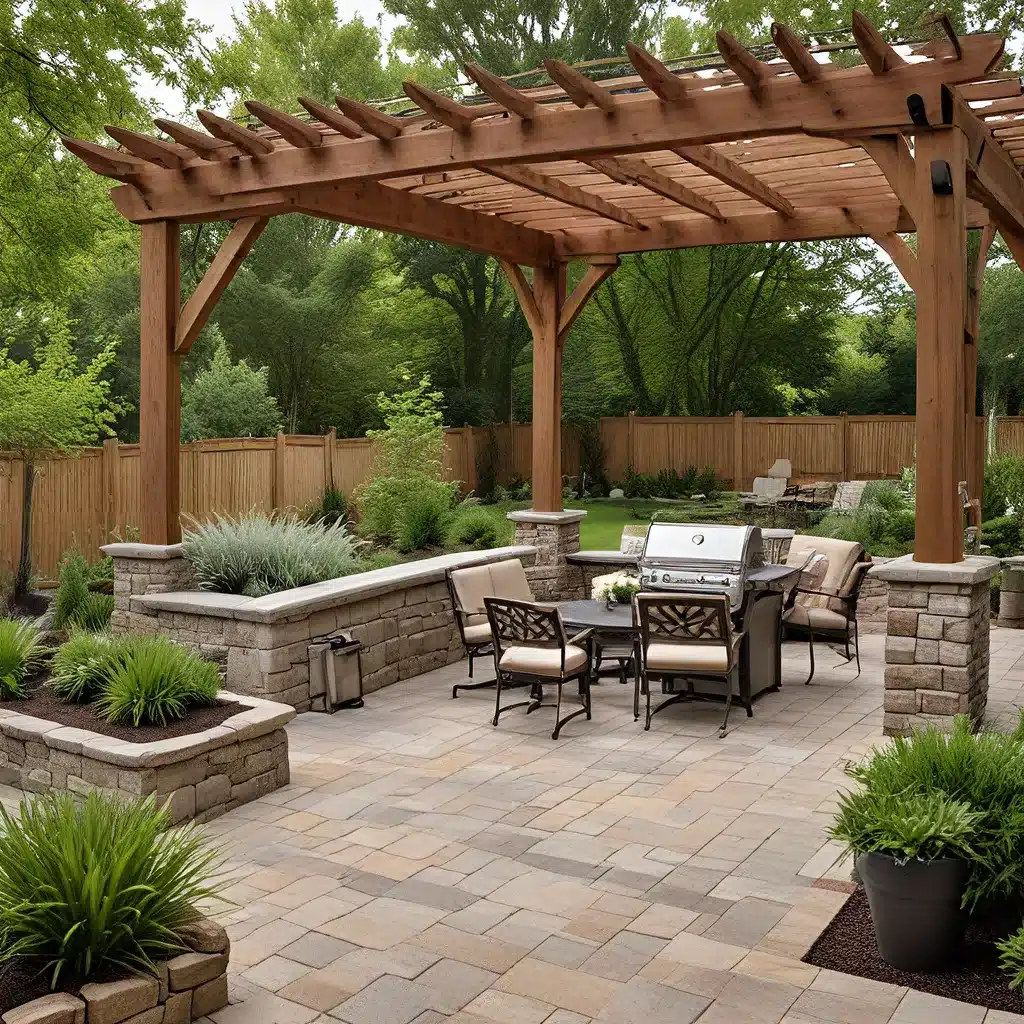
As a passionate homeowner, I’ve always been fascinated by the interplay between architecture and landscaping. The way these two elements come together can truly elevate the beauty and functionality of our outdoor living spaces. And let me tell you, I’ve had my fair share of trials and tribulations when it comes to achieving that perfect harmony.
Embracing Architectural Cues
When it comes to creating a cohesive outdoor living area, the first step is to take a close look at the architectural style of your home. Is it a sleek, contemporary masterpiece or a cozy, traditional abode? The architecture should serve as your guiding light, informing the design choices you make for your landscaping and outdoor furnishings.
For instance, if you have a modern home with clean lines and minimalist features, you’ll want to steer clear of ornate, Victorian-inspired garden sets. Instead, opt for sleek, low-profile patio furniture that echoes the architectural elegance of your dwelling. Think smooth surfaces, muted color palettes, and geometric shapes that seamlessly blend the indoor and outdoor spaces.
On the other hand, if your home has a more classic, stately presence, you might find that rustic, farmhouse-inspired furniture and lush, English-style gardens complement the aesthetic beautifully. The key is to create a visual continuity that makes the transition from your home’s exterior to the great outdoors feel effortless and intentional.
At ABC Home, our team of experts can help you identify the architectural features of your property and translate them into a stunning outdoor living space. We understand that the right balance of form and function is essential for creating a space that truly reflects your personal style and enhances the overall appeal of your home.
Blending Materials and Textures
Once you’ve established the architectural foundation, it’s time to delve into the world of materials and textures. These elements play a crucial role in tying your indoor and outdoor spaces together, creating a seamless visual flow.
Think about the materials used in your home’s construction – is it predominantly brick, stone, or wood? Incorporating similar materials, or at least complementary ones, into your landscaping and outdoor furnishings can work wonders. For example, if your home features natural stone accents, consider using the same type of stone for your patio pavers or firepit surround.
But it’s not just about matching the materials; it’s also about creating a harmonious blend of textures. Smooth, polished surfaces can be balanced by rough-hewn, natural elements, like a sleek metal bench paired with a weathered wooden planter. This interplay of textures adds depth, interest, and a sense of cohesion to your outdoor oasis.
Defining Outdoor Zones
Another key aspect of harmonizing landscaping and architecture is the strategic placement and integration of various outdoor elements. By defining distinct zones within your outdoor space, you can create a sense of order and functionality that enhances the overall aesthetic.
Think about the different activities you envision taking place in your backyard – perhaps a cozy dining area, a lush garden for relaxation, and a poolside retreat. Structurally, you can use elements like pergolas, arbors, and trellises to delineate these zones, while also adding architectural interest and visual appeal.
The pool, in particular, can serve as a stunning focal point that ties the entire outdoor space together. By aligning the pool’s shape and design with the architectural style of your home, you can create a seamless transition between the indoor and outdoor realms. Extend the materials and color palette from your home’s exterior to the pool’s coping and surrounding hardscaping, and you’ve got a recipe for a truly harmonious and visually striking outdoor oasis.
Embracing the Senses
But it’s not just about the visual appeal; creating a truly immersive outdoor experience requires engaging all the senses. This is where the power of lighting, water features, and lush greenery come into play.
Strategically placed path lights, spotlights, and underwater lighting can transform your backyard into a magical, after-dark retreat. The gentle glow of lanterns or the flickering dance of a fire pit can add warmth and ambiance, while also highlighting architectural features and creating a cozy, inviting atmosphere.
Water features, such as cascading waterfalls or serene reflecting pools, can introduce a soothing, sensory element to your outdoor space. The sound of running water not only adds to the overall ambiance but can also help mask unwanted noise, creating a peaceful, tranquil environment.
And let’s not forget the power of greenery. Thoughtfully placed plants, trees, and shrubs can soften the hard lines of architecture, add pops of color, and create a harmonious blend between the built and natural environments. From lush, cascading vines to sculptural hedges, the right landscaping choices can elevate the overall cohesion of your outdoor living space.
Embracing the Unexpected
While it’s important to maintain a cohesive design, don’t be afraid to mix things up and introduce a few unexpected elements. A whimsical piece of outdoor art, a bold accent color, or a playful water feature can add a touch of personality and surprise to your landscape, keeping it from feeling too sterile or one-dimensional.
The key is to strike a balance between the architectural cues and your own unique style preferences. After all, your outdoor space should be a reflection of your personal aesthetic and the way you and your family enjoy spending time in the great outdoors.
Bringing It All Together
Achieving harmony between landscaping and architecture is an art form, but it’s one that can truly transform your outdoor living experience. By embracing the architectural language of your home, carefully curating materials and textures, defining functional zones, and engaging the senses, you can create an outdoor space that feels like a natural extension of your indoor living areas.
And the best part? The process of discovering and refining your outdoor oasis is just as rewarding as the final result. So, let’s get out there and start experimenting – who knows what hidden gems we might uncover along the way?


