
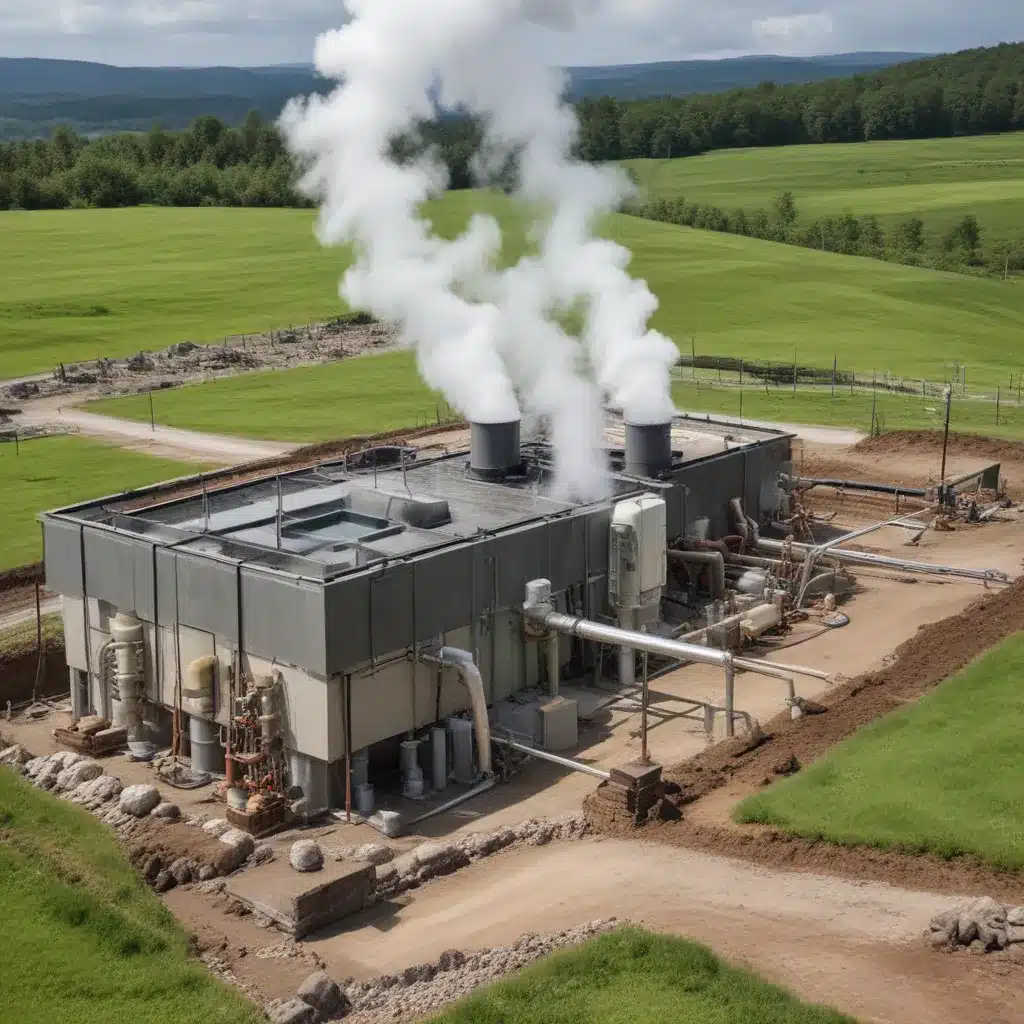
Unlocking the Potential of Geothermal Power in Aberdeen and Beyond
As the UK continues its pursuit of sustainable energy solutions, the spotlight has turned to the untapped potential of geothermal power. In Aberdeen and across the nation, homeowners, builders, and policymakers are exploring innovative ways to harness the Earth’s natural heat for eco-friendly heating and energy generation.
Geothermal energy, derived from the constant thermal energy stored within the Earth’s crust and mantle, offers a renewable and reliable source of power that aligns with the UK’s ambitious climate targets. Unlike fossil fuels, geothermal systems do not release harmful greenhouse gas emissions, making them a compelling choice for homeowners and developers seeking to reduce their carbon footprint.
The key to unlocking the full benefits of geothermal technology lies in understanding the regulatory landscape, cost-effective implementation strategies, and the latest advancements in sustainable building practices. This comprehensive guide will delve into these crucial aspects, equipping you with the knowledge and insights needed to make informed decisions about incorporating geothermal solutions into your construction or home improvement projects in the UK.
Navigating the UK’s Regulatory Framework for Geothermal Systems
In the UK, the installation and operation of geothermal systems are subject to a robust regulatory framework designed to ensure safety, environmental protection, and compliance with building standards. It’s essential for homeowners, contractors, and developers to familiarize themselves with the relevant laws and guidelines to successfully integrate geothermal technologies into their projects.
Geothermal Heat Pumps and the Building Regulations
The use of geothermal heat pumps for heating and cooling buildings is governed by the Building Regulations 2010 in England and Wales, as well as the Building (Scotland) Regulations 2004 and the Building Regulations (Northern Ireland) 2012. These regulations set out specific requirements for the design, installation, and performance of geothermal heat pump systems, including:
- Thermal Efficiency: Geothermal heat pumps must meet minimum energy efficiency standards to ensure optimal heat transfer and minimize energy consumption.
- Ventilation: Proper ventilation systems must be in place to maintain indoor air quality and comply with health and safety regulations.
- Electrical Safety: Geothermal systems must be wired and grounded in accordance with electrical safety standards to prevent hazards.
- Refrigerant Usage: The type and quantity of refrigerants used in geothermal heat pumps are regulated to minimize environmental impact.
Compliance with these regulations is essential not only for the safety and performance of the geothermal system but also to ensure that the property meets the necessary energy efficiency standards and is eligible for any relevant energy efficiency incentives or grants.
Planning Permission and Environmental Considerations
In addition to the Building Regulations, the installation of geothermal systems may also require planning permission, depending on the scale and location of the project. The Town and Country Planning (General Permitted Development) (England) Order 2015 and its equivalents in Scotland, Wales, and Northern Ireland outline the circumstances under which planning permission may be required, such as for large-scale ground-source heat pump systems or projects in protected or sensitive areas.
Environmental impact assessments and permits may also be necessary, particularly for projects that involve drilling or excavation work. Factors such as groundwater protection, geological surveys, and the potential impact on wildlife and habitats must be considered and addressed to comply with environmental regulations like the Environmental Permitting (England and Wales) Regulations 2016.
By familiarizing themselves with the relevant building, planning, and environmental regulations, homeowners, contractors, and developers can ensure that their geothermal projects are executed in a legally compliant and environmentally responsible manner.
Evaluating the Costs of Geothermal Systems in the UK
One of the primary considerations when integrating geothermal technologies into building projects is the associated costs. While the initial investment may be higher compared to traditional heating and cooling systems, the long-term energy savings and environmental benefits can make geothermal a compelling choice.
Upfront Costs and Installation
The upfront costs of a geothermal system in the UK can range from £15,000 to £35,000, depending on the size of the property, the complexity of the installation, and the specific technologies employed. These costs typically include the purchase and installation of the heat pump, the ground loop or borehole, and any necessary modifications to the building’s heating and cooling infrastructure.
It’s important to note that the installation process for geothermal systems can be more involved and may require specialized contractors, which can contribute to the higher initial investment. However, homeowners and developers may be eligible for various government incentives and grants to offset these upfront costs, such as the Renewable Heat Incentive (RHI) or the Green Homes Grant scheme.
Ongoing Operational Costs
Once installed, geothermal systems offer significant long-term cost savings compared to traditional heating and cooling methods. The operational costs of a geothermal system are typically lower, as they rely on the Earth’s natural heat rather than burning fossil fuels or using electricity for heating and cooling.
Studies have shown that homeowners in the UK can expect to save between £500 and £1,500 per year on their energy bills by switching to a geothermal heat pump system. These savings can accumulate over the lifetime of the system, which can range from 20 to 50 years, depending on proper maintenance and care.
Additionally, geothermal systems can also increase the property’s value, making them an attractive investment for homeowners and developers alike.
Comparing Geothermal to Other Heating and Cooling Options
To provide a more comprehensive cost analysis, consider the following table, which compares the average upfront and ongoing costs of geothermal systems to other common heating and cooling options in the UK:
| System Type | Upfront Cost (GBP) | Annual Operational Cost (GBP) |
|---|---|---|
| Geothermal Heat Pump | £15,000 – £35,000 | £500 – £1,500 |
| Air-Source Heat Pump | £8,000 – £18,000 | £800 – £2,000 |
| Gas Boiler | £3,000 – £5,000 | £800 – £1,500 |
| Oil Boiler | £4,000 – £6,000 | £900 – £1,800 |
| Electric Heating | £2,000 – £4,000 | £1,000 – £2,500 |
While the upfront costs of geothermal systems may be higher, the long-term energy savings and environmental benefits can make them a worthwhile investment, especially when considering the availability of government incentives and the potential increase in property value.
Sustainable Building Practices for Geothermal Integration
As the construction industry continues to evolve towards more eco-friendly and energy-efficient practices, the integration of geothermal technologies has become an increasingly important aspect of sustainable building design. By incorporating geothermal solutions alongside other sustainable building techniques, developers and homeowners in the UK can create greener, more energy-efficient properties that align with the nation’s environmental goals.
Optimizing Building Envelopes for Geothermal Efficiency
The design and construction of the building envelope, which includes the walls, roof, and insulation, play a crucial role in the overall efficiency of a geothermal system. Highly insulated and air-tight building envelopes can significantly reduce the heating and cooling load, allowing the geothermal system to operate more efficiently and effectively.
Strategies such as using high-performance insulation materials, optimizing window and door placement, and incorporating passive solar design principles can all contribute to enhancing the building’s thermal performance and maximizing the benefits of the geothermal system.
Integrating Geothermal with Other Renewable Technologies
To further optimize the sustainability of a building, geothermal systems can be integrated with other renewable energy technologies, such as solar photovoltaic (PV) panels or wind turbines. This synergistic approach can create a more resilient and self-sufficient energy system, reducing the building’s reliance on the national grid and minimizing its carbon footprint.
For example, excess electricity generated by solar PV panels can be used to power the geothermal heat pump, or the geothermal system can be designed to provide both heating and cooling, maximizing its efficiency and utilization.
Utilizing Thermal Energy Storage
Another innovative strategy for enhancing the efficiency of geothermal systems is the incorporation of thermal energy storage (TES) technologies. TES systems allow the excess thermal energy generated by the geothermal system to be stored and used when needed, smoothing out fluctuations in demand and improving the overall energy management of the building.
Underground thermal energy storage (UTES) systems, for example, can store heat in the ground during warmer months and release it during the colder seasons, reducing the strain on the geothermal heat pump and further optimizing the system’s performance.
Embracing Sustainable Materials and Construction Practices
In addition to the energy-efficiency aspects, the construction of geothermal systems should also consider the use of sustainable materials and construction practices. This includes the selection of environmentally-friendly materials for the ground loop or borehole, the use of low-carbon construction methods, and the minimization of waste and resource consumption during the installation process.
By integrating these sustainable building practices, developers and homeowners in the UK can create high-performance, low-carbon properties that fully harness the potential of geothermal energy and contribute to the nation’s climate goals.
Conclusion
As the UK continues its pursuit of sustainable energy solutions, the integration of geothermal technologies into building projects has become increasingly crucial. This comprehensive guide has explored the regulatory framework, cost considerations, and sustainable building practices that are essential for successfully incorporating geothermal systems into construction and home improvement projects in the UK.
By understanding the regulatory requirements, evaluating the long-term cost benefits, and embracing sustainable building strategies, homeowners, developers, and contractors can unlock the full potential of geothermal energy and contribute to the nation’s green energy transition. As the technology continues to evolve and the regulatory landscape adapts, staying informed and proactive will be key to maximizing the impact of geothermal solutions in the UK’s built environment.
To learn more about the latest advancements in geothermal technologies and sustainable building practices, we encourage you to visit https://abc-home.co.uk/, a leading resource for building professionals and homeowners in the UK. Together, we can pave the way for a more sustainable and energy-efficient future, one geothermal project at a time.


