
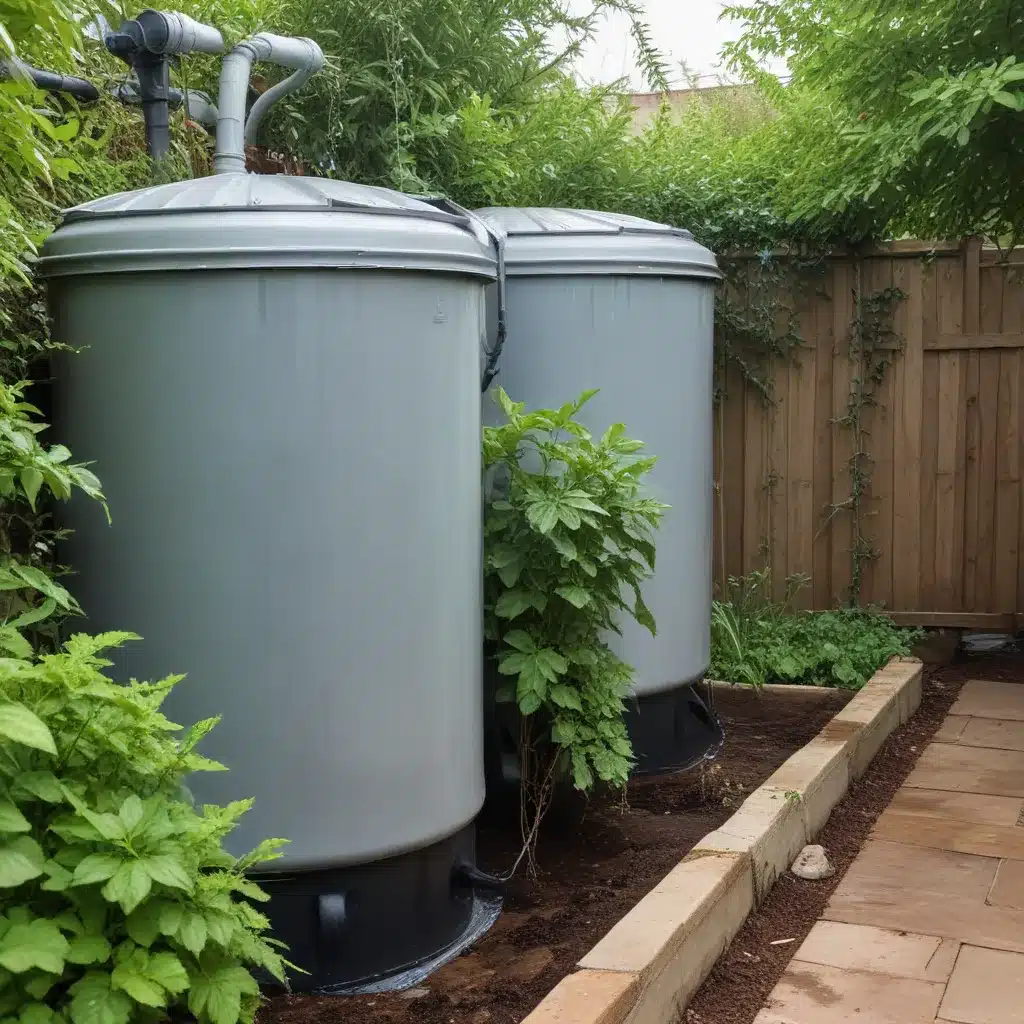
The Benefits of Rainwater Harvesting
Rainwater harvesting is an increasingly popular practice in the UK, offering a range of benefits for homeowners, gardeners, and the environment. By capturing and storing rainwater, individuals can reduce their reliance on treated municipal water supplies, leading to significant cost savings on utility bills. This is particularly important in the UK, where water rates have steadily risen in recent years, making sustainable water management a priority for many households.
One of the primary advantages of using harvested rainwater for gardening is the positive impact on plant health and soil quality. Rainwater is naturally soft, free from the chlorine, fluoride, and other additives found in treated tap water. This purity makes it an ideal choice for watering plants, as it avoids the potential negative effects of chemical compounds on delicate root systems and soil microorganisms. The balanced pH and lack of dissolved minerals in rainwater also help to maintain the optimal nutrient balance in the soil, supporting vibrant plant growth and overall garden health.
Beyond the benefits to your garden, rainwater harvesting also contributes to the sustainability of your local community and the environment as a whole. By reducing the demand on municipal water supplies, this practice helps to alleviate the strain on natural water sources, such as rivers and aquifers. This, in turn, promotes the preservation of these vital ecosystems and the diverse range of flora and fauna that depend on them. Rainwater harvesting also has a lower environmental impact compared to the energy-intensive processes involved in treating and distributing treated water, making it a more eco-friendly choice.
Regulatory Considerations for Rainwater Harvesting in the UK
When implementing a rainwater harvesting system in the UK, it is essential to be aware of and comply with the relevant building regulations and local guidelines. The UK’s Building Regulations 2010 include specific requirements for the use of harvested rainwater, particularly in relation to non-potable water uses, such as toilet flushing and garden irrigation.
Under the Building Regulations, any rainwater harvesting system must be designed and installed to prevent the risk of contamination or backflow into the potable water supply. This typically involves the inclusion of appropriate filtration, disinfection, and backflow prevention devices. Additionally, the system must be clearly labeled to distinguish the harvested rainwater from the mains water supply, ensuring that it is only used for its intended non-potable purposes.
Local authorities in the UK may also have specific planning or building control requirements related to rainwater harvesting systems. Homeowners and contractors should consult with their local council to ensure that their proposed system meets all necessary legal and technical standards. This may include obtaining necessary permits, adhering to specific design guidelines, and complying with any restrictions on the placement or size of the storage tanks or other components.
Designing an Effective Rainwater Harvesting System
When designing a rainwater harvesting system for your UK home or garden, there are several key factors to consider to ensure maximum efficiency and compliance with regulations.
The first step is to assess the water requirements of your garden or property. This involves estimating the amount of rainfall your location typically receives, as well as the anticipated water usage for irrigation, toilet flushing, and any other non-potable applications. By carefully calculating your water needs, you can determine the appropriate size and capacity of the rainwater storage system.
The selection of the rainwater collection surface is also crucial. Roofs are generally the most effective and commonly used collection points, as they provide a large, relatively clean catchment area. When choosing a roof material, it is important to consider factors such as the roof pitch, surface area, and the potential for debris accumulation, as these can impact the quality and volume of the harvested rainwater.
Once the collection surface has been identified, the next step is to install guttering and downspouts to channel the rainwater into the storage system. These components should be designed to minimize the introduction of debris and leaves, which can clog the system and negatively affect water quality. Incorporating first-flush diverters or leaf guards can help to ensure that the initial runoff, which may contain higher levels of contaminants, is diverted away from the storage tank.
The storage tank itself is a critical component of the rainwater harvesting system. These tanks can be installed above or below ground, depending on the available space and the desired aesthetics. When selecting a tank, it is essential to consider factors such as the material, size, and any additional features, such as overflow mechanisms and access points for maintenance.
To ensure the safe and effective distribution of the harvested rainwater, the system should include a reliable delivery method. This may involve the use of pumps, pipes, and valves to direct the water to the desired locations, such as garden taps, irrigation systems, or toilet cisterns. Appropriate filtration and, in some cases, disinfection, may also be necessary to maintain water quality and comply with regulations.
Throughout the design process, it is crucial to consult with local authorities and qualified professionals to ensure that the rainwater harvesting system meets all relevant building regulations and safety standards. This collaboration can help to identify any potential issues or legal requirements specific to your location, and ensure that the system is installed and operated in a safe and compliant manner.
Cost Considerations for Rainwater Harvesting Systems
The cost of installing a rainwater harvesting system in the UK can vary significantly, depending on the scale and complexity of the project. However, it is important to consider the long-term financial benefits of this investment, as well as the potential impacts on your water bills and the environment.
For a basic above-ground rainwater barrel system, the initial costs can range from £50 to £500, depending on the size and features of the tank. These systems are relatively simple to install and can provide a convenient way to capture and store rainwater for use in your garden.
More advanced, whole-house rainwater harvesting systems can cost significantly more, with prices typically ranging from £3,000 to £8,000 for a fully installed system. These systems often include larger underground storage tanks, pumps, and additional filtration and disinfection components to ensure the water is suitable for non-potable uses throughout the property.
It is important to note that the actual cost of a rainwater harvesting system will depend on a variety of factors, including the size of your property, the complexity of the installation, and any local planning or building control requirements. Additionally, some homeowners may be eligible for government grants or subsidies to offset the initial investment, further improving the cost-effectiveness of the project.
While the upfront costs of a rainwater harvesting system may be higher than relying solely on mains water, the long-term savings on utility bills can make it a worthwhile investment. Additionally, the environmental benefits of reduced water consumption and the positive impact on your garden’s health and productivity can provide further justification for the investment.
Maintaining and Optimizing Your Rainwater Harvesting System
Proper maintenance and optimization of your rainwater harvesting system are essential to ensure its long-term performance and compliance with UK regulations. Regular inspections, cleaning, and routine checks can help to identify and address any issues before they become more significant problems.
One of the key maintenance tasks is to regularly clean the collection surfaces, such as the roof and gutters, to remove any accumulated debris or contaminants. This helps to prevent the introduction of unwanted materials into the storage tank, which can degrade water quality and lead to the buildup of sediment or the growth of algae.
The storage tank itself should also be inspected and cleaned on a periodic basis, typically once a year. This may involve draining the tank, removing any accumulated sludge or debris, and disinfecting the interior surfaces to maintain water purity. It is also important to check for any cracks, leaks, or other structural issues that could compromise the integrity of the tank.
In addition to physical maintenance, it is essential to monitor the performance of the rainwater harvesting system and make any necessary adjustments to optimize its efficiency. This may involve calibrating the water level sensors, ensuring the proper functioning of the pumps and valves, and verifying that the filtration and disinfection systems are operating as intended.
By staying vigilant and proactive with the maintenance and optimization of your rainwater harvesting system, you can ensure its long-term reliability, compliance with UK regulations, and continued benefits to your garden and the environment. Investing time and resources into the upkeep of your system can help to maximize its return on investment and contribute to a more sustainable future.
Integrating Rainwater Harvesting into Your Garden Design
When designing or renovating your garden, integrating rainwater harvesting systems can be a highly effective way to create a more sustainable and self-sufficient outdoor space. By strategically incorporating rainwater collection and storage features into your landscape, you can ensure a reliable water source for your plants, reduce your reliance on mains water, and contribute to the overall environmental well-being of your local community.
One approach to integrating rainwater harvesting into your garden design is to incorporate it into the overall drainage and water management system. This may involve the use of swales, berms, and other landscape features that help to slow down and direct the flow of rainwater, allowing it to be captured and stored for later use. These techniques not only enhance the visual appeal of your garden but also help to mitigate the risk of flooding and erosion.
Another option is to integrate rainwater harvesting systems directly into the built elements of your garden, such as garden sheds, greenhouses, or other structures. By incorporating gutters and downspouts into the design, you can efficiently channel rainwater into storage tanks or cisterns, making it readily available for irrigation and other non-potable uses. This can be a particularly effective solution in urban or smaller-scale gardens where space is at a premium.
For larger gardens or properties, the integration of ponds, lakes, or other water features can provide an opportunity to capture and store significant volumes of rainwater. These features not only serve as decorative elements but also function as natural reservoirs, helping to recharge groundwater supplies and support local wildlife. When designing these water features, it is essential to consider the potential for contamination and comply with any relevant regulations governing the use and management of non-potable water sources.
Regardless of the specific approach, the key to successful integration of rainwater harvesting into your garden design is to take a holistic and strategic view of your landscape. By considering the flow of water, the placement of collection and storage systems, and the overall functionality of your outdoor spaces, you can create a sustainable and resilient garden that benefits both your property and the broader environment.
Conclusion
Rainwater harvesting is a highly effective and sustainable practice that offers a range of benefits for UK homeowners, gardeners, and the environment. By capturing and storing rainwater, individuals can reduce their reliance on treated municipal water supplies, leading to significant cost savings and contributing to the preservation of natural water resources.
To ensure the safe and compliant implementation of a rainwater harvesting system, it is essential to be aware of and adhere to the relevant UK building regulations and local guidelines. This includes incorporating appropriate filtration, disinfection, and backflow prevention measures, as well as obtaining any necessary permits or approvals from local authorities.
When designing and installing a rainwater harvesting system, a range of factors must be considered, such as the water requirements of your garden, the selection of the collection surface, and the choice of storage tank and distribution methods. By working with qualified professionals and prioritizing compliance, homeowners can create a reliable and efficient system that meets their needs and contributes to the sustainability of their local community.
Ultimately, the integration of rainwater harvesting into your garden design can be a highly effective way to create a more self-sufficient and environmentally-conscious outdoor space. By incorporating rainwater collection and storage features into your landscape, you can not only save money on water bills but also promote the health of your plants, support local ecosystems, and contribute to a more sustainable future.


