
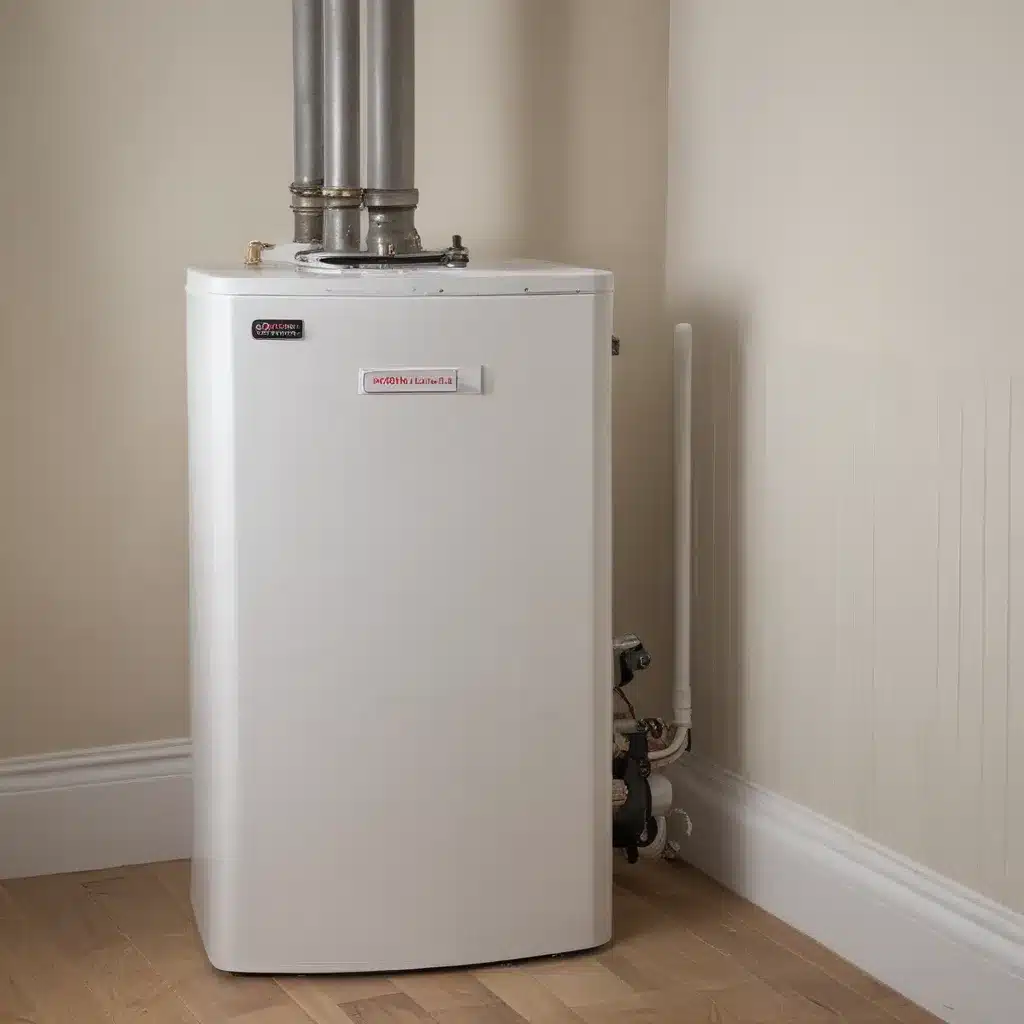
The Great Heating Debate: Oil vs. Gas
Ah, the eternal question that has homeowners across Aberdeen pondering and poring over their options – should I go with an oil or gas boiler? As the owner of ABC Home, a trusted building and renovation company in the heart of this charming city, I’ve seen my fair share of homeowners grapple with this dilemma.
Let me tell you, it’s not an easy decision. Both oil and gas boilers have their pros and cons, and the right choice really depends on your unique home and heating needs. But fear not, my friends, for I’m here to guide you through this heating maze and help you make an informed decision that’ll keep your toes toasty and your energy bills under control.
Understanding Oil Boilers
So, let’s start with the trusty oil boiler. These bad boys have been keeping homes warm for decades, and for good reason. They’re a reliable, durable option that can handle the chilly Aberdeen climate with ease. But what exactly sets oil boilers apart?
Well, for starters, they’re typically more affordable upfront compared to their gas-powered counterparts. This can be a major draw for homeowners on a tighter budget. Plus, oil boilers tend to have a longer lifespan, often lasting 15-20 years with proper maintenance. That’s a lot of toasty winters, my friends.
Now, I know what you’re thinking – “But wait, what about the fuel costs?” It’s a valid concern, and one that can be a bit of a double-edged sword. While the initial investment in an oil boiler may be lower, the ongoing fuel costs can be higher than natural gas. However, let’s not forget that oil prices can fluctuate, so the long-term cost comparison isn’t always straightforward.
One of the other potential downsides of oil boilers is the need for a storage tank, which can take up valuable space in your home. And let’s not forget the environmental impact – oil boilers tend to have a higher carbon footprint than their gas-powered counterparts.
But hey, it’s not all doom and gloom. Oil boilers are renowned for their robust, reliable performance, and they can be a great option for homes without access to the natural gas grid. And let’s not forget the convenience factor – no need to worry about a gas line installation!
Exploring Gas Boilers
Alright, now let’s shift our attention to the other side of the heating spectrum – gas boilers. These babies have been steadily gaining popularity in recent years, and for good reason.
One of the biggest advantages of gas boilers is their lower fuel costs. Natural gas is generally more affordable than heating oil, which can translate to significant savings on your monthly energy bills. And with the growing emphasis on sustainability, gas boilers are often seen as the more eco-friendly option, with lower emissions than their oil-powered counterparts.
But it’s not all rainbows and sunshine when it comes to gas boilers. For starters, the upfront installation costs can be higher, as you’ll need to factor in the costs of connecting your home to the natural gas grid. And let’s not forget the potential safety concerns – gas boilers do require proper ventilation and maintenance to ensure they’re operating safely.
Another potential downside is the shorter lifespan of gas boilers, which typically range from 10-15 years, compared to the longer-lasting oil boilers. But hey, with proper care and attention, you can squeeze a few extra years out of them.
Now, I know what you’re thinking – “But what about the reliability?” It’s a valid concern, and one that’s often top of mind for homeowners. The good news is that modern gas boilers are incredibly reliable, with advanced safety features and efficient performance. And let’s not forget the added convenience of not having to worry about storing fuel.
Comparing the Costs
Alright, now that we’ve covered the basics of oil and gas boilers, let’s dive into the nitty-gritty of the costs. After all, this is likely one of the biggest factors in your decision-making process.
Let’s start with the upfront costs. As I mentioned earlier, oil boilers tend to have a lower initial investment, with prices typically ranging from £2,000 to £4,000 for a standard model. Gas boilers, on the other hand, can cost anywhere from £3,000 to £5,000, factoring in the cost of the boiler itself and the necessary gas line installation.
But the story doesn’t end there, my friends. The ongoing fuel costs are where things can get a bit tricky. While gas is generally more affordable than heating oil, the actual price can fluctuate quite a bit, depending on the global market and other factors. And don’t forget to factor in the cost of servicing and maintenance for both types of boilers – it’s an essential part of keeping your system running smoothly.
To give you a better idea of the potential long-term costs, let’s take a look at a quick comparison:
| Cost Comparison | Oil Boiler | Gas Boiler |
|---|---|---|
| Upfront Cost | £2,000 – £4,000 | £3,000 – £5,000 |
| Fuel Cost (annual) | £1,200 – £1,800 | £800 – £1,200 |
| Maintenance Cost (annual) | £200 – £400 | £100 – £300 |
| Lifespan | 15-20 years | 10-15 years |
Now, I know what you’re thinking – “But what about the environmental impact?” It’s a fair question, and one that’s becoming increasingly important for homeowners across Aberdeen. As I mentioned earlier, gas boilers generally have a lower carbon footprint than oil boilers, thanks to their lower emissions. But it’s not just about the boiler itself – the source of your fuel can also play a big role.
The Environmental Factor
Ah, the environmental impact – it’s a topic that’s been weighing heavily on the minds of homeowners and policymakers alike. And rightfully so, as the fight against climate change has never been more pressing.
When it comes to the environmental credentials of oil and gas boilers, the scales seem to tip in favor of gas. You see, natural gas is generally considered a cleaner fuel source, with lower carbon dioxide emissions compared to heating oil. And with the growing emphasis on renewable energy sources, like biomethane, the environmental benefits of gas boilers are only set to increase.
But it’s not as simple as just comparing the emissions of the boilers themselves. There’s also the matter of the fuel supply and transportation to consider. Heating oil, for instance, often needs to be transported longer distances, which can increase the carbon footprint associated with its use.
Now, I know what you’re thinking – “But what about the environmental impact of fracking for natural gas?” It’s a valid concern, and one that’s been the subject of much debate. While the environmental impact of fracking is certainly a complex issue, many experts argue that the overall emissions associated with natural gas are still lower than those of heating oil.
And let’s not forget the potential for renewable energy sources like solar and wind to power our homes in the near future. As the energy landscape continues to evolve, the environmental advantages of gas boilers may become even more pronounced.
Making the Final Decision
Alright, my friends, we’ve covered a lot of ground – from the nitty-gritty details of oil and gas boilers to the environmental considerations. Now, it’s time to put all of this information together and help you make the best decision for your home.
As I mentioned earlier, there’s no one-size-fits-all answer when it comes to choosing between an oil or gas boiler. It really comes down to your unique needs, budget, and priorities. But let me give you a few key factors to consider:
- Upfront costs: If you’re working with a tighter budget, an oil boiler may be the more affordable option upfront.
- Ongoing fuel costs: If you’re looking to save on your monthly energy bills, a gas boiler could be the way to go.
- Environmental impact: If you’re eco-conscious and want to reduce your carbon footprint, a gas boiler may be the better choice.
- Availability of fuel sources: If you’re in an area with limited access to the natural gas grid, an oil boiler might be your best bet.
And of course, don’t forget to factor in the lifespan and maintenance requirements of each option. After all, you want to make a decision that’ll keep your home toasty and your wallet happy for years to come.
Now, I know this decision isn’t an easy one, but I’m here to help. If you’re still feeling a bit unsure, why not give us a call at ABC Home? Our team of experts would be more than happy to come take a look at your home, assess your heating needs, and help you weigh the pros and cons of oil and gas boilers. Together, we’ll find the perfect solution to keep you cozy and comfortable, no matter how chilly Aberdeen gets.
So, what are you waiting for? Let’s get that heating system sorted and keep those toes toasty all year round!


