
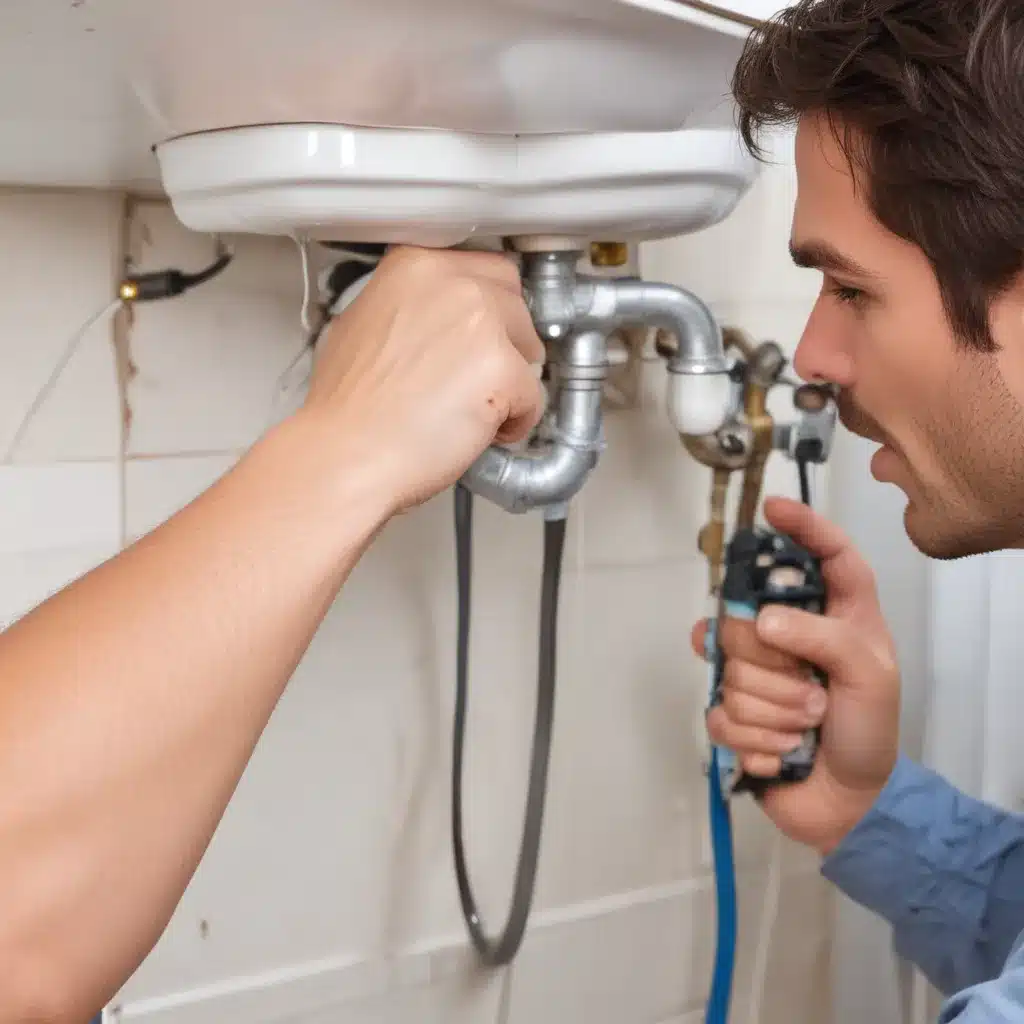
The Drip, the Clog, and the Leak: Your Guide to Conquering Common Plumbing Woes
Ah, the joys of homeownership – where the sound of a leaky faucet can lull you to sleep at night and a clogged drain becomes a daily puzzle to solve. As the proud owner of a lovely abode in Aberdeen, UK, I’ve had my fair share of plumbing challenges, but I’ve also learned a thing or two about tackling them head-on.
You see, when it comes to household plumbing repairs, there’s no need to call in the cavalry (or the plumber) every time a problem arises. With a little know-how and the right tools, you can conquer many common plumbing issues all by your lonesome. And let me tell you, the sense of accomplishment you’ll feel when you fix that pesky leak or clear that stubborn clog is simply unparalleled.
So, let’s dive in, shall we? In this comprehensive guide, I’ll share my hard-earned wisdom and practical tips on how to handle the most prevalent plumbing problems. From dripping taps to blocked sinks, we’ll cover it all – because the only thing more satisfying than a well-functioning plumbing system is the knowledge that you’re the one who made it happen.
Understanding the Anatomy of Your Plumbing System
Before we get our hands dirty, it’s important to have a basic understanding of how your home’s plumbing system works. After all, knowledge is power, and the more you know about the inner workings of your pipes and fixtures, the better equipped you’ll be to tackle any issues that arise.
Let’s start with the water supply lines. These are the pipes that bring fresh water into your home, and they typically run from the main water meter to your sinks, showers, and other fixtures. The material of these pipes can vary, with common options being copper, PEX (cross-linked polyethylene), or CPVC (chlorinated polyvinyl chloride).
Next up, we have the drain lines, which are responsible for carrying used water and waste away from your home. These pipes, often made of PVC (polyvinyl chloride) or ABS (acrylonitrile butadiene styrene), lead to the main sewer line or a septic system, depending on your property’s setup.
And let’s not forget about the valves – these essential components allow you to control the flow of water in your home. You’ll typically find shut-off valves under sinks, behind toilets, and at the main water supply line, giving you the ability to isolate specific areas in case of an emergency.
Understanding the basic layout and materials used in your plumbing system will make it much easier to identify and address any problems that may arise. So, the next time you hear that telltale drip or notice a slow-draining sink, you’ll be armed with the knowledge to tackle it head-on.
Fixing a Dripping Faucet: A Step-by-Step Guide
One of the most common plumbing issues homeowners face is the dreaded dripping faucet. Not only is it an annoying, persistent noise, but it can also lead to a higher water bill and potential water damage if left unchecked. But fear not, my fellow DIY enthusiasts – fixing a leaky faucet is actually a relatively straightforward task that you can easily tackle yourself.
The first step is to identify the type of faucet you have. The most common varieties are compression, cartridge, and ceramic disc faucets, each with their own unique inner workings. Once you’ve determined the style, you can proceed to shut off the water supply to that particular fixture, either at the shut-off valve or by turning off the main water supply to your home.
Next, you’ll need to disassemble the faucet, which typically involves removing the handle, trim, and cartridge or stem. This is where a bit of patience and a good set of tools come in handy. Carefully follow the manufacturer’s instructions (or a helpful online tutorial) to guide you through the process, taking note of how the pieces fit together so you can put it all back properly.
With the faucet disassembled, you can identify the culprit causing the drip. It could be a worn washer, a damaged seal, or a corroded valve seat. Luckily, replacement parts are readily available at your local hardware store or through online retailers. Simply swap out the faulty components, reassemble the faucet, and turn the water back on to test your handiwork.
And voila! You’ve just conquered the mighty dripping faucet, saving yourself the cost of a plumber and the hassle of dealing with the constant Chinese water torture soundtrack. Trust me, the sense of accomplishment you’ll feel is worth every bead of sweat. Plus, you can now bask in the glory of your perfectly functioning, drip-free faucet.
Unclogging a Drain: Your Guide to a Smooth Flow
Another common plumbing woe that often strikes fear into the hearts of homeowners is the dreaded clogged drain. Whether it’s a hair-filled shower drain, a sink that gurgles and slows to a trickle, or a toilet that refuses to flush, a blocked pipe can quickly turn your day upside down.
But before you resign yourself to the unpleasant task of plunging and snaking, take a deep breath – there are several effective DIY methods you can try to clear that stubborn clog. The key is to approach the problem with a systematic, problem-solving mindset and the right tools for the job.
Let’s start with the sink or shower drain. In many cases, the culprit is a buildup of hair, soap scum, and other gunk that has accumulated over time. Your first line of defense should be a simple drain snake or plumber’s snake – a flexible metal cable with a corkscrew-like end that you can feed down the drain to break up the blockage.
If the snake doesn’t do the trick, you can try a more natural approach by pouring a baking soda and vinegar solution down the drain, letting it sit for a bit, and then flushing it with hot water. The chemical reaction between the baking soda and vinegar can work wonders in dissolving organic matter and dislodging the clog.
For a stubborn toilet clog, your trusty plunger should be your go-to tool. Plunge the toilet with vigor, creating a vacuum that can suck the blockage back down the drain. If that fails, you may need to try a closet auger or “snake” specifically designed for toilet drains.
And let’s not forget about those pesky floor drains – the often-overlooked gateways to your home’s sewer system. These can become clogged with leaves, dirt, and other debris, leading to backups and unsavory smells. A simple wet/dry shop vacuum can be a game-changer here, allowing you to suck out the gunk and restore the flow.
Remember, persistence and a bit of elbow grease are key when it comes to unclogging drains. But with the right tools and a little know-how, you can say goodbye to those slow-moving, gurgling fixtures and hello to a smooth, unimpeded flow. It’s all part of the joys (and challenges) of homeownership, my friends.
Tackling a Leaky Pipe: A Wet and Wild Adventure
Now, let’s talk about that other plumbing scourge: the dreaded leaky pipe. Whether it’s a drip under the sink, a steady trickle in the basement, or a gushing fountain in your backyard, a leaking pipe can quickly turn your home into a veritable water park – and your wallet into a dried-up oasis.
The good news is that many pipe leaks can be repaired without the need for a professional plumber, as long as you’re willing to get your hands a little dirty. The key is to first identify the source of the leak, which may require some detective work and a keen eye for detail.
Start by closely inspecting the area around the suspected leak, looking for any signs of dampness, water stains, or mineral buildup. This can help you pinpoint the exact location of the problem. Once you’ve narrowed it down, it’s time to turn off the water supply to that section of the plumbing system, either at the shut-off valve or by shutting off the main water supply to your home.
Depending on the severity and location of the leak, your repair strategy may vary. For minor drips or small cracks, a simple pipe patch or epoxy sealant can do the trick. Simply clean the affected area, apply the sealant according to the manufacturer’s instructions, and let it dry. Voila – a watertight solution that can hold up until you have time for a more permanent fix.
For more substantial leaks or burst pipes, you may need to go a step further and replace the damaged section entirely. This often involves cutting out the affected area, cutting and fitting new pipe segments, and securing them with clamps or soldering. It’s a bit more involved, but with the right tools and a bit of patience, it’s a very doable DIY project.
And let’s not forget about those pesky outdoor leaks, like a sprinkler line break or a leaky outdoor faucet. These can be especially tricky, as they often involve excavating the ground and dealing with the elements. But fear not – with a shovel, some basic plumbing supplies, and a bit of elbow grease, you can get that water flow back under control in no time.
So, the next time you hear the telltale drip or see a puddle forming, don’t panic – take a deep breath and embark on your very own plumbing adventure. With the right know-how and a little determination, you can conquer even the most stubborn leaks and keep your home high and dry.
Preventing Future Plumbing Nightmares
Now that we’ve tackled the common plumbing problems head-on, let’s talk about the most important step of all: prevention. After all, wouldn’t it be nice to avoid those dripping faucets, clogged drains, and leaky pipes in the first place?
The key to maintaining a healthy, problem-free plumbing system is regular maintenance and vigilance. This starts with being proactive and keeping an eye out for any potential issues before they escalate.
One simple yet effective habit is to routinely check for any signs of trouble, such as slow-draining sinks, dripping faucets, or unusual water pressure. Addressing these minor problems early on can prevent them from turning into major headaches down the line.
Another crucial step is to keep your drains clear and free-flowing. This means regularly using a drain snake or plunger to remove any buildup, as well as being mindful of what goes down the sink (no grease, oil, or excessive food waste, please!). You can also invest in a handy drain cover or strainer to catch hair and debris before they cause a clog.
And let’s not forget about those pesky leaks – the best way to deal with them is to stop them before they even start. Regularly inspecting your pipes, fittings, and fixtures for any signs of wear or damage can help you catch small leaks early, before they turn into a full-blown disaster.
When it comes to preventative maintenance, the old adage “an ounce of prevention is worth a pound of cure” certainly rings true. By taking the time to properly maintain your plumbing system, you can save yourself a lot of time, money, and headache in the long run.
Of course, even with the best-laid plans, unexpected plumbing issues can still arise. That’s why it’s always a good idea to have a trusted plumber’s number on hand, just in case. But with a little DIY know-how and a proactive approach, you’ll be well on your way to a drip-free, clog-free, and leak-free home.
Conclusion: The Power of DIY Plumbing
As I look back on my plumbing journey, I can’t help but feel a sense of pride and accomplishment. What was once a daunting, intimidating task has now become a fun, rewarding hobby – all thanks to a little bit of elbow grease, a healthy dose of curiosity, and a willingness to get my hands dirty.
Sure, there have been a few hiccups and learning curves along the way, but that’s all part of the adventure. And let me tell you, there’s nothing quite like the feeling of triumph when you’ve successfully fixed that leaky faucet or unclogged that stubborn drain all by yourself.
But the real payoff goes beyond the immediate satisfaction of a job well done. By taking an active role in maintaining and repairing your home’s plumbing system, you’re not only saving money on costly professional services, but you’re also gaining a deeper understanding and appreciation for the inner workings of your property.
And who knows – maybe you’ll even catch the DIY bug and start tackling other home improvement projects with the same gusto. The possibilities are endless, my friends!
So, if you’re ready to take control of your plumbing destiny, I encourage you to dive in, get your hands a little wet, and embrace the power of DIY. With a little bit of know-how and the right tools, you can conquer even the most daunting plumbing problems and keep your home running smoothly for years to come.
And if you ever need a helping hand or some expert advice, don’t hesitate to reach out to the team at ABC Home. We’re always here to lend a wrench (or a listening ear) and help you tackle any plumbing challenges that come your way.
Happy plumbing, my fellow DIY enthusiasts!


