
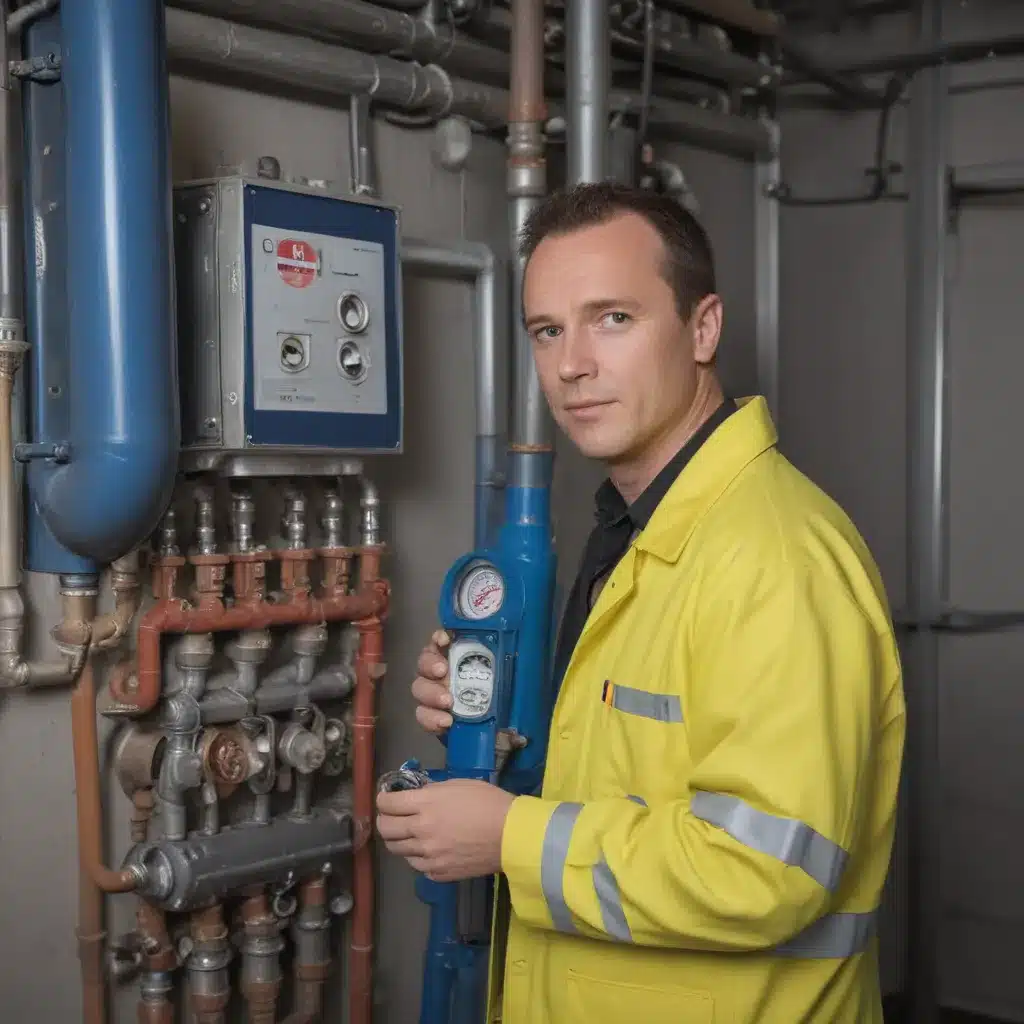
Ensuring Your Safety: A Comprehensive Guide to Verifying Gas Work Practices
As a homeowner in Aberdeen, UK, the safety of your property and family should always be your top priority. When it comes to gas work, this sentiment holds true now more than ever. With the ever-increasing demand for efficient and reliable home heating solutions, the need to ensure gas-related projects are handled with the utmost care and professionalism has never been greater.
But where do you even begin? How can you, as a diligent homeowner, confirm that the gas work being conducted on your property will be carried out safely and to the highest standards? This is the very question I aim to address in this comprehensive guide. Buckle up, because we’re about to embark on a journey that will equip you with the knowledge and confidence to take control of your gas-related home improvements.
Understanding the Importance of Gas Safety
Gas is an incredibly versatile and efficient energy source, powering countless homes and businesses across the UK. However, it’s also a potentially dangerous substance that must be handled with the utmost care and precision. Improper gas work can lead to catastrophic consequences, including gas leaks, fires, and even explosions. The risks are simply too high to ignore.
That’s why gas safety should be a non-negotiable priority for any homeowner or property owner. By taking the necessary steps to ensure gas work is carried out safely, you’re not only protecting your investment, but also the lives of your loved ones. It’s a responsibility that shouldn’t be taken lightly, but one that can be navigated with the right information and guidance.
Recognizing the Signs of a Reputable Gas Engineer
The first step in confirming that gas work will be carried out safely is to identify a reputable and qualified gas engineer. But how do you separate the wheat from the chaff? What qualifications and certifications should you be on the lookout for?
Well, my friend, let me share with you the telltale signs of a trustworthy gas engineer:
-
Gas Safe Registration: This is the gold standard for gas work in the UK. Any gas engineer worth their salt should be registered with the Gas Safe Register, which verifies their competence and adherence to industry safety standards.
-
Relevant Qualifications: A qualified gas engineer should possess the necessary training and certifications to work on gas appliances and systems. Look for individuals who have completed recognized programs, such as the ACS (Accredited Certification Scheme) or NVQ (National Vocational Qualification) in gas installation and maintenance.
-
Extensive Experience: While qualifications are important, hands-on experience is equally crucial. Seek out gas engineers who have been actively working in the industry for several years, as they’ll likely have a deeper understanding of best practices and troubleshooting techniques.
-
Proactive Communication: A reliable gas engineer should be more than just a technician – they should also be an effective communicator. Look for someone who takes the time to explain the scope of work, the potential risks, and the steps they’ll be taking to ensure your safety.
-
Professional Conduct: From punctuality to cleanliness, a reputable gas engineer should exhibit a high level of professionalism in all aspects of their work. This attention to detail is a strong indicator of their commitment to quality and safety.
Remember, when it comes to gas work, you can never be too cautious. Trust your instincts and don’t hesitate to ask plenty of questions – after all, your safety and the safety of your loved ones are on the line.
Verifying the Gas Engineer’s Credentials
Now that you know what to look for in a reputable gas engineer, it’s time to put your detective skills to the test. Verifying their credentials is a crucial step in the process of ensuring your gas work will be carried out safely.
To start, ask the gas engineer to provide their Gas Safe registration number. This unique identifier can be checked on the Gas Safe Register website, allowing you to confirm that their qualifications and competencies are up-to-date. Don’t be afraid to dig a little deeper and request copies of their relevant certifications as well.
But the verification process doesn’t stop there. You should also inquire about the gas engineer’s specific areas of expertise and experience. After all, not all gas work is created equal – some technicians may specialize in boiler installations, while others excel at repairing gas cooktops. Ensuring the individual you’ve hired has the appropriate skills and knowledge for the job at hand is paramount.
Furthermore, don’t be afraid to ask for references from previous clients. Reaching out to others who have worked with the gas engineer in the past can provide invaluable insights into their workmanship, professionalism, and overall attention to safety.
Remember, you’re not just hiring a gas engineer – you’re entrusting the well-being of your home and family to their care. By taking the time to thoroughly vet their credentials and qualifications, you’re taking a proactive step towards ensuring the gas work will be carried out safely and to the highest standards.
Understanding the Scope of Work and Safety Protocols
With a reputable gas engineer in place, the next step is to gain a clear understanding of the scope of work that will be undertaken on your property. This isn’t just a matter of curiosity – it’s a vital part of the safety equation.
During your initial consultation, be sure to ask the gas engineer to provide a detailed breakdown of the project, including the specific tasks they’ll be performing, the equipment and materials they’ll be using, and the timeline for completion. Don’t be afraid to ask questions if anything is unclear or if you have concerns about any aspect of the work.
But the scope of work is just the tip of the iceberg. It’s also crucial to understand the safety protocols the gas engineer will be following throughout the project. This might include:
- Proper ventilation and airflow management to prevent gas buildup
- The use of specialized tools and equipment to minimize the risk of leaks or explosions
- Adherence to industry-standard safety guidelines and best practices
- Thorough testing and inspection of gas systems before, during, and after the work
By gaining a comprehensive understanding of the safety protocols in place, you can rest assured that the gas work will be carried out with the utmost care and attention to detail. After all, your peace of mind is just as important as the success of the project itself.
Ongoing Monitoring and Maintenance
Even after the gas work has been completed, your responsibility as a homeowner doesn’t end there. Maintaining the safety and integrity of your gas systems is an ongoing process that requires regular monitoring and maintenance.
That’s why it’s crucial to establish a relationship with a reputable gas engineer who can provide comprehensive support and guidance. This might include:
- Scheduling annual safety checks and inspections to identify any potential issues
- Offering prompt and reliable emergency response services in the event of a gas-related incident
- Providing guidance on proper maintenance and upkeep of gas appliances and systems
- Advising you on any necessary upgrades or replacements to ensure continued safety and efficiency
Remember, gas safety isn’t something you can afford to take lightly. By partnering with a trusted gas engineer and maintaining a proactive approach to system maintenance, you’ll be well on your way to ensuring the long-term safety and reliability of your gas-powered home.
Conclusion: Prioritizing Safety, Securing Peace of Mind
As a homeowner in Aberdeen, UK, gas safety should be a top priority. By following the steps outlined in this comprehensive guide, you’ll be well on your way to confirming that any gas work carried out on your property will be done safely and to the highest standards.
From vetting the credentials of your gas engineer to understanding the scope of work and safety protocols, every step you take towards ensuring gas safety is an investment in the well-being of your home and family. And let’s not forget the ongoing monitoring and maintenance – it’s a crucial piece of the puzzle that will help keep your gas systems running smoothly and safely for years to come.
Remember, when it comes to gas work, there’s no room for compromise. By taking a proactive approach and partnering with a reputable and qualified gas engineer, you can rest assured that your home will be in good hands. So why wait? Start your journey towards gas safety today and enjoy the peace of mind that comes with knowing your property is in the safest of hands.
If you’re in the Aberdeen area and in need of reliable, professional gas work, I’d be more than happy to recommend the trusted team at ABC Home. Their commitment to safety and excellence is unparalleled, and they’ll work tirelessly to ensure your gas-related home improvements are carried out with the utmost care and attention to detail.


