
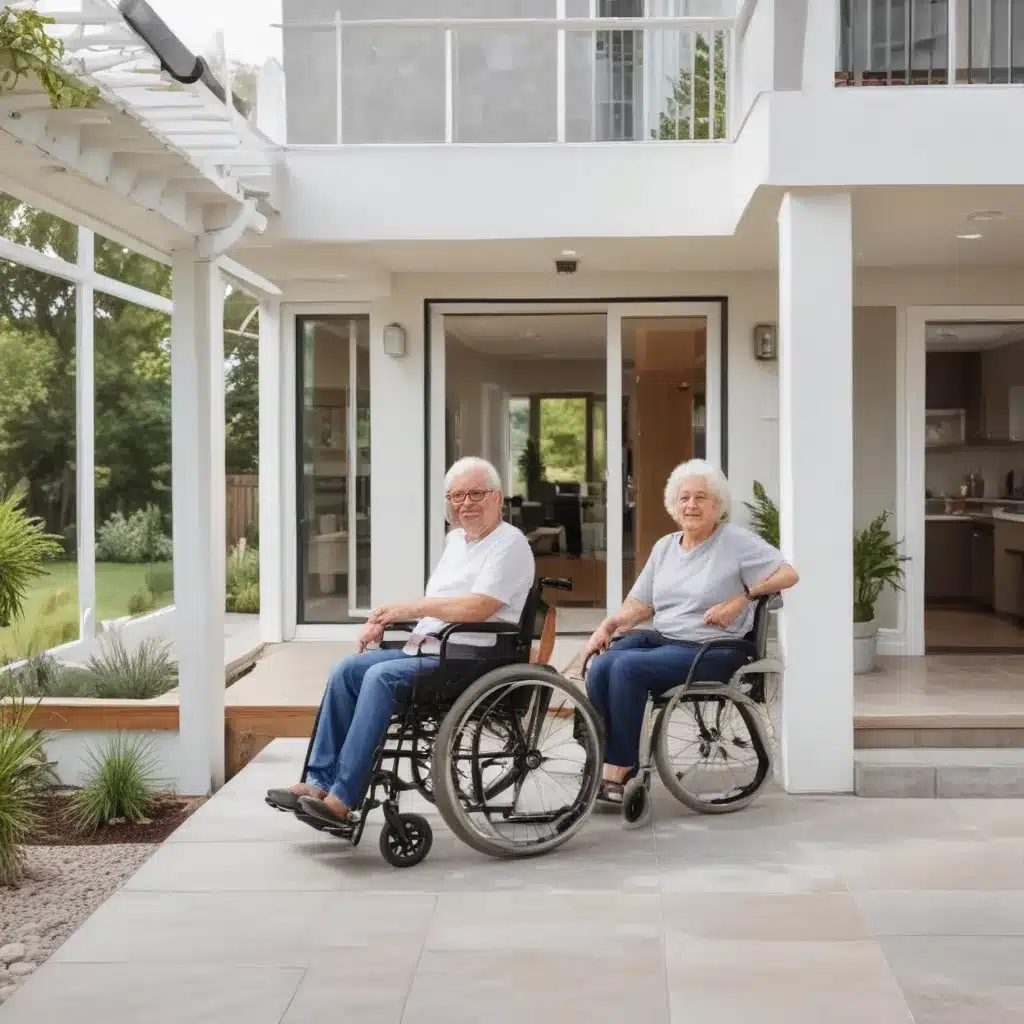
Understanding Accessibility: The Cornerstone of Inclusive Design
Imagine a world where our homes seamlessly adapt to our changing needs – a space that welcomes us, regardless of our age or physical abilities. That’s the essence of accessibility, and it’s the driving force behind the transformation of home design. As the founder of ABC Home, a leading building and renovation company in Aberdeen, UK, I’ve had the privilege of helping countless clients create living spaces that cater to all.
Accessibility in home design is not just a box to be ticked; it’s a philosophy that puts the user at the heart of the process. It’s about understanding the diverse range of needs and experiences that our homes should accommodate. Whether you’re a young family, a retiree, or an individual with a disability, the goal is to create a sanctuary that empowers you to live life to the fullest.
Navigating the Accessible Home: Seamless Mobility and Safety
One of the fundamental aspects of an accessible home is the ability to move freely and safely throughout the space. This means carefully considering the layout, doorways, hallways, and circulation patterns. Widened doorways, strategically placed grab bars, and slip-resistant flooring are just a few of the features that can make a world of difference.
Take the case of Emily, a client of ours who had recently sustained a spinal cord injury. Her previous home, while charming, was a maze of tight corridors and raised thresholds – a recipe for frustration and potential hazards. Together, we reimagined the floorplan, creating an open and fluid layout that allowed her to navigate with ease, whether using a wheelchair or walking with assistive devices.
The key is to strike a balance between functionality and aesthetics. By incorporating universal design principles, we can create spaces that are not only practical but also visually appealing. Seamless transitions between rooms, intuitive lighting controls, and thoughtfully positioned power outlets are all elements that contribute to an accessible and enjoyable living experience.
Adaptable Spaces: Tailoring the Home to Your Evolving Needs
As we move through the different stages of life, our needs and preferences can change dramatically. An accessible home is one that anticipates and accommodates these shifts, offering the flexibility to adapt as our circumstances evolve.
Consider the case of the Wilsons, a family with young children who envisioned their forever home. During the design process, we carefully considered how their needs might change over time. Bedrooms were positioned with future accessibility in mind, allowing for easy conversion into ground-floor living spaces if needed. Multifunctional rooms, such as a home office that could double as a guest suite, provided the adaptability to cater to their family’s evolving requirements.
Adaptability also extends to the home’s technological infrastructure. Incorporating smart home features, from voice-controlled lighting to automated climate systems, can enhance accessibility and enable independent living, even as physical abilities change.
Sensory-Friendly Design: Creating a Harmonious Environment
Accessibility isn’t just about physical mobility; it also encompasses the sensory experience of a home. By addressing the needs of our senses, we can create spaces that are truly inclusive and empowering.
Take the case of Sarah, a client with autism spectrum disorder. She longed for a home that provided a calming, sensory-friendly environment. Through careful material selection, lighting design, and acoustic considerations, we crafted a sanctuary that minimized sensory overload and allowed Sarah to thrive. Soft, muted colors, tactile textures, and strategic sound-dampening solutions created a harmonious atmosphere that supported her wellbeing.
Sensory-friendly design is not limited to neurodivergent individuals; it can benefit everyone. Optimizing lighting, temperature, and air quality can enhance the overall comfort and enjoyment of a home, making it a welcoming haven for all.
Inclusive Outdoor Spaces: Extending Accessibility Beyond the Walls
An accessible home is not confined within its walls; it extends to the outdoor spaces as well. By thoughtfully designing gardens, patios, and entryways, we can ensure that the entire living environment is inclusive and accessible.
At one of our recent projects, the Greens, we collaborated with a family who had a member with limited mobility. Together, we created a seamless transition from the home to the outdoor areas, with gently sloping pathways, level thresholds, and enough space for maneuvering assistive devices. The result was a harmonious integration of indoor and outdoor living, empowering the family to fully experience and enjoy their surroundings.
Inclusive outdoor design also considers the needs of sensory processing and cognitive differences. Incorporating sensory-rich elements, such as tactile surfaces, soothing water features, and calming vegetation, can create a multisensory experience that enriches the lives of all who interact with the space.
Collaboration and Customization: The Keys to Accessible Design
Designing an accessible home is not a one-size-fits-all endeavor. It requires a collaborative approach, where the needs and preferences of the residents are thoughtfully considered and translated into a tailored living solution.
At ABC Home, we believe in the power of open communication and a deep understanding of our clients’ unique circumstances. By actively engaging with them, we can identify the specific challenges they face and develop customized solutions that truly meet their needs.
Take the case of the Johnsons, a multi-generational family seeking to create a home that would accommodate their varying abilities and ages. Through a series of in-depth conversations, we learned about their specific requirements, from the grandmother’s limited mobility to the young children’s sensory needs. Armed with this knowledge, we crafted a design that seamlessly integrated accessible features, such as a main-floor bedroom suite, a multi-purpose lift, and sensory-soothing elements throughout the home.
The result was a living space that not only met their practical needs but also fostered a sense of belonging and empowerment. By prioritizing customization and collaboration, we were able to transform their house into a true home – a sanctuary that embraced their diverse requirements and celebrated their unique identities.
The Accessible Home: A Lasting Legacy of Inclusion
Designing an accessible home is not just about creating a functional living space; it’s about shaping a future where everyone can thrive. By embracing the principles of inclusive design, we have the power to build a world that is truly accessible and empowering for all.
As I reflect on our journey at ABC Home, I’m reminded of the profound impact that accessible design can have on the lives of our clients. It’s not just about meeting building codes or ticking boxes; it’s about cultivating a sense of belonging, independence, and dignity. When we design for accessibility, we’re not just building houses – we’re constructing legacies of inclusion that will resonate for generations to come.
I invite you to join us on this transformative journey. Whether you’re embarking on a new home project or seeking to enhance the accessibility of your current living space, let’s work together to create a sanctuary that celebrates diversity and empowers all who enter. Together, we can redefine the meaning of “home” and leave a lasting impact on our community.
To learn more about our accessible design services and how we can help you create a truly inclusive living environment, visit our website.


