
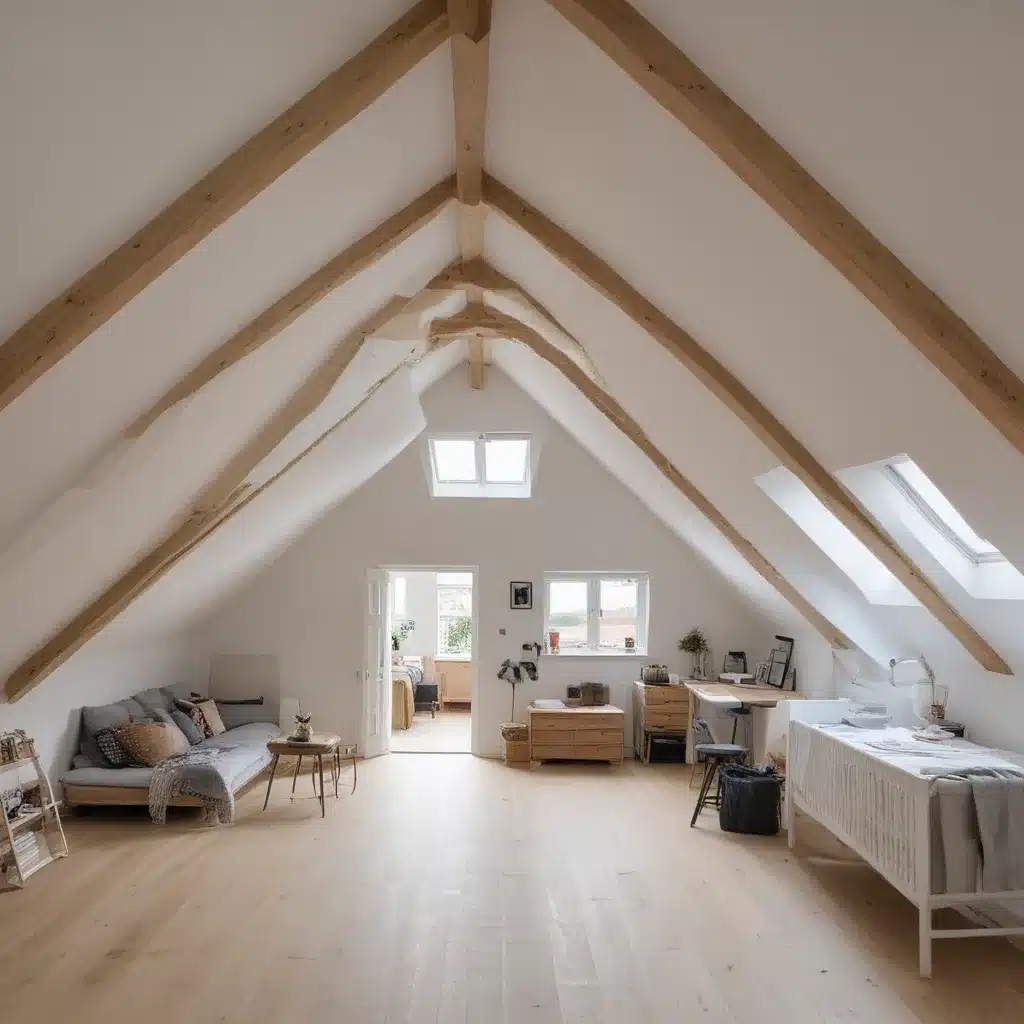
The Loft Conversion Conundrum: Navigating the Maze of Building Codes
Ah, the alluring prospect of a loft conversion – that elusive extra space that could transform your home into a veritable palace. But before you start knocking down walls and dreaming of a skylight-adorned oasis, let me warn you: the path to a successful loft conversion is paved with a labyrinth of regulations and requirements that could leave even the most seasoned homeowner scratching their head.
You see, the world of building codes and planning permissions is a minefield, and trust me, you don’t want to be the one who accidentally sets it off. I learned this the hard way when I decided to transform the dusty attic of my 1920s abode into a cozy home office. Little did I know that I was about to embark on a journey that would make the adventures of Indiana Jones look like a leisurely stroll through the park.
As I delved into the process, I quickly realized that the key to a successful loft conversion lies in navigating the intricate web of rules and regulations. From ensuring proper fire safety measures to meeting energy efficiency standards, the list of requirements seemed endless. And let’s not forget the dreaded planning permission – the bane of every homeowner’s existence.
But fear not, dear reader, for I have emerged from the depths of this lofty conundrum with a wealth of knowledge. In this comprehensive guide, I’ll take you on a journey through the dos and don’ts of loft conversions, equipping you with the tools and insights you need to ensure your project not only complies with regulations but also transforms your living space into a true work of art.
Understanding the Basics: Building Regulations and Planning Permission
Before we dive into the specifics, let’s take a step back and explore the fundamental pillars of loft conversion compliance. The first and most crucial element is understanding the building regulations that govern such projects.
These regulations, set forth by the local authorities, cover a wide range of aspects, from structural integrity and fire safety to energy efficiency and accessibility. Failure to adhere to these guidelines can not only result in hefty fines but also put the safety and well-being of your family at risk.
Take, for instance, the regulations surrounding the structural integrity of your loft. Did you know that your existing roof structure may need to be reinforced to support the additional weight of a conversion? Ignoring this requirement could lead to a catastrophic collapse, leaving your home in ruins and your wallet considerably lighter.
But the regulatory rabbit hole doesn’t stop there. You’ll also need to ensure that your loft conversion meets the necessary fire safety standards, including the installation of appropriate smoke alarms, fire-resistant materials, and emergency exits. Trust me, you don’t want to be the one responsible for a potential disaster.
And let’s not forget the energy efficiency conundrum. These days, the government is placing a strong emphasis on reducing our carbon footprint, and your loft conversion is no exception. You’ll need to incorporate measures like enhanced insulation, energy-efficient windows, and sustainable heating solutions to comply with the latest environmental regulations.
Navigating the labyrinth of building regulations can be a daunting task, but fear not – I’ve got your back. In the following sections, I’ll delve deeper into the specifics of each regulation, providing you with a comprehensive understanding of the requirements and offering practical tips to ensure your loft conversion ticks all the regulatory boxes.
Structural Integrity: Ensuring Your Loft Can Bear the Weight
Let’s start with the foundation of your loft conversion – the structural integrity of your existing roof. This is a crucial aspect that cannot be overlooked, as the last thing you want is for your newly-minted loft to come crashing down around you.
The building regulations in the UK stipulate that the roof structure must be able to support the additional weight of the conversion, which can include the floor, walls, and even the weight of any occupants or furniture. This means that your existing roof may need to be reinforced or even completely replaced to meet these standards.
Now, I know what you’re thinking: “But my roof seems sturdy enough as it is. Surely, I can just slap on a few extra boards and call it a day?” Well, my friend, that’s where you’d be sorely mistaken. The regulations are there for a reason, and cutting corners on structural integrity is a recipe for disaster.
To ensure your loft conversion is up to snuff, you’ll need to work closely with a structural engineer. This expert will assess the current state of your roof, perform the necessary calculations, and recommend the appropriate reinforcement measures. This could include adding extra support beams, strengthening the roof trusses, or even installing a completely new roof structure.
But the structural considerations don’t stop there. You’ll also need to pay close attention to the load-bearing walls and floors in your home. Improper modifications to these elements could compromise the overall stability of your property, leading to cracks, subsidence, or even complete collapse.
I know, it all sounds a bit daunting, but trust me, it’s worth it. The last thing you want is to be caught in the middle of a loft conversion and suddenly find yourself facing a massive renovation bill or, even worse, a condemned property.
So, take the time to engage a qualified structural engineer, follow their recommendations to the letter, and rest assured that your loft conversion will be built to last. After all, the safety and stability of your home are paramount, and a little extra effort now will pay dividends in the long run.
Fire Safety: Protecting Your Family from the Flames
Now that we’ve tackled the structural integrity of your loft conversion, let’s turn our attention to the critical issue of fire safety. This is an area where the building regulations are uncompromising, and for good reason – we’re talking about the lives of you and your loved ones, and that’s not something to be taken lightly.
The first and most important requirement is the installation of a suitable fire alarm system. This means ensuring that your loft conversion is equipped with adequate smoke detectors and heat sensors, all of which must be interconnected with the rest of your home’s fire safety system. Believe me, you don’t want to be the one trying to frantically wave a dish towel at a lone smoke alarm while your hard-earned loft conversion goes up in flames.
But the fire safety measures don’t stop there. You’ll also need to ensure that the materials used in your loft conversion are fire-resistant, from the walls and floors to the insulation and any built-in furniture. Imagine the horror of your cozy reading nook turning into a raging inferno – not a pleasant thought, is it?
And let’s not forget the all-important emergency escape route. Your loft conversion must have a safe and easily accessible means of egress, whether it’s a fire-rated staircase or a dedicated loft ladder. This is crucial in the event of a fire, as it could mean the difference between a harrowing escape and a tragic outcome.
Now, I know what you’re thinking: “But I’m just converting a loft, not building a high-rise tower. Surely, the fire safety requirements can’t be that stringent, right?” Wrong, my friend. The building regulations apply equally to loft conversions, and skimping on these crucial safety measures is simply not an option.
Trust me, I’ve seen the aftermath of loft conversion fires, and it’s not a pretty sight. Families left homeless, irreplaceable memories reduced to ashes, and the gut-wrenching guilt of knowing that it could have all been prevented. So, please, for the sake of your loved ones and your own peace of mind, take fire safety seriously and work closely with your local fire authority to ensure your loft conversion meets all the necessary requirements.
Energy Efficiency: Making Your Loft Conversion a Green Haven
As if navigating the structural and fire safety regulations wasn’t enough, the world of loft conversion compliance also requires you to grapple with the realm of energy efficiency. Yep, even your cozy attic retreat is not exempt from the government’s relentless pursuit of a greener, more sustainable future.
You see, the UK has set some ambitious targets when it comes to reducing carbon emissions, and your loft conversion is expected to play its part. This means that you’ll need to incorporate a range of energy-saving measures to ensure your new living space meets the latest energy efficiency standards.
Now, I know what you’re thinking: “But I’m just adding a room to my house, not building a eco-friendly wonder-home. Surely, I can just slap on some insulation and call it a day?” Well, my friend, that’s where you’d be sorely mistaken.
The building regulations dictate that your loft conversion must be designed and constructed with energy efficiency in mind. This includes things like enhanced insulation in the walls, floors, and roof, as well as the installation of energy-efficient windows and doors.
But the energy efficiency requirements don’t stop there. You’ll also need to consider the heating and cooling systems for your loft conversion, ensuring they’re both efficient and environmentally friendly. Think advanced heat pumps, smart thermostats, and maybe even a few solar panels thrown in for good measure.
And let’s not forget about the ventilation system. Proper air circulation is crucial for maintaining a comfortable and healthy living environment, and the regulations dictate that your loft conversion must have a well-designed ventilation strategy to prevent the buildup of stale air and moisture.
I know, it all sounds like a lot to take in, but trust me, it’s worth it. Not only will these energy-saving measures help you reduce your carbon footprint and save on your utility bills, but they’ll also ensure that your loft conversion is a comfortable and sustainable living space for years to come.
So, embrace your inner eco-warrior and work closely with your contractors to incorporate the latest energy-efficient technologies into your loft conversion. Your wallet and the planet will thank you for it.
Planning Permission: Navigating the Bureaucratic Maze
Ah, the dreaded planning permission – the bane of every homeowner’s existence. When it comes to loft conversions, this particular regulatory hurdle can be the make-or-break moment that determines the success (or failure) of your project.
You see, the local planning authorities have a say in whether your loft conversion can go ahead, and they’ll be scrutinizing every aspect of your proposal to ensure it’s in line with their regulations and guidelines. From the exterior appearance of your home to the potential impact on your neighbors, the planning permission process can be a minefield of bureaucratic red tape.
Now, I know what you’re thinking: “But it’s my house, and I should be able to do whatever I want with it, right?” Wrong, my friend. The local planning authorities have a responsibility to ensure that any new developments or changes to existing properties are in the best interest of the community as a whole.
So, before you start swinging that hammer and dreaming of your new loft oasis, you’ll need to do your homework and submit a detailed planning application. This will involve providing information about the proposed design, materials, and even the potential impact on your neighbors’ privacy or sunlight.
And let me tell you, the planning permission process is not for the faint of heart. It can be a long and arduous journey, filled with navigating complex forms, attending meetings with planning officers, and even facing objections from your neighbors.
But fear not, my fellow homeowner, for I’ve got a few tricks up my sleeve to help you navigate this bureaucratic labyrinth. First and foremost, I recommend enlisting the help of a professional architect or planning consultant. These experts know the system inside and out and can help you craft a winning application that ticks all the right boxes.
And let’s not forget the power of communication. Reach out to your neighbors, explain your plans, and address any concerns they may have. After all, a little goodwill and compromise can go a long way in the planning permission process.
Remember, the key to success is to be meticulous in your planning, patient in the face of bureaucratic hurdles, and persistent in your pursuit of the ultimate loft conversion dream. With the right approach, you can navigate the planning permission maze and emerge victorious, ready to embark on the next stage of your home transformation journey.
Bringing It All Together: A Seamless Loft Conversion Process
Phew, we’ve covered a lot of ground, haven’t we? From structural integrity and fire safety to energy efficiency and planning permission, navigating the regulatory landscape of a loft conversion can feel like a daunting task.
But fear not, my friends, for with the right knowledge and a bit of determination, you can turn this lofty challenge into a resounding success.
The key is to approach the process with a methodical and organized mindset. Start by engaging with a reputable local builder or renovation company, like ABC Home, who can guide you through the entire process from start to finish.
Together, you’ll work closely with a team of skilled professionals – from structural engineers and architects to building control officers and energy assessors – to ensure your loft conversion ticks all the necessary boxes.
Remember, the regulatory requirements may seem overwhelming, but they’re there for a reason – to protect the safety and well-being of you and your family. So, embrace the challenge, be meticulous in your planning, and take pride in the knowledge that your loft conversion will stand the test of time.
And who knows, once you’ve navigated the labyrinth of loft conversion compliance, you may even find yourself with a newfound appreciation for the intricate web of regulations that keep our homes and communities safe. Maybe you’ll even become the neighborhood expert, regaling your friends with tales of your regulatory adventures.
So, what are you waiting for? Grab that hardhat, sharpen your pencil, and let’s dive headfirst into the world of loft conversion compliance. With a little bit of elbow grease and a whole lot of perseverance, you’ll be sipping your morning coffee in your brand-new loft oasis before you know it.


