
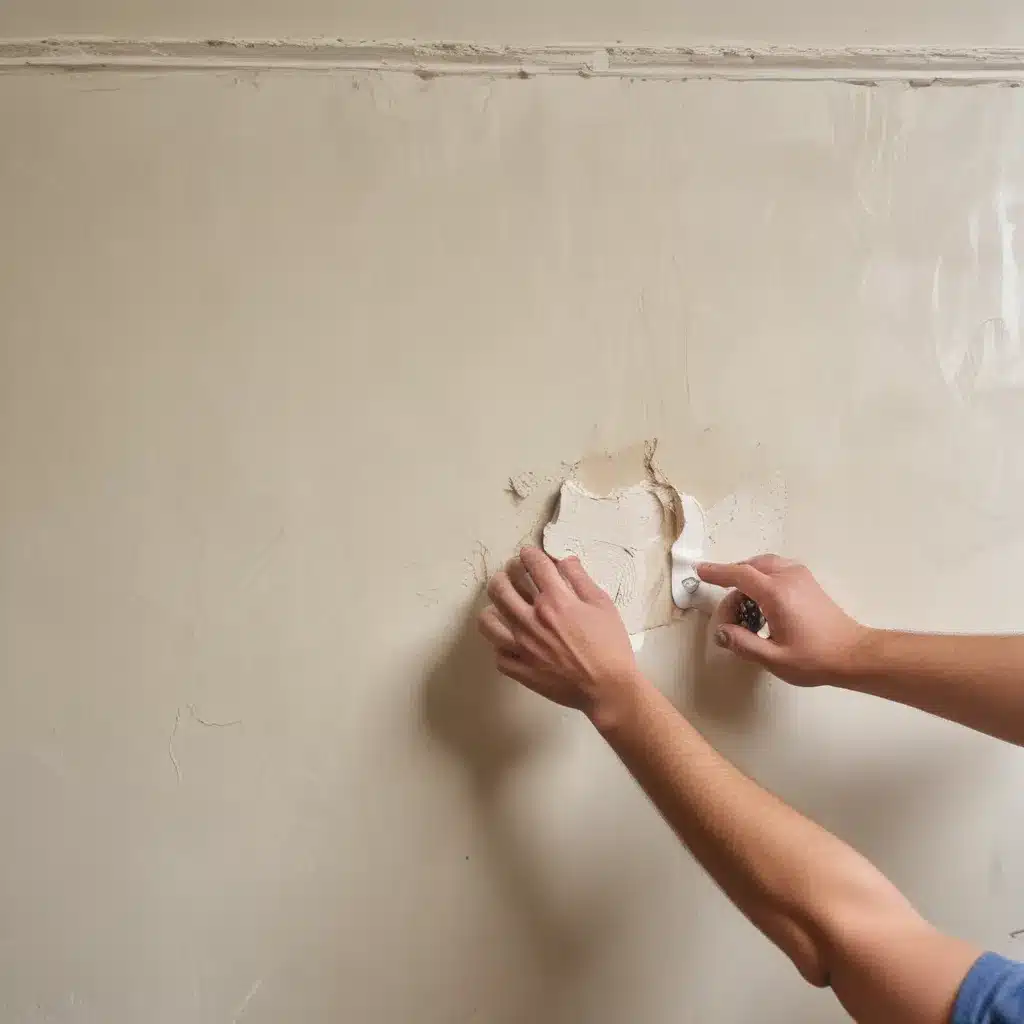
Understanding the Importance of Plaster Repair
Ah, the joys of homeownership – where every crack, blemish, and imperfection in the walls becomes a personal challenge, a rite of passage, and a testament to our DIY prowess (or lack thereof). If you’re anything like me, the mere sight of a damaged plaster wall can send a shiver down your spine and trigger a deep-seated urge to reach for the spackle and sandpaper.
But before we delve into the nitty-gritty of plaster repair, let’s take a step back and appreciate the vital role this humble material plays in the overall integrity and aesthetics of our beloved abodes. Plaster, you see, is the unsung hero of the construction world – a versatile and hardworking substance that not only provides a smooth, seamless surface for our walls and ceilings but also offers crucial structural support and insulation.
When plaster starts to crack, crumble, or come loose, it’s not just an eyesore; it can also signify deeper issues lurking within the framework of your home. Neglecting these problems can lead to further damage, drafts, and even safety hazards. So, my friends, the decision to tackle those unsightly plaster imperfections isn’t just about making your home look pristine; it’s about preserving the very foundation of your abode.
Assessing the Damage: The First Step to Successful Plaster Repair
Now that we’ve established the importance of plaster repair, let’s dive in and explore the steps you can take to tackle those unsightly blemishes head-on. The first and most crucial step is to carefully assess the extent of the damage. After all, you wouldn’t want to jump into a repair project without fully understanding the scope of the problem, now would you?
As you survey the area, look for tell-tale signs of plaster distress, such as cracks, holes, and areas where the plaster has begun to separate from the underlying lath or drywall. Pay close attention to the size and depth of the damage, as this will inform the type of repair method you’ll need to employ. A small, shallow crack might require a simple patch job, while a larger hole or area of loose plaster may call for a more comprehensive approach.
It’s also important to consider the underlying cause of the damage. Is it due to structural issues, water infiltration, or simply the natural aging of the material? Understanding the root of the problem will help you devise a long-lasting solution and prevent the issue from recurring in the future.
Preparing the Area for Plaster Repair
With the damage assessed and the plan of attack firmly in mind, it’s time to roll up our sleeves and get to work. The first step in the actual repair process is to prepare the area thoroughly. This may involve some light demolition work, such as carefully removing any loose or crumbling plaster to expose a clean, stable surface.
Be sure to use the appropriate tools for the job – a putty knife, utility knife, or even a small hammer can be invaluable in this stage. And don’t forget the all-important safety gear, such as goggles and a dust mask, to protect yourself from the inevitable debris.
Once the area is cleared, it’s time to give the surface a good cleaning. Use a stiff-bristled brush to remove any dust, dirt, or debris that may have accumulated, ensuring a smooth and even base for the new plaster to adhere to. If the underlying lath or drywall is exposed, you may also need to apply a bonding agent or primer to help the new plaster stick.
Mixing and Applying the Plaster
Ah, the moment of truth has arrived – it’s time to put our plaster-mixing skills to the test! This is where the real magic happens, as we transform a simple powdery substance into a smooth, workable medium that will breathe new life into our damaged walls.
The key to successful plaster mixing is all about finding the right consistency. You’ll want to start with a small amount of water and gradually add more, stirring the mixture thoroughly until it reaches a creamy, spreadable texture. It’s important to follow the manufacturer’s instructions to the letter, as different types of plaster may have slightly different mixing ratios.
Once you’ve achieved the perfect plaster consistency, it’s time to apply it to the prepared area. Using a putty knife or a specialized plaster knife, work the material into the cracks and holes, pressing it firmly to ensure a strong bond. Be mindful of the plaster’s drying time, as you’ll need to work quickly to achieve a seamless, uniform finish.
Don’t be afraid to get a little messy – plaster can be a stubborn substance, and a bit of elbow grease is often required to get the job done right. Just remember to take breaks and hydrate, as this can be a physically demanding task.
Sanding and Finishing the Plaster Repair
Alright, you’ve mixed, applied, and (hopefully) allowed the plaster to dry to perfection. Now comes the fun part – sanding and finishing the repair to achieve that sought-after smooth, flawless surface.
Break out the sandpaper, my friends, and get ready to channel your inner sculptor. Start with a coarser grit, such as 80 or 100, to remove any high spots or uneven areas, gradually working your way up to a finer 120 or 150 grit for the final polishing touch.
As you sand, be sure to keep the area well-ventilated and use a dust mask to protect your lungs. And don’t forget to wipe away any residual dust with a damp cloth before moving on to the next step.
Once the plaster is perfectly smooth, it’s time to apply a primer or sealer to the repaired area. This will help the new plaster blend seamlessly with the surrounding wall, creating a uniform, cohesive look. And if you’re feeling extra fancy, you can even consider adding a coat of paint to the freshly repaired surface, transforming it from an eyesore to a work of art.
Maintaining Your Plaster Repairs
Ah, but the journey of plaster repair doesn’t end with that final, satisfying stroke of the paintbrush. No, my friends, the true test of our DIY prowess lies in the long-term maintenance and care of our handiwork.
You see, plaster, like any building material, is susceptible to the ravages of time and the elements. That’s why it’s crucial to keep a watchful eye on your repaired areas, scanning for any new cracks, blemishes, or signs of deterioration.
At the first sign of trouble, it’s important to address the issue quickly and decisively. A small crack or loose patch left unattended can quickly transform into a larger, more costly problem. So be proactive, be vigilant, and never hesitate to tackle those pesky plaster issues head-on.
And remember, prevention is often the best medicine. Regularly inspecting your walls and ceilings, keeping an eye out for any telltale signs of trouble, and addressing issues promptly can go a long way in preserving the integrity of your plaster repairs and the overall health of your home.
Embracing the DIY Spirit: The Rewards of Plaster Repair
Now, I know what you’re thinking: “Plaster repair? Sounds like a messy, frustrating, and downright daunting task.” And you know what? You’re absolutely right. Tackling damaged plaster head-on is no walk in the park, and it takes a certain level of skill, patience, and determination to get the job done right.
But here’s the thing: when you finally step back and admire your handiwork, that sense of accomplishment and pride is truly unparalleled. It’s like unlocking a secret superpower, a hidden talent that you never knew you possessed. And trust me, the satisfaction of transforming a battered, unsightly wall into a smooth, flawless surface is worth every drop of sweat and every ache in your back.
So, my fellow DIY enthusiasts, I urge you to embrace the challenge, to channel your inner plaster-wrangling superhero, and to tackle those damaged walls with gusto. Who knows, you might just discover a hidden talent that will forever change the way you approach home improvement projects.
And if you ever find yourself in need of a little extra guidance or support, remember that there’s a wealth of resources out there, from online tutorials to the sage advice of seasoned professionals. ABC Home, for instance, is a trusted building and renovation company in Aberdeen, UK, that can offer invaluable insights and assistance on all things plaster-related.
So, what are you waiting for? Grab your spackle, your sandpaper, and your can-do attitude, and let’s get to work on transforming those damaged walls into a masterpiece of DIY perfection!


