
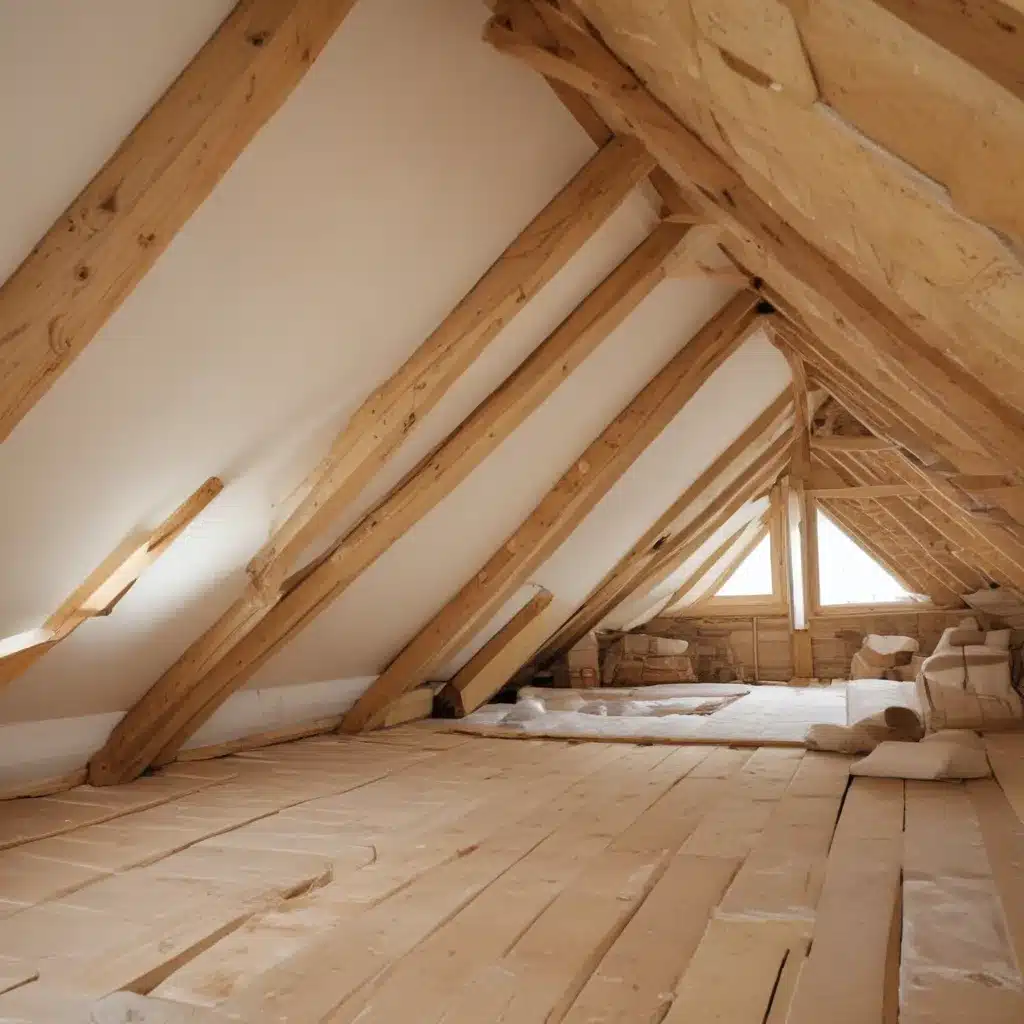
Understanding the Importance of Loft Insulation
As the cold winter winds start to howl and the energy bills start rolling in, I can’t help but wonder – is my loft properly insulated? After all, it’s one of the most important areas of the home when it comes to maintaining energy efficiency and keeping those pesky heating costs down. I mean, think about it – up to 25% of the heat in our homes can be lost through an uninsulated loft! That’s a lot of warm air and hard-earned cash just disappearing into thin air.
But what exactly makes loft insulation so crucial? Well, let me break it down for you. Our homes are essentially giant heat traps – we pump all this lovely warm air into them to keep ourselves cozy and comfortable. But without proper insulation, that heat has nowhere to stay. It just seeps right through the roof and out into the chilly atmosphere beyond. And that means our poor heating systems have to work overtime to maintain the desired temperature, driving up our energy usage and costs.
Insulation acts as a barrier, trapping that heat inside where it belongs. It’s kind of like a big fluffy blanket for your home – it keeps the warmth in and the cold out. And the best part? Proper loft insulation doesn’t just save you money on your heating bills, it also helps reduce your carbon footprint by lowering your energy consumption. Win-win, if you ask me!
So, if you’re serious about getting your home in tip-top energy-efficient shape, then loft insulation should definitely be at the top of your to-do list. And that’s exactly what I’m here to help you with. Get ready to say goodbye to those sky-high heating bills and hello to a cozier, more eco-friendly abode!
Choosing the Right Insulation Material
Alright, now that we’ve established the importance of loft insulation, let’s dive a little deeper into the nitty-gritty of actually getting it done. The first step? Deciding on the right insulation material for the job.
I know, I know – there are so many options out there, it can feel a bit overwhelming. But don’t worry, I’ve got your back. Let’s take a closer look at some of the most popular choices:
Mineral Wool
Mineral wool, also known as rock wool or glass wool, is one of the most common and widely used insulation materials for lofts. It’s made from natural mineral fibers, and it’s known for its excellent thermal and acoustic properties. The great thing about mineral wool is that it’s highly effective at trapping heat, and it’s also pretty durable and fire-resistant. Plus, it’s relatively affordable, making it a popular choice for budget-conscious homeowners.
Cellulose
Cellulose insulation is another great option for loft spaces. It’s made from recycled paper and cardboard, so it’s eco-friendly and renewable. Cellulose is also really effective at filling in those hard-to-reach nooks and crannies, ensuring that your loft is completely sealed off from the outside elements. And let’s not forget the added benefit of its sound-absorbing properties – perfect for creating a cozy, peaceful atmosphere in your home.
Rigid Foam Boards
If you’re looking for something a little more high-tech, rigid foam boards might be the way to go. These bad boys are made from materials like polystyrene or polyurethane, and they offer exceptional thermal performance. They’re also lightweight and easy to install, making them a great choice for DIY enthusiasts. The only downside? They can be a bit pricier than some of the other options on the market.
Spray Foam
And finally, we have spray foam insulation. This stuff is like the superhero of the insulation world – it’s highly effective at sealing air leaks and creating a seamless, airtight barrier in your loft. The best part? It expands to fill every nook and cranny, ensuring that there are no gaps or cold spots. The only catch is that spray foam installation can be a bit more complex and requires the expertise of a professional.
So, which one’s the right choice for you? Well, that really depends on your specific needs, budget, and the layout of your loft. But don’t worry, I’ll be sure to give you plenty of guidance and tips to help you make the best decision. After all, the goal is to create a cozy, energy-efficient home, and the right insulation is key to making that happen.
Preparing Your Loft for Insulation
Alright, now that we’ve got the insulation material all figured out, it’s time to start thinking about the actual installation process. But before we dive in, there’s one crucial step we need to take: preparing your loft for the big transformation.
You see, loft insulation is all about creating a seamless, airtight barrier that traps heat and keeps the cold out. And that means we need to make sure there are no gaps, cracks, or potential weak spots that could compromise the integrity of the insulation.
So, where do we start? Well, the first thing I always recommend is to take a good, hard look at the condition of your loft. Are there any areas that seem particularly drafty or in need of repair? Maybe some loose floorboards or gaps around the eaves? These are the spots we’ll need to address before we can even think about laying down that insulation.
And let’s not forget about the existing insulation, if any. If you’re upgrading an older system, it’s important to carefully remove the old material and dispose of it properly. Trust me, you don’t want to be dealing with any nasty surprises down the line.
Once we’ve got the loft all nice and tidy, it’s time to start sealing up those pesky air leaks. This could involve anything from caulking around light fixtures and electrical outlets to installing airtight hatches or boarding up any openings. The goal is to create a seamless, continuous barrier that will truly maximize the effectiveness of your insulation.
And let’s not forget about the little things, either. Things like insulating the loft hatch, sealing any service pipes or cables that run through the loft, and ensuring proper ventilation – these are all crucial elements that can make or break the overall efficiency of your insulation system.
I know, it might sound like a lot of work, but trust me, it’s all worth it in the end. By taking the time to properly prepare your loft, you’ll be setting the stage for a truly transformative insulation installation. And the best part? You’ll be well on your way to a cozier, more energy-efficient home that will have you saying goodbye to those high heating bills for good.
Optimizing Insulation Thickness and Placement
Alright, now that we’ve got the loft all prepped and ready to go, it’s time to start thinking about the actual insulation installation. And let me tell you, this is where the rubber really hits the road when it comes to achieving maximum energy efficiency.
You see, the thickness and placement of your insulation can make all the difference in the world. Get it right, and you’ll be enjoying the benefits of a toasty, well-insulated home for years to come. Get it wrong, and you might as well just be throwing your hard-earned cash out the window.
So, where do we start? Well, the first thing to consider is the recommended insulation thickness for your particular climate and loft setup. Now, I know what you’re thinking – “How the heck am I supposed to know what the ‘recommended’ thickness is?” Don’t worry, I’ve got you covered.
According to the UK’s Building Regulations, the minimum recommended insulation thickness for lofts is 270mm. But here’s the thing – that’s just the bare minimum. If you really want to optimize your energy efficiency and get the most bang for your buck, I’d recommend aiming for something closer to 400mm.
Now, I know what you’re probably thinking – “400mm? That’s a whole lot of insulation!” And you’re absolutely right. But trust me, it’s worth it. That extra thickness is going to create a much more effective barrier against heat loss, which means lower energy bills and a smaller carbon footprint.
But the thickness is only half the battle. The placement of your insulation is just as important. You see, it’s not enough to just slap some insulation down and call it a day. We need to make sure it’s distributed evenly and consistently throughout the entire loft space.
That means paying close attention to any nooks, crannies, or hard-to-reach areas. We don’t want to end up with any gaps or cold spots that could compromise the overall efficiency of the system. And let’s not forget about those pesky service pipes and cables – we’ll need to make sure they’re properly insulated too.
By taking the time to get the thickness and placement just right, you’ll be well on your way to creating a truly energy-efficient loft space. And the best part? You’ll be able to enjoy the benefits of a cozy, comfortable home for years to come, all while saving a bundle on those pesky heating bills.
Addressing Ventilation and Moisture Concerns
Now, I know what you’re thinking – “Alright, we’ve got the insulation all figured out, what else could there possibly be to worry about?” Well, let me tell you, there’s one more crucial element we need to address when it comes to loft insulation: ventilation and moisture control.
You see, when you seal up your loft with all that lovely insulation, you’re essentially creating a highly airtight environment. And while that’s great for trapping heat and keeping the cold out, it also means we need to be really mindful of moisture levels and proper airflow.
You might be wondering, “Why is that such a big deal?” Well, let me paint you a little picture. Imagine your loft becoming a veritable breeding ground for mold and mildew. Not only is that a serious health hazard, but it can also wreak absolute havoc on the structural integrity of your home.
That’s where ventilation comes in. By ensuring that there are proper airflow pathways in and out of the loft, we can prevent the buildup of moisture and keep those pesky mold spores at bay. And trust me, you do not want to be dealing with the consequences of poor ventilation – it’s a headache you just don’t need.
So, what exactly does proper ventilation look like in a loft? Well, it typically involves a combination of things, like strategically placed vents, roof tiles, or even specialized mechanical ventilation systems. The key is to create a continuous flow of fresh, dry air that can circulate throughout the space and keep everything nice and dry.
And let’s not forget about the importance of insulating any exposed pipework or cold water tanks in the loft. These can be major sources of condensation, so it’s crucial that we keep them properly insulated and sealed off.
By addressing these ventilation and moisture concerns, you’ll be ensuring that your loft insulation system operates at peak efficiency, without any of those pesky mold or mildew issues to worry about. And let’s be real, who needs that kind of stress in their life, right?
So, there you have it – a comprehensive guide to properly insulating your loft for maximum energy efficiency. From choosing the right materials to optimizing the thickness and placement, and even addressing ventilation and moisture concerns, we’ve covered it all. And let me tell you, the results will be well worth the effort.
Just imagine – a cozy, comfortable home that stays warm all winter long, without breaking the bank on those sky-high heating bills. And the best part? You’ll be doing your part to reduce your carbon footprint and help protect the environment. It’s a win-win all around!
So, what are you waiting for? It’s time to get that loft insulation project underway and start enjoying the benefits of a truly energy-efficient home. And if you need any help along the way, you know where to find us – abc-home.co.uk is always here to lend a hand.


