
Chilly Drafts and Soaring Bills? Time to Seal the Deal!
Ah, the joys of homeownership – the pride of calling a place your own, the satisfaction of a freshly painted wall, the…wait, what’s that persistent whistling sound? If you’re like me, you’ve experienced the frustration of chilly drafts seeping through cracks and gaps, driving up your heating and cooling costs. But fear not, my fellow DIY enthusiasts! Today, we’re going to dive into the simple yet powerful world of caulk and weather stripping, and I guarantee you’ll be on your way to a more energy-efficient, comfortable, and wallet-friendly home.
Uncover the Hidden Air Leaks
Before we get our hands dirty, let’s take a step back and understand the root of the problem. Air leakage is the silent culprit behind those unpleasant drafts and sky-high utility bills. In fact, the Department of Energy estimates that the average home has enough air leaks to equal a 3-by-3-foot hole in the wall! Yikes, no wonder it feels like we’re living in a wind tunnel some days.
But fear not, my friends, because finding and sealing these pesky air leaks is a relatively simple and cost-effective task. Think of it like a treasure hunt, except the treasure is lower energy bills and cozy, draft-free rooms. Start by conducting a thorough inspection of your home, focusing on areas where different building materials meet, such as corners, windows, doors, and electrical outlets. You can even perform a simple “DIY” air test by lighting a candle and slowly moving it around the potential problem spots – if the flame flickers, you’ve found an air leak!
Caulk: The Unsung Hero of Air Sealing
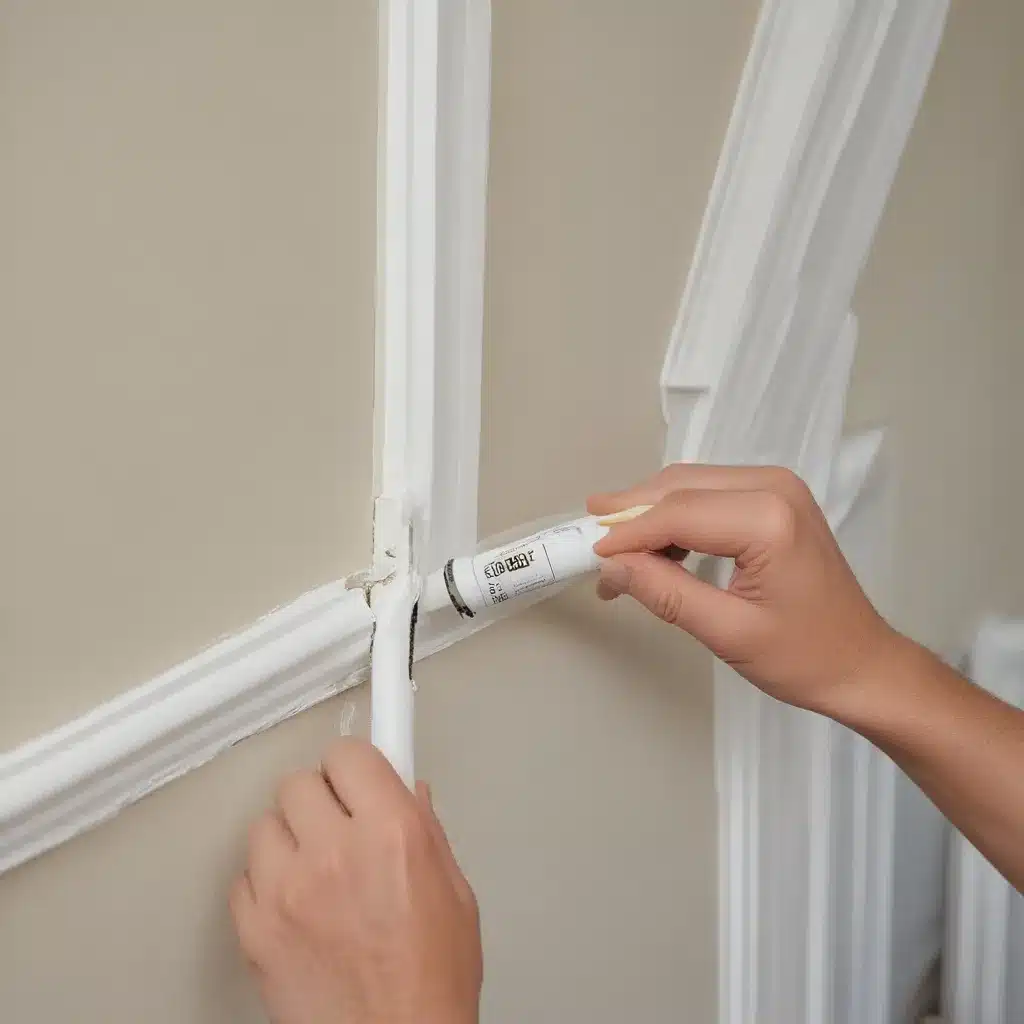
Now that you’ve identified the culprits, it’s time to bring out the trusty caulk gun and work your magic. Caulk is the perfect solution for sealing those stationary cracks and gaps between your home’s components, such as around door and window frames. According to the Department of Energy, caulking is a “simple and effective air-sealing technique that offers quick returns on investment, often one year or less.”
When selecting a caulk, look for a high-quality, flexible formula that can withstand the expansion and contraction of building materials. Silicone and latex caulks are popular choices, but be sure to read the labels and choose one that’s specifically designed for your application. Apply the caulk in a continuous bead, smoothing it with a damp finger or putty knife for a professional-looking finish.
Weather Stripping: The Sidekick to Caulk
While caulk tackles the stationary cracks, weather stripping is your go-to for sealing the gaps around doors and windows that open and close. According to the Department of Energy, weatherstripping is an “easy, low-cost way to improve the comfort of your home and significantly reduce your energy bills.”
There are several types of weather stripping to choose from, each with its own advantages. Foam and vinyl strips are budget-friendly and easy to install, while metal varieties like bronze or aluminum offer long-lasting durability. The key is to select a product that will create a tight seal without compromising the smooth operation of your doors and windows.
To get the most out of your weather stripping, be sure to clean the surfaces thoroughly before applying, and measure carefully to ensure a snug fit. With a little elbow grease and attention to detail, you’ll be well on your way to a more energy-efficient home.
Tackle Those Tricky Spots
Now, I know what you’re thinking – “But wait, what about those hard-to-reach areas, like the fireplace flue or that awkward gap under the door?” Fear not, my resourceful DIY friend, because we have solutions for those too!
For your fireplace flue, consider an inflatable chimney balloon – a durable, reusable plug that seals off the flue when not in use. And for those pesky gaps under doors, a simple “DIY” door sweep made from a plastic trash bag filled with fiberglass insulation can do the trick.
Remember, air sealing is all about finding the right tools and techniques for your unique home. With a little creativity and a willingness to experiment, you can tackle even the trickiest of air leaks.
The Benefits of Sealing the Deal
Now, I know what you’re really wondering – what’s in it for me? Well, my friend, the benefits of proper air sealing are numerous and oh-so-rewarding. First and foremost, you’ll see a significant reduction in your heating and cooling costs, which is music to any homeowner’s ears. But the benefits don’t stop there – air sealing can also improve the comfort of your home by eliminating those pesky drafts, as well as enhance the overall indoor air quality by preventing the uncontrolled influx of outdoor pollutants.
And let’s not forget the long-term impact on your home’s durability. By sealing those air leaks, you’re helping to prevent moisture buildup and the associated issues, like mold and mildew, that can wreak havoc on your investment.
So, what are you waiting for? Grab your caulk gun, weatherstripping, and a healthy dose of DIY spirit, and let’s get to work on making your home more energy-efficient, comfortable, and cost-effective. Trust me, your future self (and your wallet) will thank you.


