
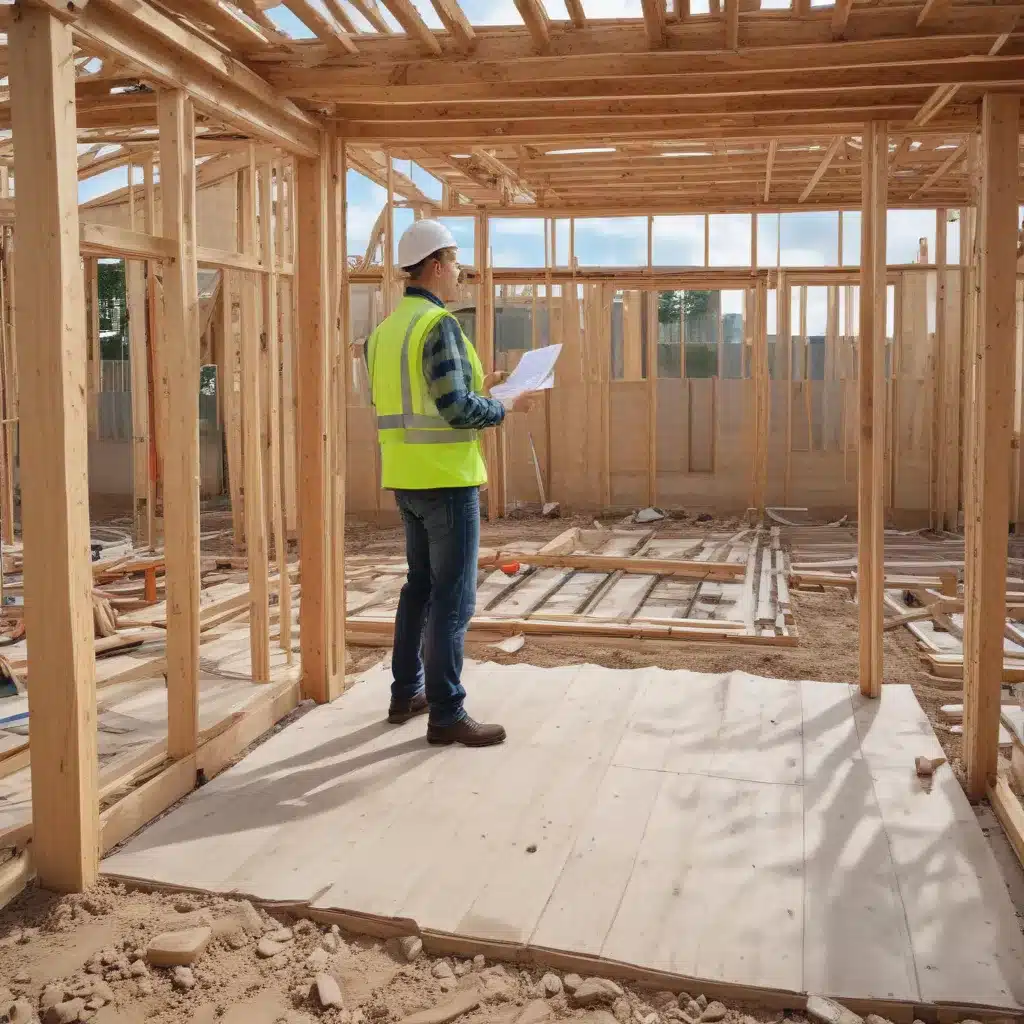
In the Clear: Understanding Planning Rules Before Building
When it comes to home renovations or building a new house, many people underestimate the importance of navigating the planning permission process. As an Aberdeen-based building and renovation company, we’ve seen firsthand how overlooking the planning rules can derail even the most well-intentioned projects.
That’s why I’m excited to share my insights on what you need to know before you start swinging that sledgehammer or laying the foundation. In this comprehensive guide, we’ll explore the ins and outs of the UK planning system, common pitfalls to avoid, and strategies to ensure your build goes off without a hitch.
So, grab a cuppa and let’s dive in – your dream home awaits on the other side of these planning rules!
The Basics of UK Planning Permission
When it comes to any kind of construction work, whether it’s building a new home, adding an extension, or even putting up a garden shed, the process usually starts with obtaining planning permission from your local council. This is a critical step that far too many DIY enthusiasts and first-time builders overlook.
The rationale behind planning permission is pretty straightforward – it allows local authorities to ensure that new developments are in keeping with the character of the area and don’t infringe on neighbors’ rights or the environment. As Cult of Pedagogy founder Jennifer Gonzalez would say, it’s all about starting with the end in mind.
In most cases, you’ll need to submit detailed plans for your proposed build, including things like the size, design, and intended use of the structure. The council will then review your application and either approve it, request changes, or reject it outright. And believe me, they’re not afraid to say no – I’ve seen many ambitious plans get the boot when they didn’t align with the local planning guidelines.
Of course, the specifics of the process can vary depending on your location, the scale of your project, and whether your property is in a designated conservation area or has any other special considerations. But the core principle remains the same – get those plans approved before you start swinging that hammer.
Avoiding the Most Common Planning Pitfalls
Now that we’ve covered the basics, let’s take a look at some of the most common planning pitfalls that can trip up even the savviest of DIYers. Forewarned is forearmed, as they say.
Misunderstanding Permitted Development Rights
One of the biggest sources of confusion when it comes to planning permission is the concept of “permitted development rights.” This refers to certain types of construction work that are automatically granted approval, without the need to go through the full planning application process.
For example, in England, you generally don’t need planning permission for minor home improvements like building a conservatory or putting up a garden shed – as long as they meet certain size and placement criteria. However, the rules can be pretty nuanced, and it’s easy to accidentally cross that line into needing full planning approval.
Workforce planning experts recommend thoroughly researching the permitted development rights in your area before starting any project. A quick chat with your local planning department can also help clarify whether you’re firmly in the “no permission required” camp or if you need to start filling out application forms.
Failing to Consult with Neighbors
Even if your build falls squarely within your permitted development rights, it’s still a good idea to have a friendly chat with your neighbors about your plans. After all, they’re the ones who will have to live with the end result, and they may have valuable insights or concerns that you haven’t considered.
For example, your new single-story extension might be perfectly legal, but your neighbor might worry that it will block their view or cast unwanted shadows on their garden. By getting them on board early, you can address these issues proactively and potentially avoid any nasty surprises or disputes down the line.
Underestimating the Timeline
One of the most frustrating aspects of the planning permission process is just how long it can take. Depending on the complexity of your project and your local council’s workload, the whole thing can drag on for months. And if your application gets rejected, you’ll have to go back to the drawing board and start the process all over again.
Succession planning experts recommend factoring in this timeline when you’re mapping out your build. Don’t wait until the last minute to start the planning process – give yourself plenty of breathing room to deal with any hiccups or delays. Trust me, the last thing you want is to have your dream home stuck in planning limbo while the clock ticks.
Strategies for Navigating the Planning Process
Okay, now that we’ve covered the potential pitfalls, let’s talk about some proven strategies for navigating the planning permission process with ease.
Do Your Homework
As the saying goes, knowledge is power, and that’s never more true than when you’re dealing with local council bureaucracy. Before you even think about submitting an application, make sure you thoroughly research the planning rules and guidelines that apply to your project.
Start by checking your local council’s website – they’ll usually have detailed information on the types of projects that require permission, the application process, and any specific requirements or restrictions for your area. You can also reach out to the planning department directly with any questions.
And don’t forget to study up on those permitted development rights we discussed earlier. Knowing exactly where the boundaries lie can save you a lot of headaches down the line.
Engage Early and Often
One of the best pieces of advice I can give is to engage with your local planning department as early and as often as possible. Don’t wait until you’ve got detailed plans drawn up to start the conversation.
Instead, consider scheduling a pre-application meeting to get their initial feedback on your ideas. This gives you the chance to address any potential issues or concerns before you invest a ton of time and money into the planning process. It’s a small investment that can pay huge dividends in the long run.
And even after you’ve submitted your formal application, stay in close contact with the planning officer assigned to your case. Respond promptly to any requests for additional information, and don’t be afraid to politely follow up if things seem to be stalling. A little proactivity can go a long way.
Get Creative with Compromises
Let’s be honest – even if you’ve dotted every ‘i’ and crossed every ‘t’, there’s always a chance that your planning application could get rejected. But don’t let that be the end of the road. Instead, see it as an opportunity to get creative with potential compromises.
Work closely with the planning department to understand their specific concerns, and then brainstorm ways to address them. Maybe a smaller extension or a different roofline would do the trick. Or perhaps you could tweak the landscaping or parking plan to better fit the local character.
The key is to stay flexible and open-minded. With a bit of creative problem-solving, you may be able to find a solution that satisfies both you and the council. And who knows – you might even end up with a design that’s an even better fit for your home and neighborhood.
Putting it All Together
At the end of the day, navigating the planning permission process may not be the most glamorous part of a building or renovation project, but it’s absolutely essential. Overlook it at your peril!
By familiarizing yourself with the basics, avoiding common pitfalls, and employing smart strategies, you can help ensure your dream home becomes a reality, without any nasty surprises or costly delays. And let’s not forget the importance of that all-important planning approval – it’s your golden ticket to getting started on the build itself.
So, what are you waiting for? Grab a cuppa, crack open those planning guidelines, and let’s get to work! With a bit of forethought and determination, you’ll be well on your way to creating the home you’ve always envisioned. And as your friendly neighborhood Aberdeen builders, we’ll be right here to lend a hand every step of the way.
ABC Building & Renovations – Building your tomorrow, today.


