
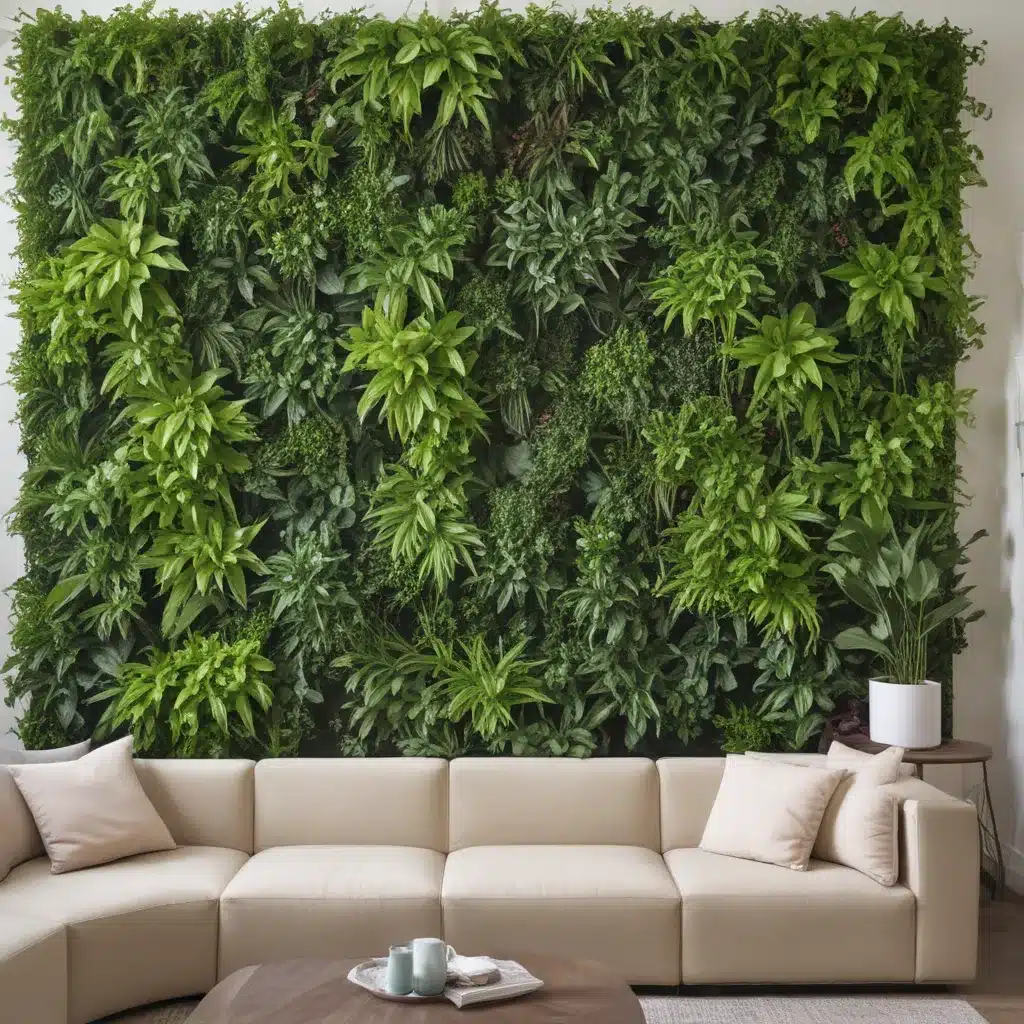
The Allure of Greenery: Bringing Nature into Your Living Space
As a proud resident of Aberdeen, I’ve always been captivated by the city’s rich architectural heritage and its unique blend of modern and historic elements. But lately, I’ve been intrigued by a growing trend that’s taking the local home renovation scene by storm – the incorporation of greenery and living walls into our domestic spaces.
You see, I recently had the pleasure of speaking with Sarah, a local homeowner who recently underwent a comprehensive renovation project on her 19th-century townhouse. “When we first started planning the renovation, we knew we wanted to create a space that was not only beautiful and functional but also aligned with our values of sustainability and connection to nature,” she explained. “Incorporating living walls and potted plants throughout the house was a no-brainer for us.”
The more I learned about Sarah’s project, the more I became convinced that integrating greenery into our homes is not only a visually striking design choice but also a deeply meaningful way to enhance our overall well-being. After all, numerous studies have shown that the presence of plants can have a myriad of benefits, from improving air quality and reducing stress levels to boosting productivity and creativity.
So, if you’re a fellow Aberdeen resident looking to breathe new life into your living space, I’m here to share my insights on the fascinating world of living walls and lush, verdant greenery. Join me as we explore the endless possibilities and uncover the transformative power of nature within the walls of our beloved city homes.
The Fundamentals of Living Walls: A Primer
Before we dive into the specifics of how to incorporate greenery into your Aberdeen home, let’s first take a moment to understand the basics of living walls. At their core, living walls – also known as vertical gardens or green walls – are self-sustaining, hydroponic systems that allow plants to grow vertically, often on the interior or exterior of a building.
These innovative systems typically consist of a lightweight, modular structure that is attached to the wall, with a built-in irrigation system and a growing medium that provides the necessary nutrients for the plants to thrive. The result is a stunning, three-dimensional display of vibrant foliage that can transform even the most bare and uninviting wall into a lush, verdant oasis.
But the benefits of living walls go far beyond their aesthetic appeal. “One of the key advantages of living walls is their ability to improve air quality,” explains Sarah, the homeowner I spoke with earlier. “The plants in the system actively filter out airborne pollutants, releasing fresh, oxygen-rich air into the surrounding environment.”
This air-purifying property of living walls is particularly valuable in urban settings like Aberdeen, where we are often exposed to higher levels of particulate matter and volatile organic compounds (VOCs) from sources like traffic and industrial activities. By incorporating a living wall into your home, you can create a healthier, more breathable indoor environment for you and your family.
Moreover, living walls can also have a positive impact on the thermal performance of your home. “The plants and growing medium help to insulate the wall, which can translate to energy savings during both the heating and cooling seasons,” Sarah explained. “We’ve definitely noticed a difference in our utility bills since we installed the living wall in our entryway.”
So, whether you’re looking to improve your indoor air quality, boost your home’s energy efficiency, or simply add a touch of natural beauty to your living space, the fundamental appeal of living walls is undeniable. But how can you actually go about incorporating them into your Aberdeen home? Let’s dive in.
Designing Your Perfect Living Wall: Considerations and Strategies
When it comes to incorporating a living wall into your Aberdeen home, the design possibilities are truly endless. But before you start envisioning your dream vertical garden, there are a few key factors to consider:
-
Wall Placement and Orientation: The location and orientation of your living wall can have a significant impact on its growth and overall performance. “We decided to install our living wall in the entryway, where it would be visible from the moment you step through the front door,” Sarah shared. “But we also made sure to position it in a spot that receives ample natural light throughout the day.”
-
Plant Selection: Choosing the right plants for your living wall is crucial, as different species have varying requirements for light, water, and nutrient levels. “We opted for a mix of low-maintenance, air-purifying plants like English ivy, peace lilies, and philodendrons,” Sarah explained. “This helps ensure that our living wall thrives with minimal effort on our part.”
-
Maintenance and Upkeep: Living walls do require some level of ongoing care and attention, such as regular watering, pruning, and occasional pest control. “It’s important to factor in the time and effort required to maintain your living wall, especially if you’re not a seasoned gardener,” Sarah cautioned.
-
Structural Considerations: Depending on the size and weight of your living wall, you may need to reinforce the underlying wall structure to ensure it can safely support the system. “We worked closely with our renovation contractor to make sure the wall in our entryway could handle the weight of the living wall without any issues,” Sarah noted.
With these key factors in mind, let’s explore some of the design strategies that can help you create a stunning and functional living wall in your Aberdeen home.
Embracing Minimalism with a Sleek, Contemporary Look
If you’re drawn to a more modern, minimalist aesthetic, you might consider designing a living wall that reflects this sensibility. “We wanted our living wall to feel like a natural extension of the clean, pared-down look we were going for in the rest of our home,” Sarah explained.
To achieve this, Sarah and her partner opted for a simple, modular living wall system with a sleek, metal frame and a carefully curated selection of low-profile, tropical-inspired plants. “The contrast between the industrial frame and the lush, verdant foliage creates a really striking visual effect,” she said.
One of the key advantages of this minimalist approach is its adaptability to smaller spaces. “Even if you have a compact entryway or a narrow wall in your living room, a streamlined living wall design can still make a big impact,” Sarah noted.
Cultivating a Lush, Organic Feel with Cascading Plants
On the other hand, if you’re drawn to a more natural, organic aesthetic, you might consider designing a living wall that mimics the look and feel of a cascading, jungle-inspired display. “We wanted our living wall to feel like a lush, verdant oasis in the middle of our home,” Sarah shared.
To achieve this look, Sarah and her partner opted for a living wall system with a more flexible, modular design that allowed them to incorporate a wider variety of plant species, including trailing vines, ferns, and flowering plants. “The result is a living wall that feels almost like a three-dimensional painting, with the plants spilling out and cascading down the wall,” Sarah described.
This organic, free-flowing approach to living wall design can be especially effective in larger, open-plan spaces, where the greenery can help to create a sense of depth and visual interest. “It’s really about creating a true indoor-outdoor experience, where the boundary between the natural and built environments blurs,” Sarah added.
Incorporating Edible Plants for a Functional, Sustainable Twist
But what if you’re not just looking to add a touch of natural beauty to your home – what if you want to incorporate a practical, functional element as well? That’s where the idea of an edible living wall comes into play.
“When we were planning our renovation, we knew we wanted to find a way to integrate food production into our home in a sustainable, space-efficient way,” Sarah explained. “That’s when the idea of an edible living wall really started to take shape.”
By incorporating a variety of herb and vegetable species into their living wall design, Sarah and her partner were able to create a thriving, self-sustaining indoor garden that not only looks beautiful but also provides them with a steady supply of fresh, homegrown produce.
“It’s been so rewarding to be able to step out into our entryway and snip a few sprigs of basil or a handful of cherry tomatoes for our meals,” Sarah shared. “And the fact that we’re able to do it all while improving the air quality and energy efficiency of our home is just the icing on the cake.”
Of course, designing an edible living wall does come with its own unique set of challenges, such as ensuring proper lighting conditions and managing pests and diseases. But for those who are passionate about sustainable living and self-sufficiency, the rewards can be truly transformative.
Living Walls in Action: Real-World Examples and Inspiration
As you can probably tell, I’m absolutely captivated by the idea of incorporating living walls into our Aberdeen homes. But don’t just take my word for it – let’s explore a few real-world examples that showcase the incredible potential of this innovative design approach.
One local success story that immediately comes to mind is the renovation project undertaken by our friends, Sarah and Tom. When they purchased their 19th-century townhouse in the heart of Aberdeen, they knew they wanted to breathe new life into the space while staying true to its historic charm.
“We were really drawn to the idea of a living wall because it allowed us to bring nature into our home in a way that felt both visually striking and environmentally responsible,” Sarah explained. “Plus, we loved the idea of being able to grow our own herbs and produce right within our living space.”
After carefully considering their options, Sarah and Tom decided to install a modular living wall system in their entryway, which features a carefully curated selection of low-maintenance, air-purifying plants like English ivy, peace lilies, and philodendrons. “The living wall has truly transformed the entire look and feel of our home,” Sarah marveled. “It’s like stepping into a lush, verdant oasis every time we come through the front door.”
But the benefits of their living wall don’t stop there. “We’ve definitely noticed an improvement in our indoor air quality, and the plants have even helped to regulate the temperature in our entryway,” Sarah shared. “And of course, the ability to harvest fresh herbs and produce right from our own home has been an absolute game-changer for our cooking and overall sustainability efforts.”
Another inspiring example comes from the team at https://abc-home.co.uk/, a local building and renovation company that has been at the forefront of the living wall trend in Aberdeen. “We’ve seen a growing demand from our clients for innovative, nature-inspired design elements like living walls,” explained the company’s spokesperson. “Not only do they add a stunning visual element to a space, but they also provide tangible benefits in terms of air quality, energy efficiency, and overall well-being.”
One of the company’s recent projects involved the installation of a large-scale living wall system on the exterior of a modern, eco-friendly townhouse development in the city center. “The living wall was a key component of our sustainable design approach, helping to reduce the building’s carbon footprint while also creating a beautiful, nature-infused outdoor space for the residents to enjoy,” the spokesperson shared.
The team at https://abc-home.co.uk/ is particularly proud of the way the living wall has transformed the previously drab, utilitarian facade of the building into a lush, verdant oasis that seamlessly blends the line between indoor and outdoor living. “It’s a true testament to the power of incorporating greenery into our built environments,” the spokesperson added.
These real-world examples – and countless others like them – are a clear indication that the trend of living walls is here to stay in Aberdeen. And as more and more homeowners and renovation professionals embrace this innovative design approach, I can’t help but feel excited about the endless possibilities for transforming our city’s homes into true sanctuaries of nature and sustainability.
Cultivating Your Own Living Wall: A Step-by-Step Guide
Now that you’ve seen the incredible potential of living walls in action, you might be wondering, “How can I incorporate one into my own Aberdeen home?” Well, the good news is that the process, while not without its challenges, is entirely achievable for the average homeowner.
Step 1: Assess Your Space and Needs
The first step in the living wall journey is to take a close look at your available wall space and consider your specific needs and goals. Ask yourself questions like:
– Where in my home would I like to install a living wall?
– How much space do I have to work with?
– What type of lighting conditions does the wall receive?
– Do I want the living wall to serve a specific function, such as improving air quality or providing edible plants?
Answering these questions will help you determine the most suitable living wall system and design for your space.
Step 2: Choose Your Living Wall System
Once you’ve assessed your space and needs, it’s time to start researching the different types of living wall systems available on the market. Some popular options include modular, hydroponic, and felt-based systems, each with their own unique features and installation requirements.
“We opted for a modular living wall system because it offered the flexibility to customize the design and plant selection to our specific needs,” Sarah shared. “The modular approach also made the installation process relatively straightforward, which was important since we were tackling the project ourselves.”
Step 3: Select Your Plants
With your living wall system in place, the next step is to choose the plants that will thrive in your space. As I mentioned earlier, it’s important to consider factors like light exposure, watering needs, and air-purifying or edible properties when making your selections.
“We spent a lot of time researching different plant species and their requirements before settling on our final mix,” Sarah explained. “We wanted to create a visually cohesive display, but we also prioritized low-maintenance, air-purifying plants that would contribute to the overall health and well-being of our home.”
Step 4: Install and Maintain Your Living Wall
Finally, it’s time to bring your living wall to life! Depending on the complexity of your chosen system, the installation process may require the help of a professional contractor. But with the right tools and a bit of elbow grease, many homeowners are able to tackle the installation themselves.
“The most important thing is to follow the manufacturer’s instructions to the letter, and to be prepared to put in a bit of ongoing maintenance and care,” Sarah advised. “Things like regular watering, pruning, and pest control are essential to keeping your living wall thriving and healthy.”
And there you have it – a step-by-step guide to cultivating your very own living wall in your Aberdeen home. Of course, the process can be daunting, but with a little bit of planning, research, and dedication, the rewards can be truly transformative.
The Future of Living Walls in Aberdeen: Trends and Innovations
As I’ve explored the world of living walls and their integration into Aberdeen’s homes, I can’t help but feel a sense of excitement and anticipation for what the future may hold. This innovative design approach is rapidly gaining momentum, and I believe it has the potential to reshape the way we think about urban living and sustainable design.
One trend that I’m particularly intrigued by is the growing use of living walls in commercial and public spaces. “We’ve seen a real surge of interest from local businesses and community organizations who want to incorporate living walls into their spaces,” the spokesperson from https://abc-home.co.uk/ shared.
The benefits of these large-scale living walls are manifold – from improving indoor air quality and reducing energy consumption to creating vibrant, nature-infused environments that foster well-being and community engagement. “It’s not just about making a space look beautiful,” the spokesperson added. “It’s about leveraging the power of nature to create healthier, more sustainable built environments.”
Another exciting development is the emergence of more advanced, technology-driven living wall systems. “As the technology behind these systems continues to evolve, we’re seeing more and more innovative solutions that offer greater automation, energy efficiency, and even the ability to integrate smart home features,” the spokesperson explained.
For example, some of the latest living wall systems are equipped with built-in sensors that can monitor the plants’ growth and environmental conditions, automatically adjusting the irrigation and nutrient levels to ensure optimal performance. “This type of smart, connected living wall technology opens up all sorts of intriguing possibilities for the future of sustainable, nature-infused design,” the spokesperson noted.
But perhaps the most inspiring aspect of the living wall trend is the way it’s fostering a greater sense of connection to the natural world, even in the heart of our urban environments. “I think people are really starting to recognize the immense value that greenery and living systems can bring to our daily lives,” Sarah shared.
“When you have a thriving, vibrant living wall in your home or workplace, it’s like having a little slice of the outdoors right at your fingertips,” she continued. “It’s a tangible reminder of our inherent need to be surrounded by nature, and it can have a profoundly positive impact on our mental, physical, and emotional well-being.”
As we look ahead to the future of living walls in Aberdeen, I can’t help but feel a deep sense of optimism and wonder. This innovative design approach has the power to transform our built environments, improve our health and well-being, and forge a stronger, more sustainable connection between ourselves and the natural world.
So, whether you’re a homeowner, a business owner, or simply someone who values the beauty and benefits of greenery, I encourage you to keep an eye on the living wall trend and consider how you might incorporate it into your own life. Who knows – your own personal oasis of verdant splendor could be just a wall away.


