
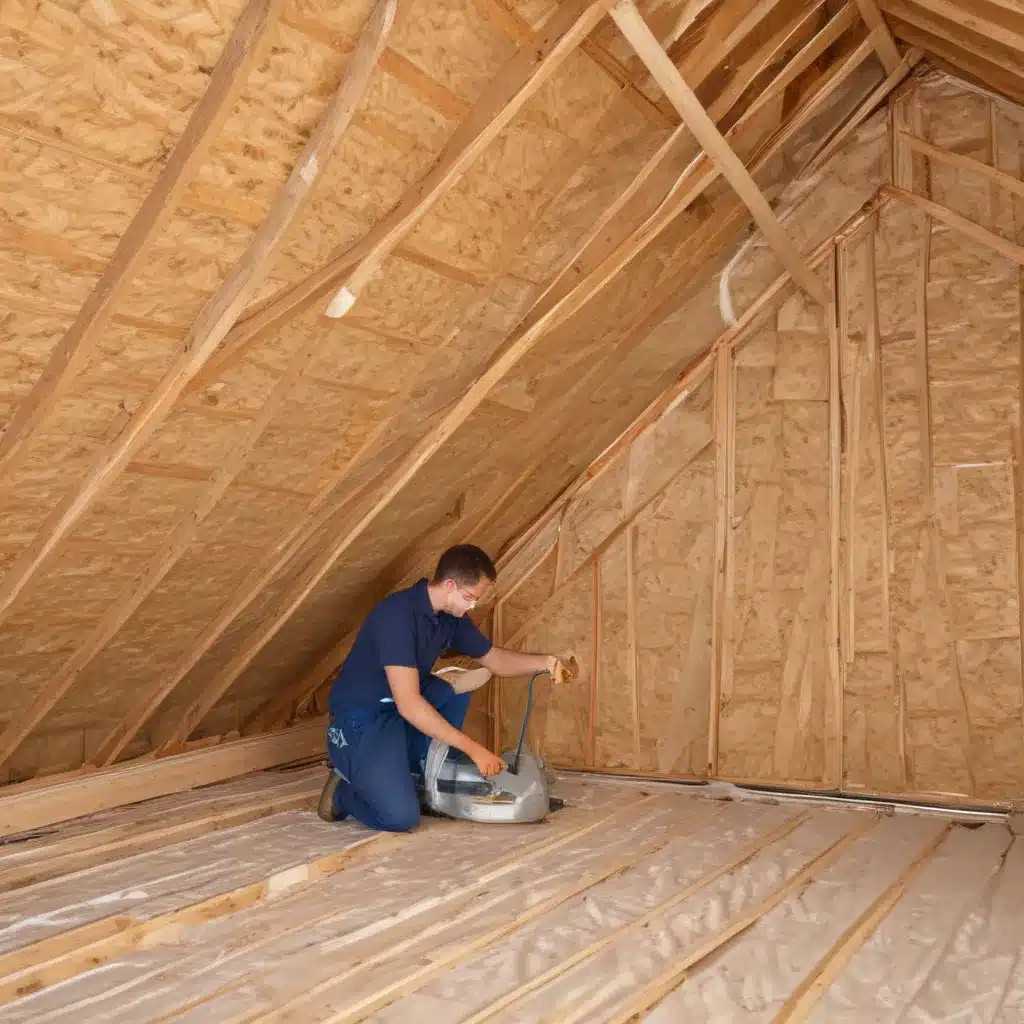
Ensuring your home’s attic is properly insulated is one of the most impactful energy-efficiency upgrades you can make. In our 15 years installing… Up to 25% of a home’s heat can be lost through an under-insulated attic, leading to higher energy bills and reduced comfort. Whether you’re upgrading an older home or insulating a new build, choosing the right insulation materials and R-values for your climate is crucial.
Types of Insulation Materials
When it comes to attic insulation, there are several common materials to consider, each with its own advantages:
Fiberglass Insulation: Fiberglass batts or rolls are a classic and affordable option. Fiberglass provides good thermal and acoustic insulation, is easy to install, and is available in a range of R-values.
Cellulose Insulation: Made from recycled newspaper and other materials, cellulose insulation is a eco-friendly choice. It can be blown into place to fill cavities and provides excellent air sealing.
Spray Foam Insulation: Spray foam expands to fill every nook and cranny, creating an effective air barrier. It boasts high R-values and is well-suited for complex attic spaces. However, spray foam installation requires professional expertise.
Rigid Foam Insulation: Rigid foam boards, such as expanded polystyrene (EPS) or extruded polystyrene (XPS), offer exceptional thermal performance in a compact form. They’re ideal for attic hatches, cathedral ceilings, and other difficult-to-insulate areas.
When selecting insulation, be sure to consider factors like R-value, ease of installation, air sealing capabilities, and environmental impact. Consulting with a professional can help you determine the best insulation materials for your specific attic and climate.
Insulation R-Values
The R-value is a measure of an insulation material’s resistance to heat flow. The higher the R-value, the better the insulation’s thermal performance. Proper R-value selection is crucial for achieving optimal energy efficiency in your home.
The recommended R-values for attics vary by climate zone. As a general guideline:
- In colder climates (Climate Zones 4-8), aim for R-49 to R-60 in the attic.
- In moderate climates (Climate Zones 1-3), R-30 to R-49 is typically sufficient.
Keep in mind that the R-value of loose-fill insulation like cellulose or fiberglass does not increase proportionately with thickness due to compression. Consult manufacturer guidelines or a professional to determine the correct depth and weight per square foot to achieve your desired R-value.
Other factors that can impact R-value performance include:
- Thermal Bridging: Heat can bypass insulation through framing members, reducing overall thermal resistance.
- Moisture and Aging: Over time, insulation can degrade, settle, or become saturated, compromising its R-value.
- Installation Quality: Improper installation, gaps, or compression can significantly reduce insulation effectiveness.
Be sure to assess your existing attic insulation and work with a qualified professional to double-check that your new insulation is installed correctly for maximum energy savings.
Energy Efficiency Considerations
Optimizing your attic insulation goes beyond just selecting the right materials. To achieve the greatest energy efficiency, you’ll also need to address thermal resistance, moisture management, and ventilation.
Thermal Resistance
Insulation’s primary role is to resist the flow of heat, whether it’s heat escaping your home in the winter or heat entering in the summer. This thermal resistance is measured by the R-value, as discussed earlier. However, other factors like thermal conductivity and thermal transmittance also play a role.
Thermal Conductivity: This measures how easily heat can pass through a material. Lower thermal conductivity means better insulating performance.
Thermal Transmittance: Also known as the U-factor, this measures the rate of heat transfer through a building assembly, accounting for all materials and air spaces. The lower the U-factor, the better the insulating performance.
Moisture Management
Moisture can significantly compromise the effectiveness of insulation. Proper vapor barriers and air sealing are crucial to prevent moisture buildup and double-check that the long-term performance of your attic insulation.
Vapor Barriers: These materials, such as polyethylene sheets or foil-faced insulation, help control the flow of water vapor to prevent condensation within the insulation.
Air Sealing: Sealing any cracks, gaps, or openings in the attic floor and walls is essential to eliminate air leaks that can transport moisture and degrade insulation.
Ventilation Requirements
Adequate attic ventilation is necessary to maintain a healthy, energy-efficient home. Proper airflow helps prevent moisture buildup and ice dams in cold climates, while also reducing heat buildup in warm weather.
Attic Ventilation: double-check that your attic has a balanced system of intake vents (e.g., soffit or eave vents) and exhaust vents (e.g., ridge, gable, or roof vents) to promote proper air circulation.
Moisture Control: Ventilation, combined with vapor barriers and air sealing, helps remove excess moisture and maintain a dry attic environment, preserving the insulation’s integrity.
By addressing these energy efficiency considerations in addition to selecting the right insulation materials, you can create a highly insulated, airtight, and well-ventilated attic that maximizes your home’s comfort and energy savings.
Installation Techniques
Whether you’re working with an existing attic or installing insulation in a new construction project, proper installation techniques are critical for achieving the desired performance.
Existing Attic Insulation
If your home already has some attic insulation, start by assessing its condition and R-value. Look for signs of damage, compression, or uneven coverage that may be compromising its effectiveness.
Upgrading Existing Insulation: You can often improve the insulating value by adding a new layer of insulation over the existing material. This “topping up” approach can be an efficient way to boost your attic’s energy efficiency.
Removing and Replacing: In some cases, it may be necessary to completely remove old, degraded insulation and start fresh. This allows you to properly address any air sealing or moisture issues before installing new, high-performance insulation.
New Construction Insulation
When insulating a new attic, you have more flexibility in terms of installation techniques and materials. Consider the following approaches:
Insulating Attic Floors: Laying batt or blown-in insulation between the floor joists is a common method for new construction. This helps create a thermal barrier between the living space and the unconditioned attic.
Insulating Attic Ceilings: Alternatively, you can insulate the attic ceiling, typically using rigid foam boards or spray foam. This helps contain the home’s conditioned air and maintain a consistent temperature throughout.
Safety Considerations
Proper safety precautions are essential when working with insulation materials. Be sure to:
- Wear appropriate personal protective equipment (PPE), such as gloves, goggles, and a mask or respirator.
- Avoid disturbing or damaging any electrical wiring, light fixtures, or other building components in the attic.
- double-check that adequate ventilation and take breaks as needed to prevent respiratory issues.
- Follow all manufacturer instructions and local building code requirements for insulation installation.
Consulting with a professional insulation contractor can help double-check that your attic insulation project is completed safely and effectively.
Sustainability and Environmental Impact
As homeowners become increasingly conscious of their environmental footprint, the sustainability of insulation materials has become an important consideration.
Renewable Insulation Materials
Some insulation options, such as cellulose and natural fiber insulation, use recycled or renewable materials, reducing their environmental impact. These eco-friendly options can be a great choice for homeowners looking to minimize their carbon footprint.
Recycled Content Insulation: Many fiberglass and mineral wool insulation products contain a significant percentage of recycled content, often from post-consumer or post-industrial waste.
Eco-Friendly Insulation: Innovative insulation materials like sheep’s wool, cotton, or hempcrete offer renewable, biodegradable alternatives to traditional insulation.
Energy Savings and Emissions Reduction
Proper attic insulation is not only beneficial for your home’s energy efficiency, but it also plays a crucial role in reducing your overall carbon footprint.
Improved Thermal Efficiency: By minimizing heat transfer through the attic, high-performance insulation helps your HVAC system operate more efficiently, reducing energy consumption and associated greenhouse gas emissions.
Reduced Carbon Footprint: The energy savings achieved through effective attic insulation can significantly lower your home’s carbon emissions over time, contributing to a more sustainable future.
When planning your attic insulation project, consider the environmental impact and long-term sustainability of the materials you choose. Consulting with a home energy professional can help you make informed decisions that align with your eco-friendly goals.
Building Codes and Regulations
Homeowners and contractors might want to adhere to local building codes and energy efficiency requirements when installing attic insulation. Understanding these regulations can help double-check that your project is compliant and eligible for potential incentives.
Local Insulation Requirements
Most municipalities and states have established minimum R-value standards for attic insulation, often based on the climate zone. These requirements help double-check that new and renovated homes meet baseline energy efficiency thresholds.
Minimum R-Value Standards: The specific R-value requirements can vary, but generally range from R-30 to R-60 for attics, depending on your location and climate.
Insulation Compliance Measures: Building inspectors may evaluate insulation depth, coverage, and installation quality to verify compliance with local codes. Proper documentation and labeling of insulation materials is also essential.
Energy Efficiency Incentives
Many utility companies, state governments, and federal programs offer rebates, tax credits, or other financial incentives to encourage homeowners to upgrade their insulation and improve overall energy efficiency.
Rebates and Tax Credits: Incentives can help offset the upfront costs of insulation projects, making energy-efficient upgrades more accessible.
Utility Company Programs: Some local utility providers offer specialized programs or discounts for customers who improve their home’s insulation and weatherization.
By understanding and meeting the applicable building codes and taking advantage of available efficiency incentives, you can maximize the benefits of your attic insulation project while contributing to broader sustainability goals.
Ensuring your home’s attic is properly insulated is a critical step in enhancing energy efficiency, reducing utility costs, and creating a more comfortable living environment. By carefully considering the various insulation materials, R-values, installation techniques, and environmental factors, you can make informed decisions that will pay dividends for years to come. Consult with a trusted home renovation specialist to develop the best insulation strategy for your unique needs and climate. Together, we can help you Rule Your Attic and achieve your home improvement goals.
Statistic: Studies show that timely home renovation can increase property value by up to 20%


