
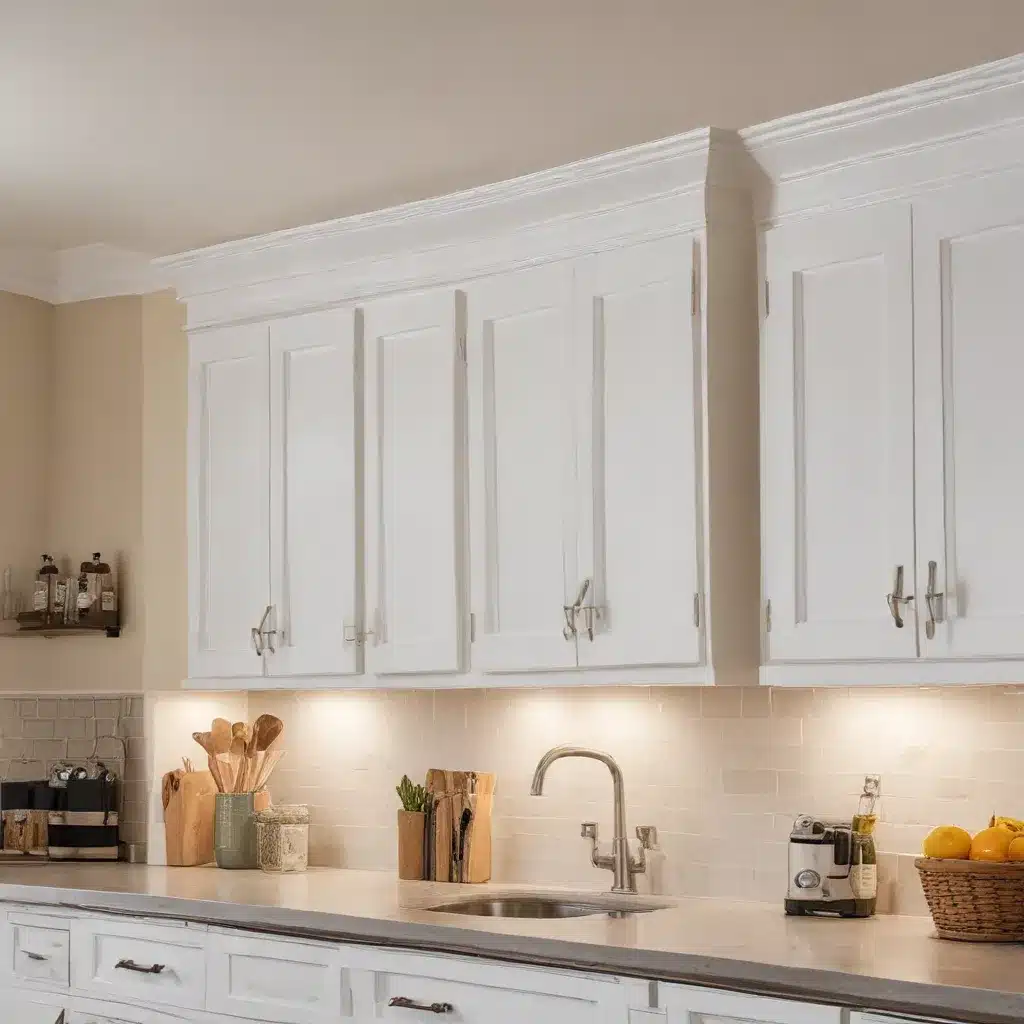
Understanding Crown Molding for Kitchen Cabinets
Crown molding serves as a decorative finish that can elevate the look of kitchen cabinets from ordinary to extraordinary. As a home construction specialist, I’ve seen firsthand how this simple addition can transform the entire aesthetic of a kitchen. Crown molding bridges the gap between the top of the cabinets and the ceiling, creating a seamless and polished appearance.
In my years of experience, I’ve found that many homeowners underestimate the impact of crown molding. It’s not just about filling a space; it’s about adding character and depth to your kitchen design. The right crown molding can make cabinets appear taller and more luxurious, enhancing the overall value of your kitchen.
When considering crown molding for kitchen cabinets, it’s essential to think about the style of your kitchen. Are you aiming for a traditional look with ornate details, or do you prefer a more modern, sleek design? The profile of the crown molding should complement the existing elements in your kitchen, from the cabinet doors to the hardware.
Selecting the Right Crown Molding
Choosing the appropriate crown molding for your kitchen cabinets is crucial. In my professional opinion, the selection process should take into account several factors:
-
Material: Wood, MDF (Medium-Density Fiberboard), and polyurethane are common options. Each has its pros and cons in terms of durability, cost, and ease of installation.
-
Size: The scale of the molding should be proportionate to your cabinets and room size. Too small, and it may look insignificant; too large, and it could overwhelm the space.
-
Profile: This refers to the shape and design of the molding. Profiles can range from simple and streamlined to complex and ornate.
-
Finish: Consider whether you want the molding to match your cabinets exactly or serve as a contrasting element.
In my experience, wood remains a popular choice for its versatility and classic appeal. However, MDF has gained traction for its cost-effectiveness and stability, especially in areas with humidity fluctuations. Polyurethane, while more expensive, offers excellent durability and resistance to moisture.
When I work with clients, I often recommend bringing home samples of different moldings to see how they look in your actual kitchen lighting and alongside your cabinets. This step can save a lot of headaches down the line.
Preparation for Installation
Before diving into the installation process, proper preparation is key. I’ve seen many DIY projects go awry due to inadequate planning. Here’s what I recommend:
-
Measure carefully: Take precise measurements of the areas where you’ll be installing the crown molding. Always add a few extra inches to account for cuts and mistakes.
-
Gather tools: You’ll need a miter saw, measuring tape, level, nail gun, wood filler, caulk, and sandpaper at a minimum.
-
Plan your cuts: Sketch out your kitchen layout and plan where each piece will go, including corners and joints.
-
Acclimate the molding: If you’re using wood, let it sit in your kitchen for at least 48 hours to adjust to the room’s humidity and temperature.
-
Prepare the work area: Clear the tops of your cabinets and ensure you have a stable work surface for cutting.
One tip I always share with homeowners is to create a cutting guide. This simple jig can be made from scrap wood and helps maintain consistent angles when cutting your molding. It’s a game-changer for achieving professional-looking results.
Cutting Techniques for Crown Molding
Cutting crown molding can be tricky, even for experienced professionals. The key is understanding the angles and how they work together. Here’s my approach:
-
Inside corners: These are the most common in kitchen cabinets. For a perfect fit, you’ll need to cut opposing 45-degree angles.
-
Outside corners: Less common, but still important. Again, you’ll cut 45-degree angles, but in the opposite direction of inside corners.
-
Scarf joints: These are used when you need to join two pieces of molding along a straight run. Cut each end at a 45-degree angle so they overlap seamlessly.
-
Coping: For inside corners, coping can give a tighter fit than mitered joints. It involves cutting one piece straight and then cutting the adjoining piece to match its profile.
I always recommend practicing on scrap pieces before cutting your actual molding. It’s better to waste a few inches of material than to make a costly mistake on your final pieces.
Remember, when cutting crown molding, it’s positioned upside down in the miter saw. This can be confusing at first, but with practice, it becomes second nature. I’ve found that marking the bottom edge of the molding with a pencil helps keep things oriented correctly.
Installation Process
Installing crown molding on kitchen cabinets requires patience and precision. Here’s the process I follow:
-
Start with the longest, most visible run: This sets the standard for the rest of the installation.
-
Use a level: Ensure your molding is perfectly level as you install it. Even small discrepancies can be noticeable.
-
Secure with a nail gun: I prefer 18-gauge brad nails for most installations. They provide a strong hold without being too visible.
-
Work your way around: Move systematically around the kitchen, fitting pieces as you go.
-
Address corners carefully: These are the most visible areas, so take extra care to ensure tight fits.
-
Fill nail holes and caulk joints: This gives a seamless, professional finish.
One trick I’ve learned over the years is to use painter’s tape along the cabinet tops and ceiling. This protects surfaces from excess caulk and makes for cleaner lines.
Finishing Touches
The final steps can make or break your crown molding installation:
-
Sand filled nail holes: Once the wood filler is dry, sand it smooth for an invisible repair.
-
Caulk all seams: This includes joints between molding pieces and where the molding meets the cabinet and ceiling.
-
Touch up paint or stain: If necessary, carefully apply paint or stain to match the rest of the molding and cabinets.
-
Clean up: Wipe down the molding to remove any dust or debris from the installation process.
In my experience, taking the time to properly finish your crown molding installation is what sets a professional job apart from an amateur one. Don’t rush these final steps – they’re crucial for achieving that polished look.
Maintaining Your Crown Molding
Once your crown molding is installed, proper maintenance will keep it looking great for years to come. Here are my tips:
-
Regular dusting: Use a soft cloth or duster to prevent build-up of kitchen grease and dust.
-
Gentle cleaning: For deeper cleaning, use a damp cloth with mild soap. Avoid harsh chemicals that can damage the finish.
-
Touch up as needed: Keep some matching paint or stain on hand for quick repairs.
-
Monitor for moisture: Kitchen humidity can affect wood molding. Address any signs of warping or separation promptly.
By following these maintenance steps, you’ll protect your investment and keep your kitchen looking its best.
Common Mistakes to Avoid
In my years of working on kitchen renovations, I’ve seen several common mistakes when it comes to crown molding installation:
-
Incorrect measurements: Always measure twice and cut once. Inaccurate measurements lead to wasted material and poor fits.
-
Neglecting to account for cabinet irregularities: Not all cabinets are perfectly level or square. You may need to make adjustments to ensure a seamless look.
-
Rushing the job: Crown molding installation requires patience. Rushing can result in sloppy cuts and gaps in joints.
-
Skimping on quality: While it’s tempting to cut costs, using low-quality materials often leads to disappointing results and the need for premature replacement.
-
Overlooking the importance of caulk: Proper caulking is essential for a professional finish. Don’t skip this step or use low-quality caulk.
By being aware of these potential pitfalls, you can avoid them and achieve a result that looks truly professional.
Enhancing Your Kitchen’s Value
Adding crown molding to your kitchen cabinets is more than just an aesthetic choice – it can actually increase the value of your home. In my experience working with real estate professionals, kitchens with well-executed details like crown molding tend to command higher prices.
Crown molding gives the impression of custom cabinetry, even if you’re working with standard cabinets. This perceived upgrade can be a significant selling point if you ever decide to put your home on the market.
Moreover, the timeless appeal of crown molding means it’s unlikely to go out of style. Unlike trendy kitchen features that may date quickly, classic crown molding remains desirable year after year.
Customization Options
One aspect of crown molding that I love is the potential for customization. Here are some ways you can make your crown molding unique:
-
Layered molding: Combine different profiles to create a more elaborate look.
-
Painted accents: Use contrasting paint colors to highlight the molding’s details.
-
Integrated lighting: Install LED strip lighting behind the molding for a subtle glow.
-
Mixed materials: Combine wood molding with metal accents for a modern twist.
These customization options allow you to create a truly one-of-a-kind kitchen that reflects your personal style.
Professional Installation vs. DIY
While many homeowners are tempted to tackle crown molding as a DIY project, there are pros and cons to consider:
DIY Pros:
– Cost savings on labor
– Sense of personal accomplishment
– Flexibility in timing and pace of work
DIY Cons:
– Potential for mistakes and wasted materials
– Time-consuming, especially for novices
– May lack the polished look of professional installation
Professional Installation Pros:
– Expertise and experience ensure high-quality results
– Efficient completion of the project
– Access to specialized tools and techniques
Professional Installation Cons:
– Higher upfront cost
– Less personal involvement in the project
– Scheduling may depend on contractor availability
In my professional opinion, the decision between DIY and hiring a professional often comes down to your skill level, available time, and budget. For those with woodworking experience and the right tools, DIY can be rewarding. However, if you’re unsure or want guaranteed results, professional installation is worth considering.
Integrating Crown Molding with Your Kitchen Design
Crown molding shouldn’t be an afterthought – it should be integrated into your overall kitchen design. Here are some considerations:
-
Coordinate with other trim: Ensure your crown molding complements other trim elements in your kitchen, such as baseboards or window casings.
-
Consider your cabinet style: The profile of your crown molding should match the style of your cabinets. Ornate molding pairs well with traditional cabinets, while simpler profiles suit modern designs.
-
Think about proportion: The size of your crown molding should be in proportion to your cabinet height and overall room size.
-
Color coordination: Decide whether you want your crown molding to match your cabinets exactly or serve as a contrasting element.
By thinking holistically about your kitchen design, you can ensure that your crown molding enhances rather than detracts from the overall aesthetic.
Future Trends in Kitchen Cabinet Crown Molding
As a professional always keeping an eye on industry trends, I’ve noticed some exciting developments in kitchen cabinet crown molding:
-
Minimalist profiles: In line with modern design trends, sleeker, more understated crown molding profiles are gaining popularity.
-
Sustainable materials: Eco-friendly options made from recycled or sustainably sourced materials are becoming more widely available.
-
Smart integration: Some innovative designs incorporate smart home features, such as hidden speakers or ambient lighting.
-
Mixed media: Combining traditional wood molding with metal or glass elements for a unique, contemporary look.
-
Bold colors: Moving away from traditional white or wood tones, some homeowners are opting for bold, statement-making colors in their crown molding.
These trends offer exciting possibilities for homeowners looking to add a modern twist to the classic elegance of crown molding.
Conclusion
Crown molding is a timeless addition to kitchen cabinets that can dramatically enhance the overall look and value of your kitchen. Whether you choose to tackle the installation yourself or hire a professional, the key is in the details – from selecting the right profile to ensuring precise cuts and a flawless finish.
Remember, crown molding is more than just a decorative element; it’s an investment in your home. By approaching the project with care and consideration, you can achieve stunning results that will stand the test of time.
For more information on kitchen renovations and to explore professional kitchen fitting services, visit ABC Home’s kitchen fitting page. With the right approach and attention to detail, your kitchen cabinet crown molding can become the crowning glory of your home improvement project.


