
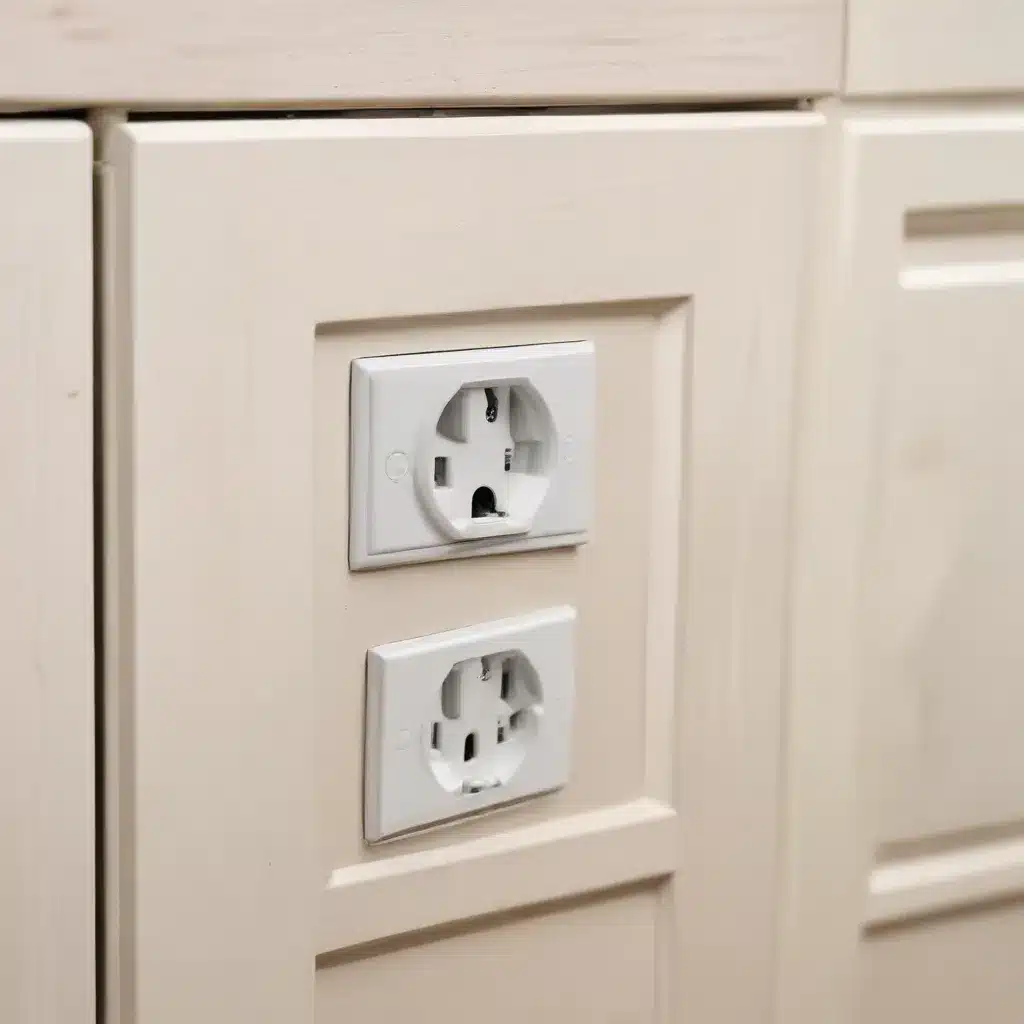
Understanding the Basics of Kitchen Electrical Systems
As a home construction specialist with over two decades of experience, I’ve seen firsthand how crucial proper electrical systems are in kitchens. The heart of your home isn’t just about culinary creations; it’s a hub of electrical activity that requires careful planning and execution.
Kitchen electrical systems have evolved significantly over the years. When I first started in this industry, kitchens typically had just a handful of outlets. Now, with the proliferation of countertop appliances and smart devices, the electrical needs of modern kitchens have expanded dramatically.
The foundation of any kitchen electrical system lies in understanding the National Electrical Code (NEC). This code, which is updated every three years, sets the standard for electrical safety in residential and commercial buildings. It’s not just a set of arbitrary rules; it’s a living document that adapts to new technologies and safety concerns.
The Importance of Proper Outlet Placement
One of the most critical aspects of kitchen electrical systems is the placement of outlets. I remember a renovation project where the homeowner initially wanted to skimp on outlets to save costs. After explaining the importance of proper outlet placement, not just for convenience but for safety, they quickly changed their mind.
The NEC mandates that kitchen countertop areas must have outlets spaced no more than 4 feet apart. This requirement exists for a good reason. It ensures that you’re never more than 2 feet away from an outlet, reducing the need for potentially hazardous extension cords.
Additionally, every countertop space 12 inches or wider must have an outlet. This includes islands and peninsulas. I once worked on a kitchen with a large island that the homeowner envisioned as a baking station. By adhering to the code and strategically placing outlets, we created a functional space that met both safety standards and the client’s needs.
GFCI Protection: A Must-Have Safety Feature
Ground Fault Circuit Interrupter (GFCI) protection is non-negotiable in kitchen electrical systems. These devices monitor the flow of electricity and can quickly cut power if they detect an imbalance, potentially saving lives.
In my early days, GFCI outlets were somewhat of a novelty. Now, they’re required in all kitchen outlets. I’ve seen firsthand how these devices can prevent electrical shocks, especially in areas prone to water splashes.
Dedicated Circuits: Powering Your Kitchen Efficiently
Modern kitchens demand more power than ever before. That’s why dedicated circuits are essential for major appliances. In a recent project, I worked with a family who loved to cook and had multiple high-power appliances. We installed dedicated circuits for their refrigerator, dishwasher, microwave, and electric range.
Dedicated circuits prevent overloading, which can lead to tripped breakers or, worse, electrical fires. It’s a small investment that pays off in safety and convenience.
Planning for the Future: Electrical Upgrades in Kitchen Renovations
When renovating older kitchens, it’s crucial to bring the electrical system up to current code standards. This often means adding new circuits and upgrading the electrical panel. I recently worked on a century-old home where we had to completely overhaul the kitchen’s electrical system. While it was a significant undertaking, the result was a modern, safe kitchen that retained its historic charm.
One aspect I always emphasize to clients is the importance of planning for future needs. For instance, installing a few extra outlets or running conduit for potential future additions can save a lot of headache and expense down the line.
The Role of Arc-Fault Circuit Interrupters (AFCIs)
Arc-Fault Circuit Interrupters (AFCIs) are another crucial safety feature in modern kitchen electrical systems. These devices detect electrical arcs, which can occur in damaged or deteriorating wiring, and cut off power to prevent fires.
I’ve seen AFCIs prevent potential disasters in older homes where the wiring was showing signs of wear. In one renovation, we discovered old wiring that was a fire waiting to happen. By installing AFCIs, we added an extra layer of protection for the homeowners.
Lighting Considerations in Kitchen Electrical Planning
Proper lighting is essential in any kitchen, and it’s an integral part of the electrical planning process. I always recommend a mix of ambient, task, and accent lighting to create a functional and inviting space.
In a recent project, we installed under-cabinet LED lighting, recessed ceiling lights, and pendant lights over the island. Each lighting type was on its own switch, giving the homeowners maximum control over their kitchen’s ambiance.
Remember, lighting circuits in kitchens must be AFCI protected. This is a relatively new requirement that many homeowners aren’t aware of, but it’s crucial for safety.
The Impact of Smart Home Technology on Kitchen Electrical Systems
Smart home technology is revolutionizing kitchen electrical systems. From smart outlets that can be controlled via smartphone to integrated lighting systems, the possibilities are endless.
In a recent high-end renovation, we installed a smart electrical system that allowed the homeowners to control every aspect of their kitchen’s electrical usage from their phones. This included monitoring energy consumption, setting schedules for appliances, and even receiving alerts if an appliance was left on.
While smart technology can enhance convenience and energy efficiency, it’s important to ensure that these systems are installed correctly and securely. Always work with a professional who understands both the electrical and technological aspects of these systems.
Common Mistakes to Avoid in Kitchen Electrical Installations
Over the years, I’ve seen my fair share of electrical mistakes in kitchens. One common error is underestimating the power needs of modern appliances. I once consulted on a kitchen where the homeowner had installed a high-power induction cooktop on a circuit that couldn’t handle the load. The result was constantly tripped breakers and a very frustrated cook.
Another mistake is ignoring the importance of proper grounding. In older homes especially, inadequate grounding can pose serious safety risks. Always ensure that your kitchen’s electrical system is properly grounded.
Lastly, DIY electrical work is a big no-no. While it might be tempting to save money by doing electrical work yourself, the risks far outweigh any potential savings. Always hire a licensed electrician for kitchen electrical work.
The Future of Kitchen Electrical Systems
As we look to the future, I see kitchen electrical systems becoming even more sophisticated. Wireless charging surfaces built into countertops, advanced energy management systems, and even more integration with smart home technology are all on the horizon.
One exciting development I’m keeping an eye on is the potential for more efficient, eco-friendly electrical systems. As renewable energy becomes more prevalent, I anticipate seeing more kitchens with integrated solar panels or other alternative energy sources.
Conclusion: Prioritizing Safety and Functionality in Kitchen Electrical Systems
In conclusion, proper electrical planning is crucial for a safe and functional kitchen. From outlet placement to smart technology integration, every aspect of your kitchen’s electrical system plays a vital role in its overall performance and safety.
Remember, while the upfront cost of a well-designed electrical system might seem high, it’s an investment in your home’s safety and functionality. As a professional with years of experience in this field, I can attest to the peace of mind that comes with knowing your kitchen’s electrical system is up to code and built to last.
If you’re planning a kitchen renovation or building a new home, don’t overlook the importance of electrical planning. Consider consulting with a professional kitchen fitting service like ABC Home to ensure your kitchen not only looks great but functions safely and efficiently for years to come.
By prioritizing safety, planning for the future, and working with experienced professionals, you can create a kitchen that’s not just the heart of your home, but a safe, efficient, and enjoyable space for all your culinary adventures.


