
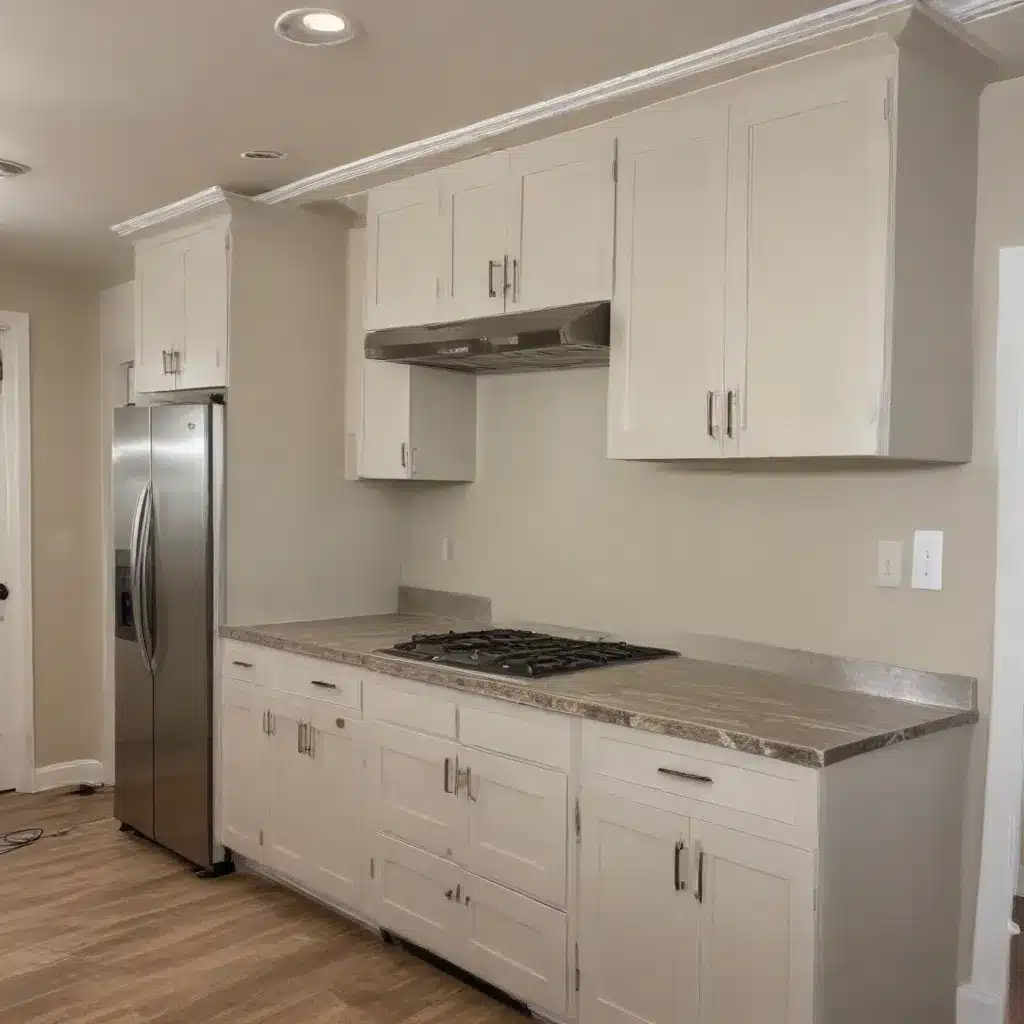
Understanding Electrical Panel Placement in Kitchens
As a seasoned home construction specialist, I’ve encountered numerous situations where electrical panel locations raise eyebrows. One particularly interesting scenario I’ve come across multiple times is the placement of electrical panels in kitchens. This topic often sparks debates among homeowners, builders, and inspectors alike.
The kitchen, being a central hub of activity in most homes, might seem like a logical place for an electrical panel. It’s easily accessible and often located near other major appliances. However, there are several factors to consider when it comes to the safety and practicality of this arrangement.
In my years of experience, I’ve noticed that kitchen electrical panel installations are more common in older homes or those that have undergone significant renovations. It’s not typically a feature you’d find in new constructions, where electrical planning is done from scratch. This observation has led me to investigate the reasons behind such placements and the potential issues they might present.
Safety Considerations for Kitchen Electrical Panels
When it comes to electrical panels in kitchens, safety is paramount. As someone who’s worked on countless home projects, I can’t stress enough the importance of adhering to safety standards. Let’s break down some key considerations:
Proximity to Water Sources
One of the primary concerns with kitchen electrical panels is their proximity to water sources. In many kitchens I’ve inspected, I’ve found panels situated worryingly close to sinks or dishwashers. This proximity raises legitimate safety concerns due to the increased risk of water contact with electrical components.
From my experience, while there’s no specific code that outright prohibits an electrical panel near a sink, it’s generally considered poor practice. The potential for water splashes or leaks to come into contact with the panel is simply too high for comfort. I always advise homeowners and builders to err on the side of caution and keep electrical panels at a safe distance from water sources.
Working Space Requirements
Another crucial aspect of electrical panel placement is the working space around it. I’ve seen far too many instances where kitchen renovations have compromised the clearance around electrical panels. This is not just inconvenient; it’s a violation of electrical codes.
The standard requirement, which I always emphasize to my clients, is a clear working space of 30 inches wide by 36 inches deep in front of the panel. This space needs to extend from the floor to a height of 6.5 feet or the height of the equipment, whichever is greater. I’ve had to recommend significant layout changes in kitchens where cabinets or appliances encroached on this space.
Regulatory Aspects of Electrical Panel Placement
As someone deeply involved in the construction industry, I’ve had to navigate the complex web of building codes and regulations. When it comes to electrical panel placement in kitchens, there are several regulatory aspects to consider:
National Electrical Code (NEC) Guidelines
The NEC doesn’t explicitly prohibit electrical panels in kitchens, but it does provide guidelines that effectively make it challenging to install them there safely. I always refer to these guidelines when advising on panel placement:
-
Working Space: As mentioned earlier, the NEC requires a clear working space in front of electrical panels. This requirement alone can be difficult to meet in many kitchen layouts.
-
Environmental Conditions: The code emphasizes the importance of placing electrical equipment in suitable environments. Kitchens, with their high moisture levels and potential for splashes, aren’t ideal.
-
Accessibility: Panels must be readily accessible. In a kitchen, this can be problematic if the panel is blocked by appliances or cabinetry.
Local Building Codes
It’s important to note that while the NEC provides a national standard, local building codes can have additional requirements. In my work across different regions, I’ve encountered variations in how strictly these guidelines are enforced.
Some local jurisdictions I’ve worked with have outright banned electrical panels in kitchens, while others allow them with specific conditions. I always advise checking with local authorities before making any decisions about panel placement.
Practical Implications of Kitchen Electrical Panels
Having dealt with numerous kitchen renovations, I’ve seen firsthand the practical challenges that arise from having an electrical panel in this space. Let’s explore some of these implications:
Impact on Kitchen Design and Functionality
An electrical panel can significantly impact kitchen design and functionality. In my experience, it often becomes a focal point that designers struggle to work around. Here are some common issues I’ve encountered:
-
Limited Cabinet Space: The panel and its required clearance can eat into valuable cabinet space. I’ve seen kitchens where homeowners had to sacrifice storage to accommodate the panel.
-
Appliance Placement: The location of the panel can dictate where large appliances can be placed, potentially leading to less-than-ideal kitchen layouts.
-
Aesthetic Concerns: Let’s face it, an electrical panel isn’t the most attractive feature in a kitchen. I’ve worked with clients who’ve gone to great lengths to conceal panels, sometimes compromising accessibility in the process.
Maintenance and Accessibility Challenges
Maintaining and accessing an electrical panel in a kitchen can be problematic. I’ve been called to homes where accessing the panel required moving appliances or clearing out cabinets. This not only creates inconvenience but can also delay critical maintenance or emergency responses.
Alternatives to Kitchen Electrical Panels
Given the challenges associated with kitchen electrical panels, I often recommend exploring alternative locations. Here are some options I typically suggest to my clients:
Utility Rooms or Basements
In many homes I’ve worked on, relocating the panel to a utility room or basement has been an excellent solution. These areas typically offer:
- Ample Space: It’s easier to meet clearance requirements without compromising living space.
- Reduced Moisture Exposure: These areas are generally drier than kitchens, reducing the risk of water-related issues.
- Better Accessibility: Maintenance and repairs can be carried out without disrupting the main living areas.
Dedicated Electrical Closets
For homes without basements or suitable utility rooms, I often recommend creating a dedicated electrical closet. This approach offers several benefits:
- Centralized Location: It can be placed in a central part of the home for easy access.
- Customized Design: The space can be designed specifically to house electrical equipment safely.
- Improved Safety: It keeps electrical components away from high-traffic areas and water sources.
Retrofitting and Renovating Homes with Existing Kitchen Panels
In my career, I’ve encountered many older homes with electrical panels in the kitchen. When renovating these properties, dealing with existing panels can be challenging. Here’s how I typically approach these situations:
Assessing the Current Setup
The first step is always a thorough assessment of the existing panel location. I look at:
- Code Compliance: Does the current setup meet modern safety standards?
- Functionality: How does the panel impact kitchen use and design?
- Potential Risks: Are there any immediate safety concerns that need addressing?
Options for Relocation
If relocation is feasible, I usually recommend it. However, this decision depends on several factors:
- Budget: Moving a panel can be costly, involving both electrical work and potential structural changes.
- Home Layout: Some homes simply don’t have suitable alternative locations without major renovations.
- Electrical System Upgrades: Often, relocating the panel is an opportunity to upgrade the entire electrical system.
Working with Existing Panels
When relocation isn’t an option, I focus on making the existing setup as safe and functional as possible:
- Ensuring Proper Clearance: This might involve redesigning cabinetry or adjusting appliance placements.
- Improving Safety: Installing GFCI protection and ensuring proper grounding.
- Aesthetic Solutions: Finding creative ways to integrate the panel into the kitchen design without compromising accessibility.
Technological Advancements in Electrical Panels
The field of electrical panels is not static, and I’ve seen significant advancements over the years that can impact their placement and functionality, even in kitchens:
Smart Panels
One exciting development I’ve been incorporating into my projects is smart electrical panels. These offer several advantages:
- Remote Monitoring: Homeowners can track energy usage and receive alerts about potential issues.
- Improved Safety Features: Many smart panels include advanced circuit protection and fault detection.
- Integration with Home Automation: This allows for more efficient energy management throughout the home.
Compact Designs
Manufacturers are now producing more compact panel designs, which can be beneficial in tight spaces like kitchens:
- Reduced Footprint: Smaller panels are easier to integrate into kitchen designs.
- Improved Organization: Modern panels often have better internal organization, making maintenance easier.
- Enhanced Safety Features: Despite their smaller size, these panels often incorporate advanced safety technologies.
Best Practices for Electrical Panel Installation
Based on my extensive experience in home construction and renovation, here are some best practices I always follow and recommend for electrical panel installation:
Location Selection
Choosing the right location is crucial. I always consider:
- Accessibility: The panel should be easily accessible for both residents and electricians.
- Environmental Factors: Avoid areas prone to moisture, extreme temperatures, or physical damage.
- Future Expansion: Select a location that allows for potential system upgrades or additions.
Installation Process
Proper installation is key to ensuring safety and functionality:
- Professional Installation: Always use licensed electricians for panel installation or relocation.
- Code Compliance: Ensure all work meets or exceeds local and national electrical codes.
- Documentation: Keep detailed records of the installation, including permits and inspections.
Maintenance and Inspection
Regular maintenance is crucial for the longevity and safety of electrical panels:
- Annual Inspections: Schedule yearly checks by a qualified electrician.
- Homeowner Education: I always educate homeowners on basic panel maintenance and safety practices.
- Upgrade Planning: Keep an eye on evolving technologies and plan for future upgrades as needed.
Conclusion: Balancing Safety, Functionality, and Design
In my years of working in home construction and renovation, I’ve learned that the placement of electrical panels, especially in kitchens, requires a careful balance of safety, functionality, and design considerations. While it’s not always ideal to have a panel in the kitchen, sometimes it’s unavoidable, particularly in older homes or those with limited alternative spaces.
The key is to approach each situation with a thorough understanding of electrical codes, safety standards, and practical implications. Whether you’re building a new home, renovating an existing one, or simply reassessing your current setup, it’s crucial to prioritize safety above all else.
Remember, electrical systems are the lifeblood of modern homes, and their proper installation and maintenance are paramount. When in doubt, always consult with licensed professionals who can provide expert guidance tailored to your specific situation.
For those looking to explore kitchen renovation options, including electrical considerations, I recommend checking out ABC Home’s kitchen fitting services. They offer excellent insights into modern kitchen design and functionality.
As we continue to see advancements in home electrical systems, staying informed about the latest technologies and best practices is essential. By doing so, we can create safer, more efficient, and more comfortable living spaces for ourselves and our clients.


