
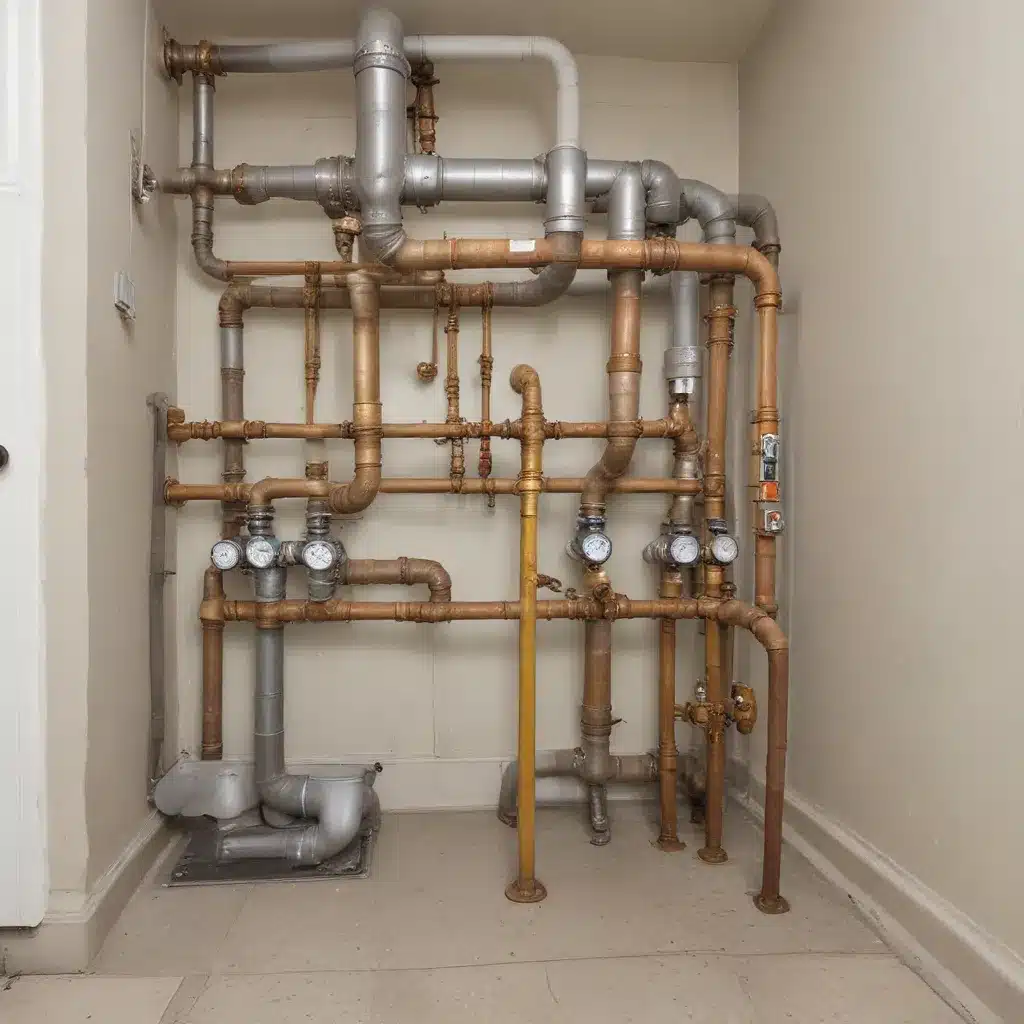
The Importance of Proper Gas Pipe Sizing in Kitchen Renovations
When I’m working on kitchen renovations, one of the most critical aspects I always pay close attention to is gas pipe sizing. It’s not the most glamorous part of a renovation, but it’s absolutely essential for safety and efficiency. I’ve seen firsthand how improper sizing can lead to significant issues down the line.
Gas pipe sizing is all about ensuring that your kitchen appliances receive the right amount of gas at the correct pressure. It’s like designing a highway system for your home – you need the right size roads to handle the traffic without congestion or breakdowns. Too small, and your appliances might not function properly; too large, and you’re wasting resources and potentially creating safety hazards.
In my years of experience, I’ve encountered numerous homes where previous renovations didn’t take gas pipe sizing seriously enough. The results were often disappointing: stoves that couldn’t maintain proper heat, water heaters that struggled to keep up with demand, and in worst-case scenarios, dangerous gas leaks. That’s why I always stress to homeowners the importance of getting this fundamental aspect right from the start.
Factors Affecting Gas Pipe Sizing in Kitchen Installations
Several key factors come into play when determining the correct gas pipe size for a kitchen installation. Let’s break them down:
-
Gas Type: The type of gas you’re using makes a big difference. Natural gas and propane have different properties and flow characteristics. I always make sure to account for this when calculating pipe sizes.
-
Pressure Requirements: Each appliance has specific pressure needs. High-end professional ranges, for instance, often require higher pressure than standard residential stoves. It’s crucial to balance the system pressure to meet all appliance requirements.
-
Flow Rate and Demand: This is where things get a bit technical. We need to calculate the total gas demand of all appliances and ensure the pipes can handle the maximum potential flow rate. It’s not just about individual appliances, but how they might be used simultaneously.
-
Pipe Length and Layout: Longer pipe runs mean more pressure loss due to friction. The layout of your kitchen and the distance from the gas meter to each appliance plays a significant role in sizing calculations.
-
Fittings and Valves: Every elbow, tee, and valve in the system introduces additional resistance. I always factor these in when determining the equivalent length of the pipe run.
-
Local Codes and Regulations: Different areas have different requirements. I always make sure to stay up-to-date with local building codes to ensure compliance.
Understanding these factors is crucial for any kitchen renovation involving gas appliances. It’s not just about following a formula – it’s about comprehending how all these elements interact to create a safe and efficient system.
Calculating Gas Pipe Size: The Longest Length Method
One of the most reliable methods I use for gas pipe sizing is the Longest Length Method. It’s a straightforward approach that accounts for the most demanding scenario in your gas system. Here’s how I typically apply it:
- Identify Appliance Demand: First, I list out all the gas appliances in the kitchen and their gas consumption rates. For example:
| Appliance | Gas Demand (CFH) |
|---|---|
| Range | 65 |
| Oven | 50 |
| Water Heater | 35 |
-
Determine the Longest Run: I measure the longest continuous pipe run from the gas meter to the furthest appliance. This includes all horizontal and vertical sections.
-
Calculate Total Demand: I add up the gas demands of all appliances on this longest run.
-
Consult Sizing Tables: Using standardized tables, I cross-reference the total demand and pipe length to determine the correct pipe size.
-
Adjust for Pressure and Materials: Depending on the gas pressure and pipe material (iron, copper, or CSST), I may need to make adjustments to the initial calculations.
This method ensures that even in a worst-case scenario – when all appliances are running at full capacity – the system can deliver adequate gas flow.
Common Mistakes in Kitchen Gas Pipe Sizing
Over the years, I’ve seen numerous mistakes in gas pipe sizing. Here are some of the most common ones to avoid:
-
Underestimating Future Needs: Always plan for potential additions or upgrades. I’ve seen too many kitchens where adding a new appliance later became a major headache due to undersized pipes.
-
Ignoring Pressure Drop: Long pipe runs and multiple fittings can significantly reduce gas pressure. Failing to account for this can lead to poor appliance performance.
-
Oversizing: While it might seem safer to go bigger, oversized pipes can lead to higher installation costs and potential safety issues.
-
Neglecting Local Codes: Building codes can vary significantly between regions. What works in one area might not be permissible in another.
-
DIY Sizing: Gas pipe sizing is not a DIY job. I always recommend involving a qualified professional to ensure safety and compliance.
By avoiding these mistakes, you can ensure a safer, more efficient kitchen gas system that will serve you well for years to come.
Safety Considerations in Kitchen Gas Pipe Installation
Safety is paramount when dealing with gas systems. Here are some key safety considerations I always keep in mind:
-
Proper Ventilation: Ensure adequate ventilation for all gas appliances to prevent carbon monoxide buildup.
-
Regular Inspections: Schedule regular inspections of your gas system to catch potential issues early.
-
Quality Materials: Use only high-quality, approved materials for gas piping. Cutting corners here can have disastrous consequences.
-
Pressure Testing: Always conduct thorough pressure tests after installation to check for leaks.
-
Shut-off Valves: Install easily accessible shut-off valves for each appliance and the main gas line.
-
Documentation: Keep detailed records of your gas system layout and specifications. This is invaluable for future maintenance or renovations.
Remember, gas safety isn’t just about installation – it’s an ongoing commitment to maintaining a safe kitchen environment.
Choosing the Right Materials for Kitchen Gas Piping
When it comes to materials for gas piping, there are several options available. Each has its pros and cons:
-
Black Iron Pipe: This is the traditional choice. It’s durable and relatively inexpensive, but it’s heavy and can be labor-intensive to install.
-
Copper Tubing: Copper is lightweight and easy to work with, but it’s more expensive and requires special fittings for gas use.
-
Corrugated Stainless Steel Tubing (CSST): This is becoming increasingly popular. It’s flexible, easy to install, and resistant to corrosion. However, it requires special training to install properly.
-
Polyethylene (PE) Pipe: Used mainly for exterior, underground installations. It’s resistant to corrosion but not suitable for indoor use.
Here’s a comparison table of these materials:
| Material | Pros | Cons |
|---|---|---|
| Black Iron | Durable, Inexpensive | Heavy, Labor-intensive |
| Copper | Lightweight, Easy to work with | Expensive, Special fittings required |
| CSST | Flexible, Corrosion-resistant | Requires special training |
| PE | Corrosion-resistant | Only for exterior use |
The choice of material often depends on the specific requirements of the project, local codes, and budget considerations. I always discuss these options with homeowners to find the best fit for their kitchen renovation.
The Role of Technology in Modern Gas Pipe Sizing
Technology has significantly improved the process of gas pipe sizing in recent years. Here are some ways I’ve seen technology making a difference:
-
Sizing Software: Advanced software programs can now perform complex calculations quickly and accurately, taking into account multiple variables.
-
3D Modeling: We can create detailed 3D models of gas systems, helping to visualize the layout and identify potential issues before installation.
-
Smart Meters: Modern gas meters can provide real-time data on gas consumption, helping to optimize system performance.
-
Leak Detection Systems: Advanced sensors can now detect even tiny gas leaks, enhancing safety in kitchen environments.
-
Building Information Modeling (BIM): This technology allows for better coordination between different aspects of kitchen design, including gas systems.
These technological advancements have made gas pipe sizing more precise and efficient, leading to safer and more reliable kitchen gas systems.
Balancing Efficiency and Cost in Kitchen Gas System Design
Designing an efficient gas system while keeping costs under control can be challenging. Here are some strategies I use to strike the right balance:
-
Optimal Pipe Sizing: Accurate sizing ensures efficiency without overspending on unnecessarily large pipes.
-
Strategic Appliance Placement: Placing gas appliances closer to the main supply can reduce pipe length and installation costs.
-
Future-Proofing: Designing the system with potential future additions in mind can save money in the long run.
-
Material Selection: Choosing the right material based on the specific needs of the project can optimize both performance and cost.
-
Energy-Efficient Appliances: Recommending energy-efficient gas appliances can reduce overall gas consumption and operating costs.
-
Regular Maintenance: Implementing a regular maintenance schedule can prevent costly repairs and ensure long-term efficiency.
By carefully considering these factors, it’s possible to create a gas system that is both efficient and cost-effective.
The Impact of Building Regulations on Kitchen Gas Installations
Building regulations play a crucial role in ensuring the safety and efficiency of kitchen gas installations. These regulations can vary significantly depending on your location, but they generally cover aspects such as:
-
Pipe Sizing Standards: Specific requirements for minimum pipe sizes based on gas demand and distance.
-
Installation Methods: Guidelines on how gas pipes should be installed, including support, protection, and accessibility.
-
Ventilation Requirements: Standards for proper ventilation of gas appliances to prevent carbon monoxide buildup.
-
Safety Devices: Requirements for safety shut-off valves and other protective measures.
-
Testing and Certification: Protocols for pressure testing and system certification after installation.
-
Material Specifications: Approved materials and fittings for gas piping systems.
Staying compliant with these regulations is not just a legal requirement – it’s essential for the safety and performance of your kitchen gas system. I always ensure that my projects not only meet but exceed these standards.
It’s worth noting that regulations can change over time. For instance, in recent years, there’s been an increased focus on energy efficiency and reducing carbon emissions. This has led to new standards for gas appliances and system designs. Keeping up with these changes is part of my commitment to providing the best service to my clients.
Integrating Gas Systems with Modern Kitchen Design
One of the challenges in kitchen renovations is integrating gas systems seamlessly with modern kitchen designs. Here’s how I approach this:
-
Concealed Piping: Where possible, I design gas piping to be hidden within walls or under floors, maintaining a clean, modern look.
-
Flexible Connections: Using flexible gas connections for appliances allows for easier installation and future changes in kitchen layout.
-
Coordinated Planning: I work closely with kitchen designers to ensure that gas outlets are positioned optimally for both functionality and aesthetics.
-
Smart Controls: Incorporating smart gas shut-off valves and leak detectors that can be integrated with home automation systems.
-
Aesthetic Considerations: When pipes must be visible, I choose finishes that complement the kitchen design, such as brushed metal for industrial-style kitchens.
By thoughtfully integrating gas systems into the overall kitchen design, we can achieve both functionality and style.
Future Trends in Kitchen Gas Systems
As we look to the future, several trends are shaping the world of kitchen gas systems:
-
Hybrid Systems: We’re seeing an increase in kitchens that combine gas and electric appliances, offering flexibility and efficiency.
-
Smart Gas Management: Advanced systems that monitor gas usage and automatically adjust for optimal efficiency are becoming more common.
-
Renewable Gas Integration: Some areas are exploring the integration of renewable gases, like biogas, into existing natural gas systems.
-
Enhanced Safety Features: New technologies are emerging that can automatically shut off gas supply in case of leaks or earthquakes.
-
Energy Recovery Systems: Innovative designs that capture and reuse waste heat from gas appliances are gaining traction.
Staying ahead of these trends allows me to offer cutting-edge solutions to my clients, ensuring their kitchens are not just up-to-date, but ready for the future.
Conclusion: The Art and Science of Kitchen Gas Pipe Sizing
Gas pipe sizing in kitchen renovations is a perfect blend of art and science. It requires technical knowledge, experience, and a keen understanding of both current needs and future possibilities. While the calculations and regulations form the backbone of the process, it’s the thoughtful application of this knowledge that truly makes a difference.
Throughout my career, I’ve seen how proper gas pipe sizing can transform a kitchen from a functional space to a high-performance culinary workshop. It’s not just about meeting minimum requirements; it’s about creating a system that enhances the cooking experience, ensures safety, and stands the test of time.
For homeowners embarking on kitchen renovations, my advice is always to prioritize this often-overlooked aspect of kitchen design. Consult with professionals who understand the intricacies of gas systems and can guide you through the process. Remember, a well-designed gas system is an investment in your home’s safety, efficiency, and value.
As we continue to see advancements in kitchen technology and changes in energy policies, the field of gas pipe sizing will undoubtedly evolve. Staying informed and adaptable is key to creating kitchen gas systems that are not just adequate for today but ready for tomorrow’s innovations.
For more information on kitchen renovations and expert fitting services, visit ABC Home’s kitchen fitting page. With the right approach and expertise, your kitchen gas system can be a seamless, safe, and efficient part of your dream kitchen.


