
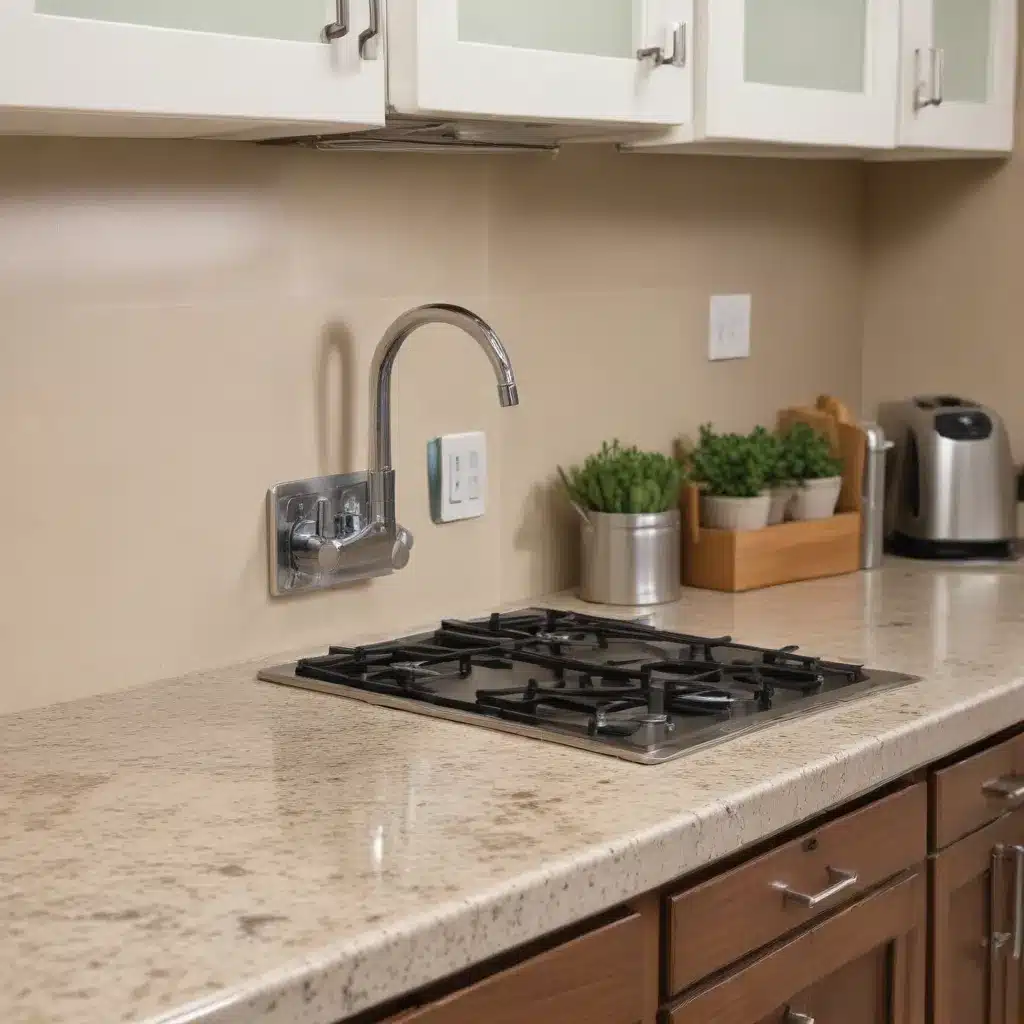
Understanding GFCI Technology in Kitchen Spaces
As a home construction specialist with over two decades of experience, I’ve seen firsthand how Ground Fault Circuit Interrupter (GFCI) technology has revolutionized kitchen safety. GFCIs are sophisticated devices that monitor the flow of electricity through a circuit. When they detect an imbalance, which could indicate a ground fault, they quickly cut off power to prevent electric shock.
In kitchens, where water and electricity often coexist, GFCIs are particularly crucial. They’ve become a standard safety feature, required by electrical codes in many countries, including the UK. I remember a time before widespread GFCI use when kitchen electrical accidents were more common. Now, with proper GFCI installation, we’ve significantly reduced these risks.
The technology behind GFCIs is fascinating. They work by comparing the amount of current flowing into a circuit with the amount flowing out. If there’s a difference of even a few milliamps, the GFCI trips, interrupting the power. This rapid response can mean the difference between a safe kitchen and a potentially dangerous situation.
GFCI Requirements for Kitchen Receptacles
The electrical code requirements for GFCI protection in kitchens have evolved over the years. In my early days as an electrician, only receptacles near sinks required GFCI protection. Now, the standards are much more comprehensive. Current regulations typically mandate GFCI protection for all kitchen receptacles.
This expansion of GFCI requirements reflects a growing understanding of electrical safety. I’ve worked on numerous kitchen renovations where updating the electrical system to meet these new standards was a primary concern. It’s not just about compliance; it’s about creating a safer environment for homeowners.
One interesting aspect of these requirements is how they apply to different types of kitchen appliances. While most countertop appliances plug into GFCI-protected outlets, some larger appliances like refrigerators or built-in ovens might have different requirements. It’s always important to consult the most recent electrical codes and appliance specifications when planning a kitchen electrical layout.
Installing GFCI Protection in Existing Kitchens
Retrofitting an older kitchen with GFCI protection can be a bit tricky, but it’s a challenge I’ve tackled many times. The process often involves replacing existing outlets with GFCI outlets or installing GFCI circuit breakers in the main panel. In some cases, we can protect multiple outlets with a single GFCI device at the start of the circuit.
When working on older homes, I’ve encountered various obstacles, from outdated wiring to limited space in electrical boxes. Each situation requires a unique approach. For instance, in one Victorian-era home, we had to get creative with wiring routes to avoid damaging the original plasterwork while still meeting modern safety standards.
It’s not just about installation; proper testing is crucial. After installing GFCI protection, I always conduct thorough tests to ensure they’re functioning correctly. This includes using specialized GFCI testers and simulating fault conditions to verify that the devices trip as intended.
GFCI Protection for Hardwired Kitchen Appliances
While most people are familiar with GFCI outlets, protecting hardwired appliances is equally important. In my experience, this is an area where homeowners and even some contractors can overlook GFCI requirements. Dishwashers, garbage disposals, and under-cabinet lighting are examples of hardwired appliances that often need GFCI protection.
Implementing GFCI protection for these appliances can be more complex than for standard outlets. Sometimes, it involves installing a GFCI breaker in the main panel or a special GFCI module near the appliance. I once worked on a kitchen where we had to install a GFCI module in a custom cabinet to protect a built-in coffee maker – a unique solution that met both safety requirements and aesthetic preferences.
It’s worth noting that not all hardwired appliances require GFCI protection. The specific requirements can vary based on the appliance type, location, and local electrical codes. As a professional, I always stay updated on the latest code requirements to ensure compliance and safety.
Common Misconceptions About Kitchen GFCI Protection
Throughout my career, I’ve encountered numerous misconceptions about GFCI protection in kitchens. One common belief is that GFCI outlets are unnecessary if the kitchen already has GFCI circuit breakers. While GFCI breakers can provide protection, they may not always offer the same level of sensitivity as GFCI outlets, especially in older installations.
Another misconception is that GFCI protection is only necessary for outlets near water sources. While it’s true that areas near sinks and dishwashers are high-risk zones, modern electrical codes often require GFCI protection for all kitchen receptacles. This comprehensive approach provides an extra layer of safety throughout the kitchen.
I’ve also encountered homeowners who believe that GFCI devices are prone to nuisance tripping and are therefore more trouble than they’re worth. In my experience, properly installed and maintained GFCI devices rarely trip without cause. When they do trip frequently, it’s often a sign of an underlying electrical issue that needs addressing.
Maintenance and Testing of Kitchen GFCI Devices
Regular maintenance and testing of GFCI devices are crucial for ensuring ongoing protection. I always advise homeowners to test their GFCI outlets monthly using the test and reset buttons. It’s a simple process that takes just a few seconds but can provide peace of mind and potentially save lives.
In my years of experience, I’ve seen GFCI devices fail due to age, wear, or environmental factors. That’s why I recommend replacing them every 10 years or so, even if they seem to be working fine. It’s a small investment in safety that can make a big difference.
When testing GFCI devices, it’s important to check not just the outlet itself but also any downstream outlets it protects. I recall a kitchen renovation where we discovered that a GFCI outlet was failing to protect the outlets further down the line, leaving a section of the kitchen vulnerable. A thorough test revealed the issue, allowing us to rectify it promptly.
Integrating GFCI Protection with Modern Kitchen Design
As kitchens have evolved, so has the challenge of integrating safety features like GFCI protection into modern designs. I’ve worked on sleek, minimalist kitchens where visible outlets were considered unsightly. In these cases, we’ve had to get creative, using pop-up outlets in countertops or hidden outlets in drawers, all while ensuring proper GFCI protection.
One interesting trend I’ve observed is the increasing use of USB charging ports in kitchen outlets. These convenient features need to be incorporated into GFCI-protected circuits as well. I’ve installed combination GFCI/USB outlets that provide both safety and functionality, meeting the needs of today’s tech-savvy homeowners.
Another consideration in modern kitchen design is the placement of appliances. With the trend towards open-plan living, kitchens are often integrated with living spaces. This can sometimes blur the lines of where GFCI protection is required. In these cases, I work closely with designers and homeowners to ensure safety without compromising on aesthetics.
The Future of Kitchen Electrical Safety
Looking ahead, I see some exciting developments in kitchen electrical safety. Smart home technology is starting to intersect with safety devices, including GFCIs. I’ve recently worked on installations where GFCI outlets can be monitored and reset remotely via smartphone apps. This technology allows homeowners to keep tabs on their electrical system’s safety even when they’re away from home.
Another area of innovation is in the integration of arc fault detection with GFCI protection. Dual-function circuit interrupters that provide both GFCI and AFCI (Arc Fault Circuit Interrupter) protection are becoming more common. These devices offer comprehensive protection against both ground faults and arc faults, further enhancing kitchen safety.
As we move towards more energy-efficient homes, I anticipate changes in how we approach electrical safety in kitchens. For instance, the increasing use of induction cooktops and other energy-efficient appliances may influence future GFCI requirements and implementations.
Choosing the Right GFCI Devices for Your Kitchen
Selecting appropriate GFCI devices for a kitchen renovation or new build is crucial. There’s a wide range of options available, from basic GFCI outlets to more advanced models with additional features. In my projects, I consider factors like the specific layout of the kitchen, the types of appliances being used, and the homeowner’s preferences.
For instance, in a kitchen with multiple small appliances used frequently, I might recommend GFCI outlets with higher amp ratings to handle the load. In areas prone to moisture, such as near sinks or windows, I often opt for weather-resistant GFCI outlets for added durability.
It’s also worth considering the style of the GFCI devices. Many manufacturers now offer outlets in various colors and finishes to match kitchen decor. While aesthetics shouldn’t compromise safety, it’s nice to be able to offer options that blend seamlessly with the kitchen design.
The Role of Professional Installation in GFCI Safety
While some homeowners are tempted to tackle electrical projects themselves, I can’t stress enough the importance of professional installation when it comes to GFCI protection. Proper installation ensures not only that the devices work correctly but also that they’re integrated into the home’s electrical system in compliance with all relevant codes and standards.
In my career, I’ve seen numerous DIY GFCI installations that were ineffective or even dangerous. Common mistakes include incorrect wiring, improper grounding, and failure to protect downstream outlets. These errors can give a false sense of security while leaving the kitchen vulnerable to electrical hazards.
Professional installation also involves a comprehensive assessment of the kitchen’s electrical needs. This includes evaluating the capacity of existing circuits, planning for future upgrades, and ensuring that the overall electrical system can support the addition of GFCI protection without overloading.
Educating Homeowners on GFCI Usage and Benefits
An important part of my job as a home construction specialist is educating homeowners about the electrical safety features in their kitchens. I find that when people understand how GFCI protection works and why it’s important, they’re more likely to maintain and use it properly.
I often demonstrate how to test GFCI outlets and explain what to do if they trip. It’s also crucial to discuss the importance of not overloading circuits and recognizing signs of potential electrical problems. This knowledge empowers homeowners to take an active role in maintaining the safety of their kitchens.
One aspect I always emphasize is the long-term value of GFCI protection. While it may seem like an additional expense during a renovation or new build, the safety it provides is invaluable. I’ve had clients thank me years after an installation, recounting incidents where their GFCI protection potentially prevented serious accidents.
Balancing Code Compliance and Practical Functionality
Navigating the balance between strict code compliance and practical kitchen functionality can be challenging. While safety is paramount, it’s also important to create a kitchen that’s user-friendly and efficient. I’ve worked on projects where rigid adherence to code requirements would have resulted in an impractical layout or an excess of visible outlets.
In these situations, creative problem-solving is key. For example, in one high-end kitchen renovation, we used a combination of strategically placed GFCI outlets and a GFCI circuit breaker to provide comprehensive protection while maintaining the clean lines of the design. This approach satisfied both safety requirements and aesthetic preferences.
It’s also important to consider future needs when planning GFCI protection. I always advise clients to think about potential changes in their kitchen use. For instance, if they might add new appliances or reconfigure the space in the future, we plan the electrical layout accordingly, ensuring flexibility without compromising on safety.
Addressing Special Considerations in Kitchen GFCI Protection
Every kitchen has its unique challenges when it comes to electrical safety. In my years of experience, I’ve encountered a wide range of special situations that required careful consideration in implementing GFCI protection.
One common issue is dealing with older homes that have two-wire electrical systems without a ground wire. In these cases, installing GFCI protection can be more complex. We often use special GFCI devices designed for ungrounded circuits, providing protection even without a traditional ground connection.
Another consideration is kitchens with special equipment like commercial-grade appliances or specialized cooking tools. These may have different electrical requirements and sometimes need dedicated circuits with specific types of GFCI protection. I worked on a kitchen for a professional chef where we had to design a custom electrical layout to accommodate high-powered cooking equipment while still maintaining stringent safety standards.
Islands and peninsulas in kitchens also present unique challenges. Code requirements for these areas can be different, often requiring specific placement and types of GFCI protection. I’ve found that early planning is crucial in these scenarios to ensure we can run the necessary wiring without compromising the design of the kitchen.
The Impact of GFCI Protection on Kitchen Remodeling Projects
When undertaking kitchen remodeling projects, incorporating or updating GFCI protection can have a significant impact on both the design process and the budget. In my experience, it’s crucial to factor in GFCI requirements from the very beginning of the planning stage.
Often, updating electrical systems to include comprehensive GFCI protection means opening up walls or reworking cabinetry. This can extend the timeline and increase costs, but it’s an investment in safety that I always advocate for. I’ve worked on projects where we’ve had to get creative with cabinet designs or adjust the layout slightly to accommodate new electrical requirements.
On the positive side, upgrading GFCI protection during a remodel provides an opportunity to improve the overall functionality of the kitchen. We can add outlets in more convenient locations, incorporate modern features like USB charging ports, and ensure that the electrical system is ready to support future technological advancements in kitchen appliances.
Coordinating GFCI Protection with Other Kitchen Safety Features
GFCI protection is just one part of a comprehensive kitchen safety strategy. In my projects, I always look at how GFCI protection can work in conjunction with other safety features to create a truly secure kitchen environment.
For instance, when planning the electrical layout, I consider the placement of smoke and carbon monoxide detectors. Ensuring these are properly located and connected to the home’s electrical system is crucial. I’ve worked on kitchens where we integrated smart detectors that can send alerts to the homeowner’s phone, adding an extra layer of safety.
Another important consideration is the coordination between GFCI protection and the kitchen’s ventilation system. Proper ventilation is essential for removing cooking fumes and preventing the buildup of potentially hazardous gases. I ensure that range hoods and exhaust fans are correctly wired and protected, often on their own dedicated circuits.
The Role of GFCI in Outdoor Kitchen Spaces
With the growing popularity of outdoor kitchens, extending GFCI protection to these areas has become increasingly important. Outdoor electrical installations face additional challenges due to exposure to the elements, requiring specialized weatherproof GFCI outlets and enclosures.
In my outdoor kitchen projects, I pay special attention to the placement of outlets and the routing of wiring to protect them from water exposure. Using in-use covers for outlets and ensuring proper sealing of all electrical boxes is critical. I also often recommend installing a dedicated GFCI circuit for the outdoor kitchen area, separate from the indoor kitchen circuits.
One interesting project I worked on involved an outdoor kitchen with a refrigerator, grill, and even a small television. We had to carefully plan the electrical layout to provide GFCI protection for all these elements while ensuring they could withstand various weather conditions. The result was a safe, functional outdoor cooking and entertainment space that the homeowners could enjoy year-round.
Conclusion: The Ongoing Evolution of Kitchen Electrical Safety
As we wrap up this comprehensive look at GFCI protection in kitchens, it’s clear that this technology plays a crucial role in modern home safety. From its inception to its current widespread use, GFCI technology has significantly reduced the risk of electrical accidents in one of the most used rooms in our homes.
Throughout my career, I’ve seen firsthand how advancements in electrical safety have transformed kitchen design and functionality. The integration of GFCI protection with smart home technology, the development of more sophisticated and user-friendly devices, and the continuous updating of safety standards all point to an exciting future for kitchen electrical systems.
As homeowners become more aware of the importance of electrical safety, the demand for comprehensive GFCI protection in kitchens continues to grow. This awareness, coupled with ongoing technological advancements, drives the industry to innovate and improve constantly.
For those considering a kitchen renovation or building a new home, I strongly recommend prioritizing electrical safety, with GFCI protection at the forefront. While it may seem like a small detail in the grand scheme of a kitchen project, its impact on safety cannot be overstated.
Remember, a safe kitchen is the foundation of a happy home. By embracing technologies like GFCI protection and staying informed about the latest safety standards, we can create kitchen spaces that are not only beautiful and functional but also secure for ourselves and our loved ones.
For more information on kitchen fitting and renovation services that prioritize safety and functionality, visit ABC Home’s kitchen fitting page. Their team of experts can guide you through the process of creating a kitchen that’s both stylish and safe, ensuring that every aspect, including electrical safety, is handled with the utmost care and professionalism.


