
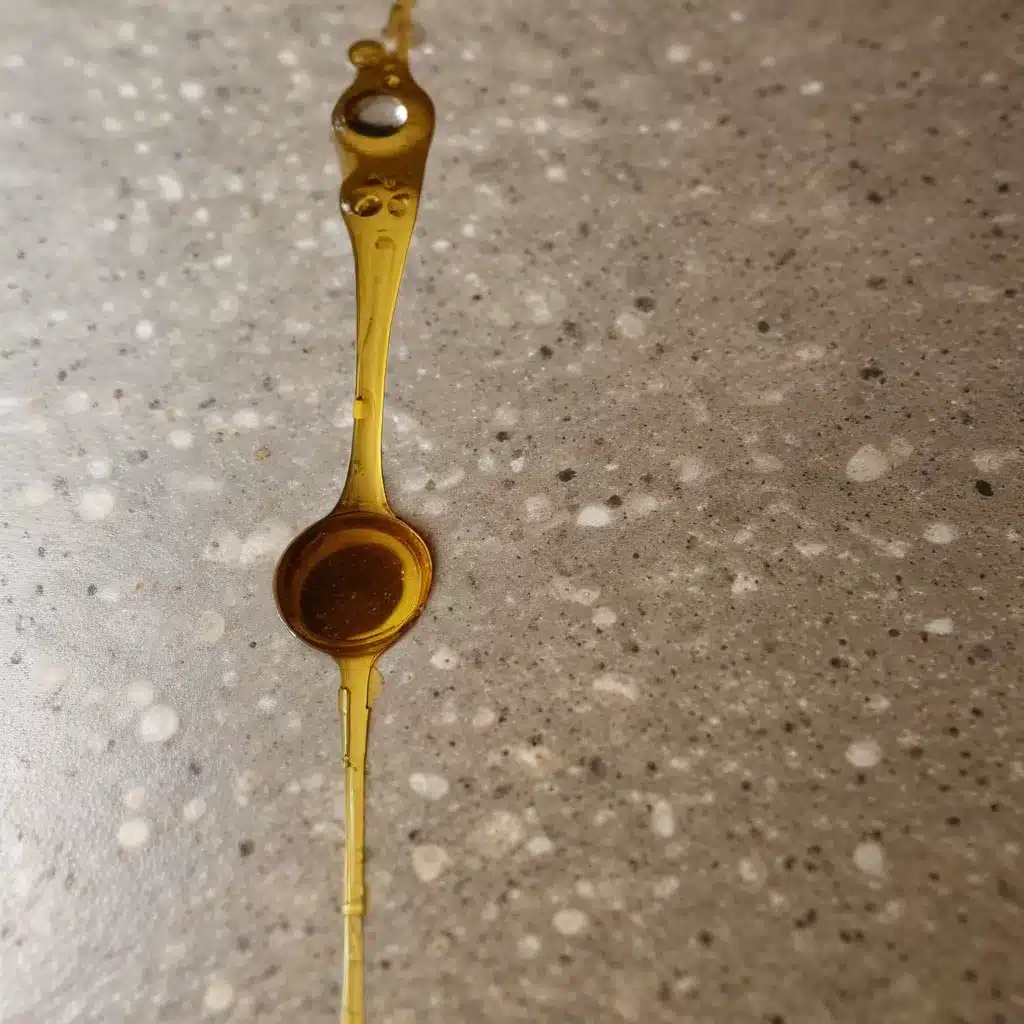
As a seasoned home construction specialist, I’ve encountered numerous challenges in kitchen renovations and maintenance. One of the most persistent issues homeowners face is dealing with oil spots in their kitchens. These pesky stains can appear on various surfaces, from countertops to floors, and even walls. In this comprehensive guide, I’ll share my expertise on tackling kitchen oil spots, drawing from years of experience in the field.
Understanding the Nature of Kitchen Oil Spots
Oil spots in kitchens are a common occurrence, but their impact on different surfaces can vary significantly. As someone who has worked on countless kitchen projects, I’ve seen firsthand how these spots can mar the appearance of beautiful finishes and potentially lead to more serious damage if left untreated.
Types of Surfaces Affected by Oil Spots
In my experience, kitchen oil spots can affect a wide range of surfaces:
-
Countertops: Whether you have granite, quartz, or laminate, oil can seep into the material and leave unsightly marks.
-
Flooring: Tile, hardwood, and even concrete floors are susceptible to oil stains.
-
Walls: Especially in areas near the stove, oil splatters can accumulate on walls over time.
-
Cabinets: Lower cabinets near cooking areas often fall victim to oil spots.
-
Appliances: Stainless steel surfaces on refrigerators and ovens can develop oil stains.
Each of these surfaces requires a different approach when it comes to prevention and cleaning. I’ve learned that understanding the material you’re working with is crucial for effective stain removal.
Common Causes of Oil Spots in Kitchens
Throughout my career, I’ve identified several recurring causes of oil spots in kitchens:
-
Cooking Splatter: This is the most common culprit. High-heat cooking with oils can cause tiny droplets to fly and land on nearby surfaces.
-
Improper Storage: Leaky oil containers or spills during transfer can lead to spots on shelves or in cabinets.
-
Dirty Hands: Touching surfaces after handling oily foods can leave residue behind.
-
Inadequate Ventilation: Poor kitchen ventilation can allow oil particles to settle on surfaces throughout the room.
-
Maintenance Oversights: Neglecting regular cleaning can allow small oil marks to accumulate over time.
Understanding these causes has helped me develop effective strategies for both prevention and cleanup. It’s not just about dealing with the spots after they appear; it’s about creating an environment where they’re less likely to occur in the first place.
Preventive Measures Against Kitchen Oil Spots
In my years of working on kitchen projects, I’ve found that prevention is always easier than cure when it comes to oil spots. Here are some strategies I recommend to homeowners to minimize the occurrence of these pesky stains:
Proper Ventilation Systems
One of the most effective ways to prevent oil spots is to install and maintain a good ventilation system. I’ve seen kitchens transform from oil-splattered messes to clean, fresh spaces simply by upgrading their range hoods. Here’s what I typically recommend:
-
Hood Size: Choose a hood that extends at least 3 inches beyond the cooking surface on each side.
-
CFM Rating: Aim for a hood with a CFM (Cubic Feet per Minute) rating of at least 100 times the square footage of your kitchen.
-
Regular Maintenance: Clean or replace filters monthly to ensure optimal performance.
By capturing oil particles before they can settle on surfaces, a good ventilation system can significantly reduce the occurrence of oil spots throughout the kitchen.
Splash Guards and Backsplashes
Another preventive measure I often suggest is the use of splash guards and well-designed backsplashes. These not only protect your walls but can also be aesthetically pleasing additions to your kitchen. Some options I’ve successfully implemented include:
-
Stainless Steel Splash Guards: These can be easily wiped clean and provide excellent protection against oil splatters.
-
Glass Backsplashes: A sleek option that’s both functional and easy to clean.
-
Tile Backsplashes: When properly sealed, these can be very effective at repelling oil and are available in a wide range of designs.
I’ve found that extending backsplashes all the way up to the bottom of upper cabinets provides the best protection against oil spots on walls.
Surface Treatments and Sealants
Applying the right sealants and treatments to kitchen surfaces can make a world of difference in preventing oil spots. Based on my experience, here are some effective options:
-
Stone Sealers: For natural stone countertops, a high-quality sealer can prevent oil from penetrating the surface.
-
Wood Treatments: For butcher block countertops or wooden cabinets, I recommend regular applications of food-grade mineral oil or beeswax.
-
Concrete Sealers: If you have concrete floors or countertops, a penetrating sealer can help repel oil and other liquids.
-
Grout Sealers: For tiled areas, sealing the grout lines is crucial to prevent oil from seeping in and causing stains.
Remember, these treatments need to be reapplied periodically to maintain their effectiveness. I usually advise homeowners to set up a maintenance schedule to ensure their surfaces stay protected.
Effective Cleaning Techniques for Different Surfaces
Despite our best prevention efforts, oil spots can still occur. Over the years, I’ve developed and refined cleaning techniques for various kitchen surfaces. Here’s a breakdown of what I’ve found works best:
Countertop Cleaning Methods
Different countertop materials require different cleaning approaches. Here’s what I recommend based on the surface type:
- Granite and Marble:
- Create a paste of baking soda and water
- Apply to the stain and cover with plastic wrap
- Let sit for 24 hours, then rinse and wipe clean
-
For stubborn stains, repeat the process
-
Quartz and Other Non-Porous Surfaces:
- Use a degreasing dish soap and hot water
- For tougher stains, apply a poultice made of diatomaceous earth and water
-
Cover with plastic wrap and let sit for 24 hours before cleaning
-
Laminate Countertops:
- Mix equal parts vinegar and water
- Apply to the stain and let sit for 5-10 minutes
-
Wipe clean with a soft cloth
-
Wooden Surfaces:
- Sprinkle cornstarch or talcum powder on the stain
- Let sit overnight to absorb the oil
- Brush away and clean with mild soap and water
Floor Cleaning Strategies
Floors can be particularly challenging when it comes to oil spots. Here are some techniques I’ve found effective:
- Tile and Grout:
- Make a paste of baking soda and water
- Apply to the stained area and scrub gently
- For grout lines, use a soft-bristled toothbrush
-
Rinse thoroughly and dry
-
Hardwood Floors:
- Blot up excess oil with paper towels
- Sprinkle cornstarch or sawdust on the spot
- Let sit for several hours, then vacuum
-
Clean the area with a wood floor cleaner
-
Concrete Floors:
- Apply cat litter or sawdust to absorb fresh oil
- For set-in stains, use a poultice of powdered laundry detergent and water
- Cover with plastic wrap and let sit for 24 hours
- Scrub with a stiff brush and rinse thoroughly
Wall and Cabinet Cleaning
Walls and cabinets require a gentler touch to avoid damaging the finish. Here’s my approach:
- Painted Walls:
- Mix a small amount of dish soap with warm water
- Gently dab the stain with a soft sponge
- Rinse with clean water and pat dry
-
For stubborn stains, use a magic eraser, but be cautious as it can remove paint
-
Wooden Cabinets:
- Create a solution of equal parts vinegar and warm water
- Wipe the stained area with a soft cloth dampened in the solution
- For tough stains, add a small amount of dish soap to the mixture
-
Always dry the surface immediately to prevent water damage
-
Stainless Steel Surfaces:
- Use a microfiber cloth with a small amount of rubbing alcohol
- Wipe in the direction of the grain
- For persistent spots, make a paste of baking soda and water
- Apply the paste, let sit for a few minutes, then wipe clean
Advanced Stain Removal Techniques
In my years of experience, I’ve encountered some truly stubborn oil stains that require more advanced techniques. Here are some methods I’ve successfully used for particularly challenging cases:
Chemical Degreasers
When natural methods fall short, chemical degreasers can be effective. However, it’s crucial to use these products safely and appropriately:
-
Choosing the Right Product: Select a degreaser specifically designed for the surface you’re cleaning. What works on concrete might damage wood or natural stone.
-
Safety First: Always wear gloves and ensure proper ventilation when using chemical degreasers.
-
Test First: Before applying to the stained area, test the product on an inconspicuous spot to ensure it won’t damage or discolor the surface.
-
Application: Follow the manufacturer’s instructions carefully. Generally, you’ll apply the degreaser, let it sit for the recommended time, then scrub and rinse thoroughly.
-
Neutralizing: Some degreasers require neutralization after use. This often involves rinsing with a specific solution or plain water to stop the chemical action.
Poultice Methods for Deep-Set Stains
For oil stains that have penetrated deep into porous surfaces like natural stone or concrete, I often turn to the poultice method:
-
Creating the Poultice: Mix an absorbent material (like diatomaceous earth, kaolin clay, or even flour) with a solvent (such as acetone or mineral spirits) to form a thick paste.
-
Application: Spread the poultice over the stain, extending slightly beyond its edges. Cover with plastic wrap and tape down the edges.
-
Waiting Period: Leave the poultice in place for 24 to 48 hours. This allows it to draw the oil out of the surface.
-
Removal: Once dry, scrape off the poultice and dispose of it properly. You may need to repeat this process for very deep stains.
-
Finishing: Clean the area with mild soap and water, then dry thoroughly.
Steam Cleaning for Fabric and Upholstery
In kitchens with fabric elements like curtains or upholstered seating, steam cleaning can be highly effective for removing oil stains:
-
Pre-treatment: Blot the stain with a mixture of dish soap and warm water.
-
Steam Application: Use a handheld steam cleaner or a larger unit with appropriate attachments. Hold the steam nozzle close to the fabric without touching it.
-
Wiping: As you steam, wipe the area with a clean, white cloth to absorb the loosened oil.
-
Repeat: For stubborn stains, you may need to repeat the process several times.
-
Drying: Ensure the fabric dries completely to prevent mold or mildew growth.
Innovative Products and Technologies
The field of stain removal is constantly evolving, and I make it a point to stay updated on the latest innovations. Here are some cutting-edge products and technologies I’ve found particularly useful in tackling kitchen oil spots:
Nano-Coating Technologies
Nano-coatings are microscopic layers applied to surfaces to make them resistant to stains, including oil. I’ve seen impressive results with these products:
-
Application: These coatings can be applied to various surfaces, including countertops, backsplashes, and even floors.
-
Durability: Many nano-coatings last for several years before needing reapplication.
-
Maintenance: Surfaces treated with nano-coatings are generally easier to clean and maintain.
-
Limitations: While effective, these coatings can be expensive and may need professional application for best results.
Enzymatic Cleaners
Enzymatic cleaners use biological compounds to break down organic stains, including oil:
-
How They Work: These cleaners contain specific enzymes that target and break down oil molecules.
-
Eco-Friendly: Many enzymatic cleaners are biodegradable and environmentally friendly.
-
Versatility: They can be used on various surfaces, including fabrics and upholstery.
-
Patience Required: Enzymatic cleaners often work more slowly than chemical alternatives but can be very effective for stubborn stains.
Absorbent Pads and Materials
Advanced absorbent materials have been developed specifically for oil removal:
-
Oil-Specific Pads: These pads are designed to attract and hold oil while repelling water.
-
Application: They can be placed on fresh spills to quickly absorb oil before it sets into the surface.
-
Reusability: Some of these materials can be washed and reused multiple times, making them cost-effective for long-term use.
Maintaining a Spot-Free Kitchen
After dealing with countless kitchen renovations and cleanups, I’ve learned that maintaining a spot-free kitchen is an ongoing process. Here are some tips I share with homeowners to keep their kitchens looking pristine:
Regular Cleaning Routines
Establishing a consistent cleaning routine is key to preventing oil buildup:
-
Daily Wipe-downs: Use a microfiber cloth with a mild cleaning solution to wipe down countertops and frequently used surfaces daily.
-
Weekly Deep Clean: Set aside time each week for a more thorough cleaning of all kitchen surfaces, including walls and cabinets.
-
Monthly Maintenance: Check and clean your range hood filters, and inspect less frequently used areas for any signs of oil accumulation.
Proper Storage and Handling of Cooking Oils
How you store and use cooking oils can significantly impact the cleanliness of your kitchen:
-
Sealed Containers: Always store oils in tightly sealed containers to prevent leaks and spills.
-
Strategic Placement: Keep oils away from high-traffic areas to reduce the risk of accidental spills.
-
Use Oil Pourers: Invest in good quality oil pourers or dispensers to minimize drips and splashes during cooking.
Education and Awareness
I always emphasize the importance of educating everyone who uses the kitchen:
-
Family Members: Teach family members about the importance of cleaning up oil spills immediately and how to do so effectively.
-
Guests: If you frequently entertain, consider having a quick cleanup kit easily accessible in the kitchen.
-
Children: Involve children in age-appropriate cleaning tasks to instill good habits early on.
When to Seek Professional Help
While many oil spots can be handled with DIY methods, there are times when it’s best to call in the professionals. Here’s when I recommend seeking expert assistance:
Persistent Stains
If you’ve tried multiple cleaning methods without success, it might be time for professional intervention:
-
Deep-set Stains: Professionals have access to industrial-strength cleaners and equipment that can tackle deep-set stains more effectively.
-
Delicate Surfaces: For expensive or delicate materials like marble or high-end wood finishes, professional cleaning can prevent accidental damage.
-
Large-scale Issues: If oil spots are widespread or cover a large area, professional cleaning services can save time and ensure thorough results.
Damage Assessment
Sometimes, what appears to be a simple oil stain might be indicative of more significant issues:
-
Structural Concerns: If oil has penetrated deeply into porous surfaces like concrete or unsealed wood, it could lead to structural weakening over time.
-
Mold Growth: In some cases, persistent oil spots in hidden areas can create conditions conducive to mold growth.
-
Material Degradation: Certain materials may begin to degrade or change color if exposed to oil for extended periods.
Renovation Considerations
In some cases, dealing with oil spots might lead to considerations about larger renovation projects:
-
Surface Replacement: If oil stains have severely damaged a surface, it might be more cost-effective in the long run to replace it entirely.
-
Kitchen Layout Changes: Persistent oil spot issues might indicate a need for changes in kitchen layout or ventilation systems.
-
Upgrade Opportunities: Dealing with oil spots can be an opportunity to upgrade to more stain-resistant materials or finishes.
Conclusion
Dealing with kitchen oil spots is a challenge that many homeowners face, but with the right knowledge and techniques, it’s a challenge that can be effectively managed. From prevention strategies to advanced cleaning methods, the key is to be proactive and consistent in your approach.
Remember, every kitchen is unique, and what works in one situation might not be ideal in another. Don’t be afraid to experiment with different methods or seek professional advice when needed. With patience and persistence, you can maintain a beautiful, oil-spot-free kitchen that remains the heart of your home for years to come.
As we continue to see advancements in materials and cleaning technologies, I’m excited about the future possibilities for even more effective oil spot prevention and removal. If you’re planning a kitchen renovation or simply looking to upgrade your cleaning routine, consider incorporating some of the tips and techniques we’ve discussed here. And for those embarking on larger kitchen projects, don’t hesitate to seek expert advice. Companies like ABC Home offer professional kitchen fitting services that can help ensure your new kitchen is both beautiful and practical, with features designed to minimize issues like oil spots.
Remember, a clean kitchen is not just about aesthetics – it’s about creating a healthy, enjoyable space for you and your family. By implementing these strategies and staying vigilant, you can keep your kitchen looking its best, no matter how many culinary adventures you embark upon.


