
Kitchen Plumbing Overhaul: Improving Efficiency and Function
As an experienced home renovation consultant, I’ve witnessed firsthand the transformative impact a well-designed kitchen plumbing system can have on the overall function and efficiency of a home. Whether you’re embarking on a full-scale kitchen remodel or simply looking to upgrade your existing plumbing, taking a strategic approach to your kitchen’s water infrastructure can yield remarkable results.
In this comprehensive guide, we’ll explore the key considerations and best practices for executing a successful kitchen plumbing overhaul. From sink and faucet selection to dishwasher integration and eco-friendly enhancements, we’ll cover all the essential elements to help you create a kitchen that not only looks stunning but also operates at peak performance.
Plumbing System Overview
The foundation of any efficient kitchen is a well-designed plumbing system that seamlessly integrates all the essential components. Existing Plumbing Configuration: Begin by thoroughly evaluating your kitchen’s current plumbing setup. Identify the location of water supply lines, drainage pipes, and any existing fixtures or appliances. This will help you understand the existing infrastructure and plan your upgrades accordingly.
Identifying Problem Areas: As you assess your kitchen plumbing, be on the lookout for potential issues such as leaky faucets, clogged drains, low water pressure, or outdated materials. These problem areas should be addressed during the overhaul to ensure optimal performance and longevity.
Plumbing Design Considerations: When planning your kitchen plumbing upgrades, consider factors such as water usage patterns, appliance integration, and accessibility. Ensure that your new system is designed to accommodate your lifestyle and cooking habits, maximizing both functionality and convenience.
Sink Replacement
The kitchen sink is often the focal point of the plumbing system, and upgrading this essential fixture can have a significant impact on your overall kitchen experience.
Sink Types and Features: Explore a wide range of sink options, from traditional undermount styles to sleek farmhouse or integrated designs. Consider factors such as material (e.g., stainless steel, porcelain, or granite), bowl configuration, and additional features like built-in drying racks or cutting boards.
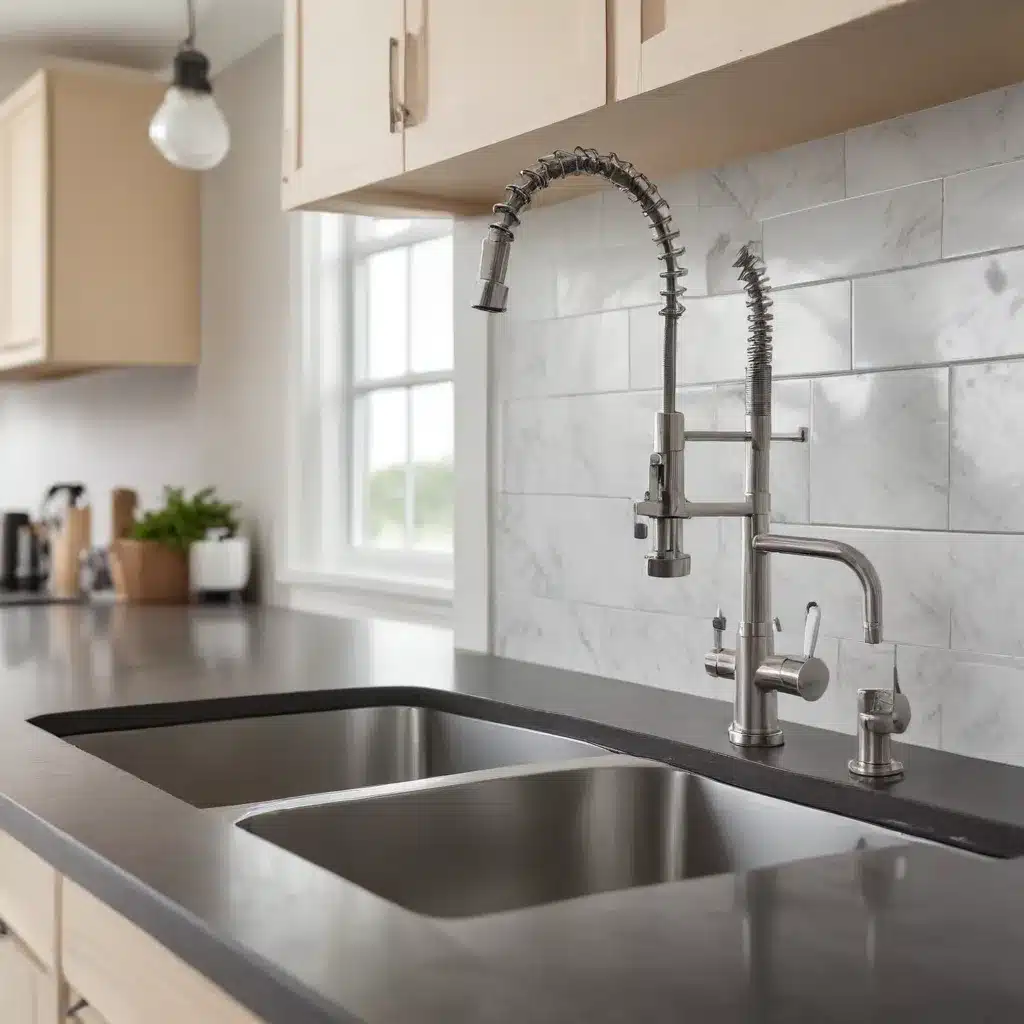
Faucet Selection: Pair your new sink with a high-quality faucet that complements the overall aesthetic and functionality of your kitchen. Look for features like pull-down or pull-out sprayers, touchless activation, and water-saving technologies to enhance your daily tasks.
Water Supply Line Upgrades: Take the opportunity to upgrade your kitchen’s water supply lines, ensuring they are properly sized, free of corrosion, and compatible with your new sink and faucet. This can help prevent future leaks and ensure a reliable water flow.
Dishwasher Integration
Integrating your dishwasher seamlessly into your kitchen’s plumbing system is crucial for optimal performance and water efficiency.
Dishwasher Connections: Ensure that your dishwasher is properly connected to the water supply and drainage systems. This may involve modifying existing pipes or installing dedicated lines to accommodate the dishwasher’s unique requirements.
Drainage Solutions: Carefully plan the dishwasher’s drainage setup to prevent backups and ensure efficient water removal. Consider installing a high-loop or air gap to comply with local plumbing codes and prevent contamination of the potable water supply.
Water Pressure Optimization: Ensure that your kitchen’s water pressure is sufficient to support the dishwasher’s function. If necessary, install a booster pump or make adjustments to the plumbing system to maintain the required pressure.
Garbage Disposal Installation
Incorporating a garbage disposal into your kitchen’s plumbing can significantly reduce food waste and simplify cleanup.
Disposal Unit Options: Explore a variety of garbage disposal models, considering factors such as horsepower, noise level, and energy efficiency to find the best fit for your kitchen.
Electrical Requirements: Ensure that the electrical infrastructure in your kitchen can accommodate the garbage disposal’s power needs. Work with a licensed electrician to safely integrate the disposal into your kitchen’s electrical system.
Waste Pipe Integration: Carefully plan the integration of the garbage disposal into your kitchen’s drainage system, ensuring proper connection to the sink’s P-trap and seamless integration with the main waste pipe.
Fixture Upgrades
Beyond the sink and dishwasher, upgrading other key fixtures in your kitchen can enhance both functionality and aesthetic appeal.
Faucet Modernization: Replace outdated faucets with modern, water-efficient models that offer features like touchless activation, temperature presets, and streamlined designs.
Showerhead Enhancements: If your kitchen includes a secondary sink or preparation area, consider upgrading the showerhead to improve water flow, coverage, and overall user experience.
Water-Efficient Appliances: When selecting new kitchen appliances, such as refrigerators or ice makers, prioritize models that are designed with water conservation in mind, reducing your environmental impact and utility costs.
Leak Detection and Prevention
Proactively addressing potential leaks and implementing preventative measures is crucial for maintaining the long-term health and integrity of your kitchen’s plumbing system.
Inspection and Monitoring: Regularly inspect your kitchen plumbing for signs of wear, corrosion, or minor leaks. Consider installing smart water monitoring devices to detect and alert you to any issues before they escalate.
Pipe Material Considerations: When upgrading or replacing pipes, prioritize durable, corrosion-resistant materials, such as copper, PEX, or PVC, to minimize the risk of future leaks.
Preventative Maintenance: Establish a routine maintenance schedule, including tasks like cleaning sink drains, inspecting faucet washers, and checking for any emerging problems. This proactive approach can help you avoid costly repairs down the line.
Eco-Friendly Enhancements
As homeowners increasingly prioritize sustainability, incorporating eco-friendly elements into your kitchen plumbing overhaul can deliver both environmental and financial benefits.
Water Conservation Strategies: Install water-efficient fixtures, such as low-flow faucets and showerheads, to reduce water consumption and lower utility bills. Consider implementing greywater recycling systems to repurpose sink and dishwasher wastewater for landscaping or toilet flushing.
Energy-Efficient Appliances: Choose kitchen appliances, like dishwashers and water heaters, that are designed with energy efficiency in mind. These upgrades can contribute to a more sustainable and cost-effective kitchen.
Sustainable Plumbing Materials: Explore the use of eco-friendly plumbing materials, such as lead-free brass, PEX tubing, or recycled plastic piping, to minimize the environmental impact of your kitchen plumbing overhaul.
Permits and Regulations
Navigating the regulatory landscape is a critical aspect of any kitchen plumbing project, ensuring compliance and safeguarding your investment.
Local Plumbing Codes: Familiarize yourself with the plumbing codes and regulations specific to your local area. These guidelines will inform the design, installation, and inspection requirements for your kitchen plumbing upgrades.
Permit Application Process: Obtain the necessary permits before commencing your kitchen plumbing overhaul. Work closely with your local building or plumbing authorities to ensure a smooth application process and timely approval.
Inspection and Compliance: Be prepared for inspections by local authorities to verify that your kitchen plumbing upgrades meet all safety and regulatory standards. Addressing any issues promptly will help ensure the long-term functionality and legality of your new system.
By considering these comprehensive factors, you can embark on a successful kitchen plumbing overhaul that not only enhances the aesthetics and functionality of your cooking space but also optimizes efficiency, conserves resources, and complies with all relevant regulations. For further guidance and professional assistance, be sure to visit ABC Home’s plumbing and electrical services to connect with experienced contractors in your area.


