
Understanding the Importance of Sink Base Cabinets
When I reflect on my years of experience in home construction, I’ve come to realize that the kitchen sink base cabinet is often an unsung hero in kitchen design. It’s a component that seamlessly blends practicality with aesthetics, serving as both a functional workhorse and a style statement. As a home construction specialist, I’ve seen firsthand how a well-designed sink base can transform the entire kitchen experience.
The sink area is undeniably the heart of kitchen activity. It’s where we prepare meals, clean dishes, and often gather for casual conversations. A thoughtfully designed sink base cabinet not only supports these activities but also enhances the overall flow and efficiency of the kitchen. In my professional opinion, the right sink base can make or break a kitchen’s functionality.
Over the years, I’ve worked with countless homeowners who initially underestimated the impact of their sink base cabinet choices. Many were surprised to learn how this seemingly simple element could significantly influence their daily kitchen routines. That’s why I always emphasize the importance of carefully considering sink base options when planning a kitchen renovation or new build.
Exploring Sink Base Cabinet Styles
In my extensive experience with kitchen designs, I’ve encountered a wide array of sink base cabinet styles. Each style offers unique advantages, and selecting the right one depends on various factors, including the kitchen’s overall design, the homeowner’s preferences, and practical considerations. Let’s explore some of the most popular styles I’ve worked with:
Two Full Door Style
The two full door style is a classic choice that I often recommend for its simplicity and versatility. This design features two doors that span the full height of the cabinet, offering a clean, uncluttered look. What I particularly appreciate about this style is its ability to blend seamlessly with adjacent cabinetry, creating a cohesive appearance across the kitchen.
One of the key benefits I’ve observed with the two full door style is its flexibility in terms of interior organization. Depending on the plumbing configuration, we can often incorporate pull-out organizers or shelves to maximize storage space. This adaptability makes it a favorite among homeowners who value both aesthetics and functionality.
However, it’s worth noting that this style may not be ideal for those who prefer easy access to items stored at the back of the cabinet. In such cases, I typically suggest considering alternative options or incorporating additional organizational features.
False Front Design
The false front sink base cabinet is another style I frequently encounter in my projects. This design typically features a decorative panel at the top, with two functional doors below. From my experience, this style offers a great balance between visual appeal and practicality.
One of the advantages I often highlight to clients is how the false front can create a sense of uniformity across the kitchen. It allows for alignment with drawer fronts on adjacent cabinets, resulting in a sleek, streamlined look. This can be particularly effective in contemporary kitchen designs where clean lines are desired.
In terms of functionality, the false front design can accommodate various storage solutions. I’ve successfully incorporated tilt-out trays behind the false front in many projects, providing convenient storage for sponges and cleaning supplies. This hidden storage is always a hit with homeowners who appreciate a clutter-free sink area.
U-Shaped Drawer Configuration
For homeowners who prioritize organization and accessibility, I often recommend the U-shaped drawer configuration. This innovative design features drawers that wrap around the sink plumbing, maximizing usable storage space.
In my professional opinion, this style offers the most efficient use of space among sink base cabinet options. The U-shaped drawers provide easy access to items that might otherwise be difficult to reach in a traditional cabinet. I’ve found this particularly beneficial for older homeowners or those with mobility issues.
One aspect I always emphasize when discussing this option is its potential for customization. The drawer sizes and configurations can be tailored to suit specific storage needs. For instance, I’ve designed U-shaped drawer systems with varying depths to accommodate everything from small utensils to larger pots and pans.
Farmhouse Sink Accommodation
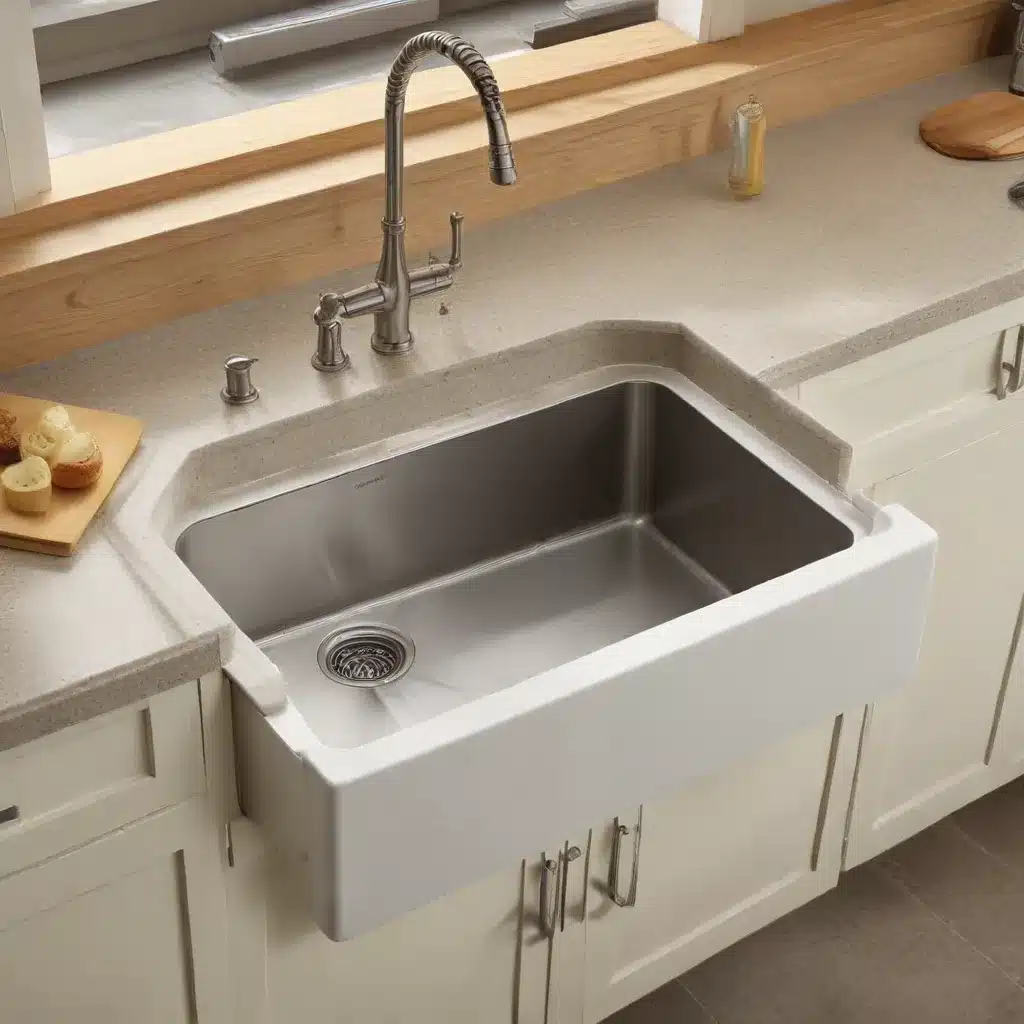
The rising popularity of farmhouse sinks has led to an increased demand for sink bases specifically designed to accommodate these statement pieces. As someone who has installed numerous farmhouse sinks, I can attest to the unique considerations required for this style.
A well-designed farmhouse sink base typically features a large cutout at the front to showcase the sink’s apron. In my experience, achieving a seamless look requires careful planning and precise measurements. I always work closely with both the cabinet maker and the plumber to ensure a perfect fit.
One of the challenges I often encounter with farmhouse sink bases is balancing the aesthetic appeal with practical storage needs. To address this, I’ve developed strategies such as incorporating deep drawers on either side of the sink or designing custom storage solutions for the reduced cabinet space beneath the sink.
Factors to Consider When Choosing a Sink Base Cabinet
When advising clients on sink base cabinet selection, I always emphasize the importance of considering multiple factors. Your choice can significantly impact both the functionality and aesthetics of your kitchen. Here are some key considerations I’ve found to be crucial in my years of experience:
Kitchen Layout and Space Constraints
The first thing I assess when planning a sink base cabinet is the overall kitchen layout. The available space and the positioning of other elements like appliances and work areas play a crucial role in determining the most suitable sink base design.
For smaller kitchens, I often recommend sink bases with streamlined designs to maximize space efficiency. In larger kitchens, we have more flexibility to explore elaborate designs or even consider double sink configurations. I always remind clients that the sink base should complement the kitchen’s flow, not hinder it.
It’s also essential to consider the cabinet’s depth. Standard sink bases are typically 24 inches deep, but custom options can be tailored to fit specific spaces. In my experience, a well-fitted sink base can make a significant difference in the kitchen’s overall functionality.
Plumbing Considerations
One aspect that’s often overlooked but crucial is the existing plumbing configuration. As someone who has dealt with numerous plumbing challenges, I can’t stress enough how important it is to consider this factor early in the design process.
The location of pipes and drains can significantly impact the internal layout of your sink base cabinet. In some cases, we may need to modify the cabinet design to accommodate plumbing fixtures. I always work closely with plumbers to ensure that the sink base design doesn’t just look good but also allows for easy access to pipes for maintenance and repairs.
Storage Needs and Preferences
Every homeowner has unique storage requirements, and the sink base cabinet plays a crucial role in meeting these needs. In my consultations, I always ask detailed questions about storage preferences to tailor the design accordingly.
For those who use the under-sink area for cleaning supplies, I might suggest a design with pull-out organizers or tiered shelving. If the homeowner prefers to store larger items like pots and pans, a more open layout might be more suitable. The key is to create a storage solution that aligns with the homeowner’s daily habits and kitchen workflow.
Material and Durability
The choice of material for your sink base cabinet is crucial, especially considering its exposure to water and moisture. In my years of experience, I’ve seen the consequences of poor material choices, from warping to mold growth.
I typically recommend moisture-resistant materials like marine-grade plywood or water-resistant MDF for the cabinet box. For the exterior, solid wood or high-quality veneers with proper sealing can provide both durability and aesthetic appeal.
It’s also worth considering the finish of the cabinet. A high-quality, water-resistant finish can significantly extend the life of your sink base cabinet. I always advise clients to invest in quality materials and finishes, as it pays off in the long run through reduced maintenance and replacement costs.
Style and Aesthetic Harmony
While functionality is paramount, the visual appeal of your sink base cabinet shouldn’t be overlooked. It’s a prominent feature in your kitchen and should harmonize with the overall design aesthetic.
In my designs, I strive to balance the sink base style with the rest of the cabinetry and kitchen elements. This might mean matching door styles, hardware finishes, or color schemes. For a cohesive look, I often suggest aligning the sink base design with adjacent cabinets, creating a seamless visual flow across the kitchen.
Remember, the sink base can also be an opportunity to add a unique design element. I’ve worked on projects where we used the sink base as a focal point, incorporating distinctive features like decorative panels or custom hardware to make it stand out.
Innovative Features for Modern Sink Base Cabinets
As a home construction specialist who’s passionate about staying current with industry trends, I’ve witnessed remarkable innovations in sink base cabinet design. These modern features not only enhance functionality but also address common challenges associated with under-sink storage. Let’s explore some cutting-edge options that I frequently recommend to my clients:
Pull-Out Organizers
One of the most significant advancements I’ve seen in sink base cabinet design is the incorporation of pull-out organizers. These ingenious systems transform the often chaotic under-sink space into a well-organized storage area.
In my projects, I’ve installed various types of pull-out organizers, from simple sliding trays to more complex multi-tiered systems. These organizers make it easy to access items stored at the back of the cabinet, eliminating the need to rummage through a cluttered space.
For clients who use a lot of cleaning supplies, I often suggest pull-out organizers with designated compartments for different types of products. This not only keeps everything neatly arranged but also helps in quickly locating specific items when needed.
Tip-Out Trays
Tip-out trays are another feature that I frequently recommend, especially for those who appreciate a clutter-free countertop. These trays are typically installed behind the false drawer front just below the sink.
What I love about tip-out trays is their ability to utilize space that would otherwise go to waste. They’re perfect for storing small items like sponges, scrub brushes, or even dish soap. In my experience, homeowners particularly appreciate how these trays keep everyday cleaning essentials close at hand while keeping them out of sight.
When installing tip-out trays, I always ensure they’re properly sealed to prevent water damage. It’s a small detail, but it significantly extends the life of both the tray and the cabinet.
Built-In Recycling Centers
With the growing emphasis on environmental consciousness, I’ve seen an increased demand for built-in recycling centers in sink base cabinets. This feature allows for easy sorting of recyclables right at the source.
In my designs, I often incorporate pull-out bins divided into sections for different types of recyclables. This not only promotes responsible waste management but also keeps the kitchen looking tidy. I’ve found that homeowners are more likely to consistently recycle when the process is made convenient and integrated into their daily routine.
When planning a built-in recycling center, I always consider the local recycling guidelines to ensure the design accommodates the specific sorting requirements of the area.
Water-Resistant Linings
Given the sink base cabinet’s proximity to water, protecting the interior from moisture damage is crucial. One innovation I’ve enthusiastically adopted in my projects is the use of water-resistant cabinet linings.
These linings, often made from materials like rubberized mats or specialized coatings, provide an extra layer of protection against spills and leaks. In my experience, this simple addition can significantly extend the life of the cabinet and prevent issues like warping or mold growth.
For clients who are particularly concerned about water damage, I sometimes recommend combining water-resistant linings with a leak detection system. This provides an added layer of security and peace of mind.
Adjustable Shelving and Dividers
Flexibility in storage configuration is key to accommodating changing needs over time. That’s why I often incorporate adjustable shelving and dividers in sink base cabinet designs.
These features allow homeowners to customize their storage space as their needs evolve. For instance, adjustable shelves can be repositioned to accommodate taller items, while removable dividers help keep smaller items organized.
In my projects, I’ve found that this adaptability is particularly appreciated in family homes where storage needs can change as children grow or as household habits shift.
Maintenance and Care Tips for Sink Base Cabinets
As a home construction specialist who’s seen the effects of both proper care and neglect on sink base cabinets, I can’t stress enough the importance of regular maintenance. Proper care not only extends the life of your cabinet but also ensures it continues to function efficiently and look great. Here are some expert tips I always share with my clients:
Regular Cleaning Routine
Establishing a consistent cleaning routine is crucial for maintaining your sink base cabinet. I recommend wiping down the exterior surfaces at least weekly with a soft, damp cloth. For the interior, a monthly deep clean is usually sufficient.
When cleaning, always use mild, non-abrasive cleaners. In my experience, harsh chemicals can damage the cabinet’s finish over time. For tough stains, a solution of warm water and mild dish soap usually does the trick without risking damage to the cabinet material.
Don’t forget to clean the hardware too. Cabinet handles and knobs can accumulate grime and bacteria, so give them a thorough wipe-down during your cleaning routine.
Addressing Moisture Issues
Moisture is the biggest enemy of sink base cabinets. I’ve seen countless cases where unchecked moisture led to severe damage. To prevent this, I advise my clients to regularly check for signs of water damage or leaks.
Inspect the area around the plumbing fixtures and the base of the cabinet for any signs of water accumulation. If you notice any dampness, address it immediately to prevent long-term damage.
Consider placing a small tray or mat under your cleaning supplies to catch any drips or spills. This simple step can go a long way in protecting the cabinet’s base from water damage.
Proper Ventilation
Good ventilation is key to preventing moisture buildup and potential mold growth in your sink base cabinet. After using the sink, I recommend leaving the cabinet doors open for a short while to allow air circulation.
For cabinets in particularly humid environments, you might want to consider adding small moisture absorbers or dehumidifiers. I’ve found these to be effective in reducing humidity levels and preventing musty odors.
Organizing for Longevity
The way you organize your sink base cabinet can impact its longevity. I always advise against overcrowding the cabinet, as this can lead to items being pushed against the back wall, potentially damaging it over time.
Use organizers and storage solutions that keep items off the cabinet floor. This not only makes cleaning easier but also helps protect the base from scratches and moisture damage.
Prompt Repairs
If you notice any issues with your sink base cabinet, address them promptly. Small problems can quickly escalate if left unchecked. Whether it’s a loose hinge, a stuck drawer, or signs of water damage, taking care of repairs early can prevent more significant issues down the line.
For complex repairs, don’t hesitate to consult a professional. In my years of experience, I’ve seen many cases where DIY repairs ended up causing more harm than good.
Seasonal Maintenance Checks
I recommend performing a thorough inspection of your sink base cabinet at least twice a year. This should include checking for any signs of wear and tear, ensuring all hardware is functioning correctly, and assessing the overall condition of the cabinet.
During these checks, pay special attention to the areas around the plumbing. Look for any signs of leaks or water damage that might not be immediately visible during day-to-day use.
Customization Options for Sink Base Cabinets
In my experience as a home construction specialist, I’ve found that customization can truly elevate a sink base cabinet from a mere functional element to a standout feature in your kitchen. The ability to tailor your sink base to your specific needs and aesthetic preferences can significantly enhance both its utility and visual appeal. Let’s explore some customization options that I often discuss with my clients:
Custom Sizing
While standard sizes are common, I’ve worked on numerous projects where custom sizing was necessary to achieve the perfect fit. This is particularly important in older homes or uniquely designed kitchens where standard dimensions just don’t work.
Custom sizing allows for optimal use of available space. For instance, in a kitchen with limited width, we might design a slightly narrower sink base to accommodate other essential elements. Conversely, in a spacious kitchen, we might opt for an oversized sink base to create a grand focal point.
When considering custom sizing, it’s crucial to work closely with both the cabinet maker and the plumber to ensure that the custom dimensions still allow for proper plumbing installation and maintenance access.
Specialized Interior Configurations
One of the most exciting aspects of customization is the ability to create specialized interior configurations tailored to the homeowner’s specific needs. I’ve designed sink bases with a wide range of unique features to address particular storage challenges.
For instance, for a client who frequently hosts large gatherings, we created a sink base with a pull-out platform for a second portable dishwasher. Another project involved designing a sink base with a built-in composting system for a client passionate about sustainable living.
These specialized configurations require careful planning and often involve collaboration with other specialists. However, the result is a truly personalized solution that enhances the functionality of the kitchen in ways that off-the-shelf options simply can’t match.
Decorative Elements
Customization isn’t just about function; it’s also an opportunity to add unique decorative elements that reflect the homeowner’s personal style. I’ve worked on projects where we’ve incorporated everything from hand-carved panels to custom inlays in the sink base design.
One particularly memorable project involved creating a sink base with a mosaic tile front to match the kitchen’s Mediterranean-inspired design. In another instance, we used reclaimed wood for the cabinet doors, adding character and a sense of history to a modern kitchen.
When incorporating decorative elements, I always ensure that they don’t compromise the cabinet’s functionality. The key is to strike a balance between aesthetic appeal and practical considerations.
Integrated Lighting
Adding integrated lighting to a sink base cabinet is a customization option that I find particularly effective. It not only enhances functionality but also adds a touch of sophistication to the overall design.
I’ve installed various types of lighting in sink bases, from simple LED strips that illuminate the interior when the doors are opened to more elaborate systems with motion sensors. In one project, we even incorporated color-changing lights that the homeowner could adjust to suit different moods or occasions.
Integrated lighting is especially beneficial in sink bases, as it helps illuminate what is often a dark, hard-to-see area. This can make it much easier to locate items stored in the cabinet and can also help in identifying any potential water leaks early on.
Material and Finish Selection
The choice of materials and finishes for a sink base cabinet offers endless customization possibilities. While standard options like laminate or wood veneer are common, I’ve worked with clients to incorporate a wide range of materials to achieve specific looks or performance characteristics.
For instance, in a high-end kitchen renovation, we used marine-grade stainless steel for the sink base interior, providing unparalleled durability and moisture resistance. In another project, we created a rustic look by using reclaimed barn wood for the cabinet exterior, carefully treated to withstand kitchen conditions.
Finishes also offer a great opportunity for customization. From hand-painted designs to specialty glazes, the right finish can transform a simple sink base into a work of art. I always advise clients to consider both the aesthetic impact and the practicality of different finishes in a kitchen environment.
The Future of Sink Base Cabinet Design
As someone who has been in the home construction industry for many years, I’ve witnessed significant evolution in sink base cabinet design. Looking towards the future, I see several exciting trends and innovations on the horizon that are set to transform how we think about and use these essential kitchen elements.
Smart Technology Integration
One of the most promising developments I’m seeing is the integration of smart technology into sink base cabinets. This goes beyond simple features like touch-to-open doors and extends to more advanced functionalities.
For instance, I’ve recently worked on a project where we installed a sink base cabinet with built-in sensors that can detect leaks and automatically shut off the water supply. Another exciting development is the integration of voice-activated systems that can open drawers or turn on under-cabinet lighting hands-free.
I anticipate that in the coming years, we’ll see even more advanced features, such as cabinets with built-in water filtration systems that can be monitored and controlled via smartphone apps.
Eco-Friendly Materials and Design
With growing environmental consciousness, I’m seeing an increasing demand for eco-friendly sink base cabinet options. This trend goes beyond using sustainable materials and extends to designs that actively promote environmentally responsible behaviors.
For example, I’ve been experimenting with sink base designs that incorporate built-in water usage monitors, helping homeowners track and reduce their water consumption. Another interesting development is the use of recycled and upcycled materials in cabinet construction, which not only reduces environmental impact but also adds unique character to the kitchen.
In the future, I expect to see more sink base cabinets designed with a focus on energy efficiency, perhaps incorporating features like solar-powered lighting or ultra-efficient storage solutions that reduce the need for additional storage units.
Modular and Adaptable Designs
Flexibility is becoming increasingly important in modern kitchen design, and sink base cabinets are no exception. I’m seeing a trend towards modular designs that can be easily reconfigured or adapted as needs change.
One concept I find particularly interesting is the idea of ‘plug-and-play’ sink bases. These would allow homeowners to easily swap out components or add new features without the need for a full cabinet replacement. For instance, you might start with a basic sink base and later add a pull-out recycling center or a specialized organizer system as your needs evolve.
This approach not only offers greater long-term value but also aligns with the growing trend towards sustainable living by reducing the need for frequent replacements.
Advanced Materials and Finishes
The development of new materials and finishes is set to revolutionize sink base cabinet design. I’m particularly excited about nano-materials that offer enhanced durability and water resistance.
For instance, I’ve been following the development of hydrophobic coatings that could be applied to cabinet interiors, making them virtually impervious to water damage. Another interesting area is the use of self-healing materials that can repair minor scratches or dents on their own, keeping cabinets looking new for longer.
In terms of aesthetics, I anticipate seeing more options for customizable finishes that can change color or pattern on demand, perhaps using e-ink technology similar to that used in some electronic devices.
Ergonomic Innovations
As our population ages and awareness of ergonomic design grows, I expect to see significant innovations in sink base cabinets focused on improving accessibility and ease of use.
One concept I’m particularly interested in is the development of height-adjustable sink bases. These would allow users to raise or lower the sink and surrounding work surface to their ideal height, reducing strain and improving comfort.
Another area of innovation is in drawer and door mechanisms. I anticipate seeing more advanced soft-close systems and perhaps even servo-assisted openings that make accessing the cabinet contents effortless, regardless of the user’s physical capabilities.
Conclusion
As we’ve explored the world of kitchen sink base design, it’s clear that this often-overlooked element plays a crucial role in both the functionality and aesthetics of a kitchen. From classic two-door styles to innovative U-shaped drawer configurations, the options are vast and varied, each offering unique benefits to suit different needs and preferences.
We’ve delved into important considerations like kitchen layout, plumbing constraints, and storage requirements, all of which play a vital role in selecting the right sink base cabinet. The integration of modern features like pull-out organizers, tip-out trays, and built-in recycling centers demonstrates how sink base cabinets are evolving to meet the changing needs of homeowners.
Proper maintenance and care, as we’ve discussed, are key to ensuring the longevity and performance of your sink base cabinet. Regular cleaning, addressing moisture issues promptly, and performing seasonal checks can go a long way in preserving your cabinet’s functionality and appearance.
The exciting world of customization opens up endless possibilities for creating a truly unique and personalized sink base cabinet. From custom sizing to specialized interior configurations and decorative elements, the options for tailoring your sink base to your specific needs and style are virtually limitless.
Looking to the future, we can anticipate further innovations in sink base cabinet design. The integration of smart technology, eco-friendly materials and designs, modular and adaptable configurations, advanced materials and finishes, and ergonomic innovations all point to an exciting future for this essential kitchen element.
As a home construction specialist, I’ve had the privilege of working on numerous kitchen projects, each with its unique challenges and requirements. If you’re considering a kitchen renovation or new build, I encourage you to give careful thought to your sink base cabinet design. It’s an investment that, when done right, can significantly enhance your kitchen’s functionality and aesthetic appeal for years to come.
Remember, the perfect sink base cabinet is one that not only looks great but also seamlessly integrates with your lifestyle and kitchen workflow. Whether you opt for a classic design or embrace cutting-edge features, the key is to choose a solution that works best for you and your home.
For more information on kitchen fitting and to explore how ABC Home can help bring your kitchen vision to life, visit our kitchen fitting services page. Our team of experts is ready to guide you through the process, ensuring you achieve the kitchen of your dreams.


