
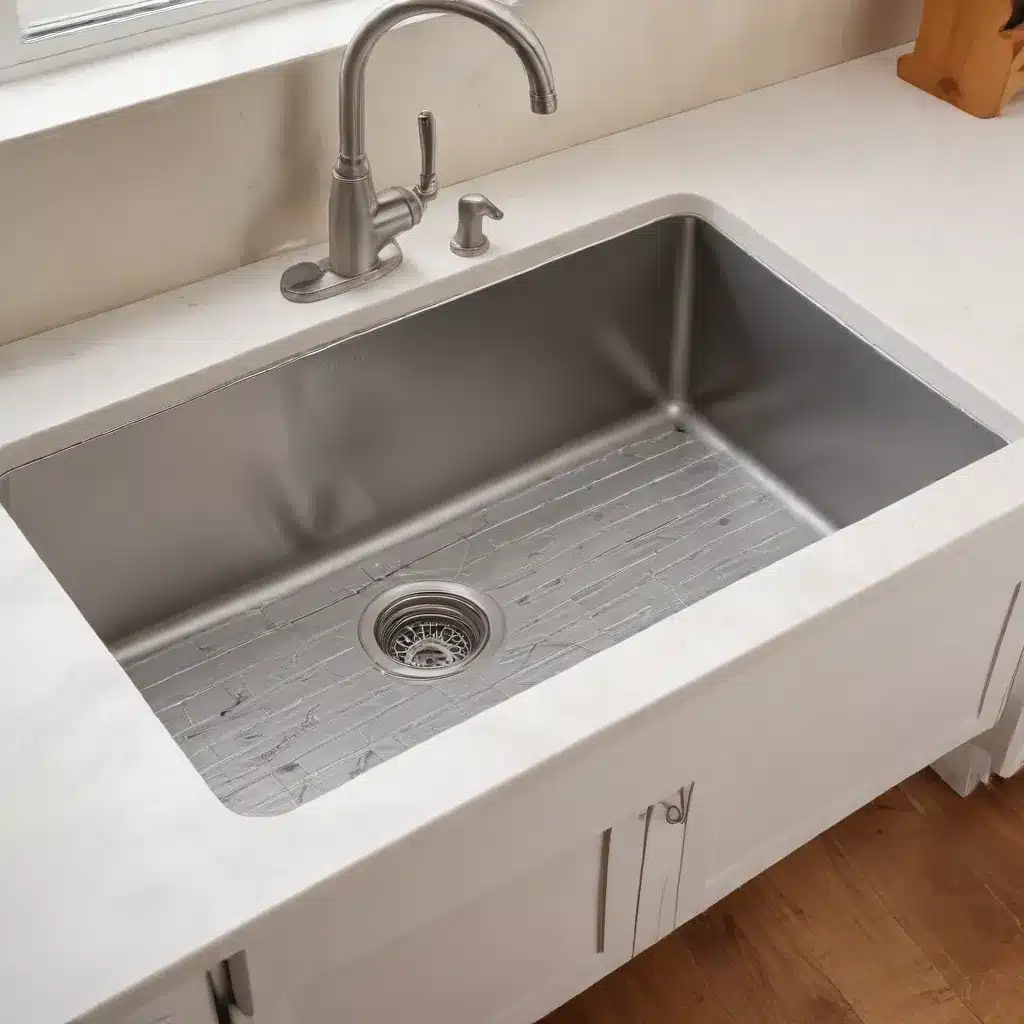
Understanding the Importance of Sink Base Protection
As a home construction specialist with years of experience under my belt, I’ve seen my fair share of kitchen disasters. One area that often gets overlooked but can cause significant problems down the line is the sink base cabinet. You might be wondering, why is this area so crucial? Well, let me tell you, it’s the unsung hero of your kitchen’s longevity.
The sink base is constantly exposed to moisture, whether from minor spills, leaky pipes, or condensation. Over time, this moisture can wreak havoc on your cabinetry, leading to wood rot, mold growth, and structural damage. I’ve walked into countless homes where homeowners were shocked to discover the extent of damage lurking beneath their seemingly pristine sink area.
But here’s the good news: with proper protection, you can safeguard your sink base and extend the life of your kitchen cabinets significantly. It’s not just about preventing damage; it’s about maintaining the integrity of your home and avoiding costly repairs in the future.
The Science Behind Sink Base Deterioration
Let’s get a bit technical for a moment. When water comes into contact with wood, it doesn’t just sit on the surface. It’s absorbed into the fibers, causing them to swell. As the wood dries, it shrinks back down. This constant cycle of expansion and contraction weakens the wood’s structure over time.
But that’s not all. Moisture also creates the perfect breeding ground for mold and mildew. These fungi don’t just look unsightly; they can pose serious health risks to you and your family. I’ve seen cases where entire cabinets had to be replaced due to extensive mold damage that started from a small, unnoticed leak.
And let’s not forget about the chemicals we store under our sinks. Cleaning products, detergents, and other household chemicals can spill and react with the wood, accelerating the deterioration process. It’s a perfect storm of factors that can turn your beautiful kitchen into a renovation nightmare if left unchecked.
Traditional Methods vs. Modern Solutions
In the past, homeowners and builders often relied on simple methods like placing a plastic mat or lining the cabinet with contact paper. While these solutions were better than nothing, they fell short in many ways. Plastic mats could trap moisture underneath, exacerbating the problem, while contact paper provided minimal protection against serious spills or leaks.
Today, we have access to advanced materials and engineered solutions specifically designed for sink base protection. These modern options offer superior water resistance, durability, and ease of maintenance. Let’s take a closer look at some of the most effective solutions available:
-
Engineered Polymer Liners: These are custom-fit liners made from a durable, water-resistant material. They’re designed to cover not just the base but also the sides of the cabinet, providing comprehensive protection.
-
Waterproof Mats: Unlike their plastic predecessors, modern waterproof mats are made from materials that don’t trap moisture. They often feature raised edges to contain spills and textured surfaces to keep items dry.
-
Integrated Protection Systems: Some cabinet manufacturers now offer built-in protection features. These systems are integrated into the cabinet design, offering seamless protection without the need for aftermarket solutions.
Each of these options has its own set of advantages, and the best choice often depends on factors like your budget, the specific requirements of your kitchen, and whether you’re building new or renovating an existing space.
Key Features to Look for in Sink Base Protection
When selecting a sink base protection solution, there are several key features you should consider:
-
Water Resistance: This is the most critical feature. The material should effectively repel water and prevent it from seeping into the wood.
-
Durability: Look for materials that can withstand the weight of stored items and resist damage from dropped objects.
-
Chemical Resistance: Given the types of products often stored under sinks, resistance to common household chemicals is essential.
-
Ease of Cleaning: A smooth, non-porous surface will make cleaning up spills much easier.
-
Proper Fit: Whether you’re using a custom liner or a mat, it should fit snugly in your cabinet without leaving gaps where moisture can accumulate.
-
Ventilation: Some advanced systems include features that promote air circulation, helping to prevent mold and mildew growth.
-
Aesthetics: While functionality is paramount, you don’t have to sacrifice appearance. Many modern solutions come in a variety of colors and finishes to complement your cabinet interior.
Installation Best Practices
Installing sink base protection might seem straightforward, but there are some best practices I’ve learned over the years that can make a big difference:
-
Clean Thoroughly: Before installation, clean the cabinet interior thoroughly. Any dirt or debris left behind can interfere with adhesion or create spaces for moisture to collect.
-
Check for Existing Damage: If you’re installing protection in an older cabinet, inspect for any signs of existing water damage. Address these issues before installing new protection.
-
Measure Carefully: Accurate measurements are crucial, especially if you’re ordering a custom-fit liner. Don’t forget to account for any pipes or fixtures that might interfere with the fit.
-
Consider Professional Installation: For integrated systems or custom liners, professional installation can ensure a perfect fit and optimal performance.
-
Regular Maintenance: Even the best protection needs maintenance. Regularly inspect your sink base and clean the protective surface to ensure it continues to function effectively.
Comparative Analysis of Popular Protection Options
To help you make an informed decision, let’s compare some of the most popular sink base protection options:
| Feature | Engineered Polymer Liners | Waterproof Mats | Integrated Systems |
|---|---|---|---|
| Coverage | Full (base and sides) | Base only | Full (built into cabinet) |
| Installation | Custom fit, may require professional installation | DIY-friendly | Included with cabinet |
| Cost | Higher | Lower | Varies (included in cabinet cost) |
| Durability | High | Moderate to High | High |
| Customization | Limited color options | Various colors and sizes available | Limited to cabinet design |
| Replacement | Can be replaced if damaged | Easily replaceable | Not typically replaceable |
The Role of Sink Base Protection in Home Value
As a construction specialist, I’ve seen firsthand how seemingly small details can have a big impact on a home’s value. Sink base protection is one of those details that might not be immediately visible, but it can make a significant difference in the long run.
When potential buyers are inspecting a home, they often look for signs of water damage, especially in areas prone to moisture like kitchens and bathrooms. A well-protected sink base cabinet demonstrates attention to detail and proper maintenance, which can be a strong selling point.
Moreover, the cost of replacing damaged cabinetry can be substantial. By investing in quality sink base protection, you’re not just preserving the appearance of your kitchen; you’re safeguarding your investment in your home.
Environmental Considerations
In today’s construction landscape, environmental considerations are increasingly important. When choosing sink base protection, it’s worth considering the environmental impact of the materials used.
Some manufacturers now offer eco-friendly options made from recycled materials or biodegradable substances. While these may come at a higher initial cost, they can be an excellent choice for environmentally conscious homeowners.
Additionally, by extending the life of your cabinetry, you’re reducing the need for replacements, which in turn reduces waste and the demand for new materials. It’s a small step, but one that contributes to more sustainable home construction and renovation practices.
Future Trends in Sink Base Protection
As technology continues to advance, we’re seeing some exciting developments in the field of sink base protection. Some of the trends I’m keeping an eye on include:
-
Smart Sensors: Integrated moisture sensors that can alert homeowners to leaks before they cause significant damage.
-
Self-Healing Materials: Research is being conducted on materials that can automatically seal small punctures or tears, providing long-lasting protection.
-
Antimicrobial Coatings: Surfaces treated with antimicrobial agents to inhibit the growth of mold and bacteria.
-
Modular Systems: Customizable protection systems that can be easily adapted to different cabinet sizes and configurations.
These innovations promise to make sink base protection even more effective and user-friendly in the coming years.
Integrating Sink Base Protection into Your Renovation Plan
When planning a kitchen renovation, it’s essential to consider sink base protection from the outset. Here’s how you can integrate it into your renovation plan:
-
Budget Allocation: Factor the cost of sink base protection into your overall budget. While it might seem like an added expense, it’s an investment that can save you money in the long run.
-
Cabinet Selection: If you’re replacing your cabinets, consider models that come with integrated protection systems. This can simplify the process and ensure comprehensive coverage.
-
Plumbing Considerations: When updating your plumbing, take the opportunity to inspect for any existing leaks or potential issues. Address these before installing new protection.
-
Coordination with Other Features: If you’re installing new countertops or a sink, make sure your sink base protection is compatible with these elements.
-
Future Accessibility: Plan for easy access to plumbing and other utilities. Some protection systems can be easily removed and replaced for maintenance.
By considering sink base protection early in the planning process, you can ensure a more cohesive and effective renovation outcome.
Case Study: The Hidden Costs of Neglect
To illustrate the importance of sink base protection, let me share a real-world example from my experience. I was called to a home where the owners had noticed a musty smell in their kitchen. Upon inspection, we discovered severe water damage in the sink base cabinet that had gone unnoticed for months.
The damage was extensive:
- The cabinet floor had completely rotted, requiring full replacement.
- Mold had spread to adjacent cabinets, necessitating professional remediation.
- The subfloor beneath the cabinet had been compromised, leading to structural concerns.
The total cost of repairs, including new cabinetry, mold remediation, and structural work, came to over £5,000. All of this could have been prevented with a simple sink base protection system costing less than £100.
This case underscores the hidden costs of neglecting this crucial area of your kitchen. It’s a stark reminder that a small investment in protection can save you from significant expenses and headaches down the line.
DIY vs. Professional Installation
One question I often get from homeowners is whether they should install sink base protection themselves or hire a professional. There’s no one-size-fits-all answer, but here are some factors to consider:
DIY Installation:
Pros:
– Cost-effective
– Can be done on your own schedule
– Suitable for simple mat-style protectors
Cons:
– Risk of improper installation
– May void warranties on certain products
– Time-consuming for those unfamiliar with the process
Professional Installation:
Pros:
– Ensures proper fit and function
– Often comes with warranties or guarantees
– Saves time and potential frustration
Cons:
– Higher upfront cost
– May require scheduling and waiting for service
For simple mat installations, DIY can be a great option. However, for custom liners or integrated systems, I generally recommend professional installation to ensure optimal performance and longevity.
Maintenance and Long-Term Care
Installing sink base protection is just the first step. To ensure it continues to function effectively, regular maintenance is key. Here are some tips for long-term care:
-
Regular Inspections: Periodically check your sink base for any signs of water damage or wear on the protective surface.
-
Prompt Cleaning: Clean up spills immediately to prevent prolonged exposure to moisture or chemicals.
-
Ventilation: Ensure proper air circulation in the cabinet to prevent moisture buildup.
-
Replace When Necessary: Even the best protection systems have a lifespan. Be prepared to replace your protection every few years or as recommended by the manufacturer.
-
Address Leaks Promptly: If you notice any leaks, address them immediately to prevent damage to your protection system and the cabinet itself.
By following these maintenance practices, you can significantly extend the life of both your sink base protection and your cabinetry.
The Bigger Picture: Comprehensive Kitchen Protection
While we’ve focused on sink base protection, it’s important to consider this as part of a larger strategy for protecting your kitchen. Other areas that deserve attention include:
-
Countertop Sealing: Regular sealing of natural stone countertops can prevent moisture absorption and staining.
-
Proper Ventilation: Ensure your kitchen has adequate ventilation to reduce overall moisture levels.
-
Regular Plumbing Maintenance: Schedule regular check-ups for your plumbing to catch and address issues early.
-
Water-Resistant Flooring: Choose flooring materials that can withstand occasional spills and moisture.
By taking a comprehensive approach to kitchen protection, you create a more resilient and long-lasting space.
Conclusion: A Wise Investment in Your Home
As we’ve explored throughout this article, sink base protection is far more than just an optional add-on. It’s a crucial component of a well-designed and maintained kitchen. The initial investment in quality protection can save you thousands in potential repair costs and help maintain the value of your home.
Whether you’re building a new home, renovating your kitchen, or simply looking to upgrade your existing cabinets, I strongly recommend giving serious consideration to sink base protection. It’s one of those behind-the-scenes elements that may not be immediately visible, but its impact on the longevity and functionality of your kitchen is significant.
Remember, a little prevention goes a long way in home construction and maintenance. By protecting your sink base, you’re not just safeguarding a cabinet; you’re preserving the heart of your home for years to come.
For more information on kitchen fitting and other home improvement projects, you can visit ABC Home’s kitchen fitting services. They offer a range of solutions to help you create a beautiful and durable kitchen space.
In my years of experience, I’ve seen how attention to details like sink base protection can make the difference between a kitchen that lasts for decades and one that requires premature renovation. Make the wise choice for your home, and invest in quality protection today.


