
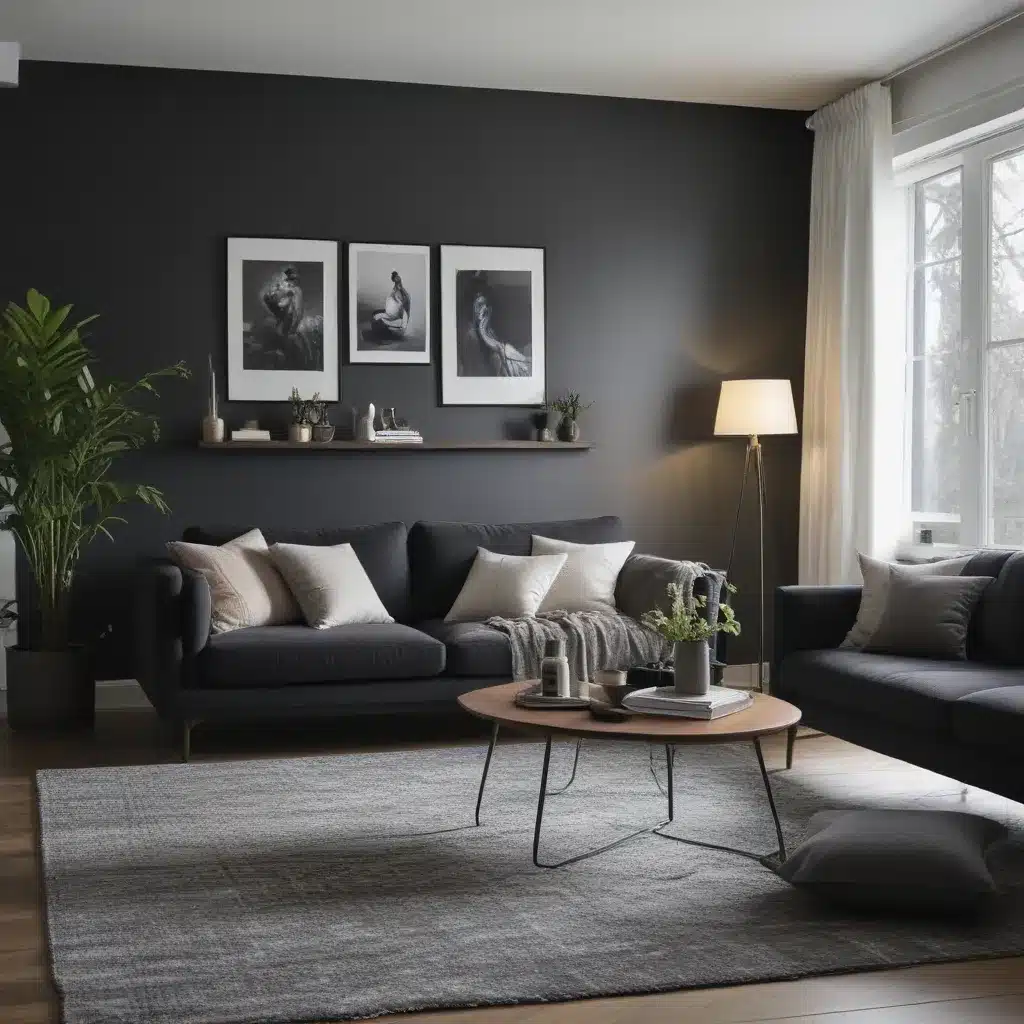
Embracing the Light: Transforming Gloomy Spaces into Bright Sanctuaries
As the founder of ABC Home Renovations in Aberdeen, UK, I’ve seen my fair share of dark, uninviting rooms. But time and time again, I’ve witnessed the remarkable transformation that can occur when homeowners embrace the power of light. In this comprehensive guide, I’ll share my proven strategies for making even the gloomiest of spaces feel brighter, airier, and more inviting.
The Psychology of Light: Understanding Its Impact on Our Mood and Well-being
Have you ever noticed how a room’s lighting can profoundly affect your mood and overall sense of well-being? It’s no coincidence – numerous studies have shown that the amount and quality of light in our living spaces can have a significant impact on our mental and physical health. Exposure to natural light, for instance, has been linked to increased productivity, improved sleep patterns, and even a boost in serotonin levels.
Conversely, dim, poorly lit rooms can contribute to feelings of depression, fatigue, and even a diminished sense of creativity. That’s why it’s so crucial to prioritize natural light and strategically incorporate artificial lighting to create a harmonious, uplifting environment.
Harnessing the Power of Natural Light: Maximizing Window Efficiency
One of the most effective ways to brighten a dark room is by optimizing the efficiency of your windows. Start by ensuring that your windows are clean and free of any obstructions, such as heavy curtains or overgrown foliage. This simple step can instantly allow more natural light to flood the space.
If your room’s windows are small or positioned in a way that limits the amount of sunlight, consider enlarging them or adding additional windows. This may require some structural work, but the payoff in terms of increased natural light and a heightened sense of spaciousness can be truly transformative.
Another strategy is to choose window treatments that enhance rather than hinder the flow of natural light. Opt for sheer, lightweight curtains or blinds that can be easily manipulated to let in as much sunlight as possible. Avoid heavy, opaque fabrics that can create a gloomy, cave-like atmosphere.
Artificial Lighting: Layering Luminosity for Maximum Effect
While natural light is the cornerstone of a bright, airy space, strategic artificial lighting is equally crucial. By layering different types of lighting, you can create depth, drama, and a sense of warmth that complements the natural illumination.
Start with a combination of overhead lighting, such as recessed or pendant fixtures, to provide overall ambient illumination. Then, add task lighting in specific areas, like reading nooks or workspaces, to ensure there are no dark corners. Finally, incorporate accent lighting, such as wall sconces or strategically placed lamps, to highlight architectural features or draw the eye to particular focal points.
When selecting light fixtures, choose ones with a high color rendering index (CRI) to ensure the truest, most natural-looking light. Additionally, consider incorporating dimmable bulbs or fixtures to allow you to adjust the lighting levels based on your mood and activity.
Reflective Surfaces: Harnessing the Power of Mirrors and Light-Colored Finishes
One often-overlooked way to amplify the effect of both natural and artificial light is by incorporating reflective surfaces. Strategically placed mirrors can bounce light around the room, creating the illusion of greater depth and brightness.
Experiment with different mirror sizes, shapes, and placements to achieve the desired effect. For example, a large, floor-to-ceiling mirror placed opposite a window can create the impression of an additional window, while a cluster of smaller mirrors can break up a dark, monolithic wall.
In addition to mirrors, light-colored finishes can also help to reflect and diffuse light throughout the space. When selecting paint colors, opt for crisp, clean whites or soft, airy pastels that will bounce light around the room. Similarly, choose light-colored flooring, furniture, and decor items to contribute to the overall sense of luminosity.
Decluttering and Minimalism: Creating a Sense of Spaciousness
One final key to making a dark room feel more spacious and bright is to embrace the principles of decluttering and minimalism. Excessive clutter and visual noise can make a space feel cramped and overwhelming, diminishing the impact of any lighting improvements.
Take some time to thoroughly assess your room and identify areas where you can streamline and simplify. Ruthlessly purge any unnecessary items, and invest in smart storage solutions to keep the remaining essentials neatly tucked away. By eliminating visual clutter, you’ll create a sense of openness and calm that perfectly complements the increased natural and artificial light.
Case Study: Transforming a Basement into a Bright, Airy Oasis
To bring these principles to life, let me share the story of one of our recent projects at ABC Home Renovations. The clients, a young family living in Aberdeen, had a dark, dreary basement that they were eager to transform into a bright, functional living space.
When we first visited the basement, it felt like a cave – low ceilings, small windows, and a cluttered, disorganized layout. However, the clients were determined to make the most of the space and turn it into a cozy family room and home office.
We started by enlarging the existing windows and adding additional skylights to flood the room with natural light. We also opted for a light, neutral paint color that would reflect the incoming sunlight. To enhance the artificial lighting, we installed a mix of recessed fixtures, task lighting, and dimmable wall sconces, allowing the clients to adjust the ambiance as needed.
To create a sense of spaciousness, we worked closely with the clients to declutter and streamline the room’s furnishings and decor. We chose light, airy furniture pieces and incorporated a large mirror to further amplify the light. The end result was a transformed basement that felt bright, inviting, and infinitely more spacious than its former, gloomy self.
Conclusion: Embracing the Light, Embracing the Possibilities
Transforming a dark, uninviting room into a bright, airy sanctuary may seem like a daunting task, but with the right strategies and a touch of creativity, it’s a challenge that can be easily overcome. By harnessing the power of natural light, strategic artificial lighting, reflective surfaces, and minimalist design, you can create a space that not only feels more spacious but also positively impacts your mood and overall well-being.
So, if you’re ready to bid farewell to the gloom and embrace the light, I encourage you to explore the techniques and strategies outlined in this guide. With a little elbow grease and a lot of illumination, you can turn even the most stubborn dark room into a luminous, uplifting oasis. Happy renovating!
If you’re ready to embark on your own journey to a brighter, more spacious home, I invite you to visit https://abc-home.co.uk/ to learn more about our services and how we can help you achieve your vision. Let’s work together to transform your living spaces and bring more light into your life.


