
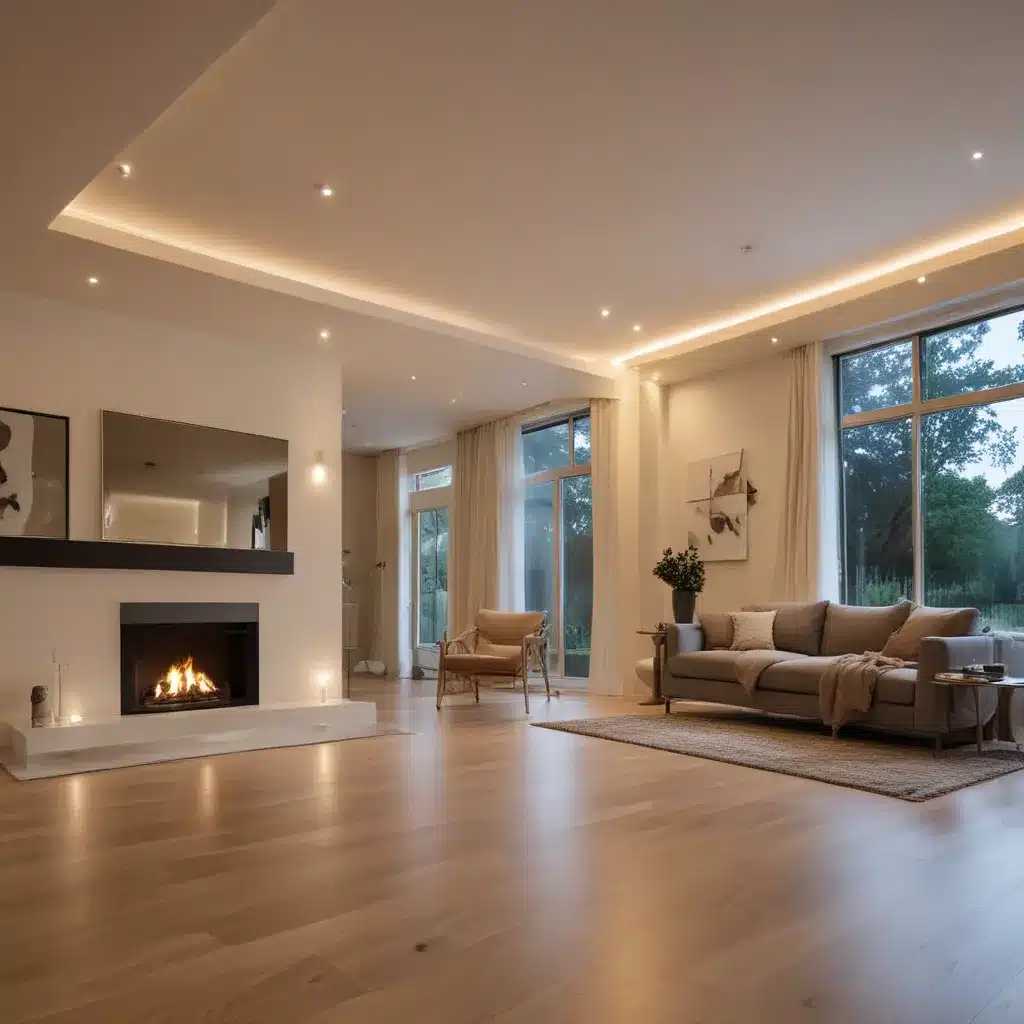
The Importance of Proper Lighting
As a homeowner in Aberdeen, UK, you understand the importance of creating a warm, inviting, and safe living space. One crucial element that often gets overlooked is the lighting in your home. Proper lighting not only enhances the aesthetic appeal of your space, but it also plays a vital role in meeting safety standards and ensuring the well-being of you and your family.
In this comprehensive guide, I’ll take you on a journey through the world of home lighting, sharing expert insights and practical tips to help you navigate the process of lighting your home right while meeting safety standards. Whether you’re renovating an existing space or designing a new home, this article will equip you with the knowledge you need to make informed decisions and create a truly illuminating living environment.
Understanding the Basics of Home Lighting
Before we dive into the specifics of lighting design, it’s essential to have a solid understanding of the fundamental principles. Lighting in a home serves several key purposes, including:
- Task Lighting: Providing adequate illumination for specific activities, such as reading, cooking, or grooming.
- Ambient Lighting: Creating a warm, inviting, and comfortable overall atmosphere in a room.
- Accent Lighting: Highlighting architectural features, artwork, or other design elements to add visual interest.
To achieve the right balance of these lighting types, you’ll need to consider factors like the size and layout of your rooms, the natural light sources, and the desired mood or function of each space.
Navigating the Safety Regulations
As you embark on your lighting journey, it’s crucial to familiarize yourself with the safety standards and regulations that govern home lighting installations. In the UK, the Building Regulations and the Wiring Regulations (also known as the IET Wiring Regulations) are the primary sources of guidance.
The Building Regulations, specifically Part P: Electrical Safety, outline the requirements for safe electrical installations, including lighting. This includes guidelines on circuit protection, earthing, and the use of appropriate materials and components. Learn more about Part P: Electrical Safety
The IET Wiring Regulations, on the other hand, provide detailed technical specifications and best practices for the design, installation, and maintenance of electrical systems, including lighting. These regulations are frequently updated to ensure they align with the latest industry standards and safety protocols. Explore the IET Wiring Regulations
It’s worth noting that while the homeowner is ultimately responsible for ensuring their home meets the required safety standards, it’s highly recommended to work with a qualified and licensed electrician who is familiar with the relevant regulations. This will not only help you comply with the law but also give you peace of mind that your lighting installation is safe and reliable.
Selecting the Right Lighting Fixtures
With the safety guidelines in mind, let’s delve into the world of lighting fixtures. The choice of fixtures can have a significant impact on the overall aesthetics, functionality, and safety of your home. When selecting lighting fixtures, consider the following factors:
1. Luminaire Type
Luminaires, or light fixtures, come in a wide range of styles, sizes, and designs to suit different needs and preferences. Some common types include:
– Recessed Lighting: Flush-mounted fixtures that provide a clean, minimalist look and are often used for task and ambient lighting.
– Pendant Lighting: Hanging fixtures that can add a touch of elegance and create a focal point in a room.
– Wall Sconces: Fixtures mounted on the wall, suitable for task, accent, and ambient lighting.
– Chandeliers: Elaborate, multi-tiered fixtures that can make a bold statement in formal living spaces or dining rooms.
2. Light Source
The light source, or bulb, is another crucial consideration. The most common options are:
– Incandescent: Traditional bulbs that emit a warm, inviting glow but tend to be less energy-efficient.
– LED (Light-Emitting Diode): Energy-efficient and long-lasting bulbs that come in a variety of color temperatures and brightness levels.
– Halogen: Bulbs that provide a bright, crisp light but can generate more heat than other options.
3. Energy Efficiency
As you select your lighting fixtures, prioritize energy-efficient options to not only reduce your environmental impact but also lower your energy bills. Look for the Energy Saving Recommended (ESR) or Energy Star-certified labels, which indicate the fixture’s energy efficiency.
4. Safety Compliance
Ensure that the lighting fixtures you choose comply with the relevant safety standards, as outlined in the Building Regulations and the IET Wiring Regulations. This includes factors such as appropriate IP (Ingress Protection) ratings, thermal safety, and compatibility with the electrical system in your home.
By considering these factors, you can create a well-balanced and visually appealing lighting design that meets the necessary safety requirements.
Designing Your Lighting Layout
With the basic principles and safety guidelines in mind, it’s time to start planning the layout of your home’s lighting. This is where the real magic happens, as you’ll be able to transform your living spaces into beautifully illuminated environments.
1. Assess the Room’s Purpose and Needs
Begin by evaluating the function and desired ambiance of each room. Think about the activities that will take place there and the level of lighting required for those tasks. For example, a kitchen might need brighter task lighting over the countertops, while a living room might benefit from a combination of ambient and accent lighting to create a cozy, inviting atmosphere.
2. Consider the Room’s Dimensions and Architectural Features
The size and layout of a room, as well as its architectural features, will significantly influence the lighting design. Measure the dimensions of the space and take note of any alcoves, built-in shelves, or other elements that may require special attention.
3. Incorporate Natural Lighting
Natural light can have a profound impact on the overall lighting in a room. Analyze the placement and size of windows, as well as the orientation of the room, to determine how natural light can be best utilized and complemented by artificial lighting.
4. Layer the Lighting
To achieve a well-balanced and functional lighting design, it’s essential to layer different types of lighting. Start with the primary ambient lighting, then add task lighting for specific activities, and finally, incorporate accent lighting to highlight key features or create visual interest.
5. Experiment with Dimmable Fixtures
Dimmable lighting fixtures allow you to easily adjust the brightness and create the perfect ambiance for any occasion. This feature not only enhances the versatility of your lighting but also helps you conserve energy and meet safety standards by avoiding excessively bright lighting.
6. Utilize Lighting Controls
Modern lighting controls, such as smart switches, motion sensors, and timers, can greatly improve the functionality and energy efficiency of your home’s lighting system. These controls can automatically adjust the lighting based on occupancy, time of day, or specific preferences, ensuring your home is always well-lit and safe.
Remember, the key to a successful lighting design is to strike a balance between functionality, aesthetics, and safety. By following these guidelines and working closely with a qualified electrician, you can create a lighting layout that not only meets the necessary standards but also enhances the overall ambiance and livability of your home.
Maintaining and Upgrading Your Lighting System
Proper maintenance and occasional upgrades are essential to ensuring the continued safety and efficiency of your home’s lighting system. Here are some tips to keep your lighting in top condition:
Regular Maintenance
- Inspect Fixtures: Regularly check the condition of your lighting fixtures, looking for any signs of wear, damage, or potential safety hazards.
- Clean Fixtures: Dust and dirt can accumulate on fixtures, reducing their light output and efficiency. Gently clean the fixtures according to the manufacturer’s instructions.
- Replace Bulbs: Monitor the lifespan of your light bulbs and replace them as needed to maintain consistent illumination and avoid sudden failures.
Upgrades and Adaptations
- Energy-Efficient Retrofits: Consider upgrading to more energy-efficient lighting technologies, such as LED bulbs, to reduce your energy consumption and carbon footprint.
- Accessibility Improvements: If you or a family member have any mobility or vision challenges, explore lighting upgrades that enhance accessibility, such as motion-activated fixtures or task lighting with higher lumen output.
- Smart Home Integration: Integrate your lighting system with a smart home platform to take advantage of advanced features like remote control, scheduling, and automated adjustments based on occupancy or natural light levels.
By staying on top of maintenance and being open to strategic upgrades, you can ensure that your home’s lighting continues to meet safety standards, save you money, and enhance the overall living experience for years to come.
Embracing the Power of Proper Lighting
As you embark on your journey to light your home right, remember that the key to success lies in balancing functionality, aesthetics, and safety. By understanding the fundamentals of home lighting, navigating the relevant safety regulations, and designing a well-thought-out lighting layout, you can transform your living spaces into truly illuminating havens.
At ABC Home, our team of experts is dedicated to helping homeowners in Aberdeen, UK, achieve their lighting dreams while ensuring compliance with the necessary safety standards. Whether you’re renovating an existing home or building a new one, we’re here to guide you every step of the way, from fixture selection to layout design and beyond.
So, let’s get started on your journey to creating a home that not only looks beautiful but also keeps you and your loved ones safe and comfortable. Embrace the power of proper lighting, and watch your living spaces come alive with warmth, ambiance, and uncompromising safety.


