
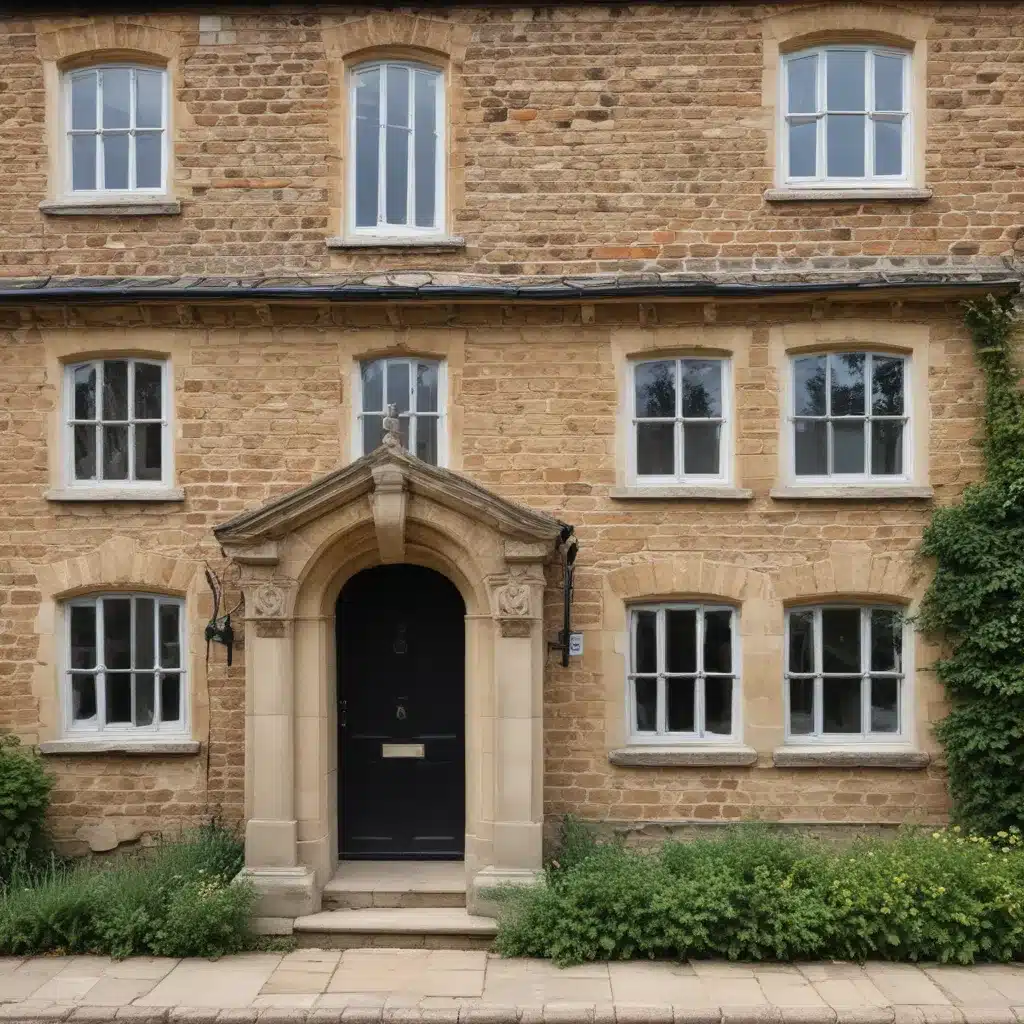
What is a Listed Building?
Ahh, the joys of navigating the world of listed buildings – it’s like a labyrinth of historical significance and bureaucratic hoops, isn’t it? As someone who’s been in the building and renovation business in Aberdeen for over a decade, I’ve had my fair share of experience with this unique breed of properties. Let me tell you, it’s not for the faint of heart, but with the right know-how, it can be a truly rewarding endeavor.
You see, a listed building is a structure that’s been officially recognized by the government as being of special architectural or historic interest. These buildings are essentially the VIPs of the property world, with a level of protection that sets them apart from your average run-of-the-mill abode. Think of it like a celebrity who’s been awarded a star on the Hollywood Walk of Fame – they’re not just any old building, they’re a cultural icon worthy of preserving.
But what does that mean in practical terms? Well, for starters, if you own a listed building, you’re subject to a whole host of rules and regulations when it comes to any kind of renovation or alteration work. It’s not as simple as just slapping on a fresh coat of paint and calling it a day. Oh no, my friends, you’re dealing with a whole different level of bureaucracy here.
The Listed Building Consent Process
Alright, let’s dive into the nitty-gritty of listed building consents. Essentially, if you want to make any changes to a listed building – and I mean anything from a new roof to a simple paint job – you need to obtain what’s known as a listed building consent. This is a special type of planning permission that’s designed to ensure that any alterations or additions to the building are in keeping with its historical significance and architectural integrity.
The process can be a bit of a headache, I’ll admit. It typically involves submitting a detailed application to the local planning authority, complete with things like detailed drawings, historic analysis, and a clear justification for the proposed changes. And trust me, they’re not just going to rubber-stamp your application and send you on your merry way. Oh no, these folks are going to scrutinize every single detail, making sure that your plans are in line with the building’s protected status.
But hey, it’s not all doom and gloom. The upside of this whole rigmarole is that it helps to preserve the rich history and character of these incredible buildings. After all, if we just let people do whatever they wanted, we’d risk losing these architectural gems forever. And that’s not something any of us want, right?
Navigating the Consent Process
Okay, so you’ve got a listed building and you’re ready to take on a renovation project. Where do you even begin? Well, the first step is to do your homework. And I’m not just talking about reading the relevant legislation and guidelines (although that’s certainly important). No, you need to really dive deep into the history and significance of your building.
Think of it like being a detective – you need to uncover the building’s story, understand its cultural and architectural value, and use that information to craft a compelling case for your proposed changes. Trust me, the more you can demonstrate your respect and appreciation for the building’s heritage, the better your chances of getting that all-important listed building consent.
But it’s not just about the paperwork, my friends. You also need to be strategic in your approach. That means working closely with experienced architects, surveyors, and heritage specialists who can help you navigate the process and ensure that your plans are in line with the regulations. And let me tell you, it’s not always a smooth ride. There may be some back-and-forth, negotiations, and even the occasional curveball thrown your way. But with the right team on your side, you can definitely make it through.
The Benefits of Listed Building Consents
Now, I know what you’re thinking – all this red tape and bureaucracy sounds like a real headache. And you know what? You’re not wrong. But let me tell you, there are some real benefits to the listed building consent process that make it all worth it in the end.
For starters, there’s the pride and satisfaction of preserving a piece of history. Imagine being the steward of a building that’s been standing for hundreds of years, and being able to play a part in ensuring its continued existence for generations to come. It’s a pretty special feeling, let me tell you.
And let’s not forget the financial benefits, either. While it’s true that renovating a listed building can be more expensive than a standard property, there are also a number of tax incentives and grants available to help offset the costs. Plus, let’s be real – these properties tend to hold their value incredibly well, making them a solid investment in the long run.
But perhaps the biggest benefit of all is the sense of community and belonging that comes with owning a listed building. These properties are often the heart and soul of a neighborhood, serving as a tangible link to the past and a source of local pride. And when you play a part in preserving that, well, it’s just about the most rewarding feeling you can imagine.
Case Study: The Transformation of Aberdeen’s Marischal College
Now, I know all this talk about listed building consents and bureaucracy can sound a bit dry, but let me tell you about a real-life example that’ll really bring it all to life. Cast your mind back to the early 2000s, when the iconic Marischal College in Aberdeen was in dire need of a makeover.
This grand, 16th-century building had fallen into a state of disrepair, with crumbling stonework and a rather unsightly patchwork of modern additions that just didn’t seem to fit. But the local council had a vision – to restore the college to its former glory and transform it into a modern, functional civic space that would be the pride of the city.
Sounds easy, right? Wrong. This was a listed building, which meant that the consent process was going to be a real doozy. But the team at the council were undaunted, and they set to work meticulously planning every aspect of the renovation. They brought in a crack team of historians, architects, and conservation specialists to ensure that every detail was true to the building’s heritage.
And boy, did it pay off. The transformation of Marischal College was nothing short of breathtaking. Gone were the unsightly modern additions, replaced by a sleek, glass-fronted extension that seamlessly blended old and new. The intricate stonework was painstakingly restored, and the grand interior spaces were given a new lease on life as offices, exhibition halls, and public event spaces.
The best part? The local community absolutely adored it. They took immense pride in seeing their beloved Marischal College restored to its former glory, and the building quickly became a symbol of Aberdeen’s rich history and cultural vibrancy. It’s a true testament to the power of listed building consents and the importance of preserving our architectural heritage.
Conclusion: Embracing the Challenge of Listed Building Consents
So, there you have it – the ins and outs of listed building consents, straight from the mouth of someone who’s been there, done that, and got the hard hat to prove it. It’s a process that can certainly be daunting, but with the right approach and a healthy appreciation for the historical significance of these incredible structures, it can also be an incredibly rewarding and fulfilling experience.
And hey, if you’re thinking of taking on a renovation project on a listed building in Aberdeen, you know where to find us. ABC Home is here to guide you through every step of the process, from navigating the consent process to executing the perfect restoration. So what are you waiting for? Let’s get to work on preserving a piece of history, one project at a time.


