
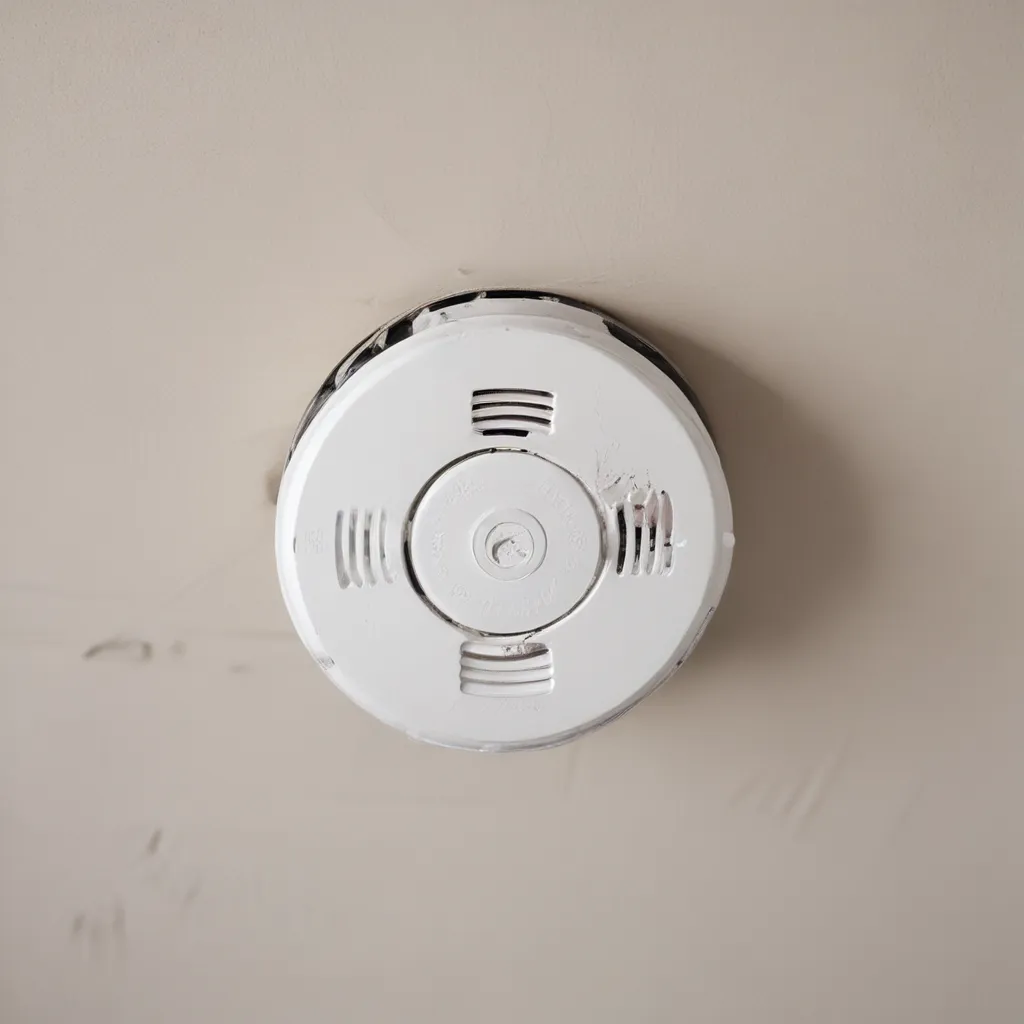
The Day the Smoke Alarms Cried Wolf
Have you ever experienced the sheer panic of hearing your smoke alarms blaring in the middle of the night? Your heart races, your adrenaline spikes, and you scramble to identify the source of the emergency. But what if I told you that the alarms weren’t actually detecting any real danger? Well, that’s precisely what happened to me a few months ago, and let me tell you, it was not a pleasant experience.
It was a typical Tuesday night – I was cozied up on the couch, binge-watching the latest true crime docuseries, when suddenly, the piercing wail of our smoke alarms shattered the peaceful silence. I leaped off the couch, shouting for my partner to wake up as I frantically searched the house for any sign of smoke or fire. We checked every room, but there was nothing. Not a single wisp of smoke, not even the faintest smell of burning.
Just like that Reddit user, our hardwired, interconnected smoke detectors had all gone off, but there was no actual emergency. The fire department arrived within minutes, and thankfully, they were just as perplexed as we were. After a thorough inspection, they determined that it was a false alarm – no fire, no smoke, just a seemingly overzealous smoke detection system.
Now, I know what you’re thinking: “How could this happen? Aren’t smoke alarms supposed to be reliable?” And you’re absolutely right. Smoke alarms are a critical safety feature in any home, designed to alert us to the presence of smoke and potential fire. But as it turns out, even the most advanced smoke detection technology can sometimes malfunction or be triggered by unexpected events.
The Importance of Smoke Alarms
Before I dive deeper into the specifics of my false alarm experience, let’s take a step back and consider the vital role that smoke alarms play in our homes. After all, they’re not just a recommended safety feature – in many regions, including here in Aberdeen, UK, they’re actually a legal requirement for all residential properties.
The reason for this is simple: smoke alarms save lives. According to the National Fire Protection Association, working smoke alarms can reduce the risk of fire-related deaths in a home by as much as 50%. That’s a staggering statistic, and it highlights just how important it is to ensure that your home is equipped with the proper smoke detection equipment.
But it’s not enough to just have smoke alarms installed – they need to be properly maintained and placed in the right locations throughout your home. Ideally, you should have a smoke alarm in every room, including bedrooms, hallways, and even the kitchen (where many home fires start). This ensures that no matter where the fire originates, the alarm will be able to detect it and alert you and your family in time to safely evacuate.
The Perils of Malfunctioning Smoke Alarms
Now, let’s circle back to my false alarm experience. As I mentioned earlier, even the most sophisticated smoke detection systems can sometimes malfunction or be triggered by unexpected events. In my case, the culprit was likely a combination of factors, including issues with the smoke listener device I had installed.
You see, in addition to traditional hardwired smoke alarms, I had also invested in a smart home system that included a smoke and carbon monoxide listener. The idea was that this device would be able to detect the distinct tones of my smoke alarms and alert me (and the fire department) if they were triggered. Unfortunately, it seems that the listener was a bit too sensitive, and it ended up triggering a false alarm.
But the consequences of that false alarm were anything but trivial. Not only did it cause a tremendous amount of stress and disruption to my household, but it also resulted in the fire department being dispatched, which is a significant drain on public resources. And let’s not forget the financial implications – false alarms can result in hefty fines in some areas, which is the last thing any homeowner wants to deal with.
Smoke Alarms: Reliable, but Not Infallible
The moral of the story? Smoke alarms are essential, but they’re not infallible. While they are generally incredibly reliable and effective at detecting the presence of smoke, they can sometimes be triggered by unexpected events or even malfunction. And as my experience has shown, even the most advanced smart home technology can sometimes be a double-edged sword when it comes to fire safety.
So, what’s a homeowner to do? Well, the first and most important step is to ensure that you have working smoke alarms installed in every room of your house. While it’s true that some of the “smart” smoke alarm options on the market can be quite pricey and aesthetically challenged, the peace of mind they provide is truly priceless.
But beyond that, it’s also crucial to regularly test and maintain your smoke alarms to ensure they’re functioning properly. This includes replacing the batteries and checking for any signs of wear or damage. And if you do decide to invest in a smart home system with smoke detection capabilities, be sure to do your due diligence and research the reliability and track record of the products before making a purchase.
At the end of the day, smoke alarms are an essential part of any home safety plan, but they’re not infallible. By being proactive, staying vigilant, and having a solid emergency plan in place, you can ensure that your home and your loved ones are as safe as possible, even in the face of the unexpected. And who knows, maybe next time the smoke alarms go off, it’ll actually be for a real emergency – and you’ll be glad you had them.


