
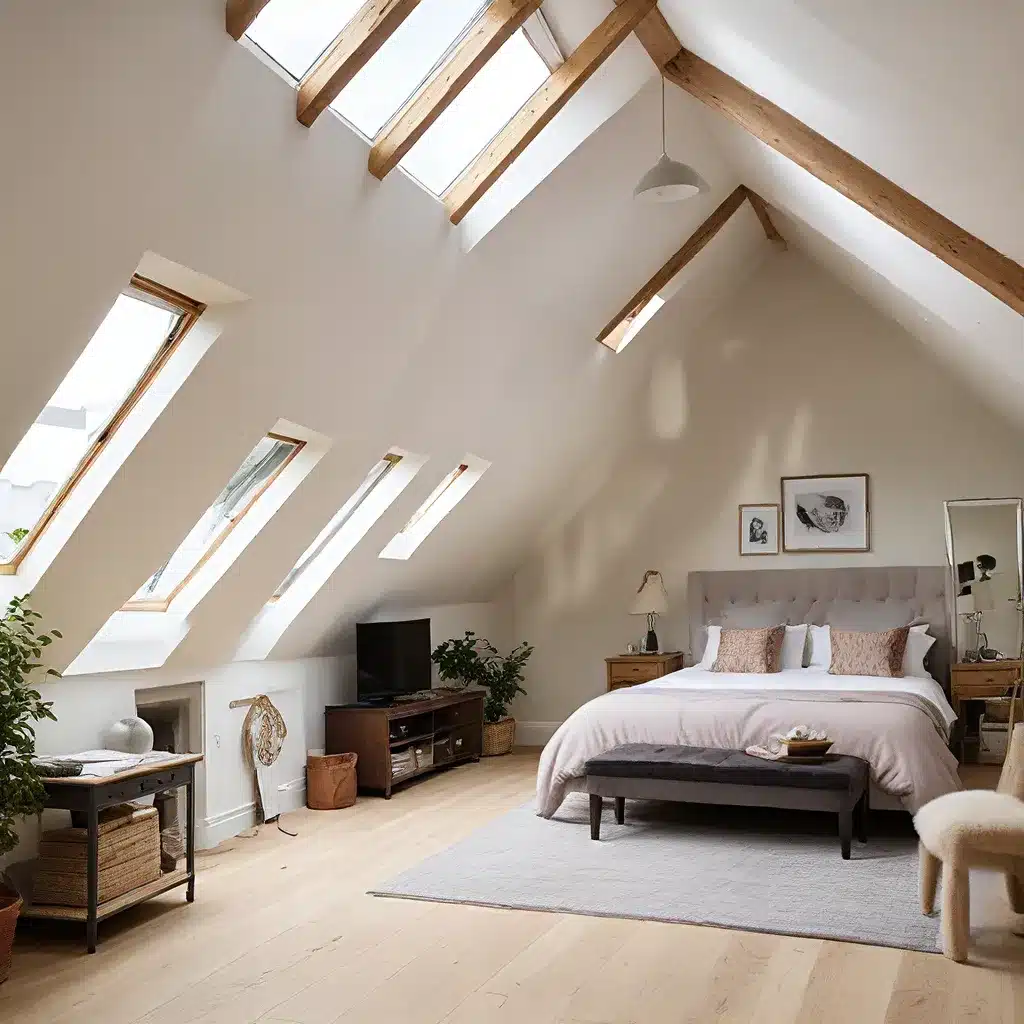
Understanding the Loft Conversion Process
Loft conversions have become increasingly popular in the UK as homeowners seek to maximise their living space without the need for relocation. This process involves transforming an underutilised attic area into a functional and attractive room, often serving as an additional bedroom, office, or recreational space.
The first step in any loft conversion project is to assess the existing structure. This includes examining the roof type, available headroom, and the overall condition of the attic space. A professional surveyor or structural engineer should be consulted to determine the feasibility of the conversion and identify any potential challenges.
Once the assessment is complete, the next phase involves designing the new space. This is where creativity meets practicality, as the design must not only meet the homeowner’s aesthetic preferences but also comply with UK building regulations. Considerations such as staircase placement, window installation, and insulation requirements all play crucial roles in the planning process.
Regulatory Compliance and Planning Permission
Navigating the regulatory landscape is a critical aspect of loft conversion projects in the UK. While many conversions fall under permitted development rights, meaning they don’t require full planning permission, it’s essential to verify this with the local planning authority before commencing work.
For those projects that do require planning permission, the process typically involves submitting detailed plans and documentation to the local council. This can include architectural drawings, structural calculations, and evidence of compliance with building regulations. The approval process can take several weeks, so it’s important to factor this into the project timeline.
Building regulations are another key consideration. These cover various aspects of the construction, including:
- Structural stability
- Fire safety
- Energy efficiency
- Ventilation
- Staircase design
- Sound insulation
Compliance with these regulations is non-negotiable and will be verified through inspections at various stages of the project. Working with a reputable builder or loft conversion specialist can help ensure all necessary approvals are obtained and regulations are adhered to throughout the process.
Design Considerations for Loft Conversions
Creating a functional and aesthetically pleasing loft conversion requires careful consideration of several design elements. The unique characteristics of attic spaces, such as sloped ceilings and potentially awkward layouts, present both challenges and opportunities for creative design solutions.
Lighting is a critical factor in loft conversions. Natural light can be introduced through dormer windows, skylights, or roof lights. The placement and size of these openings should be carefully planned to maximise light while maintaining privacy and adhering to building regulations. Artificial lighting should be thoughtfully designed to complement the natural light and create a welcoming atmosphere.
Storage is another important consideration in loft conversions. Built-in wardrobes, eaves storage, and custom furniture can help maximise space utilisation. Clever design solutions, such as under-stair storage or multi-functional furniture, can further enhance the practicality of the converted space.
The choice of materials used in a loft conversion can significantly impact both the aesthetics and functionality of the space. For example, lightweight materials may be preferred to minimise additional load on the existing structure. Insulation materials should be selected based on their thermal performance and fire resistance properties.
Here’s a comparison of common flooring options for loft conversions:
| Flooring Type | Pros | Cons | Approximate Cost (GBP/m²) |
|---|---|---|---|
| Engineered Wood | Durable, authentic look | Can be expensive | £30 – £90 |
| Laminate | Cost-effective, easy to install | Less authentic than real wood | £10 – £30 |
| Carpet | Comfortable, good insulation | Can show wear quickly | £15 – £40 |
| Vinyl | Water-resistant, variety of styles | Less eco-friendly | £10 – £25 |
The choice of flooring will depend on the intended use of the space, budget constraints, and personal preferences. It’s important to consider factors such as durability, maintenance requirements, and acoustic properties when making this decision.
Structural Considerations and Load-Bearing
One of the most critical aspects of a loft conversion is ensuring the existing structure can support the additional weight and stresses introduced by the new living space. This often requires reinforcing the floor joists and potentially adding steel beams to distribute the load effectively.
A structural engineer should be consulted to assess the current load-bearing capacity of the house and determine what modifications are necessary. This may involve:
- Strengthening existing floor joists or adding new ones
- Installing steel beams to support the new floor and roof structure
- Reinforcing the foundations if required
- Modifying the roof structure to create adequate headroom
The cost of structural modifications can vary significantly depending on the extent of work required. It’s important to budget for these essential elements, as they form the foundation of a safe and compliant loft conversion.
In some cases, the existing roof structure may need to be altered to create sufficient headroom. This could involve raising the roof, which is a more extensive and costly process. Alternatives such as lowering the ceiling of the floor below or opting for a dormer extension might be more practical and cost-effective solutions.
Energy Efficiency and Insulation
Improving the energy efficiency of the home is a key consideration in modern loft conversions. Proper insulation not only helps reduce energy bills but is also a requirement under UK building regulations. The roof and walls of the converted space must meet specific U-value requirements, which measure the rate of heat transfer through a structure.
There are several insulation options available for loft conversions:
-
Rigid foam boards: These provide excellent insulation with minimal thickness, making them ideal for areas with limited space.
-
Mineral wool: A cost-effective option that offers good thermal and acoustic insulation properties.
-
Spray foam insulation: This can be applied to irregular surfaces and provides a high level of insulation, but is generally more expensive.
-
Natural insulation materials: Options like sheep’s wool or recycled denim offer eco-friendly alternatives with good insulation properties.
The choice of insulation material will depend on factors such as budget, available space, and environmental considerations. It’s important to work with a professional who can recommend the most suitable option for your specific project.
In addition to insulation, other energy-efficient features should be considered:
- Double or triple-glazed windows to minimise heat loss
- LED lighting to reduce electricity consumption
- Solar panels or other renewable energy systems, where appropriate
- Efficient heating and cooling systems designed for the new space
Investing in energy-efficient solutions can lead to long-term cost savings and increase the overall value of the property. It’s worth exploring available grants or incentives for energy-efficient home improvements, as these can help offset the initial costs.
Ventilation and Climate Control
Proper ventilation is essential in loft conversions to maintain good air quality and prevent issues such as condensation and mould growth. UK building regulations require specific ventilation standards to be met, which may include:
- Background ventilation (e.g., trickle vents in windows)
- Purge ventilation (e.g., openable windows)
- Mechanical ventilation systems in bathrooms or kitchens
In some cases, a whole-house mechanical ventilation system with heat recovery (MVHR) may be recommended. This can help maintain good air quality while also improving energy efficiency by recovering heat from extracted air.
Climate control is another important consideration, as loft spaces can be prone to overheating in summer and heat loss in winter. Strategies to manage temperature fluctuations may include:
- Installing roof windows with solar control glazing
- Using reflective materials in the roof construction to reduce heat gain
- Incorporating ceiling fans or air conditioning systems for cooling
- Implementing underfloor heating for efficient warmth distribution
The specific requirements for ventilation and climate control will depend on the size and intended use of the converted space. It’s important to work with a heating, ventilation, and air conditioning (HVAC) specialist to design a system that meets both regulatory requirements and the occupants’ comfort needs.
Staircase Design and Building Regulations
The staircase is a critical element in loft conversions, serving as the primary means of access to the new living space. UK building regulations set out specific requirements for staircase design to ensure safety and usability. Some key considerations include:
- Minimum width (typically 800mm for a private staircase)
- Maximum rise and minimum going (step height and depth)
- Headroom requirements (typically 2m minimum)
- Handrail specifications
- Fire safety measures, such as fire-resistant construction and escape routes
Designing a staircase that meets these requirements while also fitting within the available space can be challenging. Creative solutions may be needed, such as alternating tread staircases or space-saving spiral designs. However, it’s important to note that some of these alternative designs may not comply with building regulations for primary access and could be limited to use as secondary staircases.
The placement of the staircase is also crucial, as it will impact both the layout of the loft conversion and the floor below. Ideally, the staircase should land in a convenient location without disrupting the existing living space too significantly. This often requires careful planning and may involve reconfiguring part of the floor below.
Fire Safety and Escape Routes
Fire safety is a paramount concern in loft conversions, particularly as the new living space is typically on the highest floor of the property. UK building regulations set out specific requirements for fire protection and escape routes in converted lofts.
Key fire safety measures may include:
-
Fire-resistant doors: All doors leading to the loft conversion should be fire-resistant (FD30 rated) to contain fire and smoke for at least 30 minutes.
-
Smoke alarms: Interconnected smoke alarms must be installed on every floor of the property, including the new loft space.
-
Escape windows: In some cases, an escape window may be required in the loft conversion. This must meet specific size and accessibility requirements.
-
Protected escape route: A protected stairway may be necessary, which involves upgrading the fire resistance of walls and doors along the escape route.
-
Fire-resistant materials: The use of fire-resistant materials in the construction of the loft conversion, including insulation and structural elements.
The specific requirements will depend on the height and layout of the property, as well as the intended use of the converted space. For example, a loft conversion in a two-storey house may have different requirements compared to one in a three-storey property.
It’s crucial to work with a building control officer or approved inspector to ensure all fire safety requirements are met. They can provide guidance on the necessary measures and will inspect the work at various stages to verify compliance.
Cost Considerations and Budgeting
The cost of a loft conversion can vary significantly depending on factors such as the size of the space, the extent of structural work required, and the level of finishing. In the UK, a basic loft conversion might start from around £15,000, while more complex projects with high-end finishes could exceed £70,000.
Here’s a breakdown of potential costs for different types of loft conversions:
| Type of Conversion | Approximate Cost Range (GBP) |
|---|---|
| Velux (roof light) | £15,000 – £25,000 |
| Dormer | £30,000 – £50,000 |
| Hip-to-gable | £35,000 – £55,000 |
| Mansard | £45,000 – £70,000+ |
These figures are indicative and can vary based on location, property specifics, and market conditions. It’s important to obtain detailed quotes from multiple contractors and to budget for contingencies (typically 10-15% of the total cost).
When budgeting for a loft conversion, consider the following elements:
- Structural work (e.g., floor reinforcement, roof alterations)
- Windows and dormers
- Insulation and soundproofing
- Electrical and plumbing work
- Heating and ventilation systems
- Staircase installation
- Interior finishing (e.g., plastering, flooring, decorating)
- Professional fees (e.g., architect, structural engineer, building control)
It’s also worth considering the potential return on investment. A well-executed loft conversion can add significant value to a property, often in the range of 20-25% of the home’s value. However, it’s important to ensure the cost of the conversion doesn’t exceed the potential increase in property value.
Financing options for loft conversions include savings, home improvement loans, or remortgaging. It’s advisable to consult with a financial advisor to determine the most suitable option based on individual circumstances.
Project Management and Timelines
Effective project management is crucial for ensuring a loft conversion is completed on time, within budget, and to the required quality standards. The duration of a loft conversion project can vary widely, typically ranging from 6 to 12 weeks for straightforward conversions, and potentially longer for more complex projects.
A typical project timeline might look like this:
- Planning and design: 2-4 weeks
- Obtaining necessary approvals: 4-8 weeks
- Structural work: 1-2 weeks
- Roof alterations and weatherproofing: 1-2 weeks
- Installation of windows and dormers: 1 week
- First fix (electrics, plumbing, insulation): 1-2 weeks
- Plastering and flooring: 1-2 weeks
- Second fix (fixtures, fittings, decorating): 2-3 weeks
- Final inspections and sign-off: 1 week
It’s important to build in contingency time for unforeseen issues or delays, particularly when dealing with older properties where unexpected structural problems may be uncovered during the work.
Key aspects of effective project management include:
- Clear communication: Establishing open lines of communication between the homeowner, builder, and any subcontractors.
- Detailed project plan: Creating a comprehensive schedule with clear milestones and deadlines.
- Regular site meetings: Holding weekly progress meetings to address any issues and ensure the project remains on track.
- Quality control: Implementing a system for checking and signing off on completed work at each stage.
- Budget tracking: Maintaining detailed records of expenses and regularly reviewing them against the budget.
- Risk management: Identifying potential risks early and developing contingency plans.
For homeowners who are not experienced in construction project management, it may be worthwhile to engage a professional project manager or to work with a loft conversion specialist who offers comprehensive project management services. While this adds to the overall cost, it can help ensure a smoother process and potentially avoid costly mistakes or delays.
Choosing the Right Professionals
Selecting the right team of professionals is crucial for the success of a loft conversion project. The key roles typically involved include:
-
Architect or Architectural Designer: Responsible for creating the design and drawings for the loft conversion.
-
Structural Engineer: Assesses the existing structure and designs the necessary modifications to support the conversion.
-
Building Contractor: Carries out the construction work, often managing various subcontractors.
-
Building Control Officer or Approved Inspector: Ensures the work complies with building regulations through inspections at various stages.
-
Electrician and Plumber: Handle the electrical and plumbing installations, which must comply with relevant regulations.
-
Project Manager: Oversees the entire project, coordinating different trades and ensuring work progresses according to plan.
When selecting professionals, consider the following:
-
Qualifications and accreditations: Look for membership in relevant professional bodies such as the Royal Institute of British Architects (RIBA) for architects or the Federation of Master Builders for contractors.
-
Experience: Prioritise professionals with specific experience in loft conversions, particularly in properties similar to yours.
-
References and portfolio: Ask for references from previous clients and examples of completed projects.
-
Insurance: Ensure all professionals have appropriate insurance coverage, including professional indemnity insurance.
-
Communication skills: Choose professionals who communicate clearly and are responsive to your queries.
-
Compatibility: Select a team that you feel comfortable working with, as you’ll be in close contact throughout the project.
It’s advisable to obtain multiple quotes and to meet with several professionals before making a decision. Be wary of quotes that seem unusually low, as this may indicate cut corners or hidden costs.
For a comprehensive loft conversion service, some homeowners opt to work with specialist loft conversion companies that handle all aspects of the project from design to completion. While potentially more expensive, this approach can simplify the process and ensure all elements of the project are well-coordinated.
Maximising Space and Storage Solutions
One of the primary challenges in loft conversions is making the most of the available space, particularly in areas with sloping ceilings or awkward angles. Clever design and storage solutions can help maximise the usability and functionality of the converted loft.
Some effective strategies include:
-
Built-in storage: Custom-designed wardrobes, shelving units, and cupboards can be built into the eaves or other unused spaces, providing ample storage without encroaching on the living area.
-
Multi-functional furniture: Incorporating furniture that serves multiple purposes, such as beds with built-in storage or fold-down desks, can help maximise space efficiency.
-
Dormer windows: In addition to providing natural light, dormers can create additional headroom and usable floor space.
-
Mezzanine levels: In lofts with sufficient height, a mezzanine level can be installed to create additional floor space for sleeping or storage.
-
Underfloor storage: If the floor needs to be raised for insulation or structural reasons, this can create an opportunity for built-in storage compartments.
-
Clever use of awkward spaces: Areas with limited headroom can be utilised for storage, seating, or even as cosy reading nooks.
-
Sliding doors: These can be a space-saving alternative to traditional hinged doors, particularly for wardrobes or en-suite bathrooms.
When planning storage solutions, consider the specific needs of the space. For example, if the loft is being converted into a bedroom, ample wardrobe space will be essential. For a home office, built-in desks and shelving for books and equipment might be prioritised.
It’s also important to consider the weight of stored items, particularly in areas with sloping ceilings or limited structural support. Heavy items should be stored closer to load-bearing walls or where additional reinforcement has been added.
Lighting and Electrical Considerations
Effective lighting design is crucial in loft conversions to create a welcoming atmosphere and ensure the space is functional for its intended use. A combination of natural and artificial lighting should be considered to achieve optimal results.
Natural lighting options include:
- Roof windows or skylights: These can be installed in sloping roofs to bring in abundant natural light.
- Dormer windows: In addition to creating extra space, dormers provide vertical windows that can enhance natural light and ventilation.
- Gable end windows: For conversions with a gable wall, installing windows here can provide excellent natural light.
When planning natural lighting, consider factors such as the orientation of the house, potential overshadowing from neighbouring buildings, and privacy concerns.
Artificial lighting should be designed to complement natural light and provide adequate illumination for different activities. A layered lighting approach is often effective, incorporating:
- Ambient lighting: General illumination for the entire space, often achieved through recessed ceiling lights or pendant fixtures.
- Task lighting: Focused lighting for specific activities, such as desk lamps for work areas or reading lights near seating areas.
- Accent lighting: Used to highlight architectural features or create atmosphere, such as LED strips in alcoves or under-shelf lighting.
The electrical installation in a loft conversion must comply with Part P of the UK Building Regulations, which covers electrical safety in dwellings. Key considerations include:
- Circuit capacity: The existing electrical system may need to be upgraded to handle the additional load from the loft conversion.
- Wiring: All wiring must be properly installed and protected, with particular attention to fire safety in areas where wires pass through floors or walls.
- Socket placement: Plan the location of electrical sockets carefully to ensure convenient access and avoid trailing cables.
- Lighting controls: Consider installing dimmer switches or smart lighting systems for greater control and energy efficiency.
- Safety devices: Ensure appropriate circuit breakers and residual current devices (RCDs) are installed for protection against electrical faults.
It’s essential to use a qualified electrician registered with a competent person scheme for all electrical work. They can provide a certificate of compliance upon completion, which may be required for building control sign-off.
Plumbing and Heating Integration
Integrating plumbing and heating systems into a loft conversion requires careful planning, particularly if the new space includes a bathroom or kitchen area. The existing plumbing and heating systems may need to be extended or upgraded to accommodate the additional requirements.
Plumbing considerations include:
-
Water supply: Extending the cold and hot water supply to the loft, which may involve installing a new water tank or upgrading the existing system.
-
Waste water drainage: Planning the route for waste pipes, ensuring adequate fall for proper drainage. This may involve using pumped systems in some cases.
-
Water pressure: Assessing whether the existing water pressure is sufficient for the new space, particularly for showers. A pump may be required to boost pressure.
-
Soundproofing: Implementing measures to minimise noise from water pipes and drainage systems to avoid disturbance to rooms below.
Heating options for loft conversions include:
-
Extending the existing central heating system: This typically involves adding new radiators and extending pipework from the floor below.
-
Underfloor heating: An efficient option that doesn’t take up wall space, particularly suitable for bathrooms.
-
Electric heating: Options such as electric radiators or infrared panels can be easier to install but may be more expensive to run.
-
Air conditioning units: These can provide both heating and cooling, which can be beneficial in loft spaces prone to temperature fluctuations.
When extending the central heating system, it’s important to assess whether the existing boiler has sufficient capacity to heat the additional space effectively. In some cases, upgrading to a more powerful boiler may be necessary.
The choice of heating system will depend on factors such as the intended use of the space, budget, energy efficiency goals, and the capacity of existing systems. It’s advisable to consult with a heating engineer to determine the most suitable solution for your specific project.
All plumbing and heating work must comply with relevant building regulations, including:
- Part G (Sanitation, hot water safety and water efficiency)
- Part L (Conservation of fuel and power)
- Part J (Combustion appliances and fuel storage systems)
As with electrical work, it’s essential to use qualified professionals for all plumbing and heating installations. This ensures compliance with regulations and helps avoid potential issues such as leaks or inefficient systems.
Soundproofing and Acoustic Considerations
Effective soundproofing is an important aspect of loft conversions, both to minimise noise transmission to and from the new living space. This is particularly crucial if the loft is being converted into a bedroom, home office, or entertainment area.
Key areas to address for soundproofing include:
- Floor: Insulating the floor of the loft conversion helps reduce impact noise (e.g., footsteps) transmitted to the rooms below. This can be achieved through:
- Installing a layer of acoustic insulation between floor joists
- Using resilient bars to create a gap between the floor and ceiling below
-
Applying a layer of acoustic underlay beneath the flooring material
-
Walls: Improving the sound insulation of walls, particularly party walls in semi-detached or terraced houses, can involve:
- Adding an extra layer of plasterboard with acoustic properties
- Installing sound-absorbing insulation within wall cavities
-
Using resilient bars to create a small air gap before adding plasterboard
-
Roof: Enhancing the acoustic properties of the roof structure may include:
- Installing sound-absorbing insulation between rafters
- Adding an acoustic membrane beneath the roof covering
-
Using sound-deadening boards as part of the roof structure
-
Windows: Double or triple-glazed windows not only improve thermal insulation but also help reduce external noise. Consider:
- Windows with different glass thicknesses to disrupt sound waves
- Acoustic laminated glass for enhanced sound reduction
-
Proper sealing around window frames to minimise air gaps
-
Doors: Using solid core doors with good seals around the frame can significantly reduce sound transmission.
-
Pipes and ducts: Wrapping pipes and ducts with acoustic insulation can help minimise noise from plumbing and HVAC systems.
The level of soundproofing required will depend on factors such as the intended use of the space, the property type, and local noise levels. It’s important to balance soundproofing needs with other considerations such as thermal insulation and fire safety.
UK building regulations set out specific requirements for sound insulation in dwellings, including converted spaces. Part E of the Building Regulations covers resistance to the passage of sound and sets performance standards for airborne and impact sound insulation.
While some soundproofing measures can be relatively simple to implement, others may require more extensive work. It’s advisable to consult with an acoustic specialist or a builder experienced in soundproofing techniques to determine the most effective approach for your specific project.
Investing in good soundproofing not only enhances the usability and comfort of the loft conversion but can also contribute to the overall value of the property by creating a more versatile and pleasant living space.
Finishing Touches and Interior Design
The finishing touches and interior design of a loft conversion play a crucial role in transforming the space from a basic structure into a comfortable and appealing living area. Careful consideration of design elements can help overcome challenges such as sloping ceilings and potentially limited natural light.
Key aspects to consider include:
-
Colour scheme: Light, neutral colours can help make the space feel larger and brighter. Consider using a slightly darker shade on one wall as a feature to add depth.
-
Flooring: Choose flooring that complements the overall design while being practical for the intended use of the space. Options might include:
- Engineered wood for a warm, natural look
- Durable carpet for bedrooms or living areas
-
Vinyl or tiles for bathrooms or utility spaces
-
Window treatments: Select window coverings that provide privacy and light control without overwhelming the space. Options such as skylight blinds or sheer curtains can be effective.
-
Lighting fixtures: Choose lighting that enhances the room’s ambiance while providing adequate illumination. Consider:
- Recessed spotlights for a clean, uncluttered look
- Pendant lights to create focal points
-
Wall sconces for ambient lighting in areas with limited headroom
-
Built-in furniture: Custom-built furniture can make efficient use of awkward spaces and create a streamlined look.
-
Storage solutions: Incorporate clever storage options to maintain a clutter-free environment, such as under-eaves cupboards or built-in wardrobes.
-
Exposed beams: If structurally possible, consider leaving some roof beams exposed for added character.
-
Staircases: The staircase can be a design feature in itself. Consider options such as open-tread stairs for a modern look or a spiral staircase to save space.
-
Bathroom fixtures: If including a bathroom, choose space-saving fixtures such as corner sinks or wet room-style showers.
-
Textiles and accessories: Use soft furnishings and decorative items to add warmth and personality to the space.
When selecting materials and finishes, consider factors such as durability, ease of maintenance, and suitability for the loft environment. For example, some materials may be more prone to expansion and contraction due to temperature fluctuations in the loft space.
It’s also important to consider the overall style of the property when designing the loft conversion. While the new space can have its own character, it should harmonise with the rest of the house to create a cohesive feel.
For those less confident in their interior design skills, consulting with an interior designer can be beneficial. They can provide valuable insights on space planning, colour schemes, and material selections to create a space that is both functional and aesthetically pleasing.
Remember that the design should ultimately reflect the intended use of the space and the personal preferences of the occupants. Whether it’s a tranquil bedroom retreat, a productive home office, or a versatile family room, the finishing touches should support the purpose of the room while creating an inviting atmosphere.
Maintenance and Long-term Considerations
Once a loft conversion is complete, ongoing maintenance is essential to ensure the space remains in good condition and continues to meet safety standards. Regular upkeep can also help prevent minor issues from developing into more significant problems.
Key maintenance considerations include:
-
Roof inspections: Regularly check for any signs of leaks or damage to the roof covering, especially around windows and any new roof structures added during the conversion.
-
Ventilation systems: Ensure that any mechanical ventilation systems are serviced regularly to maintain good air quality and prevent issues such as condensation.
-
Insulation: Periodically check that insulation remains in good condition and hasn’t been displaced or damaged, particularly in areas prone to moisture.
-
Plumbing and heating: Schedule annual checks of plumbing fixtures and heating systems to ensure they’re functioning efficiently and to catch any potential leaks early.
-
Electrical systems: Have a qualified electrician perform safety checks on the electrical installation every 5-10 years, or sooner if any issues arise.
-
Fire safety equipment: Regularly test smoke alarms and replace batteries as needed. Review fire escape plans periodically.
-
Structural elements: Be alert for any signs of structural movement, such as cracks in walls or ceilings, and seek professional advice if concerns arise.
-
Decorative finishes: Plan for periodic redecorating to keep the space looking fresh and address any wear and tear.
Long-term considerations for loft conversions include:
-
Energy efficiency: As technology advances, consider upgrading insulation, windows, or heating systems to improve energy efficiency and reduce running costs.
-
Changing needs: Think about how the use of the space might change over time. For example, a home office might need to be adapted into a bedroom in the future.
-
Property value: Keep in mind how the loft conversion affects the overall value of the property. Maintaining the space well can help preserve and potentially increase this value.
-
Future regulations: Stay informed about any changes to building regulations or energy efficiency standards that might affect loft conversions, particularly if planning future renovations.
-
Insurance: Ensure that your home insurance policy is updated to reflect the additional living space and any increase in property value.
It’s advisable to keep a file with all relevant documentation related to the loft conversion, including:
- Planning permission and building control certificates
- Warranties for materials and installations
- Electrical and gas safety certificates
- User manuals for any installed equipment
This documentation can be valuable for future maintenance, renovations, or when selling the property.
By taking a proactive approach to maintenance and considering long-term factors, homeowners can ensure their loft conversion remains a valuable and enjoyable part of their home for years to come.
Conclusion
Loft conversions represent a significant opportunity for homeowners to expand their living space and potentially increase the value of their property. By carefully considering all aspects of the project, from initial planning through to long-term maintenance, it’s possible to create a beautiful and functional space that enhances the home.
Key takeaways from this guide include:
- The importance of thorough planning and design, taking into account structural considerations and regulatory requirements.
- The need for compliance with UK building regulations and obtaining necessary approvals.
- The value of investing in energy efficiency and sound insulation for long-term comfort and cost savings.
- The benefits of working with qualified professionals throughout the project.
- The potential to maximise space through clever design and storage solutions.
- The role of finishing touches and interior design in creating a welcoming and practical living space.
- The ongoing maintenance requirements to ensure the longevity and safety of the conversion.
While undertaking a loft conversion can be a complex process, the rewards in terms of additional living space and potential property value increase can be significant. By approaching the project with careful planning and attention to detail, homeowners can create a truly bespoke space that meets their needs and enhances their quality of life.
For those considering a loft conversion, the next step is to begin the planning process, starting with a feasibility assessment and initial design ideas. Consulting with professionals early in the process can help identify potential challenges and opportunities, setting the foundation for a successful project.
For more information on home extensions and conversions, visit https://abc-home.co.uk/home-extension-conversion/ to explore additional resources and expert advice.


