
The Ascent of the Attic: Unlocking the Hidden Potential
I’ll never forget the day I stood at the edge of the empty foundation, staring down at the remnants of my childhood home. The building that had once towered over the corner of Desbrosses and Washington Streets in TriBeCa, a neighborhood in lower Manhattan, was gone – reduced to a pile of rubble and dust. It was a surreal and unsettling sight, like peering into a void where something so familiar and permanent had once been.
As I gazed into that empty space, I couldn’t help but feel a deep sense of nostalgia and loss. This had been the place where I grew up, where my family had carved out a life in the heart of a rapidly changing city. But the passage of time and the relentless forces of progress had conspired to erase it, leaving behind nothing but memories and the faint echoes of a life once lived.
Yet, even as I mourned the loss of my childhood home, I couldn’t help but be drawn to the fascinating history that lay buried beneath the surface. The story of 31 Desbrosses Street and the transformation of the TriBeCa neighborhood was a microcosm of the broader changes sweeping through New York City – a tale of industrial decline, urban renewal, and the rise of a new generation of artists and creatives who would breathe life into the city’s forgotten spaces.
From Cough Syrup to Lofts: The Metamorphosis of 31 Desbrosses Street
The building at 31 Desbrosses Street had a long and storied history, stretching back to the early 19th century when the land it stood on was part of the Trinity Church Farm. The street itself was named after Elias Desbrosses**, a prominent merchant and vestryman of Trinity Church, though he never actually lived on the street that bore his name.
In the late 18th century, the area was known as Lispenard Meadows or Lispenard Swamp, a sprawling tract of land owned by Leonard Lispenard, a local landowner, merchant, and Revolutionary War militiaman. Lispenard’s house, which served as a stopover for George Washington on his way to Cambridge during the Revolutionary War, stood on the site where 31 Desbrosses Street would eventually be built.
As the city grew and industrialized in the 19th century, the waterfront along the Hudson River became a hub of commercial activity. Hugh Gaine, a prominent publisher and Vestryman of Trinity Church, acquired the land and began developing the area, filling in the shoreline and constructing a series of warehouses and storage yards.
By the late 19th century, the building at 31 Desbrosses Street had been constructed and was occupied by a variety of industrial tenants, including a mahogany lumber yard and the Pertussin Cough Syrup company. The building’s imposing six-story cast-iron facade, designed in the Beaux-Arts style, was a testament to the architectural grandeur of the era’s industrial buildings.
The Loft Invasion: Artists Reclaim the Forgotten Spaces
As the 20th century wore on, the TriBeCa neighborhood, like many other industrial areas of New York City, fell into decline. Factories and warehouses shuttered, and the once-bustling waterfront fell into disrepair. The area, dubbed the “Hell’s Hundred Acres,” became notorious for its abandoned buildings and high crime rates.
But in the 1960s and 70s, a new generation of artists and creative types began to see the potential in these forgotten spaces. Drawn by the large, open floor plans, high ceilings, and abundant natural light of the loft spaces, they began to illegally convert these industrial buildings into live-work studios.
My parents, Ronnie and Jenny, were among the first to discover the charms of 31 Desbrosses Street. In 1969, they, along with two fellow artists, Ken Showell and Bill Pettet, rented the building and divided it into their own live-work spaces. It was a bold and unconventional move, as the building was zoned for industrial use, not residential.
Lofty Ambitions: The Birth of the Loft Conversion Movement
The influx of artists into these industrial lofts did not go unnoticed by the city authorities. Concerned about the displacement of industrial tenants and the lack of proper zoning, the city responded with a lawsuit against the building’s owners. However, the artists prevailed, and this case eventually led to the regulation of the loft conversion process in New York City.
In 1971, the City Planning Commission legalized artist residency in specific lofts within the SoHo neighborhood, just south of TriBeCa. This landmark decision paved the way for the Loft Law of 1982, which expanded the scope of legal loft conversions and provided rent protections for loft dwellers.
The legalization of loft living sparked a transformation in the TriBeCa area. Commercial and cooperative art galleries opened, restaurants and boutiques catered to the influx of visitors, and the Landmarks Preservation Commission designated the neighborhood a historic district in recognition of its distinctive cast-iron architecture.
The Rise and Fall of the TriBeCa Empire
As TriBeCa’s artistic and cultural renaissance gained momentum, the neighborhood also became a magnet for the city’s elite. Bloomingdale types, as they were dubbed, began to move in, taking advantage of the weakly enforced artist-only provisions and driving up rents and real estate** prices.
The gentrification of the area was further fueled by the 1975 fiscal crisis and the subsequent austerity measures implemented by the Ed Koch administration. With limited resources, the city was unable to effectively enforce the regulations, leading to a proliferation of illegal loft conversions.
The Loft Law of 1982 attempted to curb these abuses, but it also expanded the geography for further conversions, ultimately contributing to the displacement of many artists from the neighborhood. TriBeCa had transformed from a gritty industrial district to a chic, mixed-use area for artists and manufacturers to an upscale neighborhood catering to the one percent.
A Family’s Legacy: Navigating the Changing Tides of TriBeCa
My family’s story was intertwined with the rise and fall of TriBeCa. As artists in a live-work environment, my parents and their fellow tenants were at the forefront of the loft conversion movement. They were the first to call 31 Desbrosses Street home, and they remained there for over 40 years, weathering the changing tides of the neighborhood.
Growing up in this unique setting, I witnessed firsthand the transformation of TriBeCa from a forgotten industrial district to a bustling, high-end residential and commercial hub. The neighborhood that had once been cut off from the rest of the city by the eddies and flows of traffic around the Holland Tunnel slowly evolved into a destination for the city’s wealthiest and most fashionable.
Yet, even as the physical landscape of TriBeCa changed, the legacy of my family’s time in the building remained. The industrial and artisanal character of the space they had occupied reflected a bygone era, a bridge between the city of the past and the city of the present. It was a testament to the resilience and adaptability of New York City, a constant cycle of transformation and reinvention.
A Cautionary Tale: The Threat of Climate Change and the Fragility of Progress
The story of 31 Desbrosses Street and the TriBeCa neighborhood is not only one of urban renewal and gentrification, but also a cautionary tale about the fragility of our progress and the looming threat of climate change.
In 2012, Hurricane Sandy ravaged the lower Manhattan waterfront, flooding the streets and buildings of TriBeCa with several feet of water. The aftermath of the storm ultimately led to the destruction of my childhood home, rendering the building inaccessible and forcing my parents to relocate.
The devastation wrought by Sandy was a stark reminder that the city’s transformation and development, no matter how ambitious or permanent they may seem, are always at the mercy of the natural forces that shaped the landscape in the first place. The river that had once been tamed and pushed back by the builders and developers of the 19th and 20th centuries had reclaimed its rightful place, undoing decades of urban progress.
As the effects of climate change continue to unfold, the low-lying waterfront areas of New York City, including TriBeCa, face an uncertain future. The loss of my childhood home serves as a stark reminder that the relentless march of progress is not invincible, and that we must adapt and prepare for the challenges that lie ahead.
The Resilience of the City: Adapting to a Changing Landscape
The story of 31 Desbrosses Street and the TriBeCa neighborhood is a testament to the resilience and adaptability of New York City. From the industrial decline of the 20th century to the rise of artists and creatives, and now the looming threat of climate change, the city has weathered countless transformations, reinventing itself to meet the demands of each new era.
As I stand at the edge of the empty foundation, I’m reminded that the story of this place is not over. The land that once housed my childhood home and the industrial buildings that defined the TriBeCa of the past will continue to evolve, shaped by the forces of progress, nature, and the ingenuity of the people who call New York City home.
Perhaps in the years to come, a new building will rise on the site of 31 Desbrosses Street, reflecting the changing needs and aspirations of the city. Or perhaps the river will reclaim the land, reminding us of the fragility of our achievements and the enduring power of the natural world.
Regardless of what the future holds, the story of this place and the families who have called it home will continue to unfold, a testament to the resilience and adaptability that have defined New York City for centuries. And as I look to the horizon, I’m filled with a sense of wonder and anticipation for the chapter yet to be written.
Unlocking the Potential: How Loft Conversions Can Transform Your Home
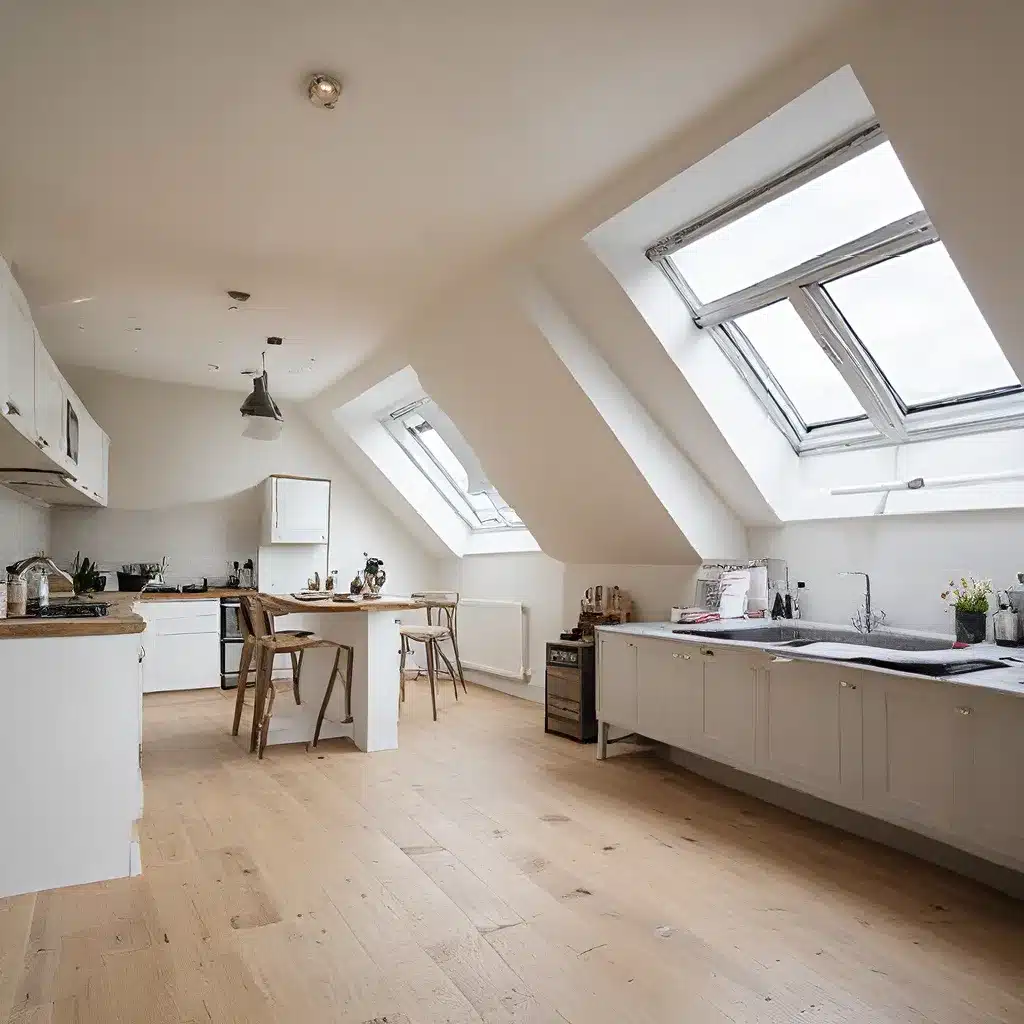
The transformation of 31 Desbrosses Street and the TriBeCa neighborhood is a powerful example of how loft conversions can unlock the hidden potential of a space. By repurposing these industrial and commercial buildings, artists and innovators were able to create vibrant, light-filled living and work spaces that defied the traditional notions of residential design.
If you’re considering a loft conversion for your own home, the story of 31 Desbrosses Street and the TriBeCa loft movement can provide valuable insights and inspiration. By embracing the unique architectural features of your space, you can create a one-of-a-kind living environment that reflects your personal style and creative vision.
At ABC Home, our team of experienced designers and builders are dedicated to helping you unlock the full potential of your home. Whether you’re looking to convert a loft, expand your living space, or modernize your existing structure, we’ll work closely with you to bring your vision to life.
So, if you’re ready to embark on your own loft conversion journey, be sure to contact us today. Together, we’ll explore the exciting possibilities that await, and transform your space into a true reflection of your unique style and personality.


