
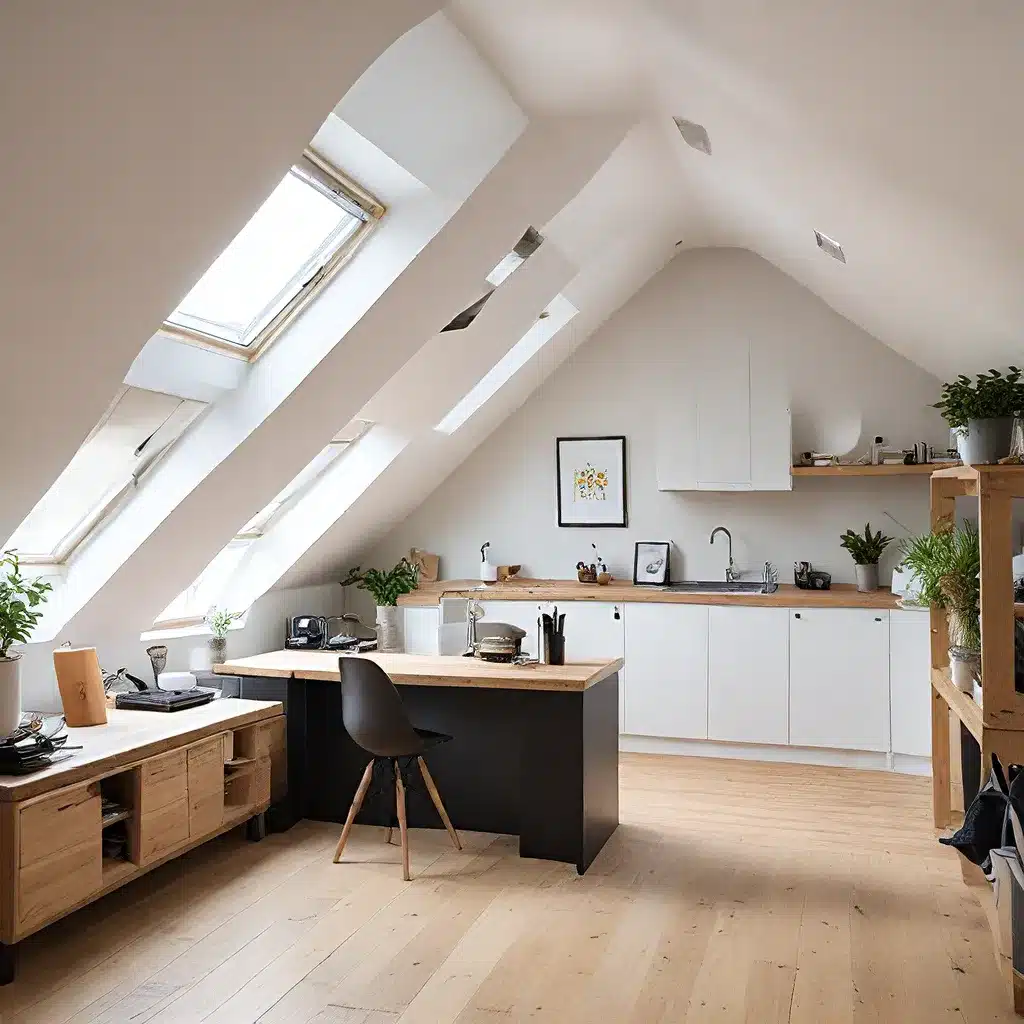
Understanding the Basics of Loft Conversions in the UK
Loft conversions have become increasingly popular in the United Kingdom as homeowners seek to maximise their living space without the need for costly extensions. These transformations can add significant value to a property while providing additional room for bedrooms, home offices, or recreational areas. However, before embarking on a loft conversion project, it’s essential to understand the fundamental aspects that contribute to a successful and compliant renovation.
In the UK, loft conversions are subject to specific building regulations and often require planning permission, depending on the scope of the work. The first step in any loft conversion project is to assess the existing space and determine its suitability for conversion. Factors such as roof pitch, available headroom, and structural integrity play crucial roles in determining whether a loft can be converted and what type of conversion is feasible.
It’s important to note that different types of loft conversions are available, each with its own set of requirements and benefits. These include roof light conversions, dormer conversions, hip-to-gable conversions, and mansard conversions. The choice of conversion type will depend on the property’s existing structure, local planning restrictions, and the homeowner’s specific needs and budget.
Regulatory Compliance and Planning Permission
Navigating the regulatory landscape is a critical aspect of any loft conversion project in the UK. While some loft conversions fall under permitted development rights, meaning they don’t require planning permission, others may need full planning approval. It’s crucial to check with the local planning authority to determine the specific requirements for your project.
Building regulations approval is mandatory for all loft conversions, regardless of whether planning permission is required. These regulations cover various aspects of the construction process, including structural stability, fire safety, insulation, ventilation, and means of escape. Compliance with these regulations ensures that the converted space is safe, energy-efficient, and fit for purpose.
To ensure compliance, it’s advisable to engage with a qualified architect or structural engineer early in the planning process. These professionals can help assess the feasibility of the conversion, prepare necessary drawings and calculations, and liaise with building control officers to ensure all requirements are met. Additionally, they can provide valuable insights into optimising the space and incorporating innovative design solutions that comply with regulations while meeting your specific needs.
Cost Considerations and Budgeting
The cost of a loft conversion can vary significantly depending on various factors, including the type of conversion, the size of the space, and the level of finish required. As of September 2024, typical loft conversion costs in the UK range from £30,000 to £60,000 for a basic conversion, while more complex projects can exceed £100,000.
Here’s a breakdown of approximate costs for different types of loft conversions:
| Conversion Type | Estimated Cost Range (GBP) |
|---|---|
| Roof Light | £20,000 – £40,000 |
| Dormer | £35,000 – £70,000 |
| Hip-to-Gable | £40,000 – £80,000 |
| Mansard | £50,000 – £100,000+ |
It’s important to note that these figures are indicative and can vary based on location, property specifics, and market conditions. When budgeting for a loft conversion, it’s crucial to account for additional costs such as planning fees, building control fees, and potential party wall agreements if your property is semi-detached or terraced.
To manage costs effectively, consider the following strategies:
- Obtain multiple quotes from reputable contractors to ensure competitive pricing.
- Clearly define the scope of work and stick to it to avoid costly changes mid-project.
- Consider a phased approach, completing essential structural work first and finishing interiors over time.
- Explore cost-effective materials and finishes that meet building regulations without compromising on quality.
- Factor in a contingency fund of 10-15% to cover unexpected expenses or complications.
By carefully planning and budgeting for your loft conversion, you can create additional living space that adds value to your home while staying within financial constraints.
Innovative Design Solutions for Space Optimisation
When converting a loft, making the most of every available inch is crucial. Innovative design solutions can transform even the most challenging spaces into functional and attractive living areas. Here are some smart approaches to maximise space in your loft conversion:
Built-in Storage Solutions
Incorporating built-in storage is an excellent way to utilise awkward spaces often found in loft conversions. Custom-made wardrobes, shelving units, and drawers can be designed to fit perfectly under eaves or in corners, providing ample storage without encroaching on living space. Consider floor-to-ceiling shelving along one wall or built-in window seats with hidden storage compartments to maximise functionality.
Multi-functional Furniture
Selecting furniture that serves multiple purposes is key in smaller loft spaces. Consider items such as sofa beds for guest accommodation, extendable tables for flexible dining arrangements, or desks that can be folded away when not in use. Ottoman beds with built-in storage can provide valuable space for linens and out-of-season clothing without sacrificing comfort.
Clever Use of Natural Light
Maximising natural light is essential in loft conversions to create a sense of spaciousness. Roof windows, dormer windows, and light tunnels can dramatically increase the amount of daylight entering the space. Consider positioning windows to capture views and create focal points within the room. Light-coloured walls and reflective surfaces can help bounce light around the space, making it feel larger and more open.
Structural Considerations and Solutions
Ensuring the structural integrity of a loft conversion is paramount for both safety and compliance with building regulations. Several key structural elements must be addressed during the conversion process:
Floor Joists and Load-Bearing Walls
Existing floor joists may need reinforcement to support the additional weight of the new living space. In some cases, new steel beams may be required to distribute the load effectively. It’s essential to identify load-bearing walls and ensure they are properly supported throughout the conversion process.
Roof Structure Modifications
Depending on the type of conversion, the roof structure may need significant modifications. For dormer conversions, this involves creating new vertical walls within the existing roof slope. Hip-to-gable conversions require altering the hip end of the roof to create a gable end, providing more usable floor space. These modifications must be carefully planned and executed to maintain the structural integrity of the roof.
Staircase Integration
Adding a staircase to access the loft space is a critical aspect of the conversion. The staircase must comply with building regulations regarding width, headroom, and fire safety. Creative solutions such as space-saving spiral staircases or alternating tread staircases can be considered for smaller spaces, provided they meet regulatory requirements.
Energy Efficiency and Insulation
Improving energy efficiency is a crucial consideration in loft conversions, not only for compliance with building regulations but also for long-term comfort and reduced energy costs. The following table outlines recommended U-values for different elements of a loft conversion as of September 2024:
| Element | Recommended U-value (W/m²K) |
|---|---|
| Roof | 0.15 |
| Walls | 0.28 |
| Floor | 0.18 |
| Windows/Rooflights | 1.4 |
To achieve these standards, consider the following insulation strategies:
-
Roof Insulation: Use high-performance insulation materials such as PIR (Polyisocyanurate) boards or spray foam insulation to maximise thermal efficiency without excessive thickness.
-
Wall Insulation: For dormer walls and gable ends, employ a combination of rigid insulation boards and mineral wool to achieve the required U-value while managing moisture risks.
-
Floor Insulation: Install insulation between floor joists, ensuring a continuous layer to prevent thermal bridging.
-
Windows and Rooflights: Opt for high-performance double or triple-glazed units with low-emissivity coatings to minimise heat loss while maximising natural light.
By incorporating these energy-efficient measures, you can create a comfortable living space that meets current building standards and contributes to reduced energy consumption.
Ventilation and Moisture Control
Proper ventilation is essential in loft conversions to maintain air quality, control moisture, and prevent condensation issues. Building regulations require adequate ventilation to be provided in all habitable rooms. Here are key considerations for effective ventilation in your loft conversion:
Natural Ventilation
Incorporate openable windows or rooflights to allow for natural air circulation. The total openable area should be at least 1/20th of the floor area of the room. For rooms with sloping ceilings, consider installing roof windows on opposite sides to promote cross-ventilation.
Mechanical Ventilation
In addition to natural ventilation, mechanical extraction may be required in bathrooms and kitchens. Install extractor fans with adequate extraction rates to remove moisture and odours effectively. For bathrooms, a minimum extraction rate of 15 litres per second is typically required, while kitchens may need up to 60 litres per second during cooking.
Whole-House Ventilation Systems
For more comprehensive moisture control and air quality management, consider installing a whole-house ventilation system. Mechanical Ventilation with Heat Recovery (MVHR) systems can be particularly effective in well-insulated loft conversions, providing fresh air while recovering heat from extracted air to improve energy efficiency.
Vapour Control Layers
To prevent interstitial condensation within the roof structure, incorporate a vapour control layer on the warm side of the insulation. This barrier helps to manage moisture movement through the building fabric, reducing the risk of damp and mould issues.
Fire Safety Measures
Ensuring adequate fire safety is a critical aspect of loft conversions, particularly in terms of means of escape and fire resistance. Building regulations set out specific requirements to protect occupants in the event of a fire. Key fire safety considerations include:
Protected Escape Route
A protected escape route from the loft conversion to the final exit of the building is essential. This typically involves upgrading the existing staircase and doors to provide 30-minute fire resistance. All doors along the escape route should be fitted with self-closing devices and intumescent strips to contain smoke and fire.
Fire Detection and Alarm Systems
Install interconnected smoke alarms on each storey of the property, including within the loft conversion. For enhanced safety, consider installing heat detectors in kitchens and smoke alarms in living areas and bedrooms. Ensure all alarms are mains-powered with battery backup.
Fire-Resistant Construction
Use fire-resistant materials in the construction of the loft conversion, including plasterboard with adequate fire resistance ratings for walls and ceilings. Pay particular attention to the junction between the existing house and the new loft space to maintain fire compartmentation.
Emergency Egress Windows
In loft conversions where the protected escape route cannot be achieved, emergency egress windows may be required. These windows must have an unobstructed openable area of at least 0.33m² and a minimum width and height of 450mm. The bottom of the openable area should be no more than 1100mm above the floor.
By implementing these fire safety measures, you can create a safe living environment that complies with current building regulations and provides peace of mind for occupants.
Lighting Design for Loft Spaces
Effective lighting design is crucial in loft conversions to create a welcoming and functional space. The unique architecture of loft spaces, with sloping ceilings and potentially limited natural light, presents both challenges and opportunities for creative lighting solutions. Here are some strategies to illuminate your loft conversion effectively:
Layered Lighting Approach
Implement a layered lighting scheme that combines ambient, task, and accent lighting. This approach allows for flexibility in creating different moods and functionalities within the space. Use a combination of ceiling-mounted fixtures, wall sconces, and portable lamps to achieve this layered effect.
Recessed Lighting
Recessed downlights are an excellent option for loft conversions, particularly in areas with limited headroom. These fixtures provide even illumination without protruding into the space. Opt for adjustable downlights to direct light where needed and consider using warm-coloured LEDs for a cosy atmosphere.
Track Lighting
Track lighting systems offer versatility in loft spaces, allowing you to adjust the position and direction of light fixtures as needed. This is particularly useful for highlighting architectural features or artwork and providing task lighting in work areas.
Under-Eaves Lighting
Utilise the space under eaves by installing LED strip lighting or small recessed fixtures. This not only adds a decorative element but also helps to visually expand the space by illuminating otherwise shadowy areas.
Natural Light Enhancement
While maximising natural light through windows and rooflights is important, consider using light tubes or solar tunnels to bring daylight into areas that cannot accommodate traditional windows. These devices can significantly brighten interior spaces without major structural alterations.
Storage Solutions and Space-Saving Techniques
Maximising storage in a loft conversion is essential to maintain a clutter-free and functional living space. Here are some innovative storage solutions and space-saving techniques tailored for loft environments:
Custom-Built Storage Units
Design and install custom storage units that fit perfectly into the unique angles and spaces of your loft conversion. This might include:
- Built-in wardrobes that utilise the full height of sloping ceilings
- Under-eaves drawers and cupboards for efficient use of low-height spaces
- Bespoke shelving units that follow the contours of the room
Multi-Functional Furniture
Incorporate furniture that serves dual purposes to maximise space efficiency:
- Beds with built-in storage drawers or hydraulic lift systems
- Desks that fold away when not in use
- Ottoman-style seating with hidden storage compartments
Clever Use of Niches and Alcoves
Take advantage of any niches or alcoves created by the roof structure:
- Install floating shelves in small recesses for display or storage
- Create a built-in desk or dressing table in a dormer window space
- Use awkward corners for custom-designed storage solutions
Vertical Storage Solutions
Utilise vertical space effectively to free up floor area:
- Install floor-to-ceiling bookcases or storage units
- Use pegboards or slat walls for flexible storage options
- Consider a library ladder system for accessing high storage areas safely
Hidden Storage Opportunities
Look for unconventional storage spaces within the loft conversion:
- Create storage compartments within stair risers
- Install trap doors in the floor for accessing storage areas between joists
- Use the space behind knee walls for long-term storage of rarely used items
By implementing these storage solutions and space-saving techniques, you can create a well-organised and spacious loft conversion that maximises every available inch.
Sustainable Materials and Eco-Friendly Options
Incorporating sustainable materials and eco-friendly options in your loft conversion not only reduces environmental impact but can also lead to long-term energy savings and improved indoor air quality. Here are some sustainable choices to consider:
Insulation Materials
Opt for environmentally friendly insulation options that offer excellent thermal performance:
- Sheep’s wool insulation: A natural, renewable material with good thermal and acoustic properties
- Recycled plastic insulation: Made from recycled plastic bottles, offering good thermal performance
- Cork insulation: A natural, renewable material with excellent thermal and acoustic properties
Sustainable Timber
Choose responsibly sourced timber for structural elements and finishes:
- FSC or PEFC certified timber ensures the wood comes from sustainably managed forests
- Reclaimed timber can be used for flooring or decorative elements, adding character while reducing demand for new resources
Eco-Friendly Flooring Options
Select flooring materials that are both durable and environmentally friendly:
- Bamboo flooring: A fast-growing, renewable resource with excellent durability
- Cork flooring: Natural, renewable, and provides good thermal and acoustic insulation
- Linoleum: Made from natural materials and biodegradable at the end of its life
Low-VOC Paints and Finishes
Use paints and finishes with low volatile organic compound (VOC) content to improve indoor air quality:
- Water-based paints with natural pigments
- Hard wax oils for wood finishes
- Clay-based paints for a natural, breathable finish
Energy-Efficient Windows and Doors
Install high-performance windows and doors to minimise heat loss:
- Triple-glazed windows with low-e coatings and argon gas filling
- Composite doors with high insulation values
- Consider the use of recycled uPVC for window frames
Renewable Energy Systems
Integrate renewable energy technologies to reduce reliance on grid electricity:
- Solar PV panels on suitable roof aspects
- Solar thermal systems for water heating
- Air source heat pumps for efficient heating and cooling
By incorporating these sustainable materials and eco-friendly options, you can create a loft conversion that not only meets your needs but also contributes to a more sustainable built environment.
Managing the Project: Tips for a Smooth Conversion Process
Successfully managing a loft conversion project requires careful planning, clear communication, and attention to detail. Here are some key tips to ensure a smooth conversion process:
Thorough Planning and Design
Invest time in the planning and design phase to avoid costly changes later:
- Work with an experienced architect or designer to create detailed plans
- Consider 3D modelling or virtual reality tools to visualise the space
- Obtain necessary approvals and permissions before commencing work
Selecting the Right Contractors
Choose reputable contractors with experience in loft conversions:
- Obtain multiple quotes and check references
- Ensure contractors are registered with relevant trade associations
- Verify insurance coverage and professional qualifications
Clear Communication and Documentation
Maintain open lines of communication throughout the project:
- Establish a clear chain of command for decision-making
- Use a project management tool or shared document to track progress and decisions
- Schedule regular site meetings to address issues promptly
Detailed Contract and Payment Schedule
Have a comprehensive contract in place that outlines:
- Scope of work and specifications
- Project timeline with key milestones
- Payment schedule tied to completion of specific stages
Quality Control and Inspections
Implement a robust quality control process:
- Conduct regular inspections at key stages of the project
- Engage building control officers for required inspections
- Address any defects or issues promptly before proceeding to the next phase
Neighbour Relations
Maintain good relationships with neighbours throughout the process:
- Inform neighbours of the planned work and expected duration
- Address any concerns or issues promptly and courteously
- Comply with any party wall agreements or other legal requirements
Flexibility and Contingency Planning
Be prepared for unexpected challenges:
- Build a contingency fund into your budget (typically 10-15% of the total cost)
- Allow for some flexibility in the project timeline
- Have alternative solutions ready for potential issues
Health and Safety Compliance
Ensure the project adheres to all relevant health and safety regulations:
- Implement a site safety plan
- Ensure all workers have appropriate personal protective equipment (PPE)
- Maintain a clean and organised work site
By following these project management tips, you can navigate the complexities of a loft conversion project more effectively, leading to a successful transformation of your space.
Innovative Technologies for Modern Loft Living
Incorporating cutting-edge technologies into your loft conversion can enhance comfort, efficiency, and functionality. Here are some innovative solutions to consider:
Smart Home Integration
Implement a smart home system to control various aspects of your loft space:
- Smart lighting systems with voice or app control
- Automated blinds or curtains for roof windows
- Smart thermostats for efficient temperature control
Advanced Climate Control
Utilise modern climate control solutions for year-round comfort:
- Underfloor heating systems for efficient, space-saving warmth
- Ductless mini-split air conditioning units for cooling and heating
- Smart ceiling fans with reversible operation for improved air circulation
Enhanced Connectivity
Ensure robust internet connectivity throughout the loft space:
- Mesh Wi-Fi systems for consistent coverage
- Ethernet wiring for high-speed, stable connections
- Integrated USB charging points in power sockets
Audio-Visual Solutions
Incorporate state-of-the-art audio-visual technology:
- Concealed surround sound systems
- Projector screens that recess into the ceiling when not in use
- Smart TVs with integrated streaming services
Energy Monitoring and Management
Install systems to track and optimise energy usage:
- Smart meters with real-time energy consumption displays
- Solar panel monitoring systems for renewable energy installations
- Automated energy-saving devices that turn off appliances when not in use
Security and Safety Features
Enhance the security and safety of your loft conversion:
- Smart smoke and carbon monoxide detectors
- Wi-Fi enabled security cameras
- Biometric or smart lock systems for enhanced access control
Home Office Technologies
For loft spaces used as home offices, consider:
- Adjustable standing desks with built-in cable management
- Video conferencing setups with optimised lighting and acoustics
- Noise-cancelling window treatments for improved sound insulation
By integrating these innovative technologies, you can create a modern, efficient, and comfortable living space that meets the demands of contemporary lifestyles.
Conclusion: Transforming Your Home with a Well-Executed Loft Conversion
A well-planned and executed loft conversion can significantly enhance your living space, add value to your property, and provide a versatile area tailored to your specific needs. By carefully considering aspects such as regulatory compliance, structural integrity, energy efficiency, and innovative design solutions, you can create a seamless transformation that integrates harmoniously with your existing home.
Remember that successful loft conversions require a balance of technical expertise, creative problem-solving, and attention to detail. Engaging with experienced professionals, from architects and structural engineers to skilled contractors, can help navigate the complexities of the project and ensure a high-quality outcome.
As you embark on your loft conversion journey, keep in mind the long-term benefits of investing in sustainable materials, energy-efficient technologies, and future-proof design. These considerations not only contribute to a more environmentally friendly home but can also lead to reduced running costs and increased comfort over time.
Ultimately, a well-executed loft conversion offers the opportunity to reimagine your living space, creating a bespoke area that reflects your lifestyle and enhances your daily life. Whether you’re adding a master suite, a home office, or a multi-functional living area, the key to success lies in thorough planning, quality execution, and a vision that maximises the potential of your home.
For those considering a loft conversion or any home improvement project in Aberdeen or the surrounding areas, ABC Home offers expert guidance and services to help bring your vision to life. With a commitment to quality craftsmanship and customer satisfaction, they can assist in transforming your ideas into reality, ensuring a smooth and successful home improvement experience.


