
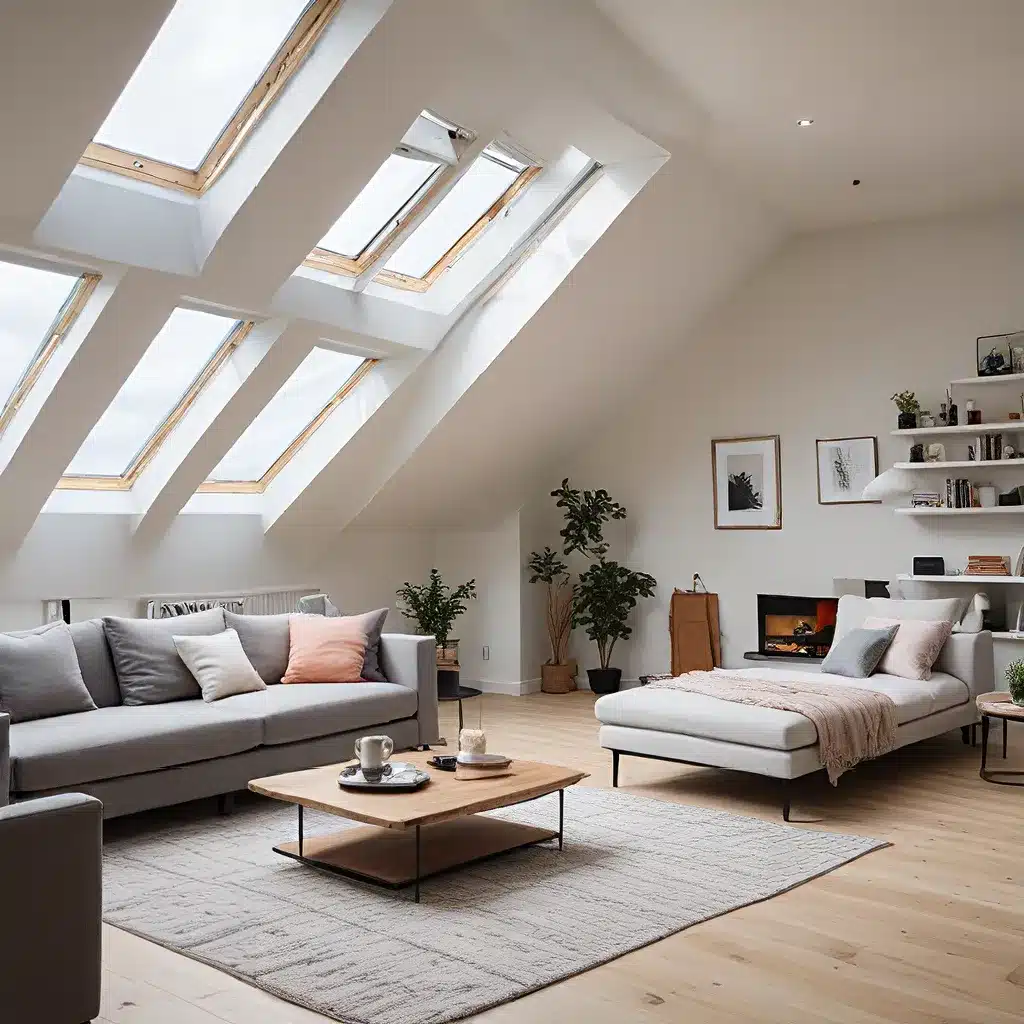
As a lifelong home improvement enthusiast, I’ve always been fascinated by the ever-evolving world of residential architecture and design. And when it comes to the topic of loft conversions, I can honestly say that the innovations happening in this space are nothing short of revolutionary.
Gone are the days when a loft conversion was simply about adding some extra square footage to your home. Today, we’re witnessing a true transformation in the way we approach this unique type of home renovation. It’s not just about maximizing space anymore – it’s about creating truly remarkable, tailored living environments that seamlessly blend form and function.
Embracing the Adaptive Reuse Mindset
At the heart of this loft conversion revolution is the concept of adaptive reuse – the idea of repurposing existing structures to meet the evolving needs of modern homeowners. As I delved deeper into this topic, I was struck by the sheer ingenuity and creativity that architects and designers are bringing to the table.
Take, for example, the work of S3DA Design, a firm that specializes in providing professional structural and MEP design services for residential, commercial, and industrial projects. Their approach to loft conversions is all about maximizing the potential of underutilized spaces, transforming once-forgotten attics into vibrant, functional living areas.
One of the key ways they’re doing this is by seamlessly integrating sustainable design principles into their loft conversion projects. By prioritizing energy efficiency, natural lighting, and the use of eco-friendly materials, they’re creating homes that not only look stunning but also tread lightly on the environment.
Redefining the Possibilities of Loft Living
As I delved deeper into the world of loft conversions, I was amazed by the sheer breadth of possibilities that this type of home renovation presents. It’s no longer just about adding an extra bedroom or a home office – loft conversions are being used to create everything from luxurious master suites and state-of-the-art home theaters to innovative community spaces and urban rooftop gardens.
Take, for instance, the work of Metropolis Magazine, which has been showcasing some truly remarkable adaptive reuse projects from around the world. One standout example is the transformation of a former Sears warehouse in Memphis into a vibrant, mixed-use complex that now serves as a hub for the local community.
But it’s not just large-scale commercial projects that are benefiting from the adaptive reuse mindset. Homeowners are also getting in on the action, working with innovative designers to breathe new life into their underutilized attic spaces. From cozy, light-filled retreats to multifunctional entertainment hubs, the possibilities are truly endless.
Harnessing Technology for Smarter Loft Conversions
As with any industry, the world of loft conversions has also been significantly impacted by the rapid advancements in technology. And companies like Type Five are leading the charge when it comes to leveraging cutting-edge tools and techniques to streamline the design and construction process.
By using software-driven, modular design approaches, these innovative companies are able to create customizable, high-performance homes that can be constructed more efficiently and cost-effectively than traditional methods. This is particularly relevant for loft conversions, where the unique challenges of working with an existing structure can often lead to complex, time-consuming, and expensive projects.
As the CEO of Type Five noted, “We’re facing a housing crisis – too expensive for families to live.” By harnessing the power of technology, these companies are working to make high-quality, cost-effective** home renovations, like loft conversions, more accessible to a wider range of homeowners.
A Sustainable Future for Loft Conversions
As I’ve explored the world of loft conversions, one thing has become abundantly clear: the future of this industry is inextricably linked to the broader sustainability and circular economy movement.
Adaptive reuse – the foundation of so many innovative loft conversion projects – is a prime example of how we can reduce waste, conserve resources, and create new opportunities for economic and social development. By repurposing existing structures, we’re not only preserving the embodied energy and materials within them but also fostering community revitalization and stimulating local economies.
And the benefits of this approach don’t stop there. As we’ve seen with the work of firms like S3DA Design, integrating sustainable design principles into loft conversions can also lead to significant improvements in energy efficiency and reduced environmental impact. From the use of renewable materials to the incorporation of passive heating and cooling strategies, these projects are setting a new standard for what it means to live in a truly eco-friendly home.
Unlocking the Potential of Your Loft
As I reflect on the incredible innovations happening in the world of loft conversions, I can’t help but feel a sense of excitement and optimism for the future of home design. Whether you’re a homeowner looking to maximize the potential of your attic space or a design professional seeking to push the boundaries of what’s possible, the opportunities are endless.
And with the growing emphasis on sustainability, adaptive reuse, and the integration of cutting-edge technologies, I believe that the loft conversion industry is poised to play a pivotal role in shaping the way we live, work, and play in the years to come. So why not explore the possibilities and see how a loft conversion could transform your home into a truly remarkable living space?


