
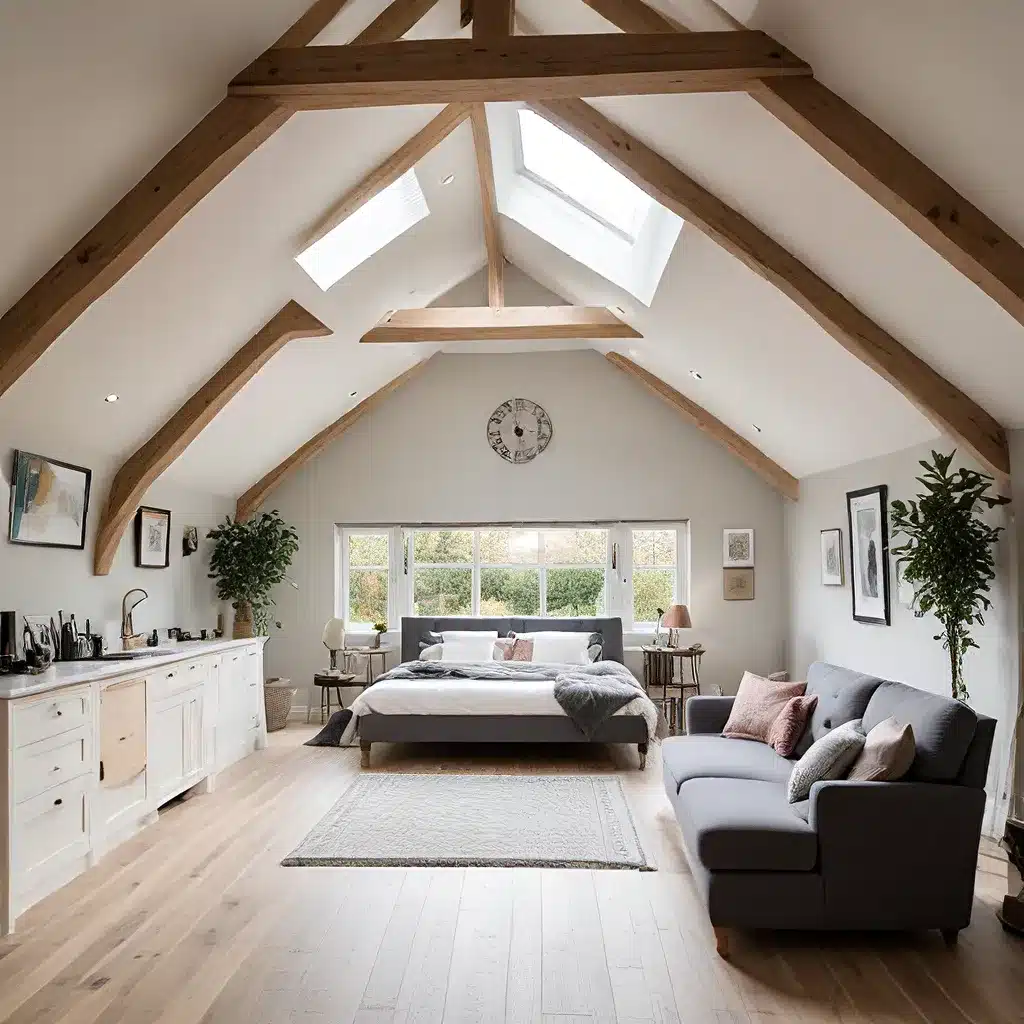
Understanding Loft Conversions in the UK
Loft conversions have become increasingly popular in the United Kingdom as homeowners seek to maximise their living space without the need for relocation. These transformations involve turning an unused attic or loft area into a functional room, which can serve various purposes such as an extra bedroom, home office, or recreational space. The process of converting a loft is not only a means to enhance the value of a property but also a way to create a personalised sanctuary within one’s home.
In the UK, loft conversions are subject to specific regulations and planning permissions. The complexity of these rules can vary depending on the type of conversion and the local authority’s guidelines. Generally, many loft conversions fall under permitted development rights, which means they may not require full planning permission. However, it’s crucial to verify this with the local planning authority before commencing any work.
The structural integrity of the existing building is a primary concern when undertaking a loft conversion. A thorough assessment by a structural engineer is necessary to determine if the current roof structure can support the additional weight and if any reinforcement is required. This evaluation also helps in identifying the most suitable type of conversion for the property, which could range from a simple Velux conversion to a more complex mansard conversion.
Types of Loft Conversions
Roof Light Conversion
A roof light conversion, also known as a Velux conversion, is often the most straightforward and cost-effective option. This type of conversion involves adding skylights to the existing roof slope without altering the roof structure. It’s ideal for lofts with ample headroom and requires minimal structural changes.
The main advantages of a roof light conversion include:
– Lower cost compared to other conversion types
– Faster completion time
– Less disruption to the existing structure
– Typically falls within permitted development rights
However, this type of conversion may not be suitable for all properties, particularly those with limited headroom or where additional floor space is desired.
Dormer Conversion
Dormer conversions are among the most popular choices in the UK. They involve extending the existing roof structure to create additional floor space and headroom. A dormer is essentially a structural extension that projects vertically from the slope of the roof, creating a box-like appearance.
Dormer conversions offer several benefits:
– Significant increase in usable floor space
– Improved headroom throughout the loft area
– Potential for full-height windows, enhancing natural light
– Versatility in room layout and design
While dormer conversions typically provide more space than roof light conversions, they may require planning permission, especially if they alter the roof profile significantly or face a highway.
Hip-to-Gable Conversion
Hip-to-gable conversions are suitable for properties with a hipped roof, where the roof slopes down on all sides. This type of conversion extends the roof on the sloping side to create a vertical wall (the gable) up to the ridge height.
Key features of hip-to-gable conversions include:
– Substantial increase in internal space
– Opportunity to combine with a rear dormer for maximum space
– Preservation of the property’s character from the front
– Often permissible under permitted development rights
This conversion type is particularly effective for semi-detached or detached properties with hipped roofs, as it can dramatically increase the available loft space.
Regulatory Compliance and Planning Permission
Building Regulations
All loft conversions in the UK must comply with the current Building Regulations, regardless of whether planning permission is required. These regulations cover various aspects of the build, including:
- Structural stability
- Fire safety
- Insulation and energy efficiency
- Ventilation
- Staircase design and access
- Sound insulation between the conversion and existing rooms
To ensure compliance, it’s advisable to engage a building control officer or approved inspector from the outset. They can provide guidance throughout the project and will issue a completion certificate once all requirements are met.
Planning Permission
While many loft conversions fall under permitted development rights, there are circumstances where planning permission is necessary. These include:
- Properties in conservation areas or Areas of Outstanding Natural Beauty
- Conversions that extend beyond specified limits (e.g., more than 50 cubic metres for a detached house)
- Changes that alter the roof height or shape significantly
- The addition of balconies or verandas
It’s crucial to check with the local planning authority before commencing work, as unauthorised development can result in enforcement action and costly rectifications.
Party Wall Agreements
For semi-detached or terraced houses, a Party Wall Agreement may be required if the conversion affects a shared wall. This legal document outlines the work to be carried out and protects both parties’ interests. The process involves:
- Serving a Party Wall Notice to affected neighbours
- Obtaining written consent or appointing a surveyor if agreement cannot be reached
- Creating a Party Wall Award document detailing the work and any protective measures
Failure to obtain a Party Wall Agreement when required can lead to legal disputes and project delays.
Cost Considerations and Budgeting
The cost of a loft conversion in the UK can vary significantly based on factors such as the type of conversion, property location, and level of finish. As of September 2024, rough estimates for different conversion types are:
| Conversion Type | Estimated Cost Range (GBP) |
|---|---|
| Roof Light | £15,000 – £25,000 |
| Dormer | £30,000 – £60,000 |
| Hip-to-Gable | £40,000 – £65,000 |
| Mansard | £45,000 – £75,000 |
These figures are indicative and can fluctuate based on various factors. It’s essential to obtain detailed quotes from multiple contractors and factor in additional costs such as:
- Architectural and structural engineering fees
- Building control and planning fees
- Party Wall surveyor costs (if applicable)
- Contingency fund (typically 10-20% of the total budget)
When budgeting for a loft conversion, consider the following tips:
- Prioritise structural work and essential elements over cosmetic finishes
- Obtain at least three detailed quotes from reputable contractors
- Consider the impact on your home insurance and factor in any premium increases
- Investigate financing options, such as remortgaging or home improvement loans
- Plan for potential cost overruns by maintaining a contingency fund
By carefully planning and budgeting for your loft conversion, you can ensure that the project remains financially viable while achieving your desired outcome.
Design Considerations for Optimal Space Utilisation
Creating a functional and aesthetically pleasing loft conversion requires careful consideration of design elements. The unique challenges presented by loft spaces, such as sloping ceilings and irregular shapes, necessitate innovative approaches to maximise usability.
Layout Planning
Effective layout planning is crucial for making the most of the available space. Consider the following points:
- Identify the primary function of the room (e.g., bedroom, office, living area)
- Utilise the full-height sections for key features like doorways and windows
- Plan built-in storage solutions to maximise space under eaves
- Consider the placement of utilities and services (plumbing, electrics) early in the design process
A well-thought-out layout can significantly enhance the functionality and comfort of the converted space.
Natural Light and Ventilation
Adequate natural light and ventilation are essential for creating a pleasant and healthy living environment. Strategies to optimise these elements include:
- Strategically placing roof windows or dormers to maximise daylight penetration
- Using light tubes or sun tunnels to bring natural light into darker areas
- Incorporating openable windows for cross-ventilation
- Installing mechanical ventilation systems to ensure proper air circulation
Proper lighting and ventilation not only improve the aesthetics of the space but also contribute to energy efficiency and overall well-being.
Insulation and Energy Efficiency
Loft conversions present an opportunity to enhance the energy efficiency of your home. Key considerations include:
- Installing high-quality insulation in walls, floors, and roofs
- Using double or triple-glazed windows to reduce heat loss
- Incorporating draught-proofing measures around windows and doors
- Considering renewable energy options such as solar panels or heat pumps
Effective insulation and energy-efficient design can lead to significant savings on heating costs and improve the overall comfort of the space.
Structural Considerations and Engineering
The structural integrity of a loft conversion is paramount to ensure safety and compliance with building regulations. Key structural considerations include:
Load-Bearing Capacity
- Assessing the existing roof structure and determining if reinforcement is needed
- Calculating the additional load imposed by the conversion and any new fixtures
- Designing appropriate support structures, such as steel beams or timber joists
Roof Alterations
- Evaluating the feasibility of raising the roof height if required
- Designing structural modifications for dormer windows or gable end extensions
- Ensuring proper weatherproofing and insulation of new roof sections
Floor Reinforcement
- Assessing the load-bearing capacity of the existing ceiling joists
- Designing and installing additional floor joists if necessary
- Ensuring proper sound insulation between the new floor and existing rooms below
Staircase Integration
- Designing a compliant staircase that meets building regulations
- Calculating the impact of the staircase on the existing floor structure
- Ensuring adequate headroom throughout the staircase and landing areas
Engaging a qualified structural engineer is crucial for addressing these aspects and ensuring that the conversion meets all safety and regulatory requirements.
Project Management and Construction Process
Effective project management is key to ensuring a smooth and successful loft conversion. The construction process typically follows these stages:
-
Initial Assessment and Design: Evaluate the feasibility of the conversion and create detailed plans.
-
Obtaining Necessary Approvals: Secure planning permission (if required) and building regulations approval.
-
Contractor Selection: Choose reputable contractors through a thorough vetting process.
-
Site Preparation: Protect existing living spaces and set up access for materials and workers.
-
Structural Work: Carry out necessary structural modifications and reinforcements.
-
Roof Alterations: Install dormers, windows, or other roof modifications as per the design.
-
Internal Construction: Create walls, floors, and install insulation and utilities.
-
Finishing Work: Complete plastering, decorating, and installing fixtures and fittings.
-
Final Inspections: Arrange for building control inspections and obtain completion certificates.
Throughout the process, regular communication with contractors and careful monitoring of progress against the project timeline and budget is essential.
Sustainability and Eco-Friendly Options
Incorporating sustainable and eco-friendly elements into your loft conversion can reduce environmental impact and potentially lower long-term costs. Consider the following options:
Sustainable Materials
- Use recycled or responsibly sourced timber for framing and flooring
- Opt for low-VOC paints and finishes to improve indoor air quality
- Choose eco-friendly insulation materials such as sheep’s wool or recycled plastic
Energy-Efficient Systems
- Install a smart heating system with zoned controls for efficient temperature management
- Use LED lighting fixtures to reduce electricity consumption
- Consider incorporating a heat recovery ventilation system for improved air quality and energy efficiency
Renewable Energy Integration
- Assess the feasibility of installing solar panels on the new roof space
- Explore options for integrating air source or ground source heat pumps
- Consider battery storage systems to maximise the use of generated renewable energy
By incorporating these sustainable elements, you can create a loft conversion that is not only comfortable and functional but also environmentally responsible.
Navigating Building Regulations and Compliance
Ensuring compliance with UK building regulations is a critical aspect of any loft conversion project. These regulations are designed to guarantee the safety, health, and welfare of occupants and cover various aspects of the construction process.
Fire Safety Measures
Fire safety is a paramount concern in loft conversions. Key requirements include:
- Installing fire-resistant doors for all habitable rooms in the loft space
- Ensuring proper compartmentalisation to prevent fire spread
- Providing a protected escape route, typically via a fire-resistant staircase
- Installing smoke alarms on each floor, including the loft conversion
Structural Stability
Building regulations stipulate that the conversion must not compromise the structural integrity of the building. This involves:
- Calculating and implementing appropriate floor loading capacities
- Ensuring adequate support for new floor joists and roof structures
- Verifying that any alterations to the existing structure are properly designed and executed
Thermal Insulation
Energy efficiency is a key focus of modern building regulations. Loft conversions must meet specific U-value requirements for walls, floors, and roofs. This typically involves:
- Installing high-performance insulation materials in roof spaces and walls
- Ensuring proper ventilation to prevent condensation issues
- Meeting minimum standards for window and door energy efficiency
Sound Insulation
To maintain comfort and privacy, sound insulation between the new loft space and existing rooms is essential. Regulations require:
- Adequate sound insulation in floors and walls separating the loft from other parts of the house
- Consideration of impact sound transmission through floors
Staircase Design
The staircase providing access to the loft conversion must comply with specific regulations, including:
- Minimum width requirements (typically 800mm for domestic staircases)
- Maximum rise and minimum going (tread depth) for each step
- Adequate headroom throughout the staircase (minimum 2m)
- Proper handrail installation
Ventilation
Proper ventilation is crucial for maintaining air quality and preventing moisture-related issues. Requirements include:
- Provision of background ventilation (e.g., trickle vents in windows)
- Installation of extraction fans in bathrooms or kitchens within the loft space
- Ensuring adequate cross-ventilation in habitable rooms
Electrical Safety
All electrical work must comply with Part P of the Building Regulations, which typically involves:
- Installation of new electrical circuits by a qualified electrician
- Proper placement and number of electrical outlets
- Installation of appropriate lighting fixtures and controls
Water and Drainage
If the loft conversion includes bathroom facilities, additional regulations apply:
- Proper connection to existing water supply and drainage systems
- Installation of suitable soil and vent pipes
- Compliance with water efficiency standards for fixtures and fittings
Accessibility
While not always mandatory for loft conversions, considerations for accessibility can be beneficial:
- Designing stairs with potential future stairlift installation in mind
- Incorporating wider doorways for improved accessibility
- Planning for level thresholds where possible
Navigating these regulations can be complex, and it’s advisable to work with a building control officer or approved inspector throughout the project. They can provide guidance, conduct necessary inspections, and ultimately issue a completion certificate once all requirements are met.
It’s important to note that failure to comply with building regulations can result in enforcement action, potentially requiring costly remedial work or even the removal of the conversion. Therefore, prioritising compliance from the outset is not only a legal requirement but also a wise investment in the safety and longevity of your loft conversion.
Interior Design and Finishing Touches
Once the structural work is complete, the focus shifts to interior design and finishing touches that will transform the loft space into a comfortable and stylish living area. This phase allows for personalisation and can significantly impact the overall feel and functionality of the room.
Flooring Options
Selecting appropriate flooring is crucial for both aesthetic and practical reasons. Consider the following options:
- Engineered wood: Offers the look of solid wood with better stability in loft environments
- Laminate: Durable and cost-effective, available in various wood-effect finishes
- Carpet: Provides warmth and comfort, ideal for bedrooms or living spaces
- Vinyl: Water-resistant and easy to clean, suitable for bathroom areas
When choosing flooring, consider factors such as weight, ease of installation, and compatibility with underfloor heating systems if installed.
Lighting Design
Effective lighting can enhance the perception of space and create ambiance. A layered lighting approach is often most effective:
- Task lighting: Under-cabinet lights in kitchenettes or desk lamps in office spaces
- Ambient lighting: Recessed LED downlights or track lighting systems
- Accent lighting: Wall sconces or picture lights to highlight architectural features
Incorporating dimmer switches and smart lighting systems can provide flexibility in creating different moods and atmospheres.
Storage Solutions
Maximising storage is often a priority in loft conversions. Bespoke storage solutions can make the most of awkward spaces:
- Built-in wardrobes fitted to sloping ceilings
- Under-eaves drawers or cupboards
- Window seats with integrated storage
- Custom shelving units in alcoves or recesses
Well-designed storage not only increases functionality but can also become a design feature in itself.
Colour Schemes and Decorating
The choice of colour scheme can significantly impact the perception of space and light in a loft conversion:
- Light, neutral colours can help make the space feel larger and brighter
- Darker colours on feature walls can add depth and character
- Consider the use of colour to zone different areas in open-plan conversions
When decorating, use materials suitable for loft environments, such as moisture-resistant paints in areas prone to condensation.
Window Treatments
Appropriate window treatments are essential for privacy, light control, and thermal efficiency:
- Roof window blinds designed specifically for skylight windows
- Blackout curtains or blinds for bedrooms to ensure a good night’s sleep
- Sheer curtains or voiles to soften light without blocking it completely
Consider motorised options for hard-to-reach windows to improve ease of use.
Furniture Selection
Choosing furniture that complements the unique characteristics of a loft space is crucial:
- Low-profile furniture to maximise headroom in areas with sloping ceilings
- Multifunctional pieces, such as sofa beds or extendable tables, for versatility
- Custom-made furniture to fit perfectly into alcoves or under eaves
Consider the access route to the loft when selecting furniture, as large pieces may need to be assembled in situ.
Finishing Touches
The final details can bring the whole design together:
- Exposed beams or trusses can be highlighted as architectural features
- Artwork and mirrors can add personality and create the illusion of more space
- Soft furnishings like rugs, cushions, and throws can add comfort and texture
Remember to consider the overall style of your home when making design choices to ensure the loft conversion feels like a natural extension of your living space.
By carefully considering these interior design elements, you can create a loft conversion that is not only functional but also a beautiful and cohesive part of your home. The key is to balance practicality with personal style, making the most of the unique characteristics of your loft space while ensuring it meets your specific needs and preferences.
Maintenance and Long-Term Considerations
Proper maintenance of your loft conversion is essential to ensure its longevity and continued compliance with building regulations. Regular upkeep can prevent minor issues from escalating into major problems and help maintain the value of your investment.
Regular Inspections
Conducting periodic inspections of your loft conversion can help identify potential issues early:
- Check for signs of water ingress, particularly around windows and roof joints
- Inspect the roof covering for damaged or displaced tiles or slates
- Look for any cracks in walls or ceilings that may indicate structural movement
- Assess the condition of external paintwork or cladding
It’s advisable to carry out these inspections at least annually, and after any extreme weather events.
Ventilation and Moisture Control
Maintaining proper ventilation is crucial to prevent condensation and mould growth:
- Ensure that any installed ventilation systems are functioning correctly
- Regularly clean and maintain extractor fans in bathrooms or kitchens
- Use dehumidifiers if necessary, especially in areas prone to moisture build-up
- Keep roof vents and air bricks clear of obstruction
Insulation Maintenance
Well-maintained insulation is key to energy efficiency:
- Check for any gaps or compression in loft insulation
- Ensure that insulation hasn’t been disturbed by pest activity
- Consider upgrading insulation if more efficient materials become available
Structural Integrity
While major structural issues are rare in well-constructed loft conversions, it’s important to be vigilant:
- Watch for any signs of sagging in floors or ceilings
- Monitor for cracks in walls, particularly around door and window frames
- Check that staircases remain secure and stable
If any structural concerns arise, consult a structural engineer promptly.
Electrical and Plumbing Systems
Regular checks of electrical and plumbing installations can prevent hazards and costly repairs:
- Have electrical systems inspected by a qualified electrician every 5-10 years
- Test smoke alarms and carbon monoxide detectors monthly
- Check for any signs of water leaks, especially in bathroom areas
- Ensure proper functioning of heating and cooling systems
Exterior Maintenance
The exterior elements of your loft conversion require attention to prevent weather-related damage:
- Clean gutters and downpipes regularly to prevent water overflow
- Inspect and maintain the roof covering, replacing any damaged tiles or slates
- Check the condition of any dormer windows or cladding
- Maintain exterior paintwork to protect against weathering
Future-Proofing
Consider potential future needs when maintaining your loft conversion:
- Plan for technological upgrades, such as improved WiFi coverage or smart home systems
- Consider the potential for changing mobility needs, such as reinforcing walls for future grab rail installation
- Keep abreast of developments in energy-efficient technologies that could be incorporated
Documentation
Maintain a file of all relevant documentation related to your loft conversion:
- Keep copies of planning permissions and building regulation approvals
- Retain warranties for any installed products or systems
- Document any maintenance work or upgrades carried out
This documentation can be valuable for future reference or if you decide to sell your property.
Insurance Considerations
Ensure that your home insurance policy adequately covers your loft conversion:
- Inform your insurer about the conversion if you haven’t already done so
- Review your coverage periodically to ensure it remains appropriate
- Consider additional coverage for high-value items stored in the loft space
By implementing a comprehensive maintenance strategy, you can ensure that your loft conversion remains a safe, comfortable, and valuable addition to your home for years to come. Regular care and attention will not only preserve the quality of the space but also protect your investment and potentially save on costly repairs in the future.
Conclusion
Loft conversions represent a significant opportunity for homeowners in the UK to expand their living space and increase property value. By carefully considering all aspects of the project, from initial planning and design through to long-term maintenance, you can create a bespoke sanctuary that enhances your home and lifestyle.
Remember that while the process can be complex, the rewards of a well-executed loft conversion are substantial. By working with qualified professionals, adhering to building regulations, and making informed decisions about design and materials, you can transform your unused attic space into a functional and beautiful part of your home.
For more information on home extensions and conversions, visit ABC Home Extensions and Conversions. Their expertise can guide you through the process of creating your ideal loft space, ensuring that your project is completed to the highest standards of quality and compliance.


