
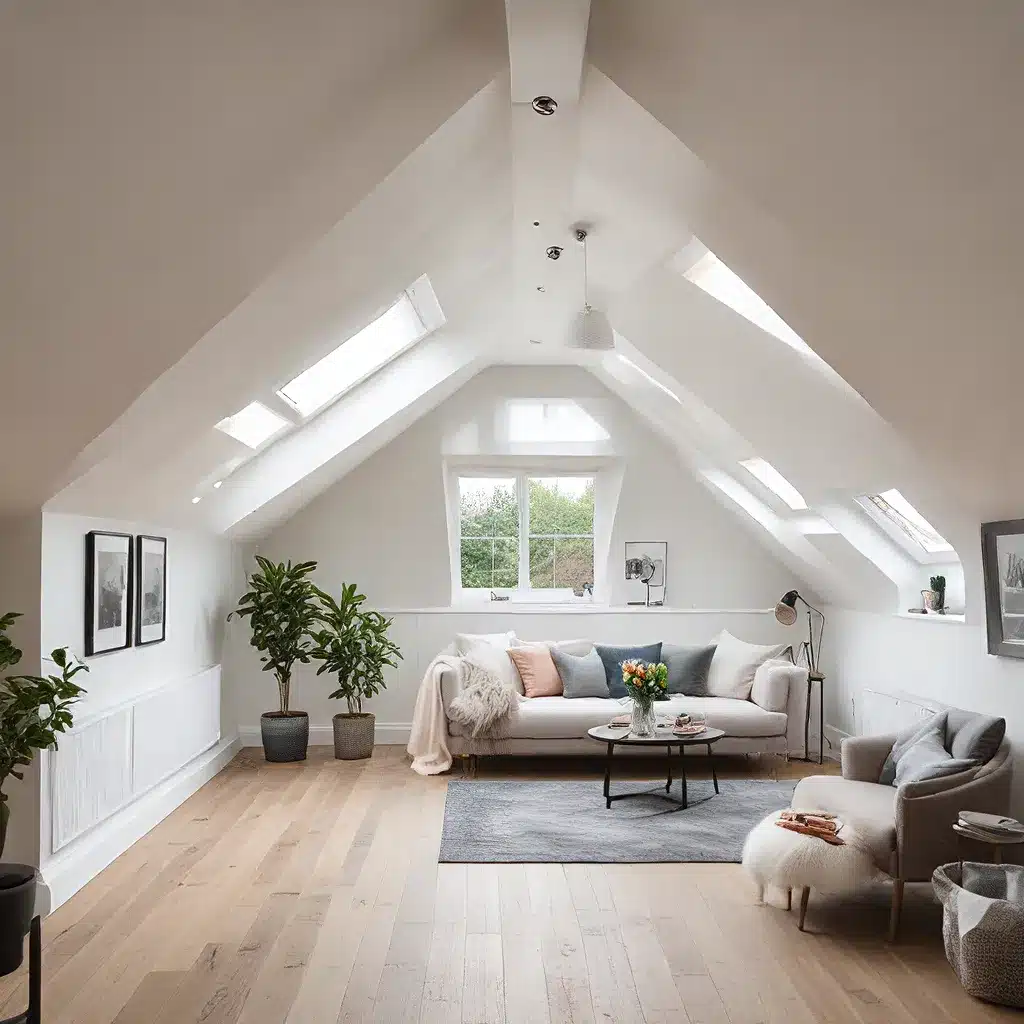
Understanding the Potential of Loft Conversions
Loft conversions have become increasingly popular in the UK as homeowners seek to maximise their living space without the need for costly extensions or relocations. These transformations offer a unique opportunity to create additional functional areas within existing property footprints, often resulting in increased property value and improved living conditions.
The concept of a loft conversion involves repurposing the attic or roof space of a home into a habitable area. This can range from creating a simple storage solution to developing a fully-fledged living space complete with bedrooms, bathrooms, and even home offices. The appeal lies not only in the added square footage but also in the character and charm that these conversions can bring to a property.
In the UK, loft conversions are subject to specific building regulations and, in some cases, may require planning permission. It’s essential for homeowners and contractors to be well-versed in these requirements to ensure compliance and avoid potential legal issues. The regulations cover aspects such as structural integrity, fire safety, insulation, and access, all of which play crucial roles in creating a safe and comfortable living environment.
Assessing Feasibility and Planning
Before embarking on a loft conversion project, it’s crucial to assess the feasibility of the space. This involves examining several key factors that will determine whether a conversion is possible and, if so, what type of conversion would be most suitable.
The first consideration is the available head height. In the UK, building regulations typically require a minimum head height of 2.2 metres for at least 50% of the floor area. Measuring from the top of the ceiling joists to the underside of the ridge beam will give you an indication of whether your loft meets this requirement. If the height is insufficient, options such as raising the roof or lowering the ceiling of the room below may be considered, though these can significantly increase the project’s complexity and cost.
Another important factor is the roof structure. Traditional rafter and purlin roofs are generally more straightforward to convert, while trussed roofs may require more extensive structural alterations. A structural engineer should be consulted to assess the roof’s suitability and determine what modifications may be necessary.
The presence of obstacles such as water tanks, chimneys, or existing dormers should also be taken into account during the planning phase. These elements may need to be relocated or incorporated into the new design, which can impact both the layout and the budget of the project.
Types of Loft Conversions
There are several types of loft conversions commonly undertaken in the UK, each suited to different property types and homeowner requirements:
-
Roof Light Conversion: This is the simplest and often most cost-effective option. It involves adding skylights to the existing roof slope and reinforcing the floor, without altering the roof structure. This type of conversion is ideal for properties with ample headroom and is typically the least disruptive option.
-
Dormer Conversion: Dormers are extensions that project vertically from the slope of the existing roof, creating additional headroom and floor space. They can be designed in various styles, including flat-roof, gabled, or hipped dormers, to complement the property’s architecture.
-
Hip-to-Gable Conversion: This involves extending the sloping side of a hipped roof to create a vertical gable end. This type of conversion is particularly suitable for semi-detached or detached properties and can significantly increase the usable floor space.
-
Mansard Conversion: A mansard conversion alters the entire roof structure, creating a flat roof with a steep sloping back wall. This type of conversion typically provides the most additional space but is also the most complex and costly option.
The choice of conversion type will depend on factors such as the property’s existing structure, local planning regulations, and the homeowner’s budget and requirements. It’s advisable to consult with an experienced architect or loft conversion specialist to determine the most suitable option for your property.
Navigating UK Building Regulations and Planning Permission
When undertaking a loft conversion in the UK, it’s essential to navigate the complex landscape of building regulations and planning permission. These legal requirements are in place to ensure the safety, energy efficiency, and aesthetic consistency of buildings across the country.
Building Regulations
All loft conversions must comply with UK Building Regulations, regardless of whether planning permission is required. These regulations cover various aspects of the construction process, including:
-
Structural Stability: The existing structure must be capable of supporting the additional load of the conversion. This often involves adding new joists or steelwork.
-
Fire Safety: Proper fire resistance measures must be implemented, including fire doors, smoke alarms, and escape routes.
-
Insulation and Energy Efficiency: The conversion must meet current energy efficiency standards, which typically involve installing adequate insulation in walls, floors, and roofs.
-
Ventilation: Proper ventilation must be provided to prevent condensation and maintain air quality.
-
Stairs: New stairs to the loft must comply with regulations regarding width, pitch, and headroom.
-
Sound Insulation: Measures must be taken to reduce sound transmission between the new living space and existing rooms.
To ensure compliance, it’s advisable to work with a building control body, either through your local authority or an approved inspector, who will inspect the work at various stages and issue a completion certificate upon satisfactory completion.
Planning Permission
In many cases, loft conversions can be carried out under Permitted Development Rights, which allow certain types of work to be done without the need for planning permission. However, there are limitations and conditions attached to these rights:
- The additional roof space created must not exceed 40 cubic metres for terraced houses or 50 cubic metres for detached and semi-detached houses.
- No part of the extension should be higher than the highest part of the existing roof.
- Materials used should be similar in appearance to those of the existing house.
- Side-facing windows should be obscure-glazed and non-opening unless the opening parts are more than 1.7 metres above the floor level.
- Roof extensions, apart from hip to gable ones, must be set back at least 20cm from the original eaves.
- The roof enlargement should not overhang the outer face of the original wall of the house.
It’s important to note that these rights may be restricted in conservation areas, Areas of Outstanding Natural Beauty, or for listed buildings. In such cases, or if your proposed conversion falls outside the scope of Permitted Development, you will need to apply for planning permission from your local authority.
Given the complexity of these regulations, it’s highly recommended to seek professional advice from an architect or planning consultant before commencing any work. They can help you navigate the regulatory landscape and ensure your project complies with all necessary requirements.
Designing for Functionality and Aesthetic Appeal
Creating a loft conversion that balances functionality with aesthetic appeal requires careful planning and thoughtful design. The unique characteristics of loft spaces, such as sloping ceilings and potentially awkward layouts, present both challenges and opportunities for creative solutions.
Maximising Space Utilisation
One of the primary considerations in loft conversion design is making the most of the available space. This often involves:
-
Built-in Storage: Utilising the eaves and other awkward spaces for built-in wardrobes, shelving, and storage units.
-
Multi-functional Furniture: Incorporating pieces that serve multiple purposes, such as beds with integrated storage or desks that can be folded away when not in use.
-
Open Plan Layouts: Where possible, opting for open plan designs to create a sense of spaciousness and allow for flexible use of the area.
-
Clever Use of Lighting: Employing a combination of natural and artificial lighting to enhance the perception of space and create a bright, welcoming environment.
Enhancing Natural Light
Maximising natural light is crucial in loft conversions to create a comfortable and inviting space. This can be achieved through:
-
Roof Windows: Installing roof windows or skylights to flood the space with natural light.
-
Dormer Windows: Adding dormer windows not only increases headroom but also provides additional light and ventilation.
-
Light Tubes: For areas where traditional windows are not feasible, light tubes can be used to channel natural light from the roof into the space below.
-
Reflective Surfaces: Using light colours and reflective surfaces to bounce light around the room and enhance brightness.
Incorporating Sustainable Design Elements
Sustainability is an increasingly important consideration in UK construction. Loft conversions offer an excellent opportunity to incorporate eco-friendly features:
-
High-Performance Insulation: Using materials like sheep’s wool or recycled plastic insulation to improve energy efficiency.
-
Solar Panels: If the roof orientation allows, integrating solar panels can provide renewable energy for the home.
-
Energy-Efficient Windows: Installing double or triple-glazed windows with low-emissivity coatings to reduce heat loss.
-
Sustainable Materials: Choosing eco-friendly materials such as bamboo flooring or reclaimed wood for finishes.
Adapting to Specific Uses
The design of a loft conversion should be tailored to its intended use. Common adaptations include:
-
Bedroom Conversions: Incorporating ample storage, considering the placement of the bed to maximise headroom, and potentially including an en-suite bathroom.
-
Home Office Spaces: Ensuring adequate power outlets, data points, and considering the positioning of desks to make the most of natural light.
-
Bathroom Additions: Carefully planning the layout to accommodate plumbing requirements and maximise the use of space under sloping roofs.
-
Multi-purpose Rooms: Designing flexible spaces that can adapt to changing needs over time, such as a guest room that doubles as a home gym.
By focusing on these design elements, it’s possible to create a loft conversion that not only adds valuable living space but also enhances the overall appeal and functionality of the home.
Structural Considerations and Engineering Challenges
Loft conversions present unique structural challenges that must be carefully addressed to ensure the safety and stability of the building. Understanding and overcoming these challenges is crucial for a successful project.
Load-Bearing Capacity
One of the primary considerations in any loft conversion is the load-bearing capacity of the existing structure. The additional weight of the conversion, including new flooring, walls, and potentially heavier roof materials, must be supported adequately. This often involves:
-
Strengthening Existing Joists: The floor joists of the loft may need to be reinforced or replaced to support the increased load. This is typically done by installing new joists alongside the existing ones or by using larger, stronger joists.
-
Adding Support Beams: Steel beams are often introduced to transfer the load to the existing walls. The size and positioning of these beams are critical and should be determined by a structural engineer.
-
Reinforcing Walls: In some cases, the walls below the loft may need to be strengthened to support the additional weight. This might involve underpinning or the addition of new structural elements.
Roof Alterations
Depending on the type of conversion, significant alterations to the roof structure may be necessary:
-
Dormer Construction: Building a dormer involves creating an opening in the existing roof and constructing a new box-like structure. This requires careful consideration of waterproofing and integration with the existing roof.
-
Hip-to-Gable Conversions: These involve extending the ridge and creating a new gable end wall. This alteration significantly changes the roof structure and requires expert design and construction.
-
Roof Raising: In cases where the existing headroom is insufficient, it may be necessary to raise the entire roof structure. This is a complex operation that requires careful planning and execution.
Staircase Integration
Incorporating a new staircase to access the loft space is a crucial aspect of the conversion:
-
Space Requirements: UK building regulations stipulate specific requirements for staircase design, including minimum width, maximum rise, and minimum headroom. These requirements can significantly impact the layout of both the loft and the floor below.
-
Structural Impact: The installation of a staircase often requires creating an opening in the ceiling of the floor below. This can affect the structural integrity of the building and may necessitate additional support measures.
-
Design Considerations: The staircase design should balance regulatory compliance with aesthetic appeal and space efficiency. Options such as spiral staircases or space-saving alternating tread designs may be considered where space is at a premium.
Fire Safety Measures
Ensuring adequate fire safety is a critical aspect of loft conversions:
-
Fire-Resistant Materials: The use of fire-resistant materials in the construction of walls, floors, and doors is essential to contain potential fires and prevent their spread.
-
Escape Routes: Planning safe escape routes from the loft space is crucial. This may involve installing fire-resistant doors and ensuring that windows meet escape window regulations.
-
Fire Detection Systems: Installing smoke alarms and potentially a full fire detection system is often required to comply with building regulations.
Insulation and Ventilation
Proper insulation and ventilation are essential for both comfort and compliance with energy efficiency regulations:
-
Roof Insulation: Adequate insulation must be installed in the roof space to meet current energy efficiency standards. This often involves using high-performance materials to maximise insulation while minimising thickness.
-
Ventilation Strategies: Proper ventilation is crucial to prevent condensation and maintain air quality. This may involve installing mechanical ventilation systems or carefully designed passive ventilation solutions.
-
Thermal Bridging: Addressing thermal bridging, particularly around windows and where new structures join existing ones, is important to maintain energy efficiency and prevent cold spots.
By carefully considering these structural and engineering challenges, and working with qualified professionals, it’s possible to create a safe, stable, and compliant loft conversion that enhances the value and livability of the home.
Cost Analysis and Budgeting
Understanding the financial implications of a loft conversion is crucial for homeowners considering this type of home improvement. Costs can vary significantly depending on the scale and complexity of the project, as well as the location of the property. Here’s a breakdown of the key cost factors and budgeting considerations for loft conversions in the UK:
Average Costs
The cost of a loft conversion can range from £20,000 to £65,000 or more, depending on various factors. Here’s a general guide to costs based on conversion type:
| Conversion Type | Estimated Cost Range (GBP) |
|---|---|
| Roof Light | £20,000 – £35,000 |
| Dormer | £30,000 – £50,000 |
| Hip-to-Gable | £40,000 – £60,000 |
| Mansard | £45,000 – £65,000+ |
These figures are indicative and can vary based on location, with costs typically higher in London and the South East.
Cost Breakdown
To better understand where the money goes in a loft conversion project, here’s an approximate breakdown of costs:
- Labour: Typically accounts for 40-50% of the total cost.
- Materials: Usually 30-40% of the budget.
- Design and Planning: Around 10-15% of the total cost.
- Fixtures and Fittings: Approximately 10-15% of the budget.
Additional Cost Considerations
Several factors can impact the overall cost of a loft conversion:
-
Structural Changes: If significant alterations to the roof structure are required, this can add substantial costs.
-
Plumbing and Electrics: Installing new plumbing for a bathroom or extensive electrical work will increase expenses.
-
Windows and Skylights: The number and type of windows can significantly affect the budget.
-
Insulation: High-quality insulation is essential but can be costly.
-
Staircase: A bespoke staircase design can be a significant expense.
-
Finishing Touches: High-end finishes and fixtures will increase the overall cost.
Budgeting Tips
To effectively manage the budget for a loft conversion project:
-
Get Multiple Quotes: Obtain detailed quotes from at least three reputable contractors to compare prices and services.
-
Allow for Contingencies: Set aside 10-20% of the total budget for unexpected costs or changes.
-
Prioritise Essentials: Focus on structural elements and essential features first, then allocate remaining funds to aesthetic improvements.
-
Consider Timing: Scheduling work during off-peak seasons may result in better rates from contractors.
-
DIY Where Possible: While major structural work should be left to professionals, consider tackling some finishing work yourself to save on labour costs.
-
Explore Financing Options: Look into options such as home improvement loans or remortgaging to fund the project.
Return on Investment
While loft conversions can be costly, they often offer a good return on investment. In many areas of the UK, a well-executed loft conversion can add 20-25% to the value of a property. However, it’s important to consider the ceiling price for properties in your area to ensure the investment is worthwhile.
Long-term Cost Benefits
When budgeting for a loft conversion, it’s also worth considering the long-term financial benefits:
-
Energy Efficiency: A well-insulated loft conversion can improve the overall energy efficiency of the home, potentially leading to lower heating costs.
-
Avoided Moving Costs: By creating additional space within the existing property, homeowners can avoid the significant costs associated with moving to a larger home.
-
Rental Income: In some cases, a loft conversion can create a space suitable for generating rental income, such as a self-contained flat or a room for lodgers.
By carefully considering these cost factors and budgeting strategies, homeowners can make informed decisions about their loft conversion projects, balancing their desires for additional space with financial practicalities.
Project Management and Timeline
Effective project management is crucial for the successful completion of a loft conversion. A well-planned and executed project can minimise disruption, control costs, and ensure the work is completed to a high standard within the expected timeframe. Here’s an overview of key project management considerations and a typical timeline for a loft conversion in the UK:
Project Management Essentials
-
Clear Communication: Establish clear lines of communication with all parties involved, including architects, builders, and building control officers.
-
Detailed Planning: Develop a comprehensive project plan that outlines all stages of the conversion, from initial design to final decoration.
-
Regular Inspections: Schedule regular site visits to monitor progress and address any issues promptly.
-
Quality Control: Implement a system for checking the quality of work at each stage of the project.
-
Budget Tracking: Keep a close eye on expenditures and compare them against the budget regularly.
-
Documentation: Maintain thorough records of all decisions, changes, and communications throughout the project.
Typical Project Timeline
The duration of a loft conversion project can vary depending on its complexity and scale. Here’s a general timeline for a standard dormer loft conversion:
| Phase | Duration | Description |
|---|---|---|
| Planning and Design | 4-6 weeks | Initial consultations, surveys, design work, and obtaining necessary permissions. |
| Preparation | 1-2 weeks | Ordering materials, setting up scaffolding, and preparing the site. |
| Structural Work | 2-3 weeks | Creating the dormer, reinforcing the floor, and making any necessary alterations to the roof structure. |
| First Fix | 1-2 weeks | Installation of electrical wiring, plumbing, and heating systems. |
| Insulation and Plastering | 1-2 weeks | Fitting insulation and plastering walls and ceilings. |
| Second Fix | 1-2 weeks | Installing fixtures, fittings, and finishes such as doors, skirting boards, and light fittings. |
| Decoration | 1-2 weeks | Painting, tiling, and final decorative touches. |
| Snagging and Sign-off | 1 week | Final inspections, addressing any minor issues, and obtaining building control sign-off. |
Total Duration: Typically 12-20 weeks
Managing the Project Timeline
To keep the project on track:
-
Set Realistic Deadlines: Work with your contractor to establish a realistic timeline, taking into account potential delays due to weather or unforeseen issues.
-
Use Project Management Tools: Utilise digital tools or simple spreadsheets to track progress against the timeline.
-
Hold Regular Progress Meetings: Schedule weekly meetings with the main contractor to discuss progress and address any delays or issues.
-
Plan for Contingencies: Build some flexibility into the timeline to account for unexpected delays or changes.
-
Coordinate Trades: Ensure different tradespeople are scheduled efficiently to avoid delays and conflicts.
Minimising Disruption
Loft conversions can be disruptive to daily life. To minimise this:
-
Create a Separate Access Point: Where possible, set up scaffolding and a debris chute to allow workers to access the loft directly from outside.
-
Establish Work Hours: Agree on specific working hours with the contractors to minimise noise disturbance.
-
Protect Living Areas: Use dust sheets and temporary partitions to protect the rest of the house from dust and debris.
-
Plan for Key Stages: Be aware of when major disruptive work (such as breaking through ceilings) will occur and plan accordingly.
Health and Safety Considerations
Ensuring the safety of both workers and occupants is paramount:
-
Risk Assessment: Conduct a thorough risk assessment before work begins and update it as the project progresses.
-
Personal Protective Equipment (PPE): Ensure all workers use appropriate PPE, including hard hats, safety boots, and high-visibility clothing.
-
Site Security: Implement measures to secure the site, especially if scaffolding provides easy access to upper floors.
-
Fire Safety: Maintain clear escape routes and ensure fire detection systems remain operational throughout the project.
-
Child Safety: If children are present in the home, take extra precautions to prevent access to work areas and potentially dangerous tools or materials.
Post-Completion Considerations
After the main work is complete:
-
Snagging List: Conduct a thorough inspection and create a list of any minor issues that need addressing.
-
Final Inspections: Arrange for final inspections by building control and obtain the completion certificate.
-
Documentation: Collect all relevant documentation, including warranties, certificates, and user manuals for any new installations.
-
Aftercare: Establish a clear understanding with the contractor about any aftercare or warranty periods for the work completed.
By carefully managing the project timeline and considering these various aspects of project management, homeowners can help ensure their loft conversion progresses smoothly, safely, and efficiently, resulting in a high-quality addition to their home.
Finishing Touches and Interior Design
The finishing touches and interior design of a loft conversion play a crucial role in transforming the newly created space into a functional and aesthetically pleasing part of your home. Careful consideration of design elements can help maximise the unique features of a loft space while creating a cohesive look that complements the rest of the house.
Colour Schemes and Light Management
Choosing the right colour scheme is essential in loft conversions, particularly given the unique lighting conditions often present in these spaces:
-
Light Colours: Opt for light, neutral colours on walls and ceilings to reflect natural light and create a sense of spaciousness. Whites, creams, and pale greys are popular choices.
-
Accent Colours: Use bolder colours sparingly as accents to add depth and interest without overwhelming the space.
-
Reflective Surfaces: Consider using glossy or metallic finishes on certain surfaces to bounce light around the room.
-
Window Treatments: Choose window coverings that allow for light control while maintaining privacy. Options like skylight blinds or sheer curtains can be effective.
Flooring Options
Flooring choice in loft conversions needs to balance aesthetics with practicality:
-
Engineered Wood: A popular option that provides the look of solid wood with added stability and often better insulation properties.
-
Laminate: A cost-effective and durable option available in a wide range of styles.
-
Carpet: Adds warmth and comfort, particularly suitable for bedroom conversions.
-
Cork or Rubber: Provides excellent sound insulation, which can be beneficial in loft spaces.
Furniture Selection and Placement
Choosing and arranging furniture in a loft conversion requires careful consideration of the unique space:
-
Multi-functional Pieces: Opt for furniture that serves multiple purposes, such as sofa beds or ottomans with storage.
-
Custom-built Solutions: Consider bespoke furniture designed to fit the specific angles and dimensions of your loft space.
-
Scale: Choose furniture that is proportionate to the room size to avoid overwhelming the space.
-
Placement: Arrange furniture to maximise floor space and create clear pathways.
Lighting Design
Effective lighting is crucial in loft conversions to create ambiance and enhance functionality:
-
Layered Lighting: Combine ambient, task, and accent lighting to create a versatile lighting scheme.
-
Recessed Lighting: Ideal for areas with limited headroom.
-
Pendant Lights: Can add visual interest and provide focused light in areas with higher ceilings.
-
LED Strips: Useful for highlighting architectural features or providing subtle background lighting.
Storage Solutions
Maximising storage is often a key consideration in loft conversions:
-
Built-in Wardrobes: Custom-designed to fit under eaves and make use of awkward spaces.
-
Underfloor Storage: If the floor has been raised, consider incorporating access hatches for additional storage.
-
Shelving Units: Custom shelving can be designed to fit sloping walls and odd angles.
-
Knee Wall Storage: Utilise the space behind knee walls for drawers or cupboards.
Decorative Elements
Adding personal touches through decorative elements can help integrate the loft conversion with the rest of the home:
-
Artwork: Choose pieces that complement the space without overwhelming it. Consider the unique angles of the walls when hanging artwork.
-
Textiles: Use rugs, cushions, and throws to add warmth and texture to the space.
-
Plants: Incorporate houseplants to bring life to the room and improve air quality.
-
Mirrors: Strategically placed mirrors can help reflect light and create the illusion of more space.
Temperature and Comfort Control
Ensuring comfort in the loft space throughout the year is important:
-
Heating: Consider underfloor heating or strategically placed radiators to maintain a comfortable temperature.
-
Cooling: Install ceiling fans or air conditioning units to manage heat during summer months.
-
Insulation: Ensure high-quality insulation is in place to regulate temperature and reduce energy costs.
-
Ventilation: Incorporate opening windows or mechanical ventilation systems to maintain air quality.
Technology Integration
Integrating modern technology can enhance the functionality of the loft space:
-
Smart Lighting: Install smart bulbs or switches for convenient control and energy efficiency.
-
Audio-Visual Systems: Consider built-in speakers or a projector system for entertainment spaces.
-
Wi-Fi Boosters: Ensure strong internet connectivity throughout the loft area.
-
Smart Thermostats: Install programmable or smart thermostats for efficient temperature control.
By carefully considering these finishing touches and interior design elements, homeowners can create a loft conversion that not only adds valuable space to their home but also becomes a beautiful and functional living area that seamlessly integrates with the rest of the property. The key is to balance practicality with personal style, making the most of the unique features of the loft space while creating a cohesive and inviting environment.
Conclusion: Embracing the Potential of Loft Conversions
Loft conversions represent a significant opportunity for homeowners in the UK to expand their living space, increase property value, and enhance their quality of life. By carefully navigating the planning, design, and construction processes, it’s possible to transform underutilised attic space into a functional and aesthetically pleasing addition to your home.
Key takeaways from this comprehensive guide include:
-
Regulatory Compliance: Understanding and adhering to UK building regulations and planning requirements is crucial for a successful and legal loft conversion.
-
Design Considerations: Balancing functionality with aesthetic appeal, while maximising space utilisation and natural light, is essential in creating an inviting loft space.
-
Structural Integrity: Addressing the structural challenges inherent in loft conversions is vital for ensuring safety and longevity of the new living area.
-
Budget Management: Careful cost analysis and budgeting, including contingencies, help in making informed decisions and avoiding financial surprises.
-
Project Management: Effective planning and management of the conversion process can significantly impact the success and timely completion of the project.
-
Interior Design: Thoughtful finishing touches and interior design choices can transform the converted space into a seamless extension of your home.
As the housing market continues to evolve and space becomes an increasingly valuable commodity, particularly in urban areas, loft conversions offer a practical solution for homeowners looking to expand without relocating. They provide an opportunity to customise living spaces to meet specific needs, whether that’s creating a home office, an additional bedroom, or a multi-functional living area.
Moreover, with the growing emphasis on sustainable living and energy efficiency, loft conversions present an excellent opportunity to improve a home’s overall performance. By incorporating modern insulation techniques, energy-efficient windows, and sustainable materials, homeowners can not only create additional space but also contribute to reducing their home’s carbon footprint.
While undertaking a loft conversion can be a significant investment of time and resources, the potential benefits in terms of improved living conditions, increased property value, and enhanced functionality make it a compelling option for many homeowners. By approaching the project with careful planning, professional guidance, and attention to detail, it’s possible to create a truly transformative space that adds both value and enjoyment to your home.
As you consider embarking on your own loft conversion journey, remember that each project is unique, influenced by the specific characteristics of your property, your personal needs, and local regulations. Seeking advice from qualified professionals, including architects, structural engineers, and experienced contractors, can help ensure that your loft conversion not only meets your expectations but also stands the test of time as a valuable addition to your home.
For more information on home extensions and conversions, including loft conversions, visit ABC Home Extensions and Conversions. Their expert team can provide further guidance and support in realising your home improvement aspirations.


