
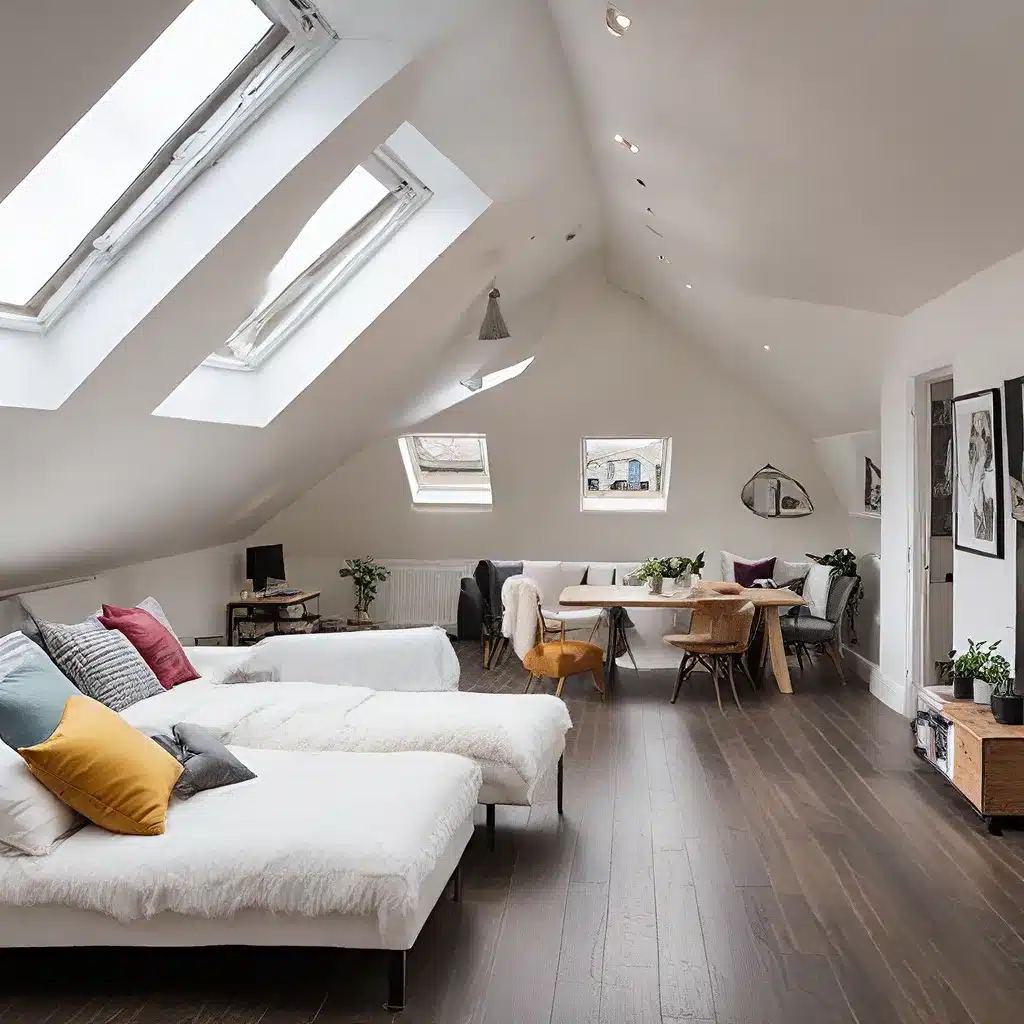
Understanding the Basics of Loft Conversions
Loft conversions represent a significant opportunity for homeowners to expand their living space without increasing their property’s footprint. This type of home improvement project involves transforming an underutilized attic or loft area into a functional living space. The process encompasses a range of considerations, from structural modifications to adherence to building regulations.
In the United Kingdom, loft conversions have become increasingly popular due to rising property prices and the desire for additional space. Homeowners often find that converting their loft is a more cost-effective solution compared to moving to a larger property. This approach not only adds value to the home but also provides a customized space tailored to the family’s specific needs.
The scope of a loft conversion can vary widely, from simple room-in-roof conversions to more complex dormer or hip-to-gable extensions. Each type of conversion presents its own set of challenges and opportunities, requiring careful planning and execution to ensure success. It’s essential to consider factors such as the existing roof structure, available headroom, and the intended use of the space when determining the feasibility and approach for a loft conversion.
Assessing Your Property’s Suitability for a Loft Conversion
Before embarking on a loft conversion project, it’s crucial to assess whether your property is suitable for such an undertaking. This assessment involves examining several key factors that will influence the feasibility and scope of the conversion.
Firstly, the existing roof structure plays a significant role in determining the potential for conversion. Traditional rafter and purlin roofs often provide more flexibility for conversion compared to trussed rafter roofs, which may require more extensive structural modifications. The pitch of the roof is also important, as a steeper pitch typically offers more usable floor space.
Secondly, the available headroom is a critical consideration. Current building regulations in the UK require a minimum height of 2.2 meters for at least 50% of the floor area in a loft conversion. If the existing space doesn’t meet these requirements, options such as raising the roof or lowering the ceiling of the floor below may need to be explored, though these can significantly increase the complexity and cost of the project.
Lastly, the overall structural integrity of the property must be evaluated. This includes assessing the condition of the existing walls, floors, and foundations to ensure they can support the additional weight and load distribution of a loft conversion. A structural engineer’s input is often necessary at this stage to provide a professional assessment and recommendations.
Planning Permission and Building Regulations
Navigating the regulatory landscape is a crucial aspect of any loft conversion project in the UK. While many loft conversions fall under permitted development rights, meaning they don’t require explicit planning permission, it’s essential to verify this with your local planning authority before commencing work.
Under permitted development rights, certain types of loft conversions can be carried out without the need for planning permission, provided they meet specific criteria. These criteria typically include limitations on the volume of additional space created, the height of the new roofline, and the use of materials that match the existing house. However, it’s important to note that permitted development rights may be restricted in conservation areas, listed buildings, or areas of outstanding natural beauty.
Even if planning permission is not required, all loft conversions must comply with building regulations. These regulations cover various aspects of the construction process, including structural stability, fire safety, insulation, ventilation, and means of escape. Key considerations include:
- Structural integrity: Ensuring the existing structure can support the additional load.
- Fire safety: Installing appropriate fire-resistant materials and escape routes.
- Insulation: Meeting energy efficiency standards for walls, floors, and roofs.
- Ventilation: Providing adequate ventilation to prevent condensation and maintain air quality.
- Stairs: Designing and installing stairs that comply with regulations for safe access.
Obtaining building regulations approval involves submitting detailed plans and specifications to the local building control department or an approved inspector. Regular inspections will be carried out during the construction process to ensure compliance with the approved plans and regulations.
Designing for Functionality and Aesthetics
Creating a loft conversion that is both functional and aesthetically pleasing requires careful consideration of several design elements. The goal is to maximize the available space while ensuring the new area integrates seamlessly with the rest of the home.
Space Planning
Efficient space planning is crucial in loft conversions, where every square meter counts. Consider the following:
- Utilize awkward spaces under eaves for built-in storage or seating areas.
- Position furniture and fixtures to maximize headroom and movement flow.
- Incorporate multi-functional elements, such as beds with integrated storage or fold-away desks.
Natural Light
Introducing natural light is essential for creating a bright and inviting space. Options include:
- Dormer windows: These provide additional headroom and light.
- Roof windows: Skylights can flood the space with natural light.
- Gable-end windows: If structurally possible, these can offer panoramic views.
Interior Design
The interior design should complement the existing home while maximizing the unique features of the loft space:
- Use light colors to enhance the sense of space and brightness.
- Consider exposed beams or brickwork for added character.
- Choose furniture that fits the scale of the space to avoid overcrowding.
Thermal Comfort
Ensuring thermal comfort is crucial, as loft spaces can be prone to temperature fluctuations:
- Install high-quality insulation in walls, floors, and roofs.
- Consider underfloor heating for efficient space heating.
- Use thermally efficient windows and doors to minimize heat loss.
By carefully considering these design elements, it’s possible to create a loft conversion that not only adds valuable living space but also enhances the overall aesthetic and functionality of the home.
Structural Considerations and Engineering Solutions
The structural integrity of a loft conversion is paramount to its success and safety. This aspect of the project often requires the expertise of a structural engineer to ensure that the existing building can support the additional load and that the new structure meets all relevant building regulations.
Load-Bearing Capacity
One of the primary considerations is the load-bearing capacity of the existing structure. This includes:
- Assessing the strength of the existing floor joists and determining if reinforcement is needed.
- Evaluating the load-bearing walls and considering if additional support is required.
- Calculating the impact of the new structure on the foundations and determining if they need strengthening.
Roof Alterations
Depending on the type of conversion, significant alterations to the roof structure may be necessary:
- For dormer conversions, new supporting beams and rafters will need to be installed.
- Hip-to-gable conversions involve extending the existing roof to create more internal space, requiring careful structural planning.
- Mansard conversions, which involve changing the entire roof structure, are the most complex and typically require extensive structural modifications.
Flooring Solutions
The floor of the loft conversion must be carefully designed to support the new living space:
- Existing ceiling joists may need to be replaced or reinforced to support the additional load.
- A new floor structure may need to be installed, incorporating sound insulation to minimize noise transfer to the rooms below.
- Consideration must be given to the integration of services such as plumbing and electrical wiring within the floor structure.
Staircase Integration
The addition of a staircase is a crucial element that requires careful structural planning:
- The position of the staircase must be chosen to minimize the impact on the existing floor below.
- Structural openings may need to be created in the existing floor, requiring the installation of supporting beams.
- The staircase design must comply with building regulations regarding tread depth, riser height, and headroom.
Table: Typical Structural Elements in Loft Conversions
| Structural Element | Purpose | Considerations |
|---|---|---|
| Steel Beams | Support new floor and roof loads | Size and placement depend on span and load |
| Rafters | Form the sloped part of the roof | May need reinforcement or replacement |
| Floor Joists | Support the new floor | Often require upgrading to meet load requirements |
| Purlins | Provide additional support to rafters | May need to be added or reinforced |
| Collar Ties | Connect opposing rafters for stability | May need to be removed and replaced with alternative support |
By addressing these structural considerations with professional engineering input, homeowners can ensure that their loft conversion is not only beautiful and functional but also structurally sound and compliant with all relevant regulations.
Material Selection for Durability and Efficiency
Choosing the right materials for a loft conversion is crucial for ensuring longevity, energy efficiency, and aesthetic appeal. The selection process should consider factors such as durability, thermal performance, fire resistance, and compatibility with the existing structure.
Insulation Materials
Proper insulation is essential for maintaining comfortable temperatures and reducing energy costs. Options include:
- Rigid foam boards: Offer high insulation value with minimal thickness, ideal for areas with limited space.
- Mineral wool: Provides good thermal and acoustic insulation, and is fire-resistant.
- Spray foam insulation: Can be applied to irregular surfaces, offering excellent air sealing properties.
Roofing Materials
The choice of roofing materials depends on the type of conversion and the existing roof structure:
- Tiles or slates: Should match the existing roof for a seamless appearance.
- Flat roof membranes: For dormer or flat roof sections, modern EPDM or GRP materials offer durability and waterproofing.
- Lead flashing: Essential for weatherproofing junctions between new and existing structures.
Structural Timber
Timber remains a popular choice for loft conversion structures due to its versatility and ease of use:
- Structural grade timber: Used for rafters, joists, and studwork.
- Engineered wood products: Such as I-joists or laminated veneer lumber (LVL) for longer spans and higher loads.
Windows and Glazing
Energy-efficient windows are crucial for maintaining thermal comfort and reducing heat loss:
- Double or triple-glazed units: Offer improved insulation and noise reduction.
- Low-emissivity (Low-E) glass: Reflects heat back into the room, improving energy efficiency.
- Self-cleaning glass: Useful for hard-to-reach roof windows.
Flooring Materials
Flooring choices should consider weight, acoustics, and thermal properties:
- Engineered wood: Offers stability and can be used with underfloor heating.
- Laminate or vinyl: Lightweight options that come in a variety of finishes.
- Carpet: Provides additional insulation and sound absorption.
Table: Comparison of Common Loft Conversion Materials
| Material Type | Advantages | Disadvantages | Typical Cost (GBP/m²) |
|---|---|---|---|
| Rigid Foam Insulation | High R-value, moisture-resistant | Higher cost, requires careful installation | £25 – £40 |
| Mineral Wool Insulation | Fire-resistant, good sound insulation | Can settle over time, less effective if compressed | £5 – £15 |
| Clay Roof Tiles | Durable, traditional appearance | Heavy, may require additional structural support | £40 – £60 |
| EPDM Flat Roofing | Highly durable, easy to repair | Limited aesthetic options | £70 – £100 |
| Engineered Wood Flooring | Stable, compatible with underfloor heating | More expensive than solid wood | £30 – £80 |
| Triple Glazed Roof Window | Excellent thermal and acoustic insulation | Higher cost, heavier than double glazing | £500 – £1000 per unit |
By carefully selecting materials that balance performance, cost, and aesthetic considerations, homeowners can ensure their loft conversion is not only beautiful but also durable and energy-efficient. It’s important to consult with professionals and consider the specific requirements of your project when making material choices.
Electrical and Plumbing Installations
Integrating electrical and plumbing systems into a loft conversion requires careful planning and execution to ensure safety, compliance with regulations, and optimal functionality. These installations must be designed to meet the specific needs of the new space while integrating seamlessly with the existing home systems.
Electrical Considerations
Electrical work in loft conversions must comply with Part P of the Building Regulations, which covers electrical safety in dwellings. Key aspects include:
- Circuit planning: Determining the number and type of circuits required for lighting, power sockets, and any specific appliances.
- Load calculations: Assessing whether the existing electrical supply can handle the additional demand or if an upgrade is necessary.
- Lighting design: Planning for a mix of general, task, and accent lighting to create a well-lit and inviting space.
- Safety devices: Installing RCDs (Residual Current Devices) and appropriate circuit breakers to protect against electrical faults.
It’s important to note that most electrical work in dwellings must be carried out by a registered electrician who can self-certify their work or be inspected and approved by building control.
Plumbing Installations
If the loft conversion includes a bathroom or requires water supply for other purposes, careful plumbing planning is essential:
- Water supply: Assessing the existing water pressure and determining if a pump is needed to ensure adequate flow in the loft space.
- Waste water drainage: Planning the route for waste pipes, ensuring proper falls and ventilation to prevent odors and blockages.
- Heating: Deciding whether to extend the existing central heating system or install independent heating solutions such as electric underfloor heating.
- Hot water: Considering the capacity of the existing hot water system and whether an upgrade or separate system is required.
Ventilation Requirements
Proper ventilation is crucial in loft conversions to maintain air quality and prevent condensation:
- Natural ventilation: Incorporating openable windows or roof lights where possible.
- Mechanical ventilation: Installing extractor fans in bathrooms or areas with high moisture levels.
- Whole-house ventilation: Considering systems like Mechanical Ventilation with Heat Recovery (MVHR) for energy-efficient air exchange.
Smart Home Integration
Modern loft conversions often incorporate smart home technologies for enhanced comfort and efficiency:
- Automated lighting and heating controls for energy savings and convenience.
- Smart security systems including cameras and motion sensors.
- Integration with whole-house audio-visual systems.
Table: Common Electrical and Plumbing Elements in Loft Conversions
| Element | Considerations | Typical Cost Range (GBP) |
|---|---|---|
| Electrical Circuit Installation | Number of sockets, lighting points, dedicated appliance circuits | £500 – £1,500 |
| Bathroom Plumbing Installation | Water supply, waste drainage, ventilation | £1,000 – £3,000 |
| Underfloor Heating System | Electric vs. water-based, area coverage | £50 – £75 per m² |
| Smart Home Integration | Lighting control, heating automation, security features | £500 – £2,000+ |
| Ventilation System (MVHR) | Ductwork installation, unit placement, extraction points | £2,000 – £4,000 |
When planning electrical and plumbing installations for a loft conversion, it’s crucial to engage qualified professionals who can ensure all work meets current regulations and standards. Early consultation with these experts can help identify potential challenges and integrate solutions into the overall design, avoiding costly adjustments later in the project.
Fire Safety and Escape Routes
Ensuring fire safety in loft conversions is paramount and is governed by strict regulations in the UK. The primary goal is to provide safe means of escape and to prevent the rapid spread of fire. Compliance with these regulations is not just a legal requirement but a critical measure to protect the occupants of the home.
Fire Resistance
The structure of the loft conversion must provide adequate fire resistance:
- Walls and floors separating the loft from the rest of the house should achieve at least 30 minutes of fire resistance.
- This is typically achieved through the use of fire-resistant plasterboard and insulation materials.
- Doors leading to the loft space should be fire-rated, self-closing, and fitted with intumescent strips and smoke seals.
Escape Routes
Planning safe escape routes is crucial:
- For loft conversions in two-storey houses, a protected stairway leading to a final exit is usually sufficient.
- In three-storey houses (including the loft), more stringent measures are required, such as:
- A protected stairway extending to all floors
- Fire doors on all rooms leading onto the stairway
- An emergency egress window in the loft room
Emergency Egress Windows
Where required, emergency egress windows must meet specific criteria:
- Minimum openable area of 0.33m²
- Minimum width of 450mm and height of 450mm
- Bottom of the openable area no more than 1100mm above the floor
- Easily openable without the use of a removable key
Fire Detection and Alarm Systems
Enhanced fire detection systems are typically required:
- Mains-powered, interlinked smoke alarms on every storey
- Heat detectors in kitchens and large open-plan areas
- Additional smoke alarms in the loft space and on the escape route
Sprinkler Systems
In some cases, particularly for larger or more complex conversions, the installation of a residential sprinkler system may be necessary or advisable.
Table: Fire Safety Elements for Loft Conversions
| Element | Requirement | Typical Cost (GBP) |
|---|---|---|
| Fire-resistant Plasterboard | 30-minute fire resistance | £15 – £25 per m² |
| Fire Doors | FD30 rated, self-closing | £200 – £400 per door |
| Egress Window | Meeting size and accessibility requirements | £500 – £1,000 |
| Smoke Alarm System | Mains-powered, interlinked | £200 – £500 for system |
| Sprinkler System | If required, coverage of loft area | £2,000 – £5,000+ |
It’s crucial to consult with building control or an approved inspector early in the planning process to ensure that all fire safety measures are adequately addressed. They can provide specific guidance based on the unique characteristics of your property and the proposed conversion.
Regular maintenance of fire safety systems, including testing smoke alarms and ensuring escape routes remain clear and accessible, is essential for ongoing safety. Homeowners should also be familiar with the escape plan and ensure all occupants know how to exit the property safely in case of fire.
By prioritizing fire safety in the design and execution of a loft conversion, homeowners can create a space that is not only functional and beautiful but also provides peace of mind through enhanced safety measures.
Cost Estimation and Budgeting
Accurate cost estimation and careful budgeting are crucial for the success of any loft conversion project. The cost can vary significantly depending on factors such as the size of the space, the type of conversion, and the level of finish desired. Understanding these costs and planning accordingly can help avoid financial stress and ensure the project reaches completion.
Factors Influencing Cost
Several key factors influence the overall cost of a loft conversion:
- Type of conversion (e.g., dormer, hip-to-gable, mansard)
- Size of the loft space
- Structural changes required
- Quality of materials and finishes
- Inclusion of bathroom or kitchen facilities
- Complexity of electrical and plumbing work
- Location of the property (labor and material costs can vary regionally)
Breakdown of Typical Costs
Here’s a general breakdown of costs for different aspects of a loft conversion:
- Design and Planning: 5-10% of total budget
- Structural Work: 30-40% of total budget
- Roofing and Insulation: 15-20% of total budget
- Windows and Doors: 5-10% of total budget
- Electrical and Plumbing: 10-15% of total budget
- Interior Finishing: 15-20% of total budget
- Contingency: 10-15% of total budget (for unexpected costs)
Table: Estimated Costs for Different Types of Loft Conversions
| Type of Conversion | Description | Estimated Cost Range (GBP) |
|---|---|---|
| Roof Light Conversion | Simplest type, adding windows to existing roof | £15,000 – £25,000 |
| Dormer Conversion | Extends roof to create more internal space | £30,000 – £50,000 |
| Hip-to-Gable Conversion | Extends side of roof to create more space | £35,000 – £55,000 |
| Mansard Conversion | Changes entire roof structure, most complex | £45,000 – £70,000+ |
Note: These are rough estimates and can vary based on location, specific requirements, and market conditions.
Budgeting Tips
-
Get Multiple Quotes: Obtain detailed quotes from at least three reputable contractors to compare costs and services.
-
Include a Contingency: Set aside 10-15% of your budget for unexpected expenses or changes during the project.
-
Consider Financing Options: Explore mortgages, home improvement loans, or savings to fund the project.
-
Prioritize Essentials: Focus on structural elements and essential features first, then allocate remaining budget to aesthetics and non-essential items.
-
Phase the Project: If budget is tight, consider completing the conversion in stages, focusing on making the space habitable first and adding finishes later.
-
DIY vs Professional Work: While some tasks might be suitable for DIY, structural work, electrical, and plumbing should always be done by professionals.
-
Energy Efficiency Investments: Consider the long-term savings of investing in high-quality insulation and energy-efficient windows and heating systems.
-
Value Added: Research how much value the conversion is likely to add to your property to ensure the investment is worthwhile.
Hidden Costs to Consider
- Building Control and Planning Fees: Even if planning permission isn’t required, you’ll need to pay for building control inspections.
- Party Wall Agreements: If your conversion affects a shared wall, you may need to draw up a party wall agreement with neighbors.
- Structural Engineer Fees: For detailed calculations and drawings.
- Increased Insurance Premiums: Your home insurance may increase due to the added value of your property.
By carefully estimating costs and creating a detailed budget, homeowners can approach their loft conversion project with confidence, knowing they have a clear financial plan in place. Regular review and adjustment of the budget throughout the project can help keep costs under control and ensure the successful completion of the conversion.
Project Management and Timeline
Effective project management is crucial for the successful completion of a loft conversion. A well-planned timeline helps to coordinate different trades, manage expectations, and ensure the project progresses smoothly. While timelines can vary depending on the complexity of the conversion, most projects follow a similar sequence of events.
Typical Loft Conversion Timeline
- Planning and Design Phase: 4-8 weeks
- Initial consultation and site survey
- Architectural drawings and plans
- Structural engineer’s calculations
-
Submission of plans for approval (if required)
-
Approval Process: 4-8 weeks
- Building control approval
- Planning permission (if necessary)
-
Party wall agreements (if applicable)
-
Preparation: 1-2 weeks
- Finalizing contracts
- Ordering materials
-
Setting up site access and storage
-
Construction Phase: 6-12 weeks
- Week 1-2: Scaffolding and roof work
- Week 3-4: Structural alterations and floor reinforcement
- Week 5-6: Windows and dormer construction (if applicable)
- Week 7-8: Insulation and plastering
- Week 9-10: Electrics and plumbing
-
Week 11-12: Flooring, decorating, and finishing touches
-
Final Inspections and Sign-off: 1-2 weeks
- Building control final inspection
- Snagging and final touches
Total Timeline: Typically 15-30 weeks from initial planning to completion
Project Management Tips
-
Create a Detailed Schedule: Break down the project into specific tasks with allocated timeframes.
-
Coordinate Trades: Ensure different tradespeople are scheduled efficiently to avoid delays.
-
Regular Site Meetings: Hold weekly meetings with contractors to review progress and address any issues.
-
Keep Neighbors Informed: Maintain good relationships by keeping neighbors updated on noisy work or deliveries.
-
Monitor Budget: Track expenses against the budget regularly and address any overruns promptly.
-
Quality Control: Regularly inspect work to ensure it meets the required standards and specifications.
-
Flexibility: Be prepared to adjust the timeline for unexpected issues or weather delays.
-
Clear Communication: Maintain open lines of communication with all parties involved in the project.
Table: Key Milestones in Loft Conversion Projects
| Milestone | Estimated Timeframe | Key Considerations |
|---|---|---|
| Design Approval | Week 4-8 | Ensure all necessary permissions are obtained |
| Structural Work Completion | Week 10-12 | Critical for progressing to next phases |
| Weather Tightness | Week 14-16 | Roof and windows should be fully installed |
| First Fix Electrics/Plumbing | Week 18-20 | Coordinate with other trades for efficiency |
| Plastering Completion | Week 22-24 | Allow adequate drying time before decorating |
| Final Decoration | Week 26-28 | Choose finishes that complement the rest of the house |
Managing Disruption
Loft conversions can be disruptive to daily life. Consider the following to minimize impact:
- Set up a temporary kitchen if the work affects your existing one
- Plan for alternative sleeping arrangements if bedrooms are affected
- Consider the impact on children and pets, possibly arranging alternative accommodation for critical phases
Dealing with Delays
Delays are common in construction projects. To manage them effectively:
- Build buffer time into your schedule for unexpected issues
- Have contingency plans for key stages of the project
- Maintain clear communication with contractors about the impact of delays
- Be prepared to make quick decisions to keep the project moving
Final Stages
As the project nears completion:
- Conduct a thorough snagging inspection to identify any minor issues
- Ensure all necessary certificates (electrical, gas, building control) are obtained
- Arrange for a deep clean of the new space and affected areas of the house
- Update your home insurance to reflect the increased value of your property
By carefully managing the project timeline and being prepared for potential challenges, homeowners can navigate the loft conversion process more smoothly. Effective project management not only helps in completing the conversion on time and within budget but also ensures that the final result meets all expectations in terms of quality and functionality.
Maximizing Energy Efficiency
Energy efficiency is a critical consideration in loft conversions, not only for reducing environmental impact but also for minimizing long-term running costs. A well-planned, energy-efficient loft conversion can significantly improve the overall energy performance of a home. Here are key strategies to maximize energy efficiency in your loft conversion project.
Insulation
Proper insulation is fundamental to energy efficiency in loft conversions:
- Roof Insulation: Aim for U-values of 0.18 W/m²K or lower. This typically requires at least 270mm of mineral wool insulation or equivalent.
- Wall Insulation: For dormer walls or gable ends, use high-performance insulation boards to maximize space.
- Floor Insulation: Insulate between floor joists to prevent heat loss to rooms below.
Windows and Glazing
Energy-efficient windows are crucial for maintaining thermal comfort:
- Double or Triple Glazing: Opt for windows with low U-values (1.6 W/m²K or lower for double glazing, 1.4 W/m²K or lower for triple glazing).
- Low-E Coatings: These reflect heat back into the room, improving thermal efficiency.
- Solar Control Glass: Useful for south-facing windows to reduce overheating in summer.
Heating and Cooling
Efficient heating and cooling systems are essential:
- Extend Existing System: If your current heating system is efficient, extending it to the loft can be cost-effective.
- Underfloor Heating: Particularly effective in loft spaces due to even heat distribution.
- Heat Recovery Ventilation: Provides fresh air while recovering heat from extracted air.
- Smart Thermostats: Allow for zoned heating control, optimizing energy use.
Lighting
Energy-efficient lighting reduces electricity consumption:
- LED Lighting: Use throughout for lower energy consumption and longer lifespan.
- Natural Light: Maximize use of skylights and windows to reduce reliance on artificial lighting.
- Motion Sensors: Install in areas like staircases for automatic control.
Renewable Energy Integration
Consider integrating renewable energy sources:
- Solar Panels: If roof orientation is suitable, solar PV panels can offset electricity usage.
- Solar Thermal: For hot water heating, particularly effective if installing a new bathroom.
Airtightness
Improving airtightness reduces heat loss:
- Draught-Proofing: Ensure all gaps around windows, doors, and loft hatch are sealed.
- Airtightness Membranes: Use in the roof structure to prevent air leakage.
Table: Energy Efficiency Measures and Their Impact
| Measure | Estimated Cost (GBP) | Annual Energy Savings (GBP) | CO2 Savings (kg/year) |
|---|---|---|---|
| Roof Insulation (270mm) | £600 – £1,000 | £100 – £150 | 530 – 790 |
| Double Glazing (per window) | £500 – £1,000 | £60 – £80 | 300 – 400 |
| LED Lighting (whole loft) | £200 – £400 | £30 – £50 | 140 – 230 |
| Underfloor Heating | £2,000 – £3,000 | £70 – £100 | 360 – 520 |
| Solar PV System (3kW) | £4,000 – £6,000 | £300 – £400 | 1,300 – 1,700 |
Note: Savings estimates are approximate and can vary based on individual circumstances and energy prices.
Building Regulations Compliance
Ensure your energy efficiency measures comply with current Building Regulations:
- Part L (Conservation of Fuel and Power) sets minimum standards for thermal elements and building services.
- An Energy Performance Certificate (EPC) may be required upon completion of the conversion.
Long-Term Considerations
- Future-Proofing: Consider potential future technologies or energy standards when planning your conversion.
- Monitoring: Install energy monitoring systems to track and optimize energy usage over time.
- Maintenance: Regular maintenance of insulation, heating systems, and windows is crucial for maintaining energy efficiency.
By incorporating these energy-efficient strategies into your loft conversion, you can create a comfortable living space that is both environmentally friendly and cost-effective to run. The initial investment in energy-efficient features often pays off through reduced energy bills and increased property value. Additionally, an energy-efficient loft conversion contributes to the overall sustainability of your home, aligning with broader environmental goals and potentially future-proofing against evolving energy standards.
For more information on home extensions and conversions, including loft conversions, visit ABC Home Extensions.
Finishing Touches and Interior Design
The finishing touches and interior design of your loft conversion play a crucial role in transforming the space from a mere structural addition to a cohesive and inviting part of your home. Thoughtful design choices can maximize the functionality of the space while creating an aesthetically pleasing environment that complements the rest of your house.
Space Planning
Effective space planning is essential in loft conversions, where every square meter counts:
- Multi-functional Furniture: Utilize pieces that serve multiple purposes, such as sofa beds or storage ottomans.
- Built-in Storage: Incorporate storage solutions into eaves and awkward spaces to maximize usable floor area.
- Room Layout: Carefully plan the placement of furniture and fixtures to optimize flow and functionality.
Lighting Design
Good lighting is crucial in loft spaces, which often have unique architectural features:
- Layered Lighting: Combine ambient, task, and accent lighting for flexibility and atmosphere.
- Natural Light: Maximize the use of natural light through strategically placed windows and skylights.
- Recessed Lighting: Ideal for areas with limited headroom.
- Feature Lighting: Use pendant lights or chandeliers in areas with higher ceilings to create focal points.
Color Schemes
The right color palette can significantly impact the perception of space:
- Light Colors: Use light, neutral tones to create a sense of openness and brightness.
- Accent Colors: Introduce pops of color through accessories or feature walls to add character.
- Cohesive Palette: Choose colors that complement the rest of your home for a seamless transition.
Flooring Options
Flooring choices should balance aesthetics, practicality, and acoustic properties:
- Engineered Wood: Offers the look of solid wood with added stability.
- Carpet: Provides warmth and sound insulation, ideal for bedroom conversions.
- Luxury Vinyl Tiles (LVT): Durable and water-resistant, suitable for bathroom conversions.
Window Treatments
Window treatments in loft conversions need to address privacy, light control, and thermal efficiency:
- Roof Window Blinds: Specially designed blinds for skylights and roof windows.
- Blackout Options: Essential for bedroom conversions to ensure a good night’s sleep.
- Automated Systems: Consider motorized blinds for hard-to-reach windows.
Texture and Materials
Incorporating a variety of textures and materials adds depth and interest to the space:
- Exposed Beams: Highlight original


