
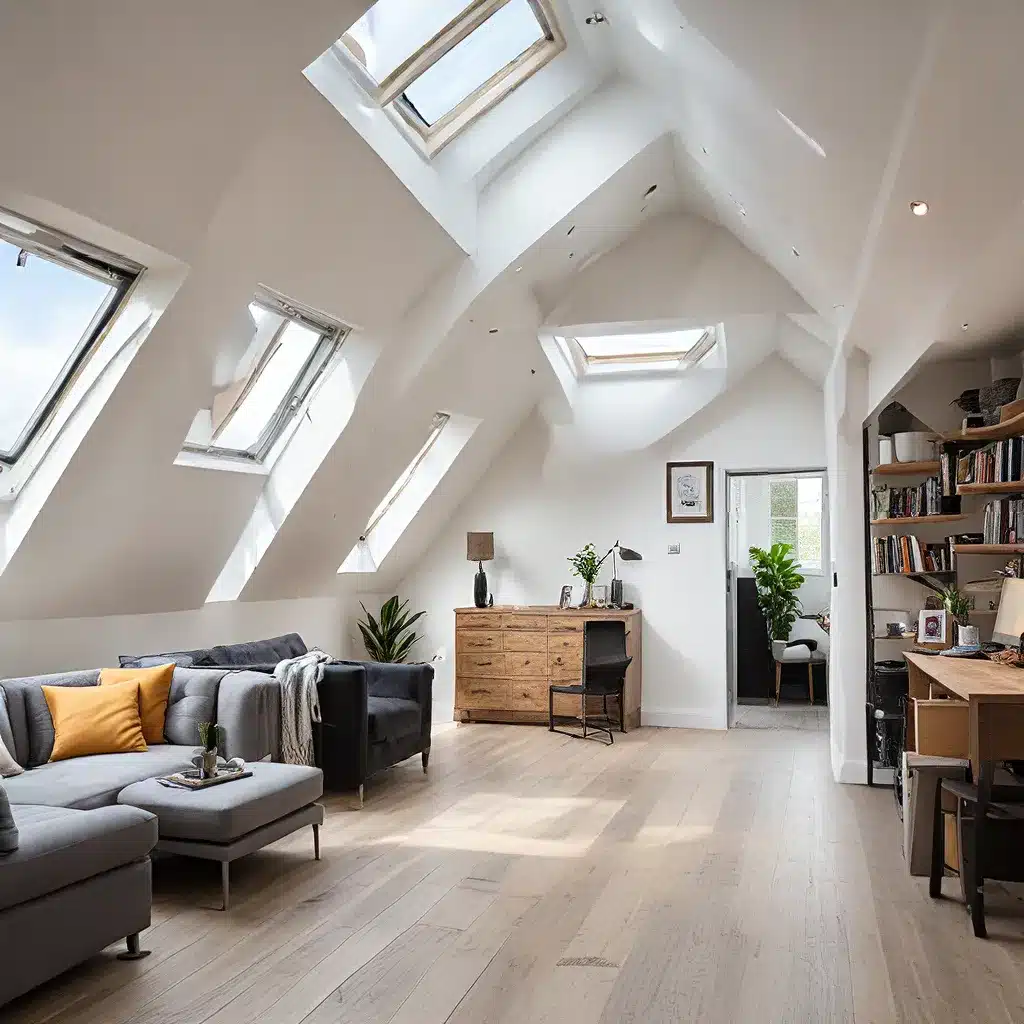
Understanding Loft Conversions in the UK
Loft conversions have become increasingly popular in the United Kingdom as homeowners seek to maximize their living space without expanding their property’s footprint. This building practice involves transforming an underutilized attic or loft area into a functional living space, often adding significant value to a property while providing much-needed additional room.
In the UK, loft conversions are subject to specific regulations and planning considerations. The Building Regulations 2010 set out the minimum standards for design, construction, and alterations to buildings, including loft conversions. These regulations ensure that the converted space is safe, energy-efficient, and structurally sound.
Before embarking on a loft conversion project, it’s essential to determine whether the existing roof structure is suitable. Factors such as the roof pitch, available headroom, and the presence of water tanks or chimney stacks can all impact the feasibility and design of a loft conversion. A professional surveyor or structural engineer should assess the property to confirm its suitability for conversion.
Types of Loft Conversions
There are several types of loft conversions commonly used in the UK, each with its own advantages and considerations:
Roof Light Conversion
A roof light conversion is the simplest and often most cost-effective option. This type involves adding windows to the existing roof slope without altering the roof structure. It’s suitable for lofts with adequate headroom and requires minimal structural changes.
Key features of roof light conversions include:
– Minimal external alterations
– Lower cost compared to other conversion types
– Faster completion time
– May not require planning permission if within permitted development rights
Dormer Conversion
Dormer conversions are a popular choice, involving the addition of a structural extension that projects vertically from the slope of the existing roof. This type of conversion creates additional floor space and headroom, making it ideal for properties with limited roof height.
Dormer conversions offer:
– Increased usable floor space
– Improved headroom
– Potential for larger windows, enhancing natural light
– Various styles to complement different property types
Hip-to-Gable Conversion
Hip-to-gable conversions are suitable for properties with a hipped roof (sloping on all sides). This conversion extends the sloped side of the roof to create a vertical gable end, significantly increasing the available space within the loft.
Benefits of hip-to-gable conversions include:
– Substantial increase in usable floor area
– Suitable for semi-detached or detached properties
– Can be combined with a rear dormer for maximum space
Mansard Conversion
A mansard conversion involves altering the entire roof structure to create a box-like shape with a flat roof and sloping back wall. This type of conversion typically provides the most additional space but is also the most extensive in terms of construction work.
Mansard conversions offer:
– Maximum increase in internal space
– Suitable for most property types, including terraced houses
– Often require planning permission due to significant external changes
Planning and Regulatory Considerations
Permitted Development Rights
Many loft conversions in the UK fall under permitted development rights, meaning they don’t require planning permission. However, there are specific conditions and limitations:
- The total area of additional roof space must not exceed 40 cubic metres for terraced houses or 50 cubic metres for detached and semi-detached houses
- No part of the extension should be higher than the highest part of the existing roof
- Materials used should be similar in appearance to the existing house
- Side-facing windows must be obscure-glazed and non-opening unless the opening parts are more than 1.7 metres above the floor
It’s important to note that permitted development rights may be restricted in conservation areas, Areas of Outstanding Natural Beauty, or for listed buildings. Always check with your local planning authority before proceeding.
Building Regulations Approval
Regardless of whether planning permission is required, all loft conversions must comply with building regulations. Key areas covered by these regulations include:
- Structural stability
- Fire safety and means of escape
- Staircase design and access
- Sound insulation
- Energy efficiency
- Electrical safety
To ensure compliance, you’ll need to submit a building regulations application to your local authority or an approved inspector. This should include detailed plans and specifications of the proposed work.
Party Wall Agreement
If your loft conversion involves work on a shared wall with a neighbouring property, you may need to serve a Party Wall Notice and obtain a Party Wall Agreement. This legal document outlines the work to be carried out and protects both parties’ interests.
Designing for Functionality and Aesthetics
Maximizing Space
Effective space utilization is crucial in loft conversions. Consider the following strategies:
- Built-in storage: Incorporate storage solutions into eaves and awkward spaces to maximize usable floor area.
- Multi-functional furniture: Use items like beds with built-in storage or fold-down desks to optimize space usage.
- Open-plan layout: Where possible, opt for an open-plan design to create a sense of spaciousness.
Natural Light
Enhancing natural light is key to creating a welcoming loft space:
- Roof windows: Install roof windows or skylights to bring in ample daylight.
- Dormer windows: Consider adding dormer windows for additional light and headroom.
- Light tunnels: For areas without direct roof access, light tunnels can channel natural light from the roof to the space below.
Thermal Comfort
Proper insulation and ventilation are essential for year-round comfort:
- Roof insulation: Install high-quality insulation to meet current building regulations (0.18 W/m²K for pitched roofs).
- Ventilation: Incorporate mechanical ventilation systems to ensure adequate air circulation and prevent condensation.
- Heating and cooling: Consider underfloor heating or split-system air conditioning for efficient temperature control.
Cost Considerations and Budgeting
The cost of a loft conversion in the UK can vary significantly based on factors such as the type of conversion, property location, and finish quality. As of September 2024, approximate costs for different conversion types are:
| Conversion Type | Estimated Cost Range (GBP) |
|---|---|
| Roof Light | £20,000 – £40,000 |
| Dormer | £30,000 – £60,000 |
| Hip-to-Gable | £40,000 – £65,000 |
| Mansard | £45,000 – £75,000 |
These figures are indicative and can vary based on specific project requirements. When budgeting, consider the following:
- Structural work: Including reinforcement of existing floors and roof structure.
- Insulation and energy efficiency measures: To meet current building regulations.
- Electrical and plumbing work: Especially if adding a bathroom or kitchen area.
- Finishes: Such as flooring, painting, and decorating.
- Professional fees: For architects, surveyors, and building control.
- Contingency: Allow 10-15% of the total budget for unexpected costs.
Choosing Materials and Finishes
Selecting appropriate materials is crucial for both the structural integrity and aesthetic appeal of your loft conversion:
Structural Materials
- Timber: Commonly used for roof trusses and floor joists. Ensure it’s properly treated for fire resistance and pest control.
- Steel: Often required for larger spans or to support dormer structures.
- Insulation: High-performance materials like polyurethane foam or mineral wool to meet energy efficiency standards.
Roofing Materials
- Tiles: Choose tiles that match or complement the existing roof for a seamless appearance.
- Slate: A durable and attractive option, particularly suitable for period properties.
- Metal roofing: Consider for modern designs or where lightweight materials are required.
Interior Finishes
- Flooring: Options include engineered wood, laminate, or carpet. Consider acoustic properties to minimize noise transmission.
- Wall finishes: Plasterboard with skimmed finish is standard. Consider moisture-resistant boards for bathrooms.
- Windows: Double or triple-glazed units for energy efficiency and sound insulation.
Project Management and Timeline
Effective project management is crucial for a successful loft conversion. A typical timeline for a UK loft conversion project might look like this:
- Planning and design: 4-8 weeks
- Obtaining necessary approvals: 6-10 weeks
- Construction phase: 8-12 weeks
- Interior finishing: 2-4 weeks
Total project duration: 20-34 weeks
To ensure smooth project progression:
- Hire reputable professionals: Choose experienced architects, surveyors, and contractors with proven track records in loft conversions.
- Establish clear communication: Set up regular site meetings and progress updates with your project team.
- Manage neighbours: Keep neighbours informed about the project timeline and potential disruptions.
- Quality control: Regularly inspect work progress and address any issues promptly.
- Documentation: Keep thorough records of all plans, permits, and correspondence related to the project.
Energy Efficiency and Sustainability
Incorporating energy-efficient features into your loft conversion not only complies with building regulations but can also lead to long-term cost savings:
Insulation
Proper insulation is critical for energy efficiency. Current UK building regulations require the following U-values for loft conversions:
| Element | U-value (W/m²K) |
|---|---|
| Pitched roof | 0.18 |
| Flat roof | 0.18 |
| Walls | 0.28 |
| Floor | 0.22 |
Consider using high-performance insulation materials such as:
– Spray foam insulation
– Sheep’s wool insulation (a sustainable option)
– Rigid polyisocyanurate (PIR) boards
Windows and Glazing
Energy-efficient windows are essential for maintaining thermal comfort and reducing heat loss:
- Double or triple glazing: Opt for windows with low U-values (1.6 W/m²K or lower).
- Low-E coatings: These reflect heat back into the room, improving thermal efficiency.
- Argon gas filling: Improves insulation properties of double and triple-glazed units.
Heating and Cooling
Consider energy-efficient heating and cooling solutions:
- Underfloor heating: Provides even heat distribution and can be more efficient than traditional radiators.
- Heat pumps: Air source or ground source heat pumps offer efficient heating and cooling.
- Smart thermostats: Allow for precise temperature control and scheduling, optimizing energy use.
Renewable Energy Integration
Where feasible, consider integrating renewable energy systems:
- Solar panels: If the roof orientation is suitable, solar PV panels can generate electricity for the home.
- Solar thermal systems: Can provide hot water, reducing energy consumption for water heating.
Ventilation
Proper ventilation is crucial for maintaining air quality and preventing condensation:
- Mechanical Ventilation with Heat Recovery (MVHR): Recovers heat from extracted air, improving overall energy efficiency.
- Passive stack ventilation: Uses temperature differences and wind to drive air flow, requiring no electrical input.
Adding Value to Your Property
A well-executed loft conversion can significantly increase the value of your property. According to recent UK property market data, a loft conversion can add between 10% and 20% to the value of a home, depending on the location and quality of the conversion.
To maximize the value added:
- Create a versatile space: Design the loft to be flexible in use, appealing to a wide range of potential buyers.
- Ensure high-quality finishes: Use durable, attractive materials that will stand the test of time.
- Maximize natural light: Ample daylight makes the space more appealing and can make it feel larger.
- Add an en-suite bathroom: If space allows, an additional bathroom can significantly boost property value.
- Obtain all necessary certifications: Ensure you have proper documentation for the conversion, including building control sign-off and, if applicable, planning permission.
Common Challenges and Solutions
Loft conversions can present various challenges. Here are some common issues and potential solutions:
Limited Headroom
Challenge: Insufficient headroom can restrict the usable space in a loft conversion.
Solutions:
– Consider lowering the ceiling of the floor below (if feasible structurally)
– Explore options for raising the roof height (subject to planning permission)
– Use dormer windows to create additional headroom
– Design around low areas, using them for storage or built-in furniture
Structural Limitations
Challenge: Existing roof structure may not support additional loads.
Solutions:
– Reinforce existing roof trusses or replace with new structural elements
– Use steel beams to support additional loads
– Consider a complete roof replacement if extensive structural work is required
Staircase Placement
Challenge: Finding the optimal location for the new staircase without compromising existing living space.
Solutions:
– Utilize space over existing staircases
– Consider space-saving staircase designs, such as spiral or alternating tread stairs
– Reconfigure the floor below to accommodate the new staircase
Fire Safety Compliance
Challenge: Ensuring adequate fire safety measures in the new living space.
Solutions:
– Install fire-resistant doors and partitions
– Implement a sprinkler system if required by regulations
– Ensure proper escape routes, including escape windows where necessary
– Use intumescent paint or boarding on structural elements
Noise Transmission
Challenge: Preventing noise transfer between the loft and rooms below.
Solutions:
– Install sound insulation in floors and walls
– Use acoustic underlay beneath flooring
– Consider double-layer plasterboard with acoustic membrane
– Isolate any new plumbing to minimize noise from water systems
Maintenance and Long-Term Care
To ensure your loft conversion remains in excellent condition and continues to add value to your property, regular maintenance is essential:
Roof Maintenance
- Annual inspections: Check for any signs of wear, damage, or leaks in the roof covering and flashings.
- Gutter cleaning: Regularly clean gutters and downpipes to prevent water damage.
- Moss and algae removal: Remove any build-up on roof tiles to prevent deterioration.
Insulation and Ventilation
- Check insulation: Periodically inspect insulation for signs of dampness or deterioration.
- Ventilation systems: Clean and service mechanical ventilation systems annually.
- Monitor humidity levels: Use a hygrometer to ensure humidity remains at an appropriate level (ideally between 30-50%).
Windows and Doors
- Seal inspection: Check and replace weatherstripping and sealants as needed.
- Lubrication: Regularly lubricate window and door mechanisms to ensure smooth operation.
- Glazing check: Inspect for any cracks or failures in double/triple glazing units.
Structural Elements
- Visual inspections: Regularly check for any signs of movement, such as cracks in walls or ceilings.
- Timber treatment: If applicable, reapply wood treatments according to manufacturer recommendations.
Electrical and Plumbing Systems
- Electrical safety checks: Have a qualified electrician perform periodic safety inspections.
- Plumbing maintenance: Check for leaks and ensure proper functioning of any plumbing fixtures in the loft space.
Decoration and Finishes
- Repainting: Plan to repaint walls and ceilings every 5-7 years, or as needed.
- Floor care: Maintain flooring according to material specifications (e.g., refinishing wood floors, deep cleaning carpets).
By following these maintenance guidelines, you can ensure that your loft conversion remains a valuable and enjoyable part of your home for years to come.
Conclusion
Loft conversions represent a significant opportunity for homeowners in the UK to expand their living space and increase property value. By carefully considering design options, adhering to regulatory requirements, and focusing on energy efficiency and sustainability, it’s possible to create a functional and attractive space that enhances your home.
Remember that while a loft conversion can be a complex project, the rewards in terms of additional living space and increased property value can be substantial. Always work with qualified professionals and ensure all necessary approvals are obtained before commencing work.
For more information on home improvements and extensions, visit https://abc-home.co.uk/home-extension-conversion/ for expert advice and services tailored to your specific needs.


