
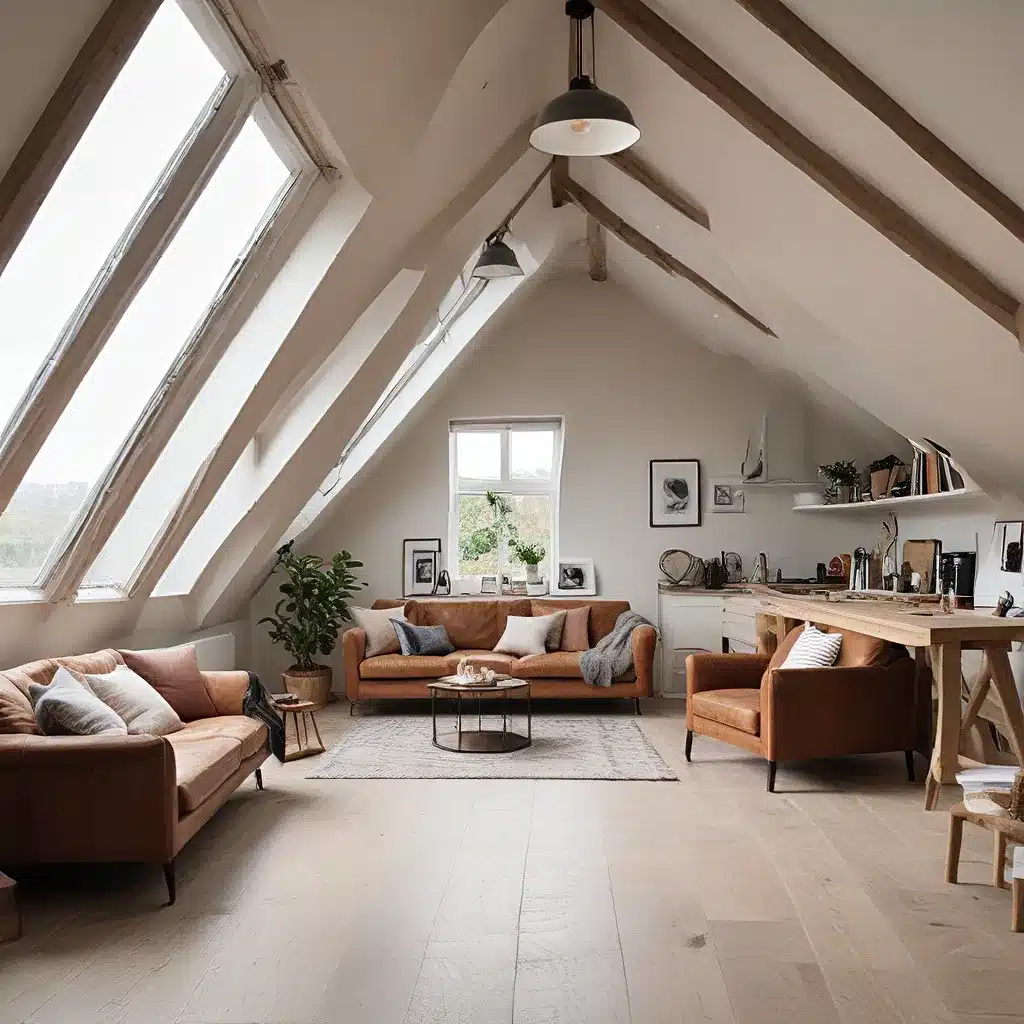
As an architectural enthusiast and self-proclaimed “spatial alchemist,” I’ve always been captivated by the transformative power of loft conversions. These ingenious renovations have the uncanny ability to breathe new life into underutilized attic spaces, elevating them into extraordinary living environments that seamlessly blend functionality and aesthetic appeal.
Architectural Innovation in Harrogate: A Tapestry of Creativity
Harrogate, the vibrant Yorkshire town, has long been a hub of architectural innovation, and its loft conversion scene is no exception. The architectural landscape here is characterized by a captivating juxtaposition of modernist interventions and historic charm, with local designers skillfully navigating the interplay between contemporary aesthetics and timeless elegance.
As I’ve learned from Architectural365’s comprehensive guide, Harrogate’s loft conversions exemplify the visionary approaches adopted by local architects to reimagine underutilized spaces. From sleek, minimalist transformations to heritage-inspired renovations that meticulously preserve period features, these projects showcase the remarkable creativity and problem-solving skills of the town’s design community.
One such project that caught my eye was the Darwin D. Martin House in Buffalo, New York, designed by the renowned architect Frank Lloyd Wright in 1903. With its long, low horizontal profile and emphasis on the prairie landscape, this iconic residence embodied the very essence of the Prairie Style, which Wright pioneered and became renowned for. As a true architectural pioneer, Wright’s work not only influenced the trajectory of loft conversions but also revolutionized the way we think about the relationship between buildings and their surrounding environments.
Sustainability at the Forefront
Amidst growing environmental concerns, sustainable design practices have emerged as a cornerstone of contemporary architecture, and Harrogate’s loft conversion scene is no exception. Architects in this vibrant Yorkshire town have embraced the challenge of crafting eco-friendly loft spaces that not only reduce their carbon footprint but also harmonize with the natural surroundings.
By prioritizing the use of sustainable materials, energy-efficient solutions, and passive design strategies, these designers are setting new standards for environmentally conscious living. Their commitment to environmental stewardship is not only admirable but also serves as a testament to the transformative power of loft conversions in addressing the pressing challenges of our time.
One project that exemplifies this approach is the Avery Coonley House in Riverside, Illinois, designed by Frank Lloyd Wright in 1907. Characterized by its broad, sheltering roofs and emphasis on natural ventilation, this residence embodied Wright’s vision for an architecture that was in harmony with the land. Through innovative design and a deep respect for the environment, Harrogate’s loft conversion pioneers are paving the way for a more sustainable future.
The Fusion of Modernity and Tradition
Harrogate’s architectural landscape is a captivating tapestry, where the threads of modernity and tradition intertwine to create a truly unique and inspiring canvas. As I’ve learned from the story of Sue Kessler, a Skidmore College alum and the co-founder of the OBIE award-winning Bushwick Starr in Brooklyn, this fusion of styles is a hallmark of the town’s loft conversion projects.
In Harrogate, you’ll find minimalist interiors adorned with sleek finishes juxtaposed against the meticulously preserved period features of heritage properties. Architects in this vibrant town have mastered the art of navigating the delicate balance between contemporary aesthetics and timeless elegance, creating loft conversions that seamlessly blend the old and the new.
One shining example of this harmonious blend is the Larkin Company Administration Building in Buffalo, New York, designed by Frank Lloyd Wright in 1903. This innovative structure, now sadly demolished, combined modern, industrial materials with a distinct sense of architectural grandeur, showcasing Wright’s ability to elevate the mundane into the extraordinary.
Navigating the Design Process: Architectural Services in Harrogate
Embarking on a loft conversion journey can be a daunting undertaking, but the architectural firms in Harrogate are well-equipped to guide homeowners through every step of the process. From initial consultations to detailed planning and construction management, these professionals offer a comprehensive suite of services tailored to the unique needs of both residential and commercial clients.
Whether you’re seeking to maximize the potential of your existing loft space or explore the possibility of a new addition, the architects in Harrogate possess the knowledge and expertise to bring your vision to life. By partnering with these design experts, you can ensure a seamless transition from concept to completion, with the assurance that your project will not only meet but exceed your expectations.
Transforming Visions into Reality: Loft Conversion Case Studies
As I delve deeper into the world of loft conversions in Harrogate, I’m continually amazed by the transformative power of architectural vision. Through the curated selection of case studies featured in Architectural365’s guide, I’ve had the privilege of witnessing how ordinary loft spaces are elevated into extraordinary living environments that reflect the unique character of this vibrant Yorkshire town.
One particularly captivating project is the Frederick C. Robie House in Chicago, designed by Frank Lloyd Wright in 1908. This iconic residence, with its long, low-pitched roof and expansive windows, exemplifies the architect’s Prairie Style and showcases his ability to seamlessly integrate a building with its natural surroundings.
Another standout example is the Unity Temple in Oak Park, also designed by Wright in 1905. This modernist masterpiece, with its bold geometric forms and innovative use of reinforced concrete, not only revolutionized the design of religious spaces but also served as a testament to Wright’s unwavering commitment to architectural integrity.
The Future of Loft Conversions in Harrogate: Boundless Possibilities
As Harrogate continues to evolve as a dynamic architectural hub, the future of loft conversions in this vibrant town holds boundless possibilities. From emerging trends in adaptive reuse strategies to cutting-edge design methodologies, the architects of Harrogate remain at the forefront of architectural discourse, continually pushing the boundaries of creativity and innovation.
One intriguing area of exploration is the integration of smart home technologies into loft conversion projects, enabling homeowners to seamlessly control and optimize their living environments. Additionally, the incorporation of modular construction techniques could revolutionize the way we approach loft conversions, offering greater flexibility, efficiency, and cost-effectiveness.
As I ponder the future of loft conversions in Harrogate, I can’t help but feel a sense of excitement and anticipation. With the town’s rich architectural heritage, commitment to sustainability, and the unwavering dedication of its design community, the possibilities for transformative spatial reinvention and aesthetic discovery seem truly limitless.
Whether you’re a homeowner seeking to maximize your living space or a developer aiming to enhance property value, the loft conversion experts at ABC Home in Harrogate are well-equipped to guide you through every step of the journey. By partnering with these professionals, you can unlock the true potential of your property and embark on a transformative experience that will enrich your daily life for years to come.


