
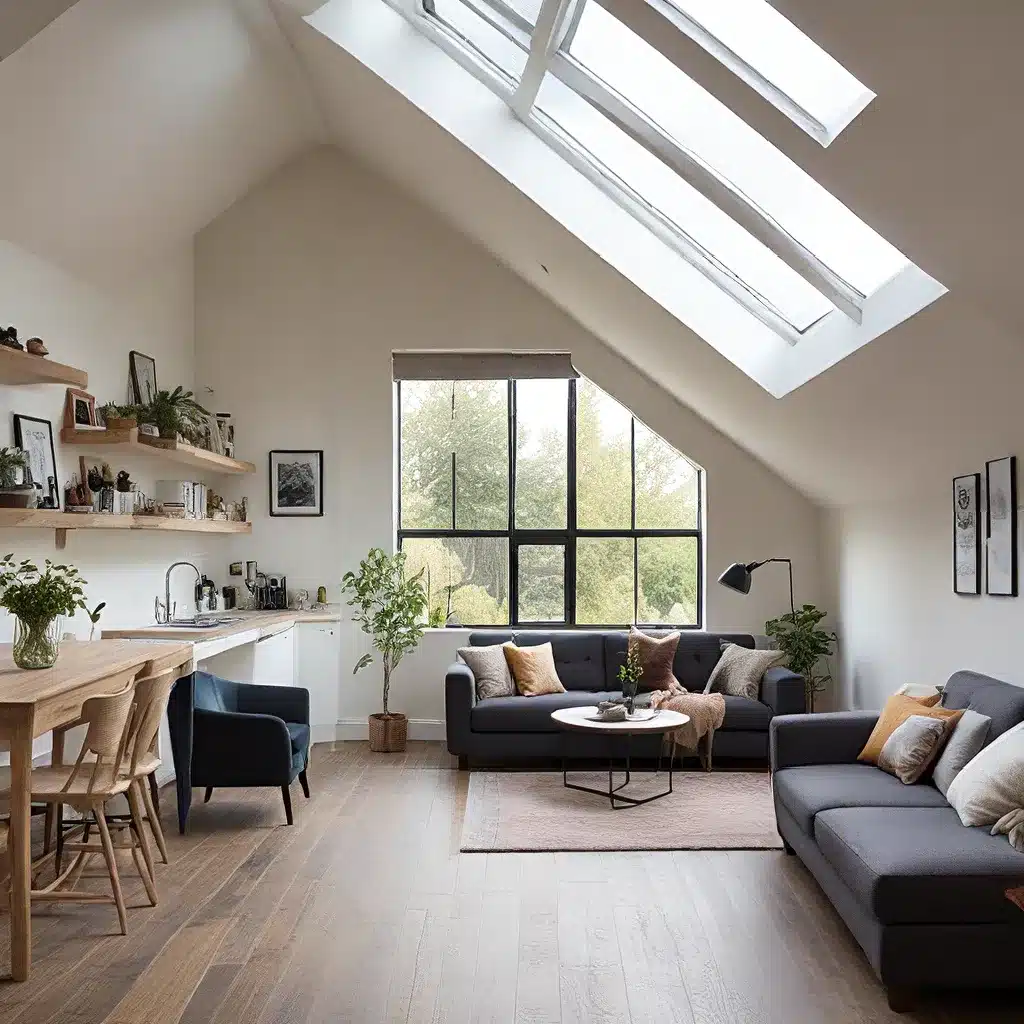
Understanding the Loft Conversion Landscape in the UK
Loft conversions have become increasingly popular in the United Kingdom as homeowners seek to maximise their living space without the need for relocation. This trend has gained significant momentum in recent years, particularly in urban areas where property prices continue to rise and available land for new construction is limited.
In the context of UK building practices, a loft conversion involves transforming an existing attic space into a functional living area. This process typically includes structural modifications, insulation improvements, and the addition of windows or dormers to enhance natural light and ventilation. The scope of work can range from simple room conversions to more complex projects that involve raising the roof or altering the building’s overall structure.
The appeal of loft conversions lies in their potential to add substantial value to a property while providing much-needed additional space. According to recent market analyses, a well-executed loft conversion can increase a home’s value by up to 20%, making it an attractive option for homeowners looking to invest in their property. Moreover, the flexibility offered by loft conversions allows for a variety of uses, including extra bedrooms, home offices, recreational spaces, or even self-contained living quarters.
Regulatory Framework and Compliance
Before embarking on a loft conversion project, it is essential to understand the regulatory landscape in the UK. The primary legislation governing such works is the Building Regulations 2010, which sets out the minimum standards for design, construction, and alterations to buildings. These regulations are enforced by local building control bodies and cover various aspects of the construction process, including structural integrity, fire safety, energy efficiency, and accessibility.
Planning Permission Requirements
In many cases, loft conversions fall under the category of ‘permitted development,’ which means they can be carried out without the need for formal planning permission. However, this is subject to certain conditions and limitations:
- The additional space created must not exceed 40 cubic metres for terraced houses or 50 cubic metres for detached and semi-detached houses.
- The conversion must not extend beyond the plane of the existing roof slope at the front of the house.
- Materials used should be similar in appearance to those of the existing house.
- No part of the extension should be higher than the highest part of the existing roof.
- Side-facing windows must be obscure-glazed and non-opening unless the parts that open are more than 1.7 metres above the floor.
It’s important to note that these permitted development rights may be more restricted in conservation areas, Areas of Outstanding Natural Beauty, or for listed buildings. In such cases, homeowners should consult with their local planning authority before proceeding with any work.
Building Regulations Approval
Regardless of whether planning permission is required, all loft conversions must comply with Building Regulations. This involves submitting detailed plans and specifications to the local building control body for approval. Key areas covered by Building Regulations include:
- Structural Stability: Ensuring that the existing structure can support the additional load of the conversion.
- Fire Safety: Implementing adequate fire resistance measures and escape routes.
- Thermal Insulation: Meeting current energy efficiency standards.
- Sound Insulation: Particularly important for party walls in semi-detached or terraced houses.
- Ventilation: Providing sufficient airflow to prevent condensation and maintain air quality.
- Staircase Design: Ensuring safe access to the new living space.
Failure to comply with Building Regulations can result in enforcement action, fines, and potentially the requirement to undo the work. Therefore, it is crucial to engage with a qualified professional or an approved inspector to guide you through the compliance process.
Cost Considerations and Budget Planning
The cost of a loft conversion can vary significantly depending on the scope of work, the property’s existing structure, and the desired finish quality. As of September 2024, the average cost for a basic loft conversion in the UK ranges from £30,000 to £50,000. However, more complex projects involving substantial structural changes or high-end finishes can exceed £80,000.
To help visualise the potential costs involved, consider the following breakdown:
| Conversion Type | Estimated Cost Range (GBP) | Description |
|---|---|---|
| Roof Light Conversion | £25,000 – £35,000 | Simplest type, involves adding skylights and flooring |
| Dormer Conversion | £35,000 – £60,000 | Includes adding dormer windows for extra headroom |
| Hip-to-Gable Conversion | £45,000 – £70,000 | Extends the sloping side roof to create more space |
| Mansard Conversion | £55,000 – £90,000 | Most extensive, involves changing the roof structure |
These figures are indicative and can vary based on factors such as location, property size, and specific requirements. It’s advisable to obtain multiple quotes from reputable contractors and to factor in a contingency of 10-15% for unforeseen expenses.
Cost-saving Strategies
While loft conversions represent a significant investment, there are several strategies that can help manage costs without compromising on quality:
- Careful Planning: Invest time in the design phase to minimise changes during construction, which can be costly.
- Material Selection: Opt for durable, cost-effective materials that meet regulatory standards without breaking the bank.
- Timing: Consider scheduling work during off-peak seasons when contractors may offer more competitive rates.
- Phased Approach: If budget constraints are tight, consider completing the conversion in stages, focusing on essential structural work first.
- Energy Efficiency: While upfront costs may be higher, investing in high-quality insulation and energy-efficient windows can lead to long-term savings on heating bills.
It’s worth noting that while DIY approaches may seem tempting for cost-saving, the complexity of loft conversions and the importance of regulatory compliance make professional involvement crucial for most aspects of the project.
Sustainable Building Practices in Loft Conversions
Sustainability has become an increasingly important consideration in the construction industry, and loft conversions offer an excellent opportunity to implement environmentally friendly practices. By incorporating sustainable elements into your loft conversion, you can not only reduce your carbon footprint but also potentially benefit from lower energy costs and improved comfort.
Energy Efficiency Measures
One of the primary focuses of sustainable loft conversions is enhancing energy efficiency. This involves several key areas:
-
Insulation: Proper insulation is crucial for maintaining a comfortable temperature and reducing energy consumption. As of September 2024, UK Building Regulations require a U-value of 0.18 W/m²K for roof insulation in loft conversions. This can be achieved through a combination of materials such as mineral wool, rigid foam boards, or natural alternatives like sheep’s wool.
-
Windows: High-performance, double or triple-glazed windows not only improve thermal efficiency but also reduce noise pollution. Consider specifying windows with a U-value of 1.6 W/m²K or lower to meet and exceed current standards.
-
Airtightness: Ensuring the loft conversion is properly sealed against air leakage helps maintain energy efficiency. This involves careful detailing around junctions and penetrations, as well as the use of appropriate membranes and sealants.
-
Ventilation: While airtightness is important, adequate ventilation is equally crucial to maintain indoor air quality and prevent condensation. Mechanical ventilation with heat recovery (MVHR) systems can be an effective solution, recovering heat from extracted air to pre-warm incoming fresh air.
Sustainable Materials
The choice of materials can significantly impact the environmental footprint of your loft conversion. Consider the following options:
-
Recycled or Reclaimed Materials: Using recycled insulation materials or reclaimed timber for structural elements can reduce the demand for new resources.
-
Low-impact Flooring: Options such as bamboo, cork, or recycled wood flooring offer sustainable alternatives to traditional materials.
-
Low-VOC Paints and Finishes: Specify paints, varnishes, and other finishes with low volatile organic compound (VOC) content to improve indoor air quality.
-
Responsibly Sourced Timber: If using timber for structural elements or finishes, ensure it is certified by organisations such as the Forest Stewardship Council (FSC) or Programme for the Endorsement of Forest Certification (PEFC).
Renewable Energy Integration
Loft conversions present an opportunity to integrate renewable energy systems, particularly solar photovoltaic (PV) panels. The roof space often provides an ideal location for solar installations, and the conversion process allows for easy integration of necessary wiring and equipment.
As of September 2024, the average cost of a 4kWp solar PV system in the UK is approximately £6,000 to £8,000. While this represents an additional upfront cost, it can lead to significant long-term savings on electricity bills and potentially generate income through the Smart Export Guarantee (SEG) scheme.
Water Efficiency
If the loft conversion includes bathroom facilities, consider implementing water-saving measures such as:
- Low-flow taps and showerheads
- Dual-flush toilets
- Greywater recycling systems for toilet flushing
These measures not only reduce water consumption but can also lower water bills and decrease the load on local water treatment infrastructure.
Structural Considerations and Engineering Challenges
Loft conversions often present unique structural challenges that require careful consideration and expert engineering input. The existing structure of the property must be assessed to determine its capacity to support the additional load of the conversion and any necessary modifications.
Load-bearing Capacity
One of the primary concerns in loft conversions is ensuring that the existing structure can support the additional weight. This typically involves:
-
Floor Joists: Assessing the strength and span of existing floor joists and potentially reinforcing or replacing them to meet current load-bearing requirements.
-
Roof Structure: Evaluating the roof’s structural integrity and making necessary modifications, which may include adding new rafters or replacing the entire roof structure in some cases.
-
Wall Supports: Ensuring that load-bearing walls below the loft are capable of supporting the increased weight, potentially involving the installation of additional supports or steel beams.
Headroom and Spatial Planning
Adequate headroom is crucial for a functional loft conversion. UK Building Regulations require a minimum head height of 2.2 metres over at least 50% of the floor area. Achieving this may involve:
-
Roof Alterations: In some cases, raising the roof or altering its pitch may be necessary to create sufficient headroom. This is a significant undertaking that requires careful planning and often necessitates planning permission.
-
Floor Lowering: An alternative to raising the roof is lowering the ceiling of the floor below. This approach can be less disruptive externally but may have implications for the rooms below.
-
Dormer Windows: Adding dormer windows can create additional headroom and usable floor space, particularly in properties with steep roof pitches.
Staircase Integration
The design and installation of a staircase to access the loft conversion is a critical aspect that impacts both the functionality of the space and compliance with Building Regulations. Key considerations include:
-
Space Requirements: The staircase must have a minimum width of 800mm and a maximum pitch of 42 degrees. Adequate headroom (2m minimum) must be maintained throughout the staircase.
-
Fire Safety: The staircase forms part of the escape route and must be designed to provide a protected means of escape in case of fire. This often involves installing fire-resistant doors and ensuring the staircase leads directly to an external door.
-
Structural Impact: The installation of a staircase may require modifications to the floor below, potentially affecting room layouts and requiring additional structural support.
Party Wall Considerations
For semi-detached or terraced properties, loft conversions may have implications for party walls shared with neighbouring properties. The Party Wall etc. Act 1996 sets out the legal framework for such works:
-
Notification: Homeowners must serve notice to affected neighbours at least two months before work commences.
-
Agreement: Neighbours have 14 days to consent to the works or request a party wall agreement, which typically involves appointing a surveyor to assess the potential impact and agree on protective measures.
-
Dispute Resolution: If agreement cannot be reached, a dispute resolution process is outlined in the Act, involving the appointment of an ‘agreed surveyor’ or separate surveyors for each party.
Failure to comply with party wall procedures can result in legal complications and potential delays to the project. It’s advisable to engage a party wall surveyor early in the planning process to navigate these requirements effectively.
Design Strategies for Maximising Space and Light
Effective design is crucial in loft conversions to make the most of the available space and create a light, airy environment. Given the often awkward shapes and limited headroom in loft spaces, careful planning and innovative design solutions are essential.
Spatial Planning
-
Zoning: Divide the loft space into distinct functional areas, considering the sloping ceilings and potential structural constraints. For example, areas with reduced headroom can be utilised for storage or as seating areas.
-
Built-in Furniture: Custom-designed, built-in furniture can maximise space utilisation, particularly in areas with sloping ceilings. This might include fitted wardrobes, desks, or shelving units that follow the roof line.
-
Multi-functional Spaces: Consider designing spaces that can serve multiple purposes. For instance, a home office that doubles as a guest bedroom with a fold-out bed.
-
Circulation Space: Carefully plan circulation routes to ensure they don’t compromise the usability of the main living areas. Where possible, integrate storage solutions into circulation spaces.
Natural Light Maximisation
Bringing natural light into a loft conversion is crucial for creating a welcoming and spacious feel. Several strategies can be employed:
-
Roof Windows: Velux or similar roof windows are an effective way to introduce natural light without altering the external roof profile. Consider the placement and size of these windows to optimise light distribution throughout the day.
-
Dormer Windows: Where permitted, dormer windows not only provide additional headroom but also increase the amount of natural light and offer better views.
-
Glazed Gable Ends: For properties with gable ends, installing large glazed sections can dramatically increase natural light and provide striking architectural features.
-
Light Tubes: In areas where traditional windows are not feasible, sun tubes or light pipes can channel natural light from the roof into darker interior spaces.
-
Glass Balustrades: If the loft conversion includes a staircase, using glass balustrades can help light flow between floors.
Colour and Finishes
The choice of colours and finishes can significantly impact the perception of space and light in a loft conversion:
-
Light Colours: Using light, neutral colours for walls and ceilings can help reflect light and create a sense of spaciousness. Consider using different shades of white or pale pastels to add depth without darkening the space.
-
Reflective Surfaces: Glossy or semi-glossy finishes on surfaces and furniture can help bounce light around the room. Mirrors strategically placed opposite windows can also amplify natural light.
-
Contrasting Features: While light colours are generally beneficial, adding darker accents or feature walls can create depth and interest without overwhelming the space.
-
Floor Finishes: Light-coloured flooring can contribute to a bright, airy feel. However, ensure that the chosen material is practical for the intended use of the space.
Clever Storage Solutions
Effective storage is crucial in loft conversions to maintain a clutter-free, spacious environment:
-
Eaves Storage: The space in the eaves can be utilised for built-in storage, accessed via small doors or pull-out drawers.
-
Under-floor Storage: If the floor level is raised to accommodate insulation or services, consider incorporating trap doors for additional storage space.
-
Multi-functional Furniture: Opt for furniture that incorporates storage, such as ottoman beds or window seats with built-in drawers.
-
Vertical Storage: Utilise full-height storage solutions where possible, making use of the vertical space up to the sloping ceilings.
By implementing these design strategies, it’s possible to create a loft conversion that feels spacious, light, and functional, even within the constraints of the existing roof structure.
Installation of Services and Infrastructure
A critical aspect of loft conversions is the integration of essential services and infrastructure. This includes electrical systems, plumbing, heating, and ventilation. Proper planning and installation of these services are crucial for the functionality, comfort, and compliance of the new living space.
Electrical Systems
The electrical requirements for a loft conversion will depend on its intended use, but typically include:
-
Circuit Capacity: Assessing whether the existing electrical system can support the additional load or if upgrades are needed. This may involve installing a new consumer unit or upgrading the main supply.
-
Lighting: Planning a combination of ambient, task, and accent lighting to suit the space. Consider energy-efficient LED options and the use of dimmer switches for flexibility.
-
Power Outlets: Providing an adequate number of conveniently located power sockets. UK regulations require at least one double socket for every 2 metres of wall space in habitable rooms.
-
Data and Communication: Installing data points for internet connectivity and potentially TV aerials or satellite connections.
-
Safety Devices: Ensuring proper installation of smoke alarms, which must be mains-powered with battery backup and interconnected with existing alarms in the property.
All electrical work must be carried out by a qualified electrician and certified to comply with Part P of the Building Regulations. Upon completion, an Electrical Installation Certificate should be provided.
Plumbing and Heating
If the loft conversion includes bathroom facilities or requires heating, careful consideration of plumbing and heating systems is necessary:
-
Water Supply: Assessing the existing water pressure and potentially installing a pump if pressure is insufficient at the loft level.
-
Waste Water: Planning the route for waste pipes, ensuring adequate fall for proper drainage. This may involve connection to existing soil stacks or installation of a new soil pipe.
-
Heating Options: Extending the existing central heating system or considering alternative options such as:
- Electric underfloor heating
- Electric radiators
-
Air source heat pumps (if suitable for the property)
-
Hot Water: Evaluating whether the existing boiler can cope with the additional demand or if upgrades are needed.
-
Insulation: Ensuring proper insulation of all water pipes to prevent freezing in cold weather.
All plumbing work should comply with Water Regulations and be carried out by a qualified plumber. If gas appliances are installed, this must be done by a Gas Safe registered engineer.
Ventilation
Adequate ventilation is crucial in loft conversions to maintain air quality, control humidity, and prevent condensation. Options include:
-
Natural Ventilation: Incorporating openable windows and trickle vents. For roof windows, consider automated options that can close automatically in case of rain.
-
Mechanical Extraction: Installing extractor fans in bathrooms and other areas prone to moisture. These should have a 15-minute overrun function and be linked to the light switch.
-
Whole-house Ventilation: For more comprehensive solutions, consider mechanical ventilation with heat recovery (MVHR) systems, which can be particularly effective in well-insulated loft spaces.
Ventilation requirements must comply with Part F of the Building Regulations, which specify minimum ventilation rates for different types of rooms.
Fire Safety Measures
Fire safety is a critical consideration in loft conversions, particularly in terms of escape routes and fire resistance:
-
Escape Windows: In loft rooms, an escape window measuring at least 0.33m² with a minimum 450mm height and width is required. The bottom of the openable area should be no more than 1100mm from the floor.
-
Fire Doors: Installing fire-resistant doors (FD30 rated) to create a protected escape route from the loft to the final exit.
-
Smoke Alarms: Installing interconnected, mains-powered smoke alarms with battery backup on each floor of the property, including the new loft space.
-
Fire Resistance: Ensuring adequate fire resistance of the floor and walls separating the loft from the rest of the house, typically requiring 30 minutes of fire resistance.
Sound Insulation
While not always a regulatory requirement, sound insulation is an important consideration for comfort, particularly in semi-detached or terraced properties:
-
Floor Insulation: Installing acoustic insulation between floor joists and potentially using resilient bars and soundboard to reduce impact and airborne sound transmission.
-
Wall Insulation: For party walls, consider additional sound insulation measures such as independent stud walls with mineral wool insulation.
-
Pipe Insulation: Wrapping water pipes in foam insulation to reduce noise from water flow.
By carefully planning and implementing these service and infrastructure elements, you can ensure that your loft conversion is not only compliant with regulations but also comfortable, efficient, and fit for purpose.
Project Management and Construction Process
Effective project management is crucial for the successful execution of a loft conversion. The process involves careful planning, coordination of various trades, and adherence to timelines and budgets. Here’s an overview of the key stages and considerations in managing a loft conversion project:
Pre-construction Phase
-
Initial Assessment: Conduct a thorough survey of the existing property to assess its suitability for conversion. This should include a structural survey and evaluation of the current roof construction.
-
Design Development: Work with an architect or designer to create detailed plans for the conversion. This stage should involve multiple iterations to refine the design and ensure it meets both regulatory requirements and your personal needs.
-
Planning and Approvals: Submit necessary applications for planning permission (if required) and Building Regulations approval. This process can take several weeks to months, so it’s important to factor this into your project timeline.
-
Contractor Selection: Obtain quotes from multiple contractors, ideally those with specific experience in loft conversions. Check references, view previous work, and ensure they have appropriate insurance and qualifications.
-
Detailed Scheduling: Develop a comprehensive project schedule, identifying key milestones and dependencies between different stages of work.
Construction Phase
-
Site Preparation: This involves setting up safety measures, protecting existing parts of the house, and establishing site access. For loft conversions, this often includes erecting scaffolding and creating a temporary access point for materials.
-
Structural Work: The first major construction phase typically involves strengthening the existing floor, installing new floor joists, and making any necessary modifications to the roof structure.
-
Weatherproofing: Once the structure is modified, ensuring the space is weathertight is crucial. This involves installing new roofing materials, windows, and any external cladding.
-
First Fix: This stage includes the installation of initial electrical wiring, plumbing, and HVAC systems before the walls are closed up.
-
Insulation and Boarding: Installing insulation in the walls, floor, and roof, followed by plasterboarding to create the internal walls and ceilings.
-
Second Fix: This involves completing the electrical and plumbing installations, including fitting sockets, switches, sanitaryware, and heating elements.
-
Finishing: The final stage includes plastering, painting, installing flooring, and adding any built-in furniture or storage solutions.
Project Management Considerations
-
Communication: Maintain clear and regular communication with all parties involved, including the design team, contractors, and building control officers. Regular site meetings can help keep everyone informed and address any issues promptly.
-
Quality Control: Implement a system for quality checks at key stages of the project. This might involve independent inspections or detailed checklists for each phase of work.
-
Budget Management: Keep a close eye on expenditure throughout the project. Use a detailed cost breakdown and track any variations or additional costs as they arise.
-
Risk Management: Identify potential risks early in the project and develop contingency plans. Common risks in loft conversions include weather delays, discovery of unforeseen structural issues, and delays in material deliveries.
-
Health and Safety: Ensure that all work is carried out in compliance with health and safety regulations. This includes providing appropriate personal protective equipment (PPE) and maintaining a safe working environment.
-
Neighbour Relations: Keep neighbours informed about the project, particularly if there are party wall considerations or if the work is likely to cause significant disruption.
-
Documentation: Maintain comprehensive records of all aspects of the project, including contracts, approvals, certificates, and any changes to the original plans. This documentation is crucial for Building Control sign-off and may be required if you sell the property in the future.
Timeline Considerations
The duration of a loft conversion project can vary significantly depending on the complexity of the work and the size of the space. As a general guide:
- Simple roof light conversion: 4-6 weeks
- Dormer conversion: 6-8 weeks
- More complex conversions (e.g., hip-to-gable): 8-12 weeks
It’s important to build in contingency time for unexpected delays or issues that may arise during the construction process.
Finishing Touches and Interior Design
The final stages of a loft conversion project focus on transforming the newly created space into a functional and aesthetically pleasing living area. This phase is crucial in realising the full potential of the conversion and creating a space that seamlessly integrates with the rest of the home while meeting your specific needs and style preferences.
Flooring Options
The choice of flooring can significantly impact the overall look and feel of the loft space. Consider the following options:
-
Engineered Wood: Offers the look of solid wood with better stability and moisture resistance. Ideal for loft spaces due to its lighter weight compared to solid wood.
-
Laminate: A cost-effective option that can mimic the appearance of wood or tile. It’s durable and easy to maintain, making it suitable for high-traffic areas.
-
Carpet: Provides warmth and comfort underfoot, and can help with sound insulation. Choose a high-quality underlay for added comfort and insulation.
-
Vinyl: Modern luxury vinyl tiles (LVT) offer a wide range of designs and are both water-resistant and durable.
-
Cork: A sustainable option that provides natural warmth and sound insulation properties.
When selecting flooring, consider factors such as weight (especially important in loft conversions), durability, ease of maintenance, and compatibility with underfloor heating if installed.
Lighting Design
Effective lighting is crucial in loft spaces to create a welcoming atmosphere and compensate for any areas with limited natural light:
-
Ambient Lighting: Use recessed LED downlights for general illumination. These can be installed in sloping ceilings and are energy-efficient.
-
Task Lighting: Incorporate desk lamps, reading lights, or pendant lights over specific work areas or bedside tables.
-
Accent Lighting: Use wall sconces, track lighting, or LED strips to highlight architectural features or artwork.
-
Dimmers: Install dimmer switches to allow for flexible lighting levels throughout the day.
-
Natural Light Enhancement: Consider light tubes or sun pipes to bring natural light into darker corners of the loft space.
Window Treatments
Choosing appropriate window treatments for loft conversions requires careful consideration of both functionality and aesthetics:
-
Roof Windows: Specially designed blinds or shades that fit the exact dimensions of roof windows are available. These can include blackout options for bedrooms.
-
Dormer Windows: Consider Roman blinds or curtains that can be neatly stacked when open to maximise light and views.
-
Gable End Windows: For larger gable end windows, consider plantation shutters or vertical blinds that offer flexibility in light control.
-
Automated Systems: For hard-to-reach windows, consider motorised blinds or curtains that can be controlled remotely.
Storage Solutions
Maximising storage is often a key objective in loft conversions. Consider these options:
-
Built-in Wardrobes: Custom-designed wardrobes that fit under sloping ceilings can maximise storage space.
-
Eaves Storage: Create access panels or pull-out drawers in the eaves space for items that are not frequently used.
-
Window Seats: Incorporate storage beneath window seats for a dual-purpose solution.
-
Shelving: Install floating shelves or bookcases in areas with sufficient headroom.
-
Underfloor Storage: If the floor level has been raised, consider incorporating trap doors for additional storage space.
Decorative Elements
The final decorative touches can help to personalise the space and create a cohesive look:
-
Colour Scheme: Choose a colour palette that complements the rest of your home while considering the unique characteristics of the loft space. Light colours can help make the space feel larger and brighter.
-
Texture: Incorporate different textures through soft furnishings, rugs, and wall coverings to add depth and interest to the space.
-
Artwork: Select artwork that fits the scale of the space. Consider the sloping walls when deciding on placement.
-
Mirrors: Strategically placed mirrors can help reflect light and create an illusion of more space.
-
Plants: Introduce houseplants to add life to the space. Choose varieties that thrive in the specific light conditions of your loft.
Furniture Selection
When choosing furniture for a loft conversion, consider the following:
-
Scale: Select furniture that is proportionate to the space. In areas with sloping ceilings, low-profile furniture may be more suitable.
-
Functionality: Opt for multi-functional pieces where possible, such as sofa beds or desk-storage combinations.
-
Access: Ensure that furniture can be easily transported up the loft stairs. Consider modular pieces that can be assembled in situ if access is limited.
-
Built-in Options: Custom-built furniture can make the most of awkward spaces and create a seamless look.
By carefully considering these finishing touches and interior design elements, you can create a loft conversion that not only adds valuable living space to your home but also reflects your personal style and meets your specific needs. The key is to balance functionality with aesthetics, creating a space that is both practical and inviting.
Conclusion
Loft conversions represent a significant opportunity for homeowners to expand their living space and increase the value of their property. By carefully navigating the regulatory landscape, implementing sustainable practices, and focusing on thoughtful design and quality craftsmanship, it’s possible to create truly transformative spaces within existing homes.
As the housing market continues to evolve, the ability to maximise the potential of existing properties through loft conversions will likely remain a valuable strategy for homeowners and developers alike. Whether you’re looking to create an additional bedroom, a home office, or a versatile living area, a well-executed loft conversion can provide a cost-effective and environmentally conscious solution to your space needs.
For those considering a loft conversion, it’s essential to engage with experienced professionals who can guide you through the process, from initial concept to final execution. By doing so, you can ensure that your project not only meets all necessary regulatory requirements but also achieves your vision for a beautifully crafted and functional living space.
For more information on home extensions and conversions, visit https://abc-home.co.uk/home-extension-conversion/ to explore additional resources and expert advice tailored to your specific needs.


