
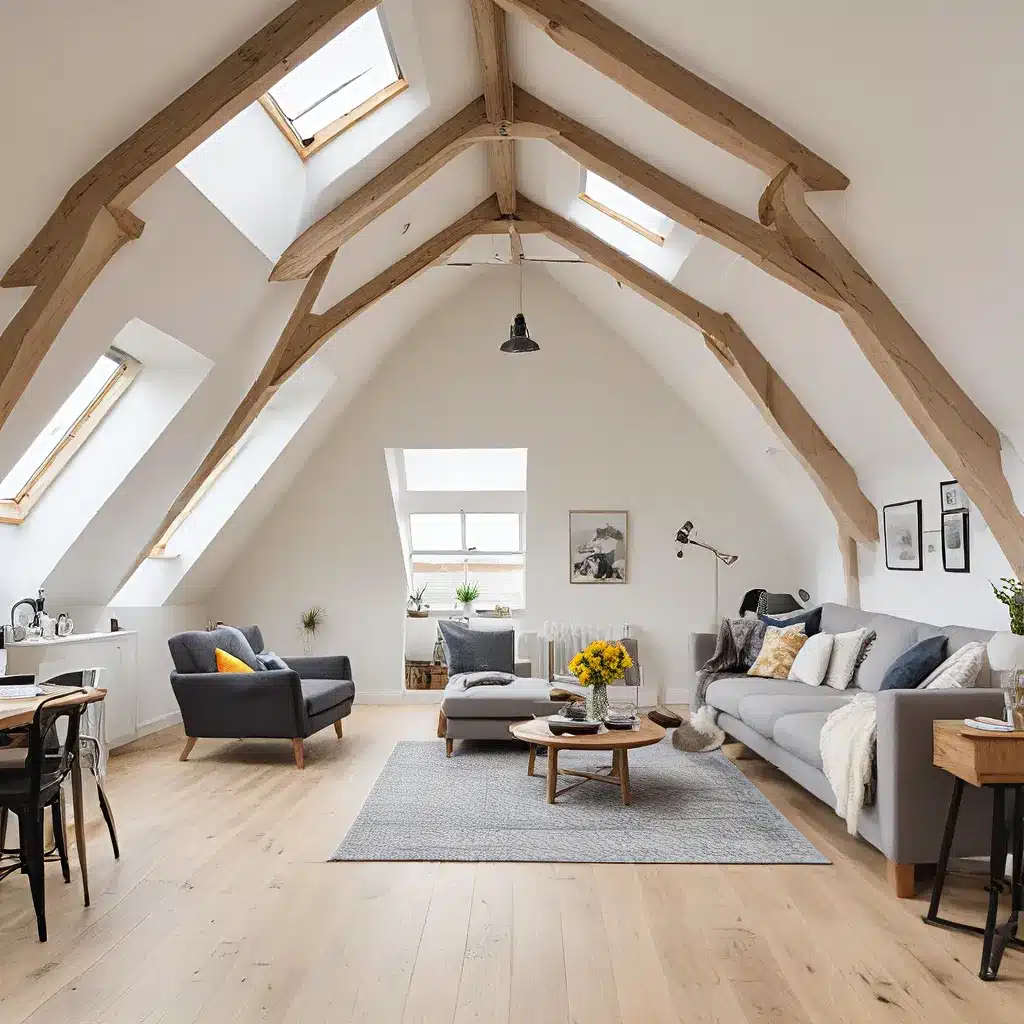
Navigating the Labyrinth of Loft Conversions: A Comprehensive Guide
As a homeowner in Aberdeen, UK, you’ve probably gazed up at your neglected attic space, dreaming of the untapped potential it holds. The prospect of transforming that dusty, forgotten realm into a stunning new living area is an enticing one, isn’t it? Well, my friend, let me let you in on a little secret: loft conversions can be a game-changer for your home, but they also come with a unique set of challenges.
You see, while the idea of creating an extra bedroom, home office, or even a luxurious master suite might have your creative juices flowing, the reality of making it happen can be a daunting task. There’s a whole host of structural, legal, and financial considerations to navigate before you can even think about picking out paint colors and furniture.
But fear not! I’ve done the legwork for you, scouring the depths of the internet and tapping into the expertise of industry pros to uncover the key secrets to a seamless loft conversion. So, grab a cup of tea, get cozy, and let’s dive in.
Assessing the Structural Viability of Your Loft
The first and most crucial step in your loft conversion journey is determining whether your attic space is actually suitable for the transformation you have in mind. And trust me, this is no simple task – it’s not as easy as just measuring from the floor to the roof and calling it a day.
According to the experts at FindTheHomePros, the design and structural integrity of your roof play a pivotal role in determining loft conversion viability. Gable-style roofs are generally well-suited candidates, while flat roofs or those with multiple valleys can be extremely challenging and costly to convert.
But that’s not all – you also need to consider the strength and load-bearing capacity of the existing floor joists and structural framing. Many older homes simply weren’t designed to support the added weight and load distribution of an entire new floor’s worth of living space.
“We assess what supplementary supports are required on every project,” explains Sam Thompson of Loft Conversion Builders London. “A thorough assessment should analyze the existing floor joist materials, their spacing and spans, and overall structural integrity. If they’re incapable of holding the new weight, supplementary support beams or an entirely new subfloor system may be required, quickly escalating costs.”
And let’s not forget about the all-important ceiling height – a minimum of 2 meters (6.5 feet) of clearance for at least half the new room’s floor area is typically required, with the remaining space maintaining at least 1.5 meters (5 feet) of height. Anything less, and you might end up feeling like a giant in a dollhouse.
Navigating the Legal Landscape
But the structural considerations are just the tip of the iceberg. Once you’ve determined that your loft is physically suitable for conversion, you’ll need to tackle the legal and regulatory requirements that come with the territory.
As the team at Amazing Lofts explains, “Skipping the tedious paperwork and trying to sneak a loft conversion under the radar is a surefire way to derail your plans or face costly remediation orders down the line.” Depending on your location in Aberdeen, you may need to pursue planning permission, building regulations, and other certifications to ensure your project is up to code.
“Factoring in these fire-rated, regulation-adherent stairs is crucial during the planning phases,” advises Jenny Wallace of House Extension Builders London. “Inadequate existing access and a new full stairwell installation are needed in most London homes pursuing loft conversions. Skipping this step can derail your plans fast as updated access able to pass inspections is mandatory.”
So, before you start breaking out the power tools, make sure you’ve done your due diligence and secured all the necessary approvals. Trust me, it’s better to wade through the bureaucratic maze upfront than to face a costly shutdown later on.
Crunching the Numbers: Budgeting for Your Loft Conversion
Alright, now that you’ve tackled the structural and legal hurdles, it’s time to get down to the nitty-gritty of budgeting. And let me tell you, this is where the real adventure begins.
According to the experts at DocStar, loft conversion costs can vary wildly based on the existing conditions of your property and the scope of your intended project. “Establishing an accurate, comprehensive budget projection should be one of your first steps,” advises Martin Lee of London Lofts. “Trying to cut corners or underestimate costs frequently leads to fund shortages and unfinished nightmares.“
As a general rule of thumb, you can expect a basic loft conversion for a two or three-bedroom house to start around £20,000. But if you’re dreaming of a more spacious addition or a complex layout, be prepared to shell out £45,000 to £70,000 or beyond.
Key factors that can influence the final price tag include:
| Factor | Average Cost Range |
|---|---|
| Architect Design Fees | £2,000 – £4,000 |
| Structural Engineering | £500 – £1,200 |
| Construction Labor | £10,000 – £30,000 |
| Project Management | 10-20% of labor |
Now, before you start hyperventilating, there’s a silver lining: a well-executed loft conversion can increase your home’s market value by 10-20% on average. For savvy homeowners in Aberdeen, this added equity often recoups the majority of the upfront costs.
Assembling Your Dream Team: The Experts You Need
As you can probably tell, navigating the world of loft conversions is no walk in the park. That’s why it’s absolutely crucial to enlist the help of experienced professionals to ensure your project is a resounding success.
First and foremost, you’ll need to consult with a Structural Engineer. These licensed experts will conduct a comprehensive technical assessment of your property’s load-bearing capabilities, advising on the reinforcements your floor, roof, or other structural elements may require.
Next up, you’ll want to work with a registered Architect to create the architectural plans for your loft conversion. These design gurus will customize the layout and dimensions to your vision, ensuring maximum functionality and flow while adhering to all relevant building standards.
But don’t stop there – you’ll also want to hire a Loft Conversion Specialist Contractor. Unlike a general contractor, these niche experts focus exclusively on these complex builds, streamlining the process and guaranteeing code adherence.
“Their specialized expertise is invaluable for securing necessary planning permission, permits, and certifications – a crucial but often daunting regulatory hurdle,” explains the team at ABC Home.
So, while you might be tempted to go the DIY route and save a few quid, trust me when I say that enlisting the right professionals is an investment that will pay off in spades. After all, you don’t want to end up with a half-finished nightmare or a costly remediation order, do you?
Unlocking Your Loft’s Full Potential: A Checklist for Success
Phew, that was a lot to take in, wasn’t it? But fear not, my friend – I’ve got your back. Here’s a handy checklist to help you navigate the loft conversion labyrinth and unlock the full potential of your attic space:
- Assess the Structural Viability: Carefully evaluate the design and condition of your roof, as well as the strength and load-bearing capacity of your existing floor joists and framing.
- Ensure Adequate Ceiling Height: Make sure your loft meets the minimum height requirements for at least half the new room’s floor area.
- Investigate Local Planning Rules and Building Regulations: Familiarize yourself with the relevant codes and permit needs in your area of Aberdeen.
- Crunch the Numbers: Establish a realistic and comprehensive budget, factoring in all the key cost considerations.
- Assemble Your Dream Team: Enlist the expertise of Structural Engineers, Architects, and Loft Conversion Specialist Contractors to guide you through the process.
Remember, a loft conversion is a significant investment, both in terms of time and money. But if you approach it with the right mindset and the guidance of seasoned professionals, the rewards can be truly transformative. So, what are you waiting for? It’s time to unlock the key to your home’s seamless transformation!


